


When companies invest in AGV forklifts from China, the first deployment is only the beginning of their automation journey. Many businesses start with a small fleet and expand gradually after proving the return on investment.
A scalable AGV system allows companies to add more autonomous forklifts without rebuilding their entire warehouse automation infrastructure.
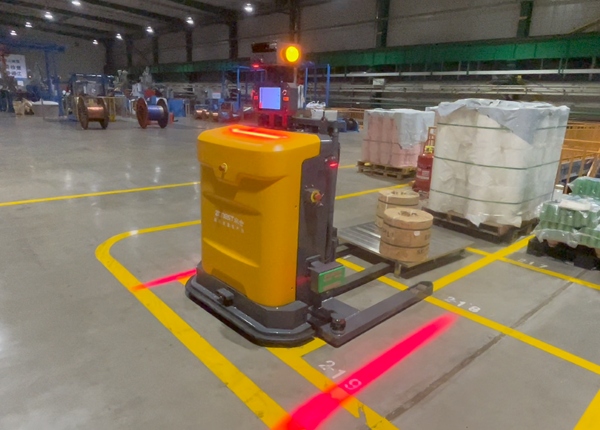
Warehouse automation requirements often change over time. Companies may increase storage capacity, add new production areas or experience seasonal demand fluctuations.
A scalable AGV solution should support:
Adding new autonomous forklifts
Expanding warehouse coverage
Increasing transport capacity
Supporting new workflows
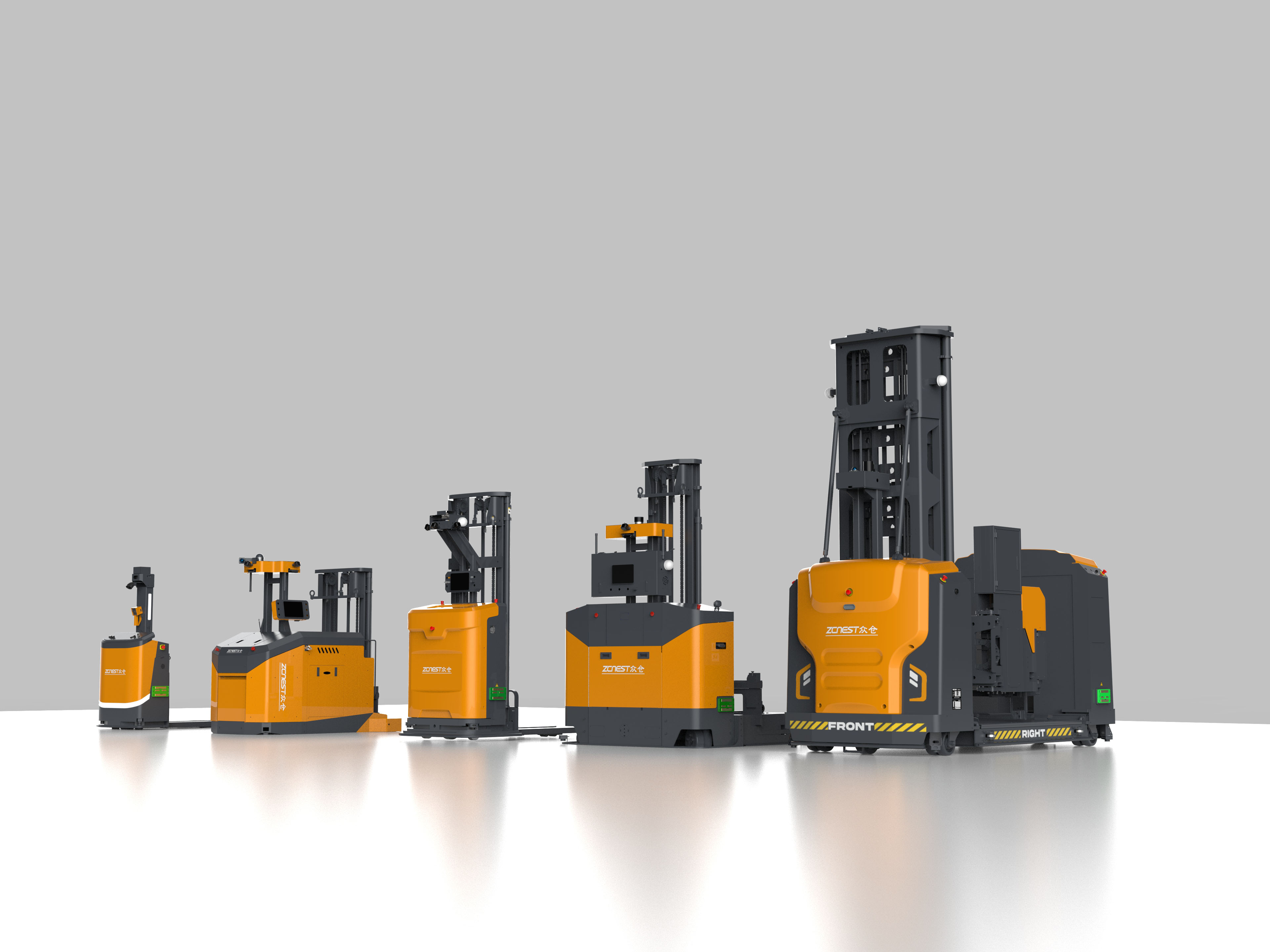
Integrating additional robot models
The goal is to grow automation capacity without replacing the original system.
In a properly designed AGV system, adding new vehicles should be a structured expansion process rather than a complete redesign.
When adding the 5th, 10th or additional AGVs, companies should evaluate:
Fleet management software capacity
Vehicle communication capability
Charging infrastructure availability
Warehouse traffic management
System server performance
A professional AGV supplier should provide an expansion plan before the first deployment.
Many modern AGV systems are designed to reuse existing warehouse maps when expanding fleet size.
Depending on the navigation technology, expansion may include:
Loading existing digital maps
Adding new operating zones
Updating traffic rules
Configuring new charging locations
Testing new vehicle routes
A scalable navigation system should minimize disruption to existing warehouse operations.
The central fleet management system is responsible for coordinating multiple autonomous forklifts.
When new vehicles are added, the system may manage:
Vehicle registration
Task assignment
Traffic coordination
Battery management
Priority scheduling
Performance monitoring
The software should automatically balance workloads between existing and newly added AGVs.
As fleet size increases, traffic management becomes more important.
Advanced AGV systems use centralized scheduling to optimize:
Route planning
Intersection management
Vehicle priority
Collision prevention
Task distribution
The purpose is to maintain high warehouse efficiency as more vehicles are added.
Many industries experience seasonal demand increases, including e-commerce, retail distribution and manufacturing.
Companies may consider temporary automation expansion through:
Short-term AGV leasing
Additional rented vehicles
Flexible automation services
Temporary fleet expansion
This approach allows companies to increase capacity during peak periods without permanently purchasing additional equipment.
Before increasing AGV quantity, companies should evaluate existing infrastructure.
Important factors include:
Wireless network capacity
Charging station quantity
Battery management strategy
Server processing capability
Warehouse traffic design
Maintenance resources
How many AGVs can one fleet management system support?
Can I add new vehicles without replacing software?
Will new AGVs require complete remapping?
Can different AGV models work together?
Can the system support future AI upgrades?
Can I temporarily rent additional AGVs during peak seasons?
How long does fleet expansion normally take?
| Expansion Area | Evaluation Requirement |
|---|---|
| Software Scalability | Can the fleet system manage additional vehicles? |
| Navigation Expansion | Can existing maps support new AGVs? |
| Infrastructure | Are network and charging systems ready? |
| Seasonal Demand | Can temporary capacity be added? |
A successful AGV investment should not only solve today's warehouse transportation needs but also support future growth. Companies importing AGVs from China should evaluate whether the supplier provides a scalable platform that can expand from a small initial fleet to a larger automated operation.
The right AGV architecture allows businesses to increase automation capacity, improve efficiency and avoid costly system replacements in the future.
FREE ENGINEERING SUPPORT Stop Gambling on Generic Platforms. Get an AGV/AMR Tailored to Your Warehouse.Buying automated guided vehicles involves complex safety standards (CE/ANSI), navigation setups (Laser SLAM), and ERP system integration. Don't risk your factory safety with middle-men. ✓ 100% Direct Factory: Customized payload up to 5 Tons. ✓ Free CAD Simulation: Send us your layout, and our engineers will simulate the optimal AGV routes. ✓ Global Support: Overseas installation guidance & local maintenance partners. |





 Chinese
 English