


Many companies are exploring autonomous forklifts to automate inbound and outbound logistics operations. One important question is whether AGV forklifts imported from China can handle real-world container loading and unloading tasks.
Unlike indoor warehouse transportation, container unloading requires autonomous vehicles to operate in challenging conditions including limited space, uneven transitions, dock levelers and changing truck positions.
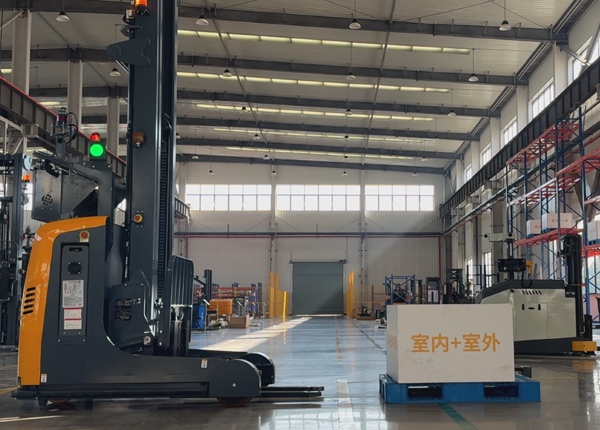
Shipping containers create a different operating environment compared with normal warehouse aisles.
Common challenges include:
Limited container interior space
Narrow operating clearance
Uneven floor transitions
Variable truck parking positions
Different pallet loading conditions
High demand for continuous operation
A successful AGV container application requires both suitable hardware design and reliable navigation technology.
Some autonomous forklift models can be customized or selected for low-clearance container loading applications.
Important design factors include:
Vehicle overall height
Turning radius
Fork reach capability
Load capacity
Battery operating time
Sensor installation position
Before selecting an AGV, customers should provide container dimensions, pallet specifications and loading requirements to the manufacturer.
Moving between a warehouse floor and a truck trailer requires careful evaluation of mechanical capability.
Important factors include:
Maximum climbing slope capability
Wheel traction
Ground clearance
Load stability
Dock plate strength
For container applications, the AGV system should be tested with the actual dock configuration before full deployment.
In real logistics operations, trailers are not always perfectly aligned with warehouse docks.
Modern AGV systems may use:
3D vision cameras
Laser sensors
Position detection algorithms
Dynamic path adjustment
Load positioning feedback
These technologies help improve positioning accuracy when the operating environment changes.
Container environments can contain obstacles, uneven pallet placement and limited visibility.
Vision systems may help AGVs:
Identify pallet locations
Detect obstacles
Confirm fork entry position
Adjust approach angles
Verify successful pallet pickup
The final performance depends on pallet conditions, sensor configuration and application requirements.
Cycle time depends on many variables, including:
Number of pallets inside the container
Pallet weight
Travel distance
Dock layout
AGV speed
Warehouse traffic
Operator interaction requirements
A professional supplier should conduct a simulation or site evaluation before providing throughput estimates.
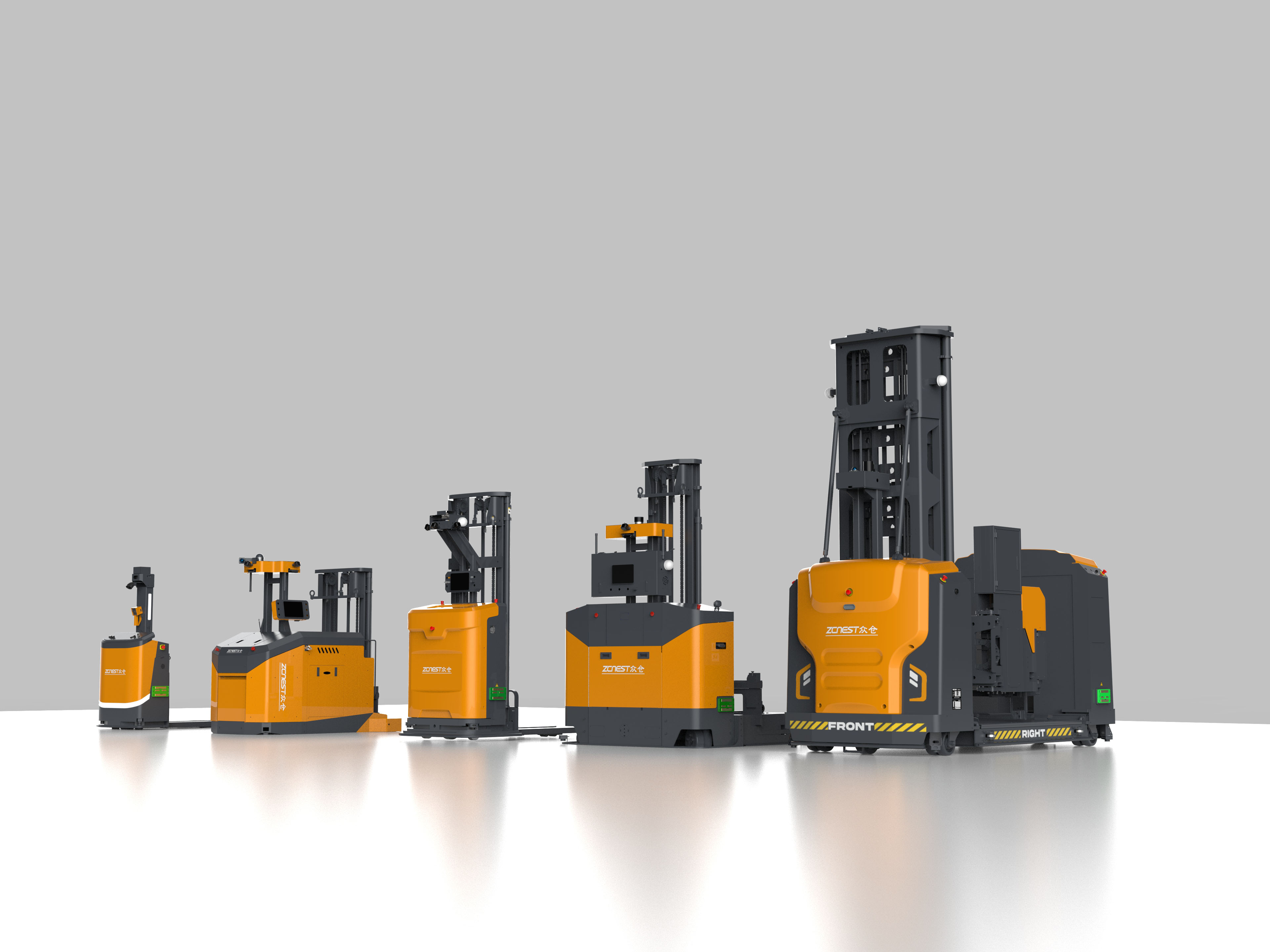
Different container applications may require different autonomous forklift designs.
Potential solutions include:
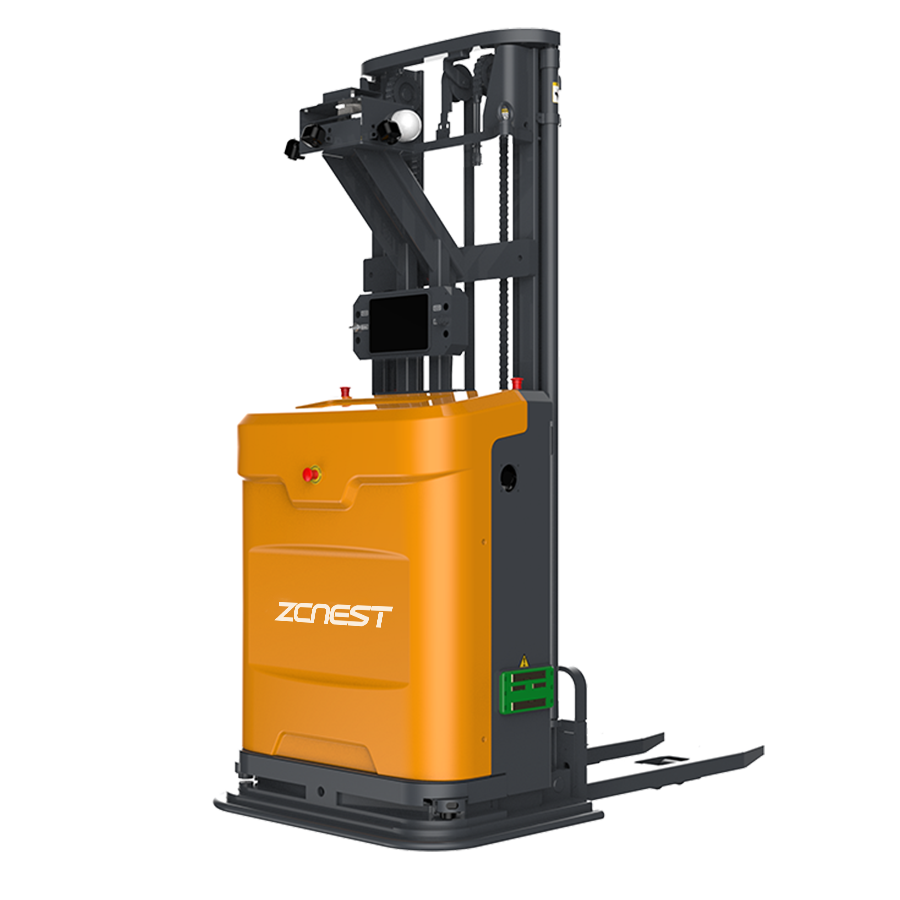
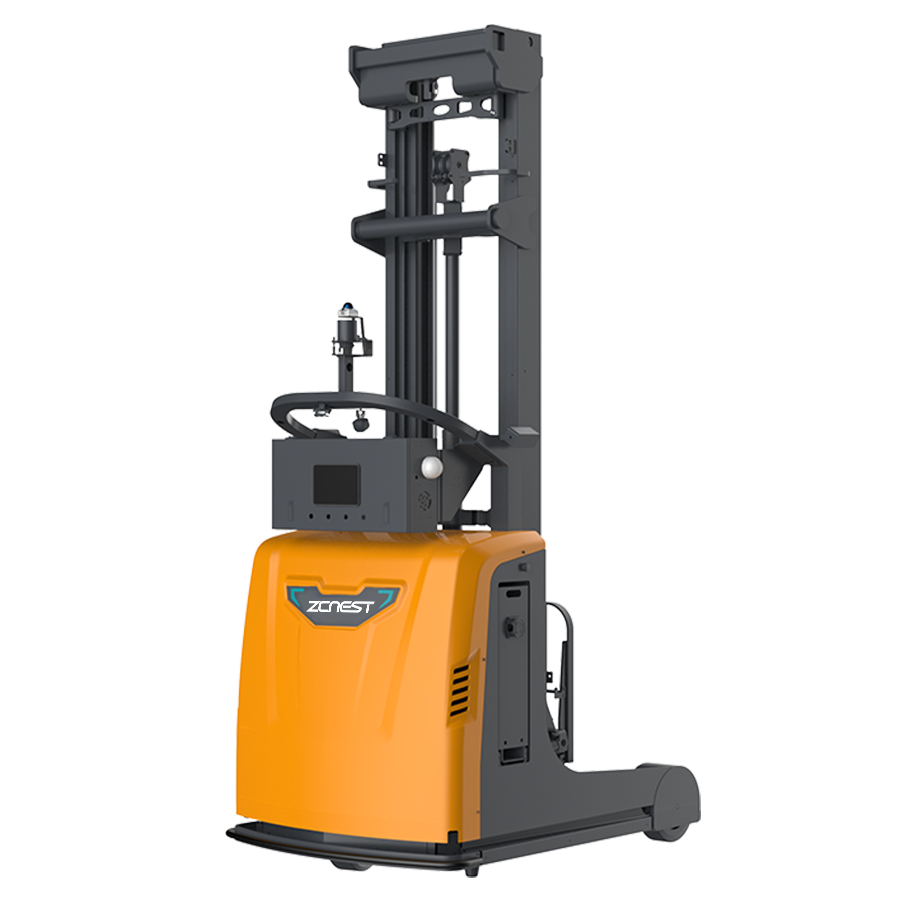
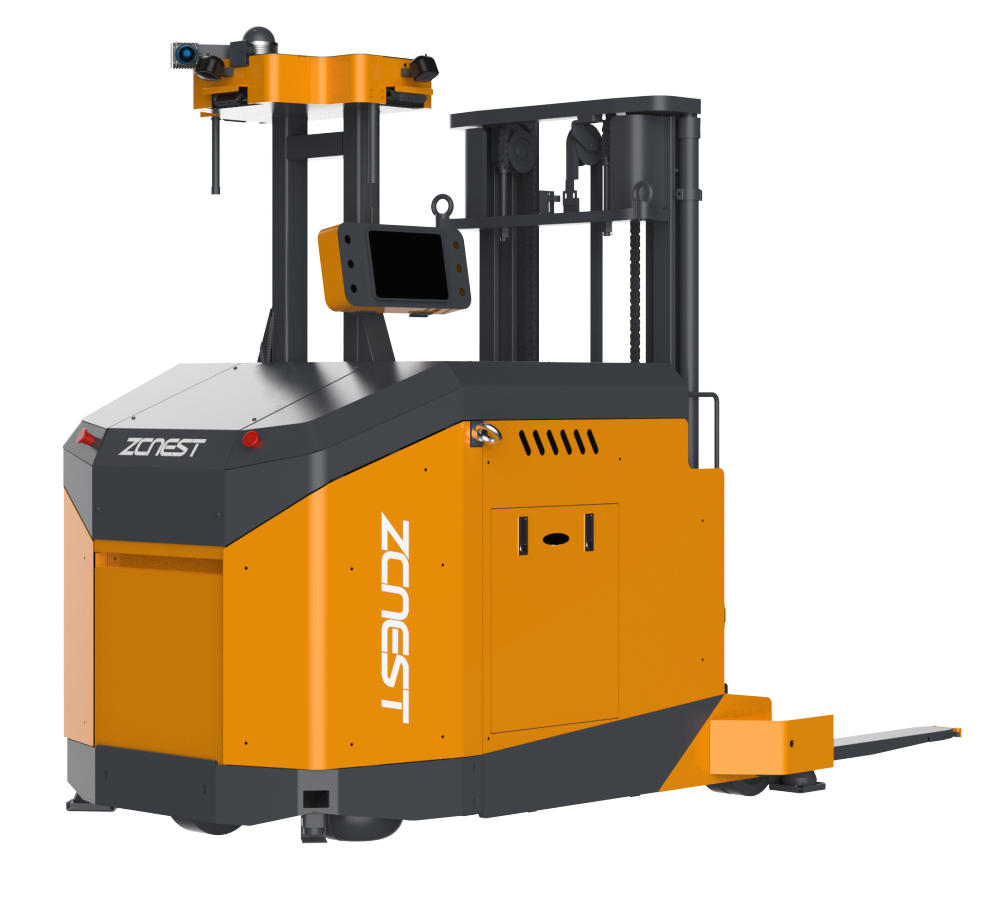
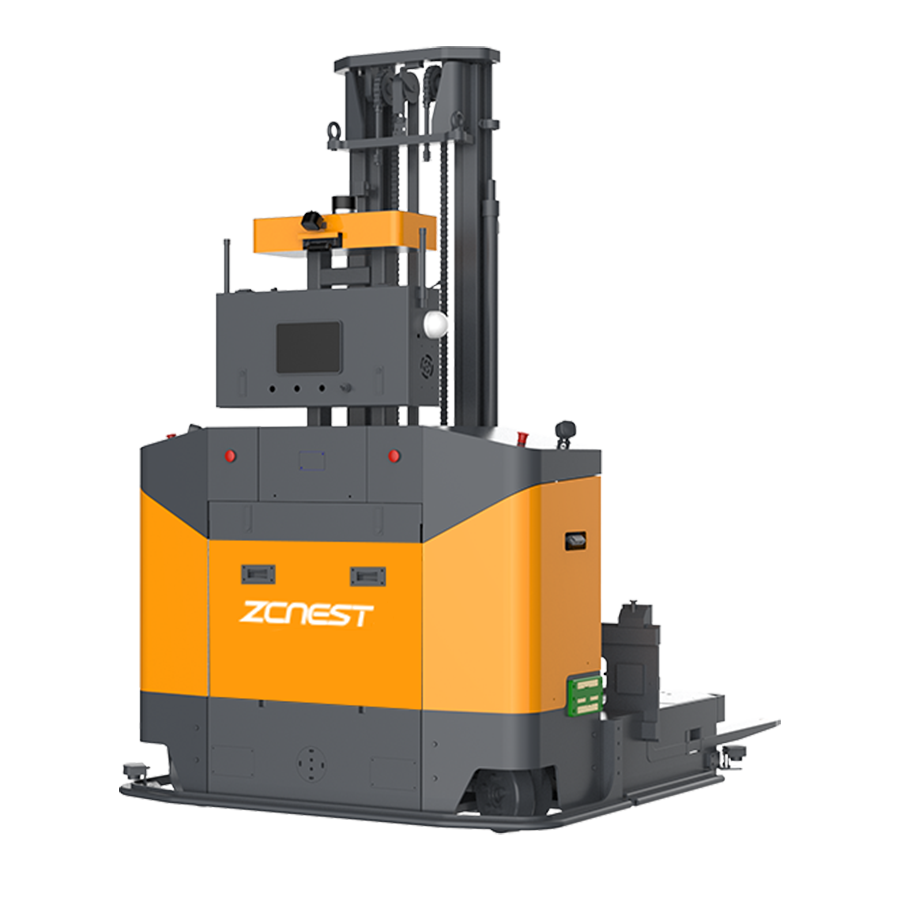
Low-profile AGV pallet trucks
Autonomous counterbalance forklifts
Reach AGV forklifts
Custom-designed container loading AGVs
The correct model depends on container height, pallet type and required load capacity.
Container internal dimensions
Maximum pallet weight
Pallet entry direction
Dock leveler specifications
Floor conditions
Required unloading speed
Safety requirements
AGV navigation technology
Can your AGV operate inside 20ft and 40ft containers?
What is the minimum operating height?
Can the vehicle cross dock levelers safely?
How does the system handle misaligned trailers?
What is the average container unloading cycle time?
Do you have container automation case studies?
Can the AGV be customized for my pallet dimensions?
| Evaluation Area | Key Requirement |
|---|---|
| Vehicle Design | Suitable dimensions and load capability |
| Navigation | Reliable positioning in confined spaces |
| Dock Operation | Safe transition between warehouse and trailer |
| Efficiency | Meets required unloading cycle time |
AGV forklifts imported from China can support container loading and unloading applications, but successful deployment requires careful matching between vehicle design, container conditions, dock structure and warehouse workflow.
Before purchasing, companies should request application testing and verify that the supplier has experience with container logistics automation.
FREE ENGINEERING SUPPORT Stop Gambling on Generic Platforms. Get an AGV/AMR Tailored to Your Warehouse.Buying automated guided vehicles involves complex safety standards (CE/ANSI), navigation setups (Laser SLAM), and ERP system integration. Don't risk your factory safety with middle-men. ✓ 100% Direct Factory: Customized payload up to 5 Tons. ✓ Free CAD Simulation: Send us your layout, and our engineers will simulate the optimal AGV routes. ✓ Global Support: Overseas installation guidance & local maintenance partners. |





 Chinese
 English