


When companies consider importing counterbalanced AGVs from China, load capacity is one of the most important evaluation factors.
However, the real performance of a heavy-duty autonomous forklift depends not only on rated capacity, but also on structural design, stability control and operating conditions.
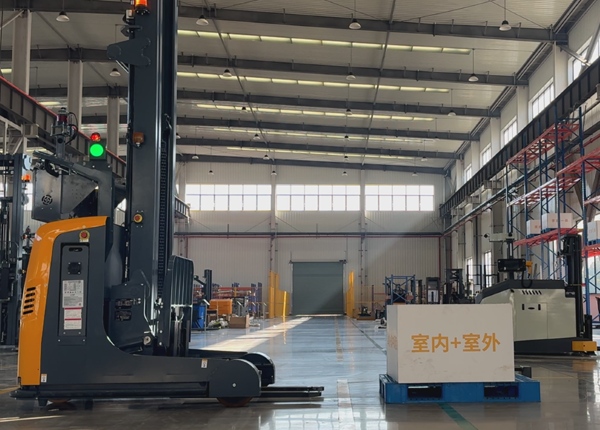
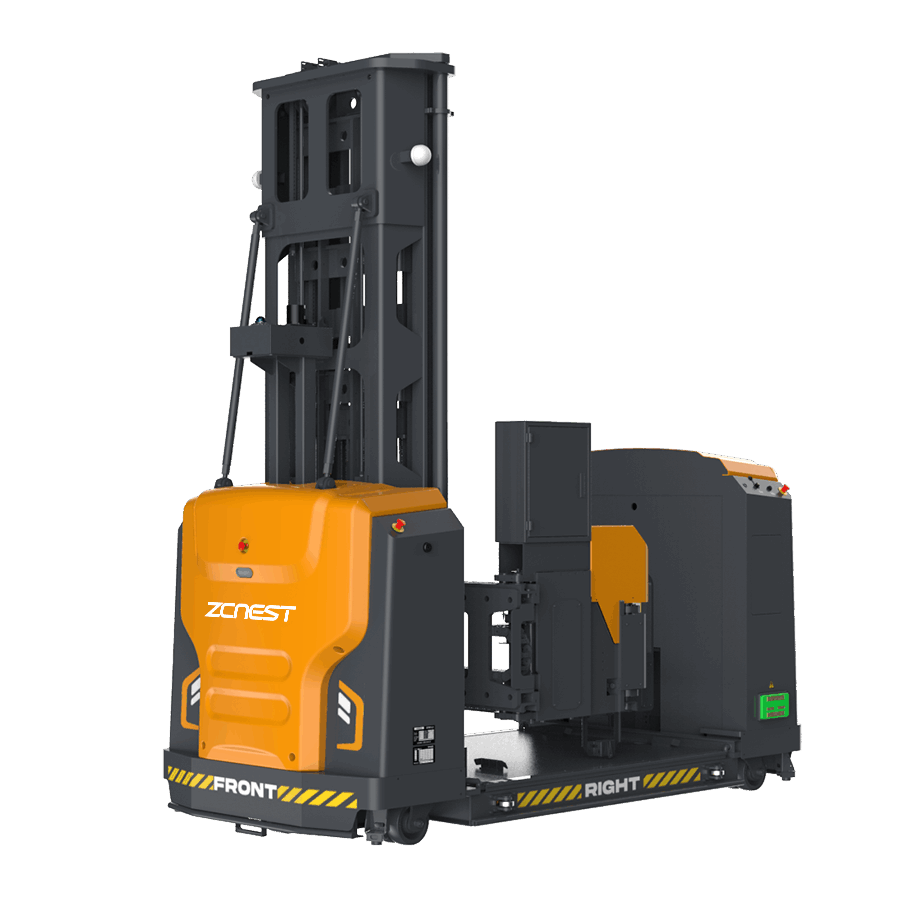
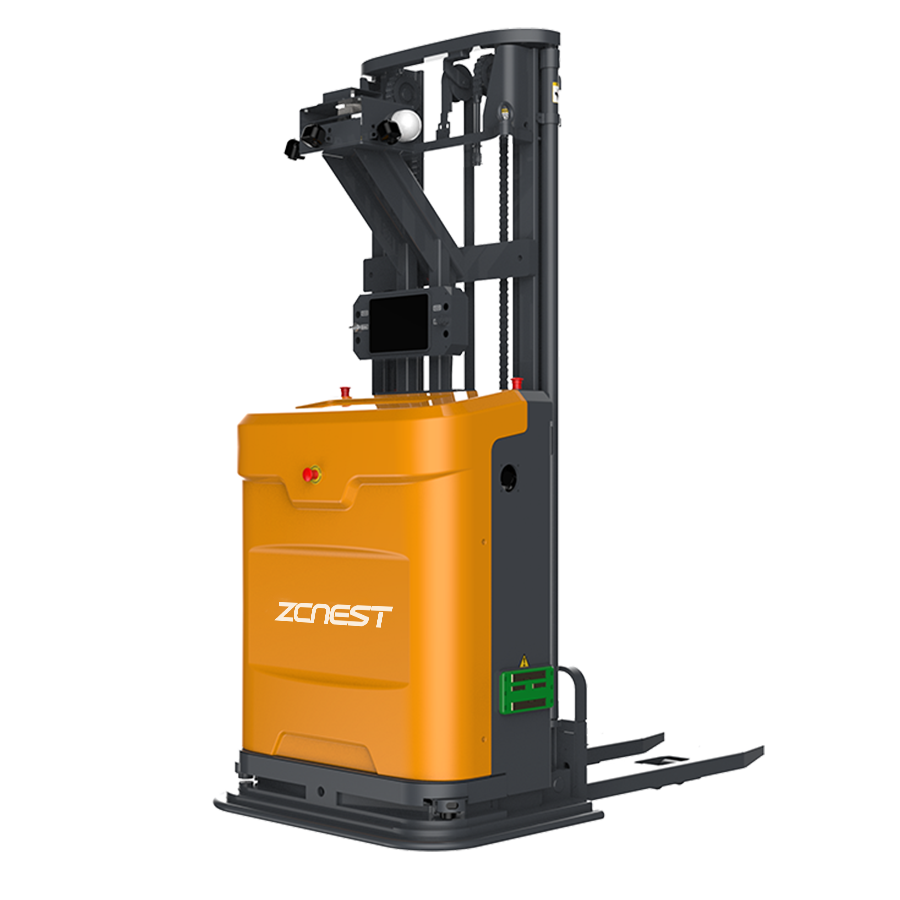
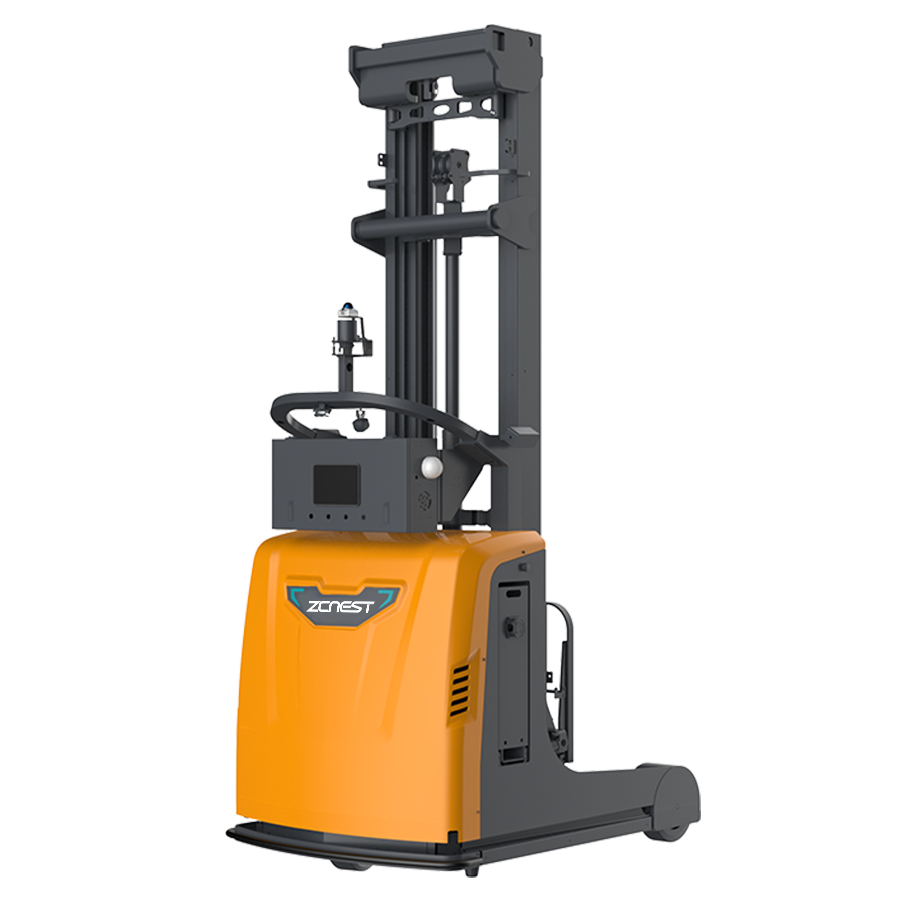
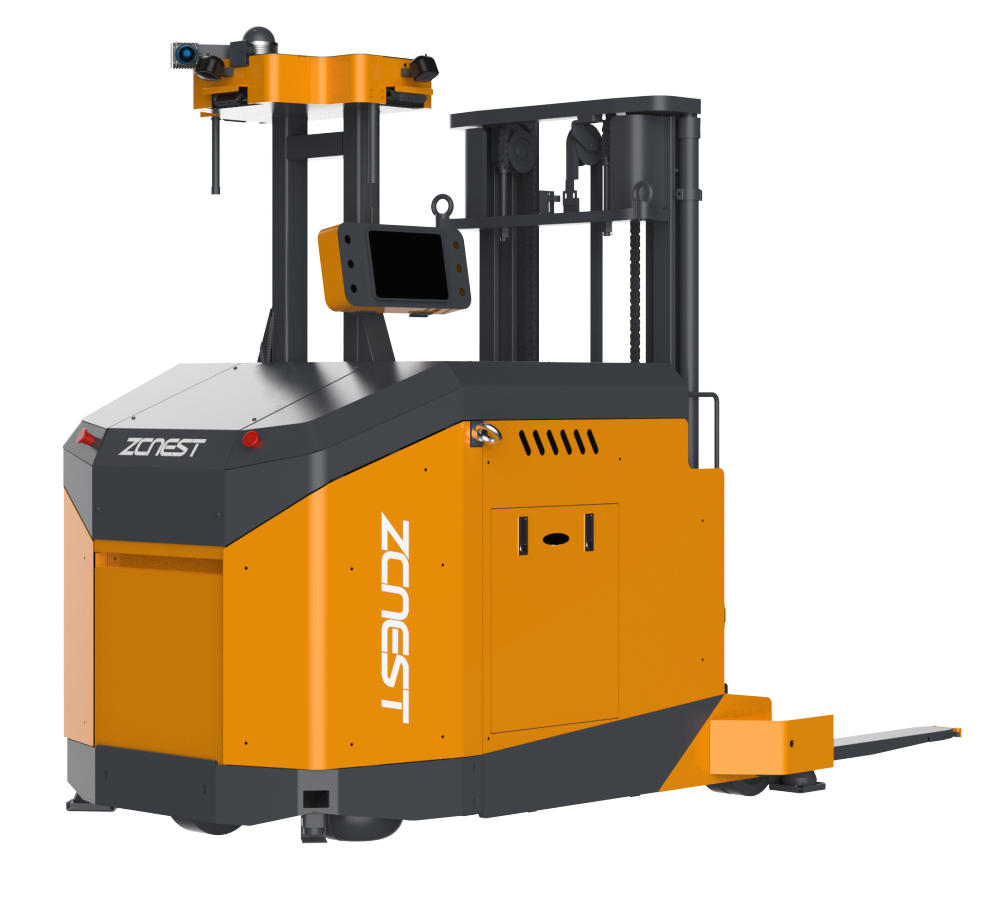
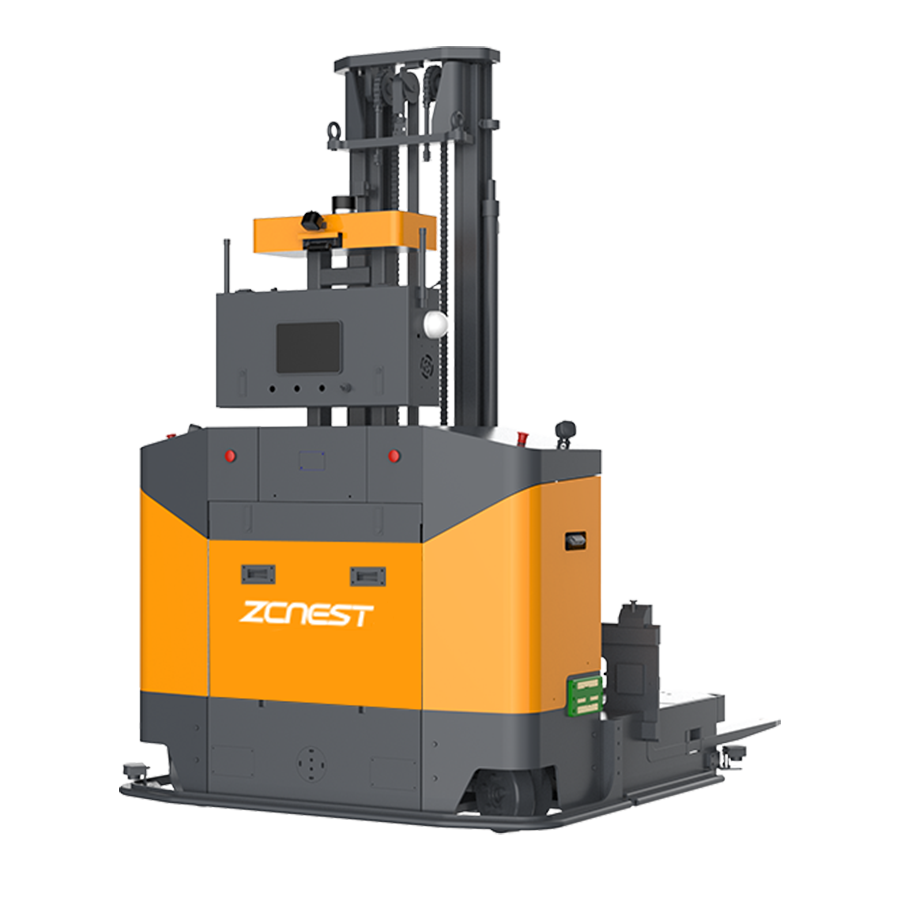
A counterbalanced AGV is an automated version of a traditional forklift. It uses front load handling equipment and rear counterweight design to maintain stability during transportation and lifting.
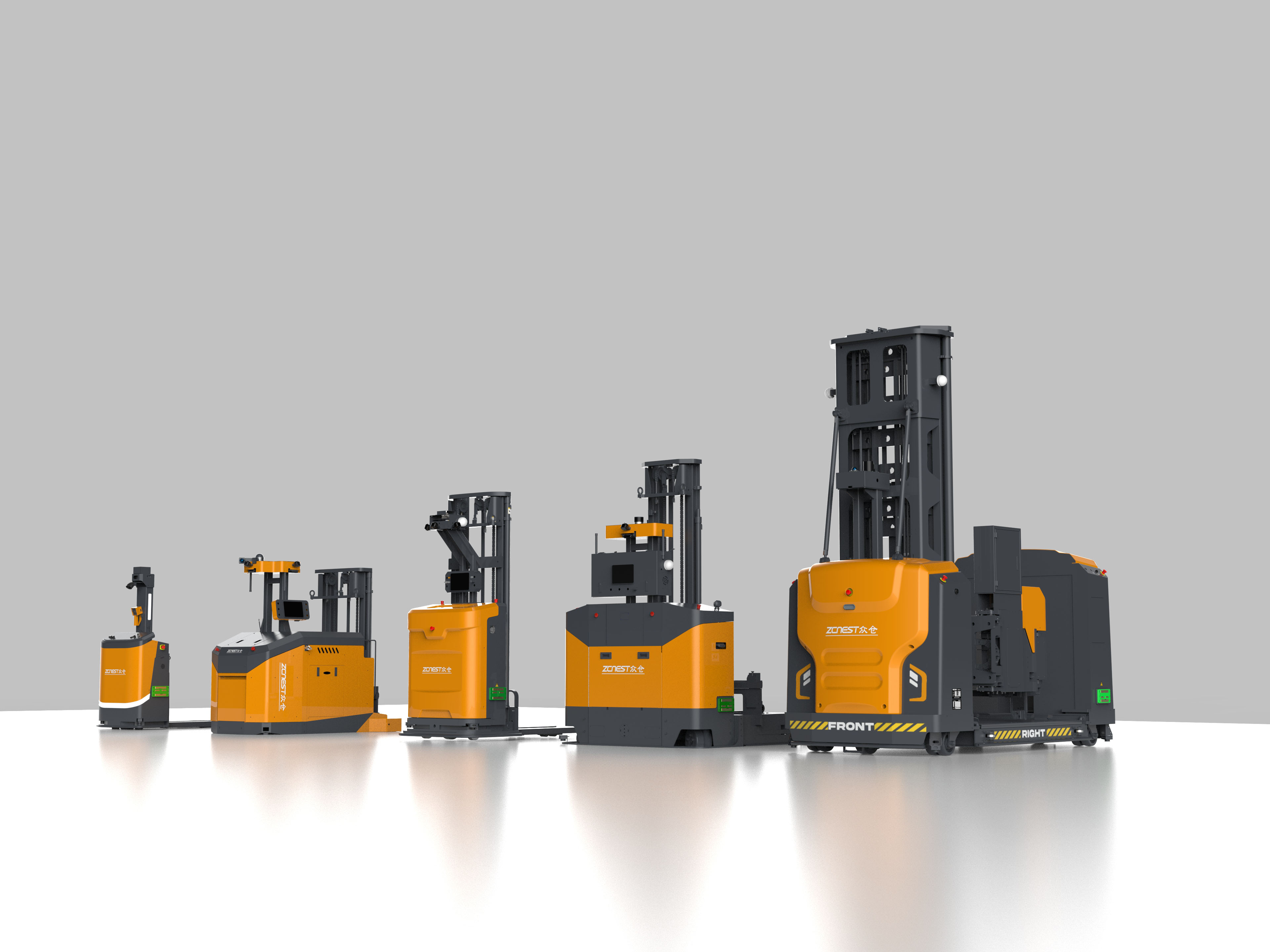
| AGV Type | Typical Capacity |
| Standard Pallet AGV | 1-3 tons |
| Counterbalanced AGV | 3-5 tons |
| Heavy-Duty Forklift AGV | 5 tons or more |
Low center-of-gravity design
Rear counterweight structure
Load detection systems
Automatic speed control
Stability monitoring
Yes. Heavy-duty AGVs usually reduce lifting speed when operating near maximum capacity to protect hydraulic systems and maintain safe load handling.
Rated load capacity
Load center distance
Maximum lifting height
Fork dimensions
Safety protection functions
Industry application experience
From practical warehouse automation projects, selecting an AGV should never be based only on the maximum payload number.
A successful heavy-duty AGV project requires matching capacity, lifting height, warehouse layout and operating environment.
The future of heavy-duty autonomous forklifts will depend on long-term reliability, safety performance and low maintenance requirements rather than simply achieving the highest lifting capacity.
FREE ENGINEERING SUPPORT Stop Gambling on Generic Platforms. Get an AGV/AMR Tailored to Your Warehouse.Buying automated guided vehicles involves complex safety standards (CE/ANSI), navigation setups (Laser SLAM), and ERP system integration. Don't risk your factory safety with middle-men. ✓ 100% Direct Factory: Customized payload up to 5 Tons. ✓ Free CAD Simulation: Send us your layout, and our engineers will simulate the optimal AGV routes. ✓ Global Support: Overseas installation guidance & local maintenance partners. |





 Chinese
 English