


However, electricity cost is only one part of the total cost of ownership. Battery management, charging strategy and fleet efficiency also affect the overall ROI.
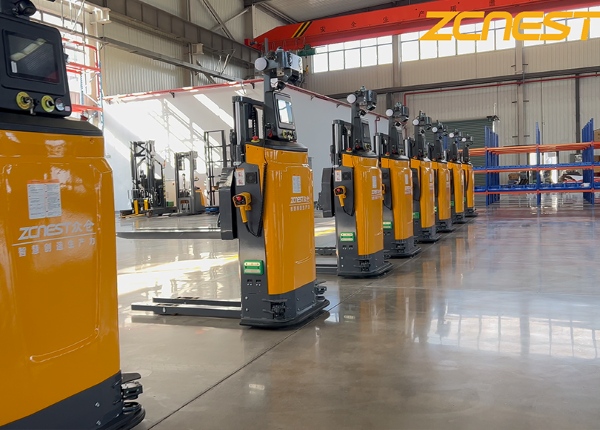
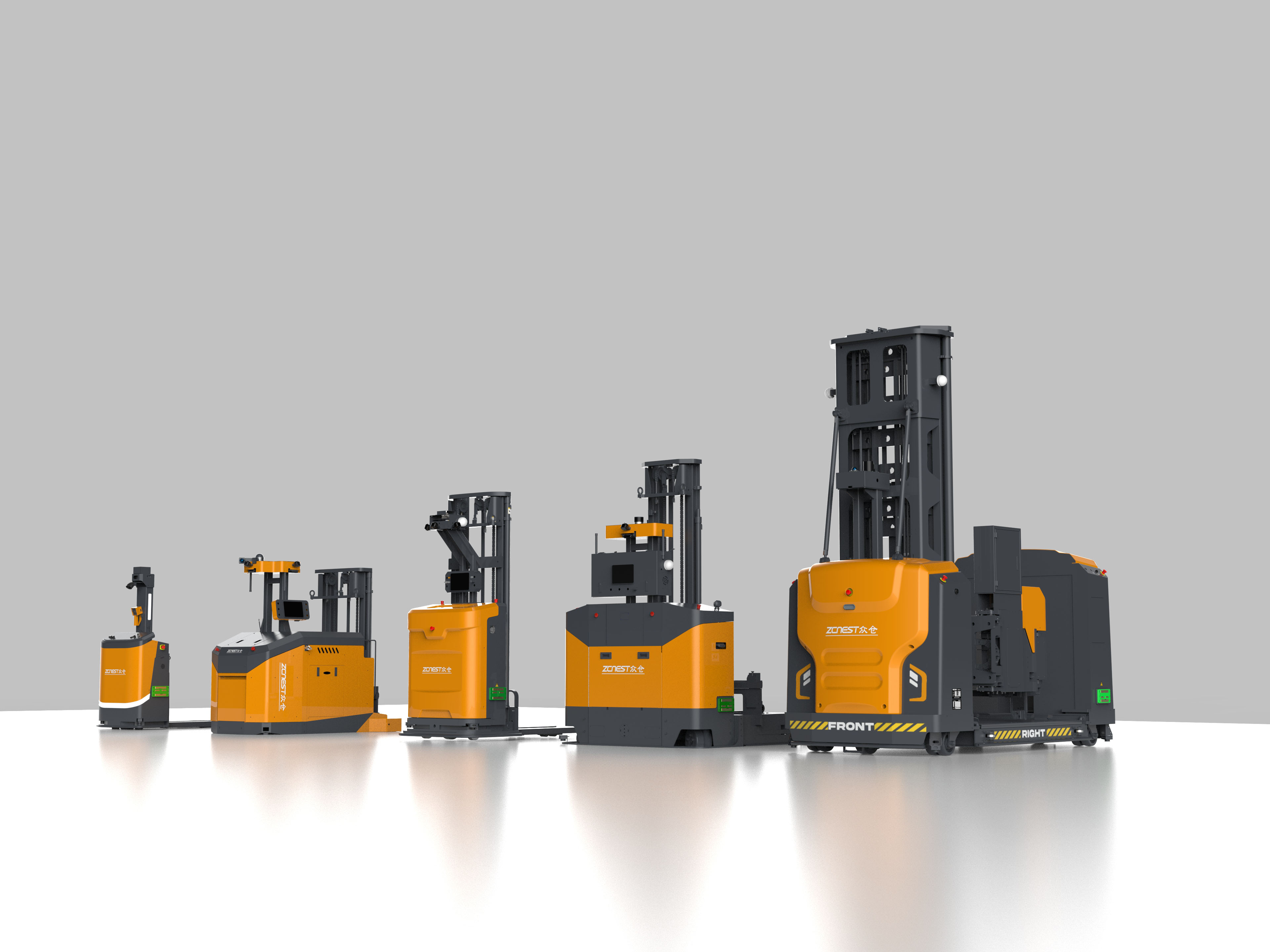
AGV energy consumption depends on vehicle type, payload, working hours, travel distance and lifting frequency.
| AGV Type | Typical Energy Range |
| AMR Transport Robot | 2-6 kWh per shift |
| Pallet AGV | 5-12 kWh per shift |
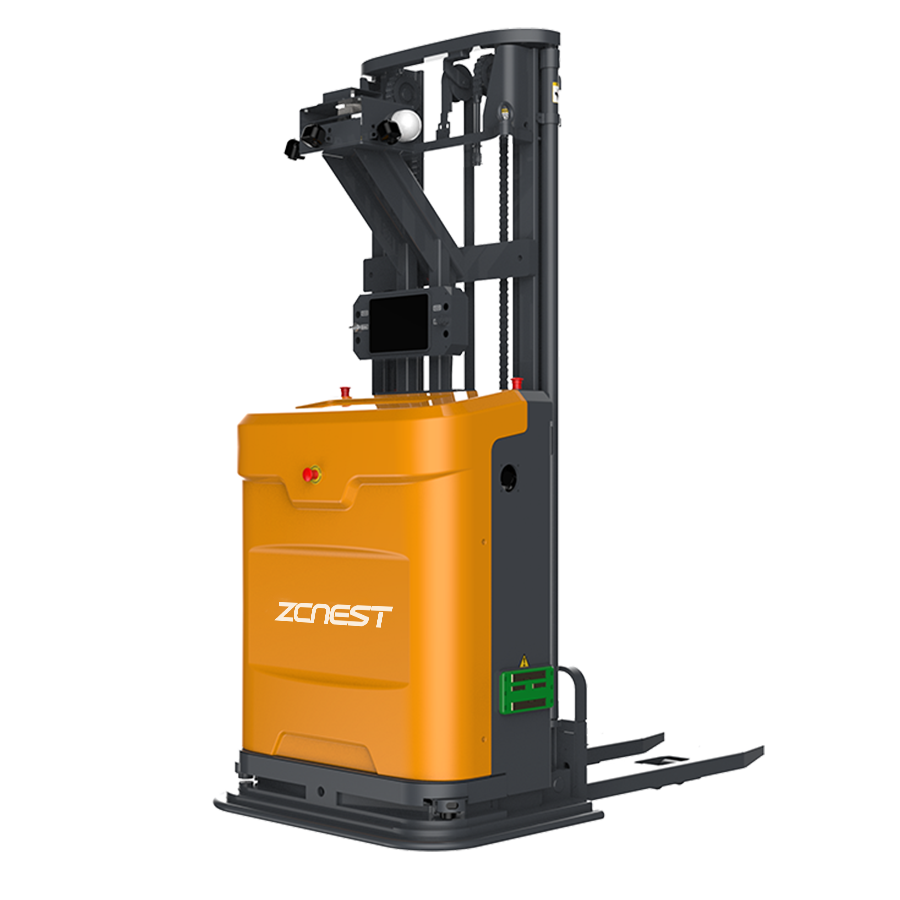
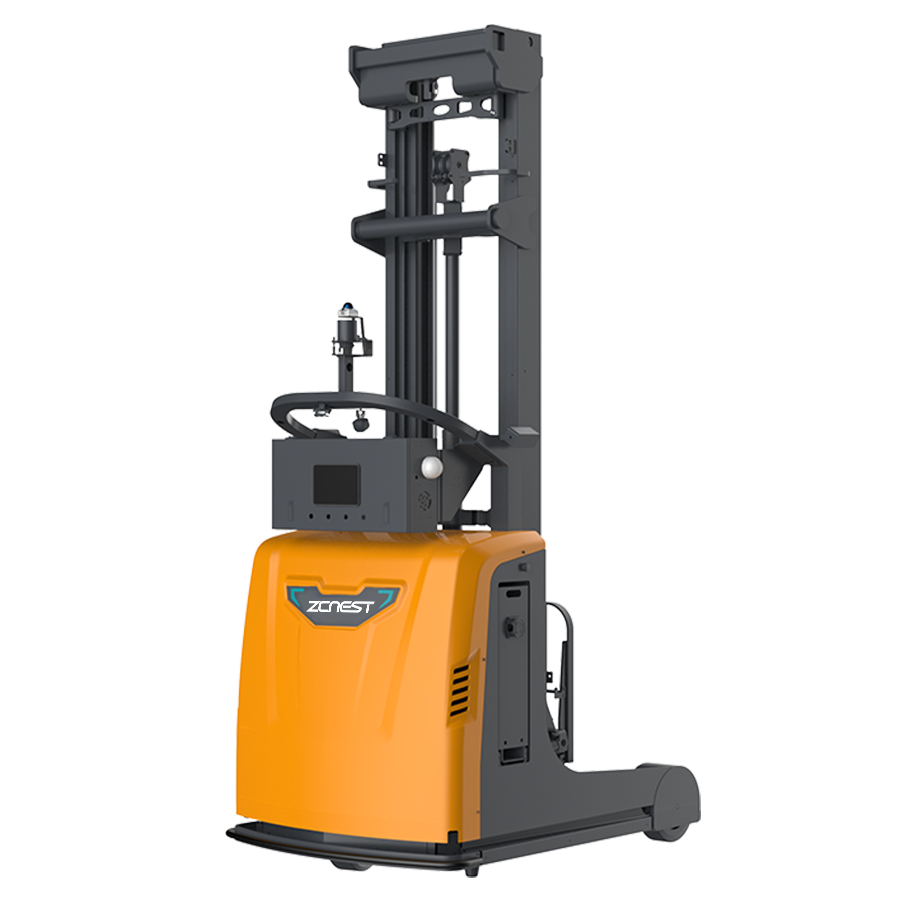
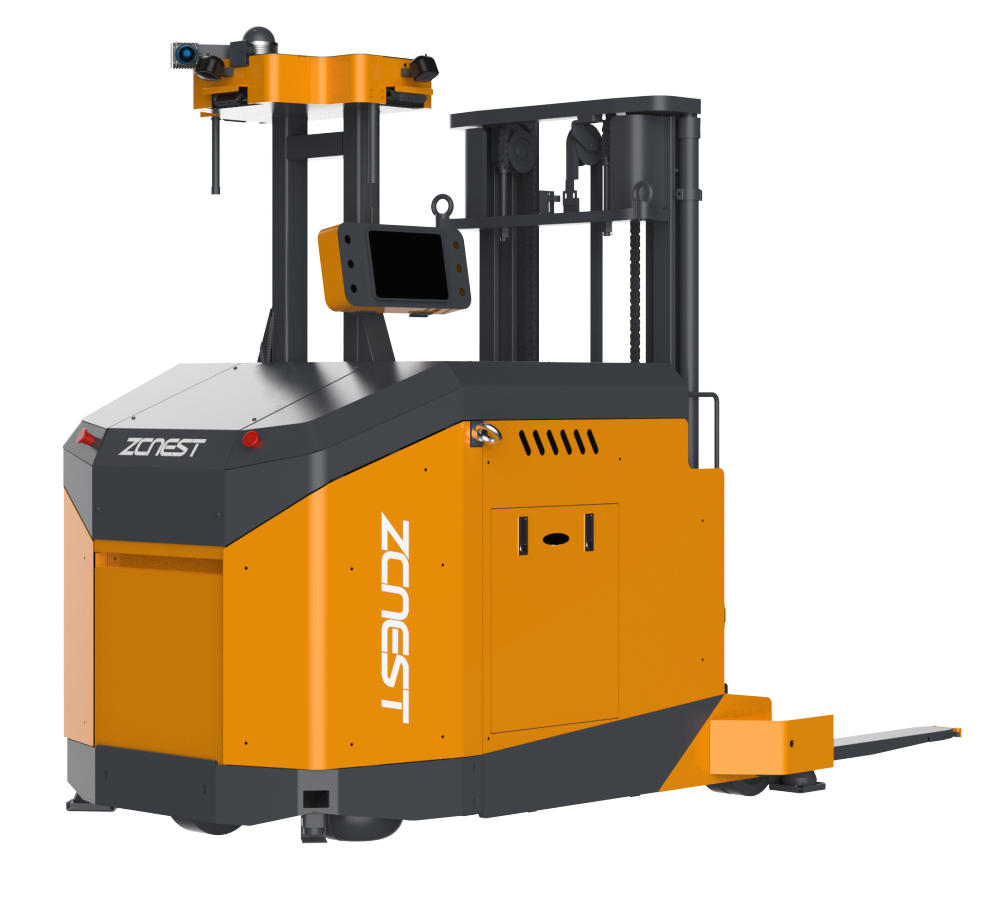
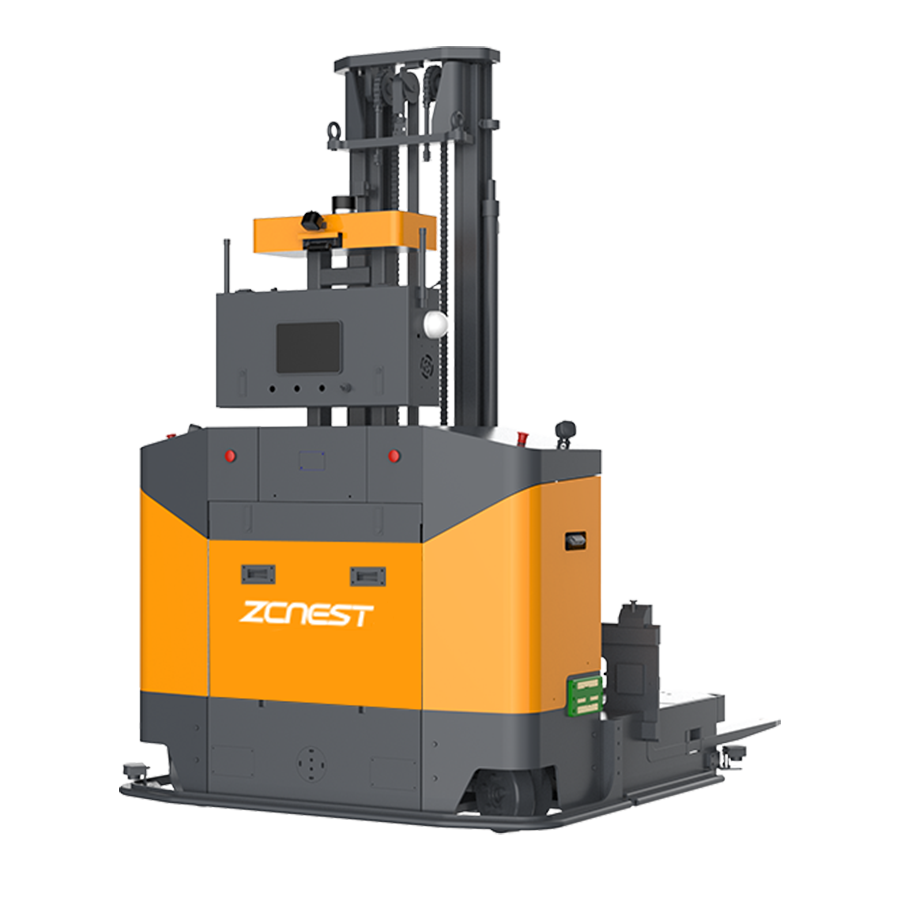
| Forklift AGV | 10-25 kWh per shift |
Fast charging does not significantly increase total energy consumption. The main difference is charging power demand and possible peak electricity charges.
Charge during off-peak electricity hours
Balance charging between multiple AGVs
Monitor battery health
Reduce unnecessary charging cycles
Most industrial Chinese AGVs use lithium iron phosphate batteries because of their long cycle life, safety characteristics and suitability for opportunity charging.
Battery capacity
Daily charging frequency
Electricity price
Operating hours
Fleet utilization rate
From practical warehouse automation projects, electricity is rarely the largest operating cost of AGVs.
The biggest value comes from improving labor efficiency, reducing downtime and increasing warehouse productivity.
Future AGV systems will compete not only through hardware performance but also through intelligent energy management, battery optimization and lower long-term operating costs.
FREE ENGINEERING SUPPORT Stop Gambling on Generic Platforms. Get an AGV/AMR Tailored to Your Warehouse.Buying automated guided vehicles involves complex safety standards (CE/ANSI), navigation setups (Laser SLAM), and ERP system integration. Don't risk your factory safety with middle-men. ✓ 100% Direct Factory: Customized payload up to 5 Tons. ✓ Free CAD Simulation: Send us your layout, and our engineers will simulate the optimal AGV routes. ✓ Global Support: Overseas installation guidance & local maintenance partners. |





 Chinese
 English