

Buying an unmanned forklift from China involves more than comparing product prices. An overseas buyer is also selecting a technology supplier, engineering partner, software provider and long-term service partner.
A manufacturer can have an attractive AGV catalog and still be a poor fit for a specific warehouse project. The better approach is to evaluate the supplier across engineering capability, product configuration, software, testing, documentation, service and commercial responsibility.
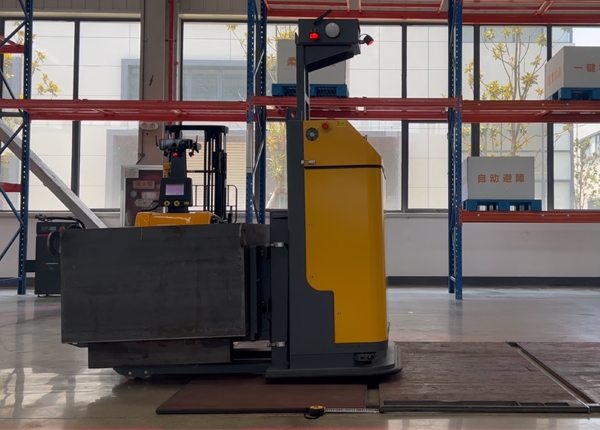
Ask which parts are designed and manufactured internally and which are sourced from external suppliers.
This does not mean every component must be manufactured by the AGV company. Motors, controllers, scanners, batteries and other industrial components may come from specialist suppliers.
The important question is whether the AGV manufacturer controls the overall system engineering.
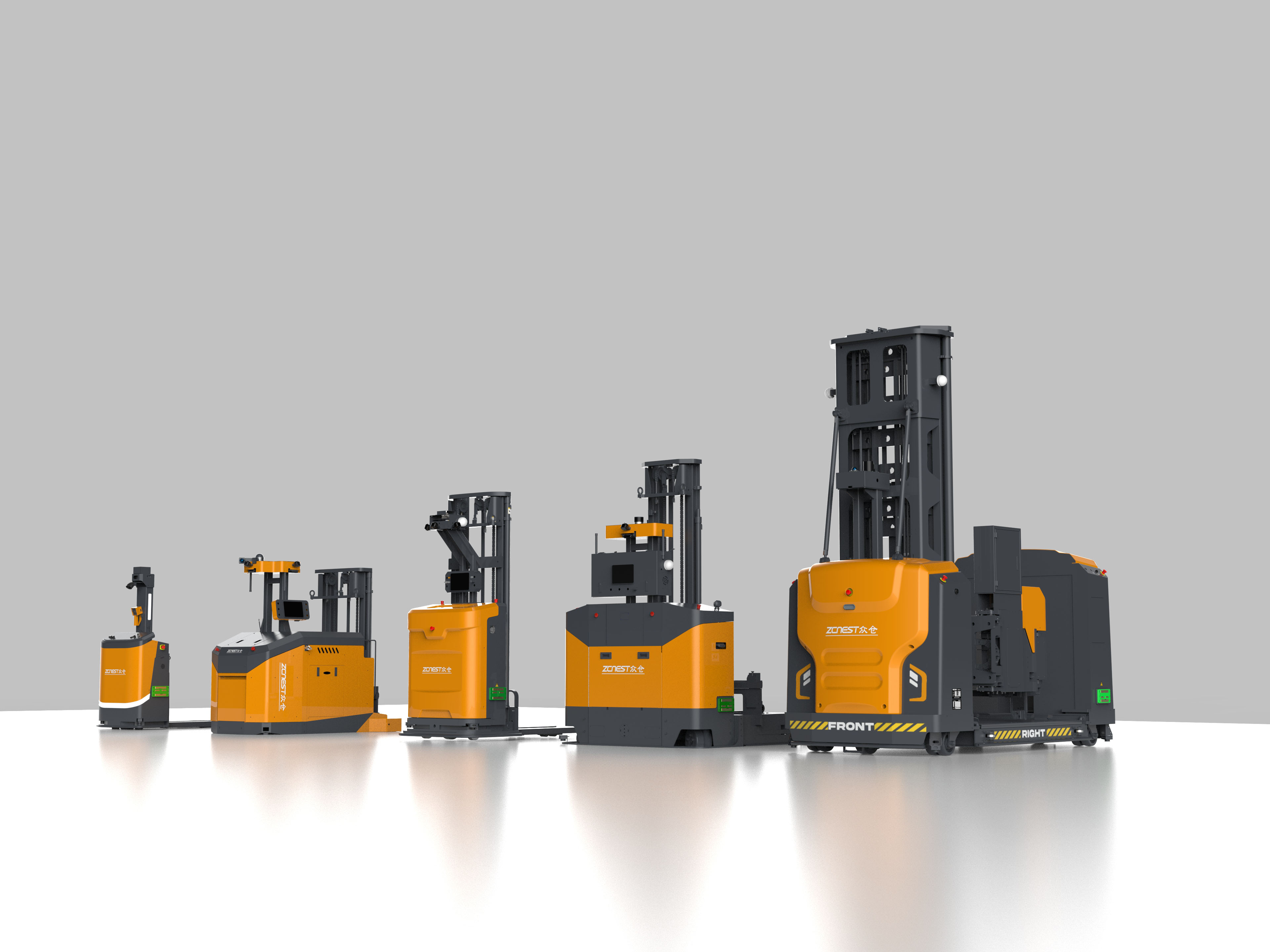
Warehouse projects often require changes to fork dimensions, lift height, chassis configuration, navigation, pallet profiles, safety scanners, software interfaces or environmental protection.
Ask the supplier to distinguish between:
Standard configuration
Configurable software
Optional hardware
Mechanical customization
Software development
Third-party integration
This makes the quotation much easier to understand.
For an overseas warehouse, WMS integration can be just as important as the AGV itself.
The buyer should ask for the API or integration documentation and determine which system is responsible for task creation, task confirmation, pallet identification, location information and exception handling.
Do not accept a statement such as "WMS integration supported" without understanding the actual interface.
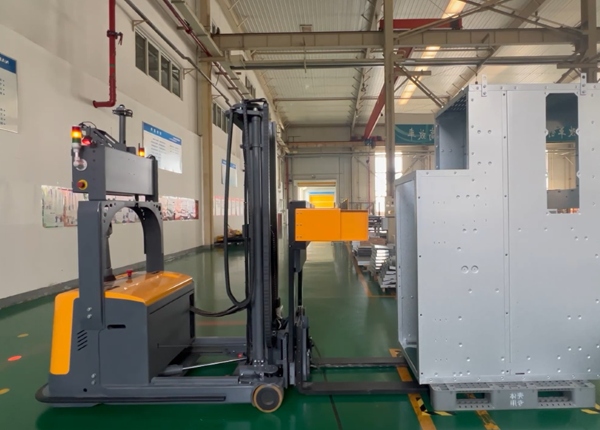
A serious overseas AGV project should include factory testing before shipment.
The buyer should define the FAT scope in advance.
Navigation
Pallet pickup
Pallet placement
Lift operation
Safety scanner response
Emergency stop
Charging
Traffic management
WMS communication
Fault recovery
Remote support
The more measurable the FAT is, the less disagreement is likely to occur after the equipment reaches the customer's warehouse.
"Global support" is too vague for a commercial contract.
Ask exactly how support works.
| Question | Why It Matters |
|---|---|
| Remote support? | Determines how quickly software problems can be diagnosed. |
| Local engineer? | Determines response options for physical problems. |
| Spare parts? | Determines recovery time after hardware failure. |
| Response time? | Creates an objective service expectation. |
| Software updates? | Clarifies long-term software support. |
The most useful customer references are not necessarily the largest installations.
A buyer should look for references with similar payload, pallet type, aisle width, lift height, operating hours, warehouse layout and integration requirements.
A manufacturer with experience in a completely different application may not provide the same level of technical confidence for your project.
The lowest equipment quotation does not necessarily represent the lowest project cost.
Compare what each supplier includes:
Vehicle configuration
Fleet software
WMS integration
Charging equipment
Mapping and commissioning
Training
FAT
SAT
Documentation
Spare parts
Remote support
On-site engineering
This creates a much more meaningful comparison between Chinese unmanned forklift manufacturers.





 Chinese
 English