


For an overseas warehouse importing unmanned forklifts from China, spare-parts planning should begin before the fleet arrives.
Waiting until the first failure occurs can create unnecessary downtime because a replacement component may need to be shipped internationally.
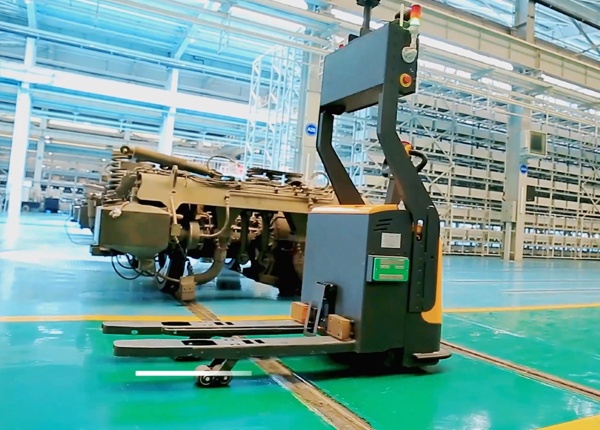
The first category to consider is components subject to normal wear.
Drive wheels
Load wheels
Fork-related wear components
Hydraulic seals where applicable
Filters where applicable
Lubrication materials
The exact inventory should depend on vehicle design, operating hours, floor conditions, payload and manufacturer maintenance recommendations.
Some electronic components can have a major effect on vehicle availability even though they do not normally wear out.
Depending on the vehicle design, these may include sensors, communication modules, controllers, power components and other electronic assemblies.
The buyer should ask the manufacturer which components have the longest replacement lead time.
Not necessarily.
The decision depends on warehouse criticality, fleet size, recovery procedures, spare-parts availability and the acceptable downtime for a failed vehicle.
A large fleet may be able to continue operating when one vehicle is unavailable, while a small fleet supporting a critical process may require a different contingency strategy.
| Information | Why It Matters |
|---|---|
| Part number | Prevents incorrect ordering |
| Applicable model | Ensures compatibility |
| Lead time | Identifies critical long-lead items |
| Replacement procedure | Supports local maintenance |
| Warranty | Clarifies replacement responsibility |
Batteries, electronic components, sensors, seals and other parts may have different storage requirements.
The manufacturer should provide the relevant storage conditions, shelf-life information and inspection requirements where applicable.
A practical spare-parts strategy can divide components into three groups.
Fast-moving wear parts: locally stocked for routine maintenance.
Critical components: stocked according to failure impact and supplier lead time.
Rare major assemblies: normally ordered when required unless warehouse downtime makes local stock necessary.
This approach avoids both extremes: keeping almost no spare parts or purchasing a large inventory that will remain unused.
The initial AGV purchase is often the easiest time to establish the spare-parts package.
The buyer can request part numbers, recommended quantities, prices, warranty conditions and estimated shipping lead times as part of the original quotation.
This gives the warehouse a maintenance plan before the AGVs arrive.











 Chinese
 English




