


When an overseas warehouse receives a quotation for an unmanned forklift from China, the unit price is only one part of the commercial picture. Two suppliers can quote apparently similar AGVs while including very different levels of software, integration, commissioning, spare parts, documentation, and technical support.
For procurement teams, the important question is not simply “How much does the AGV cost?” It is “What exactly am I receiving for that price?”
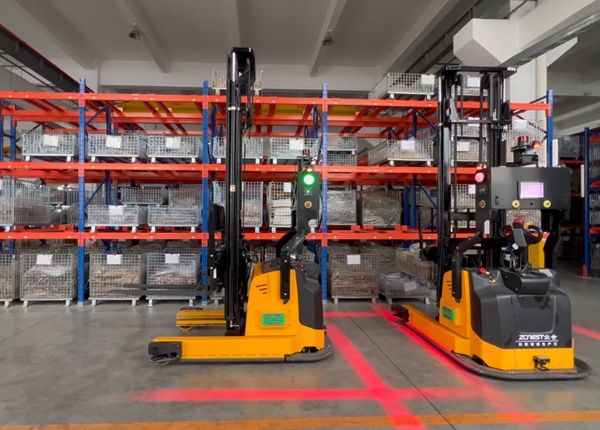
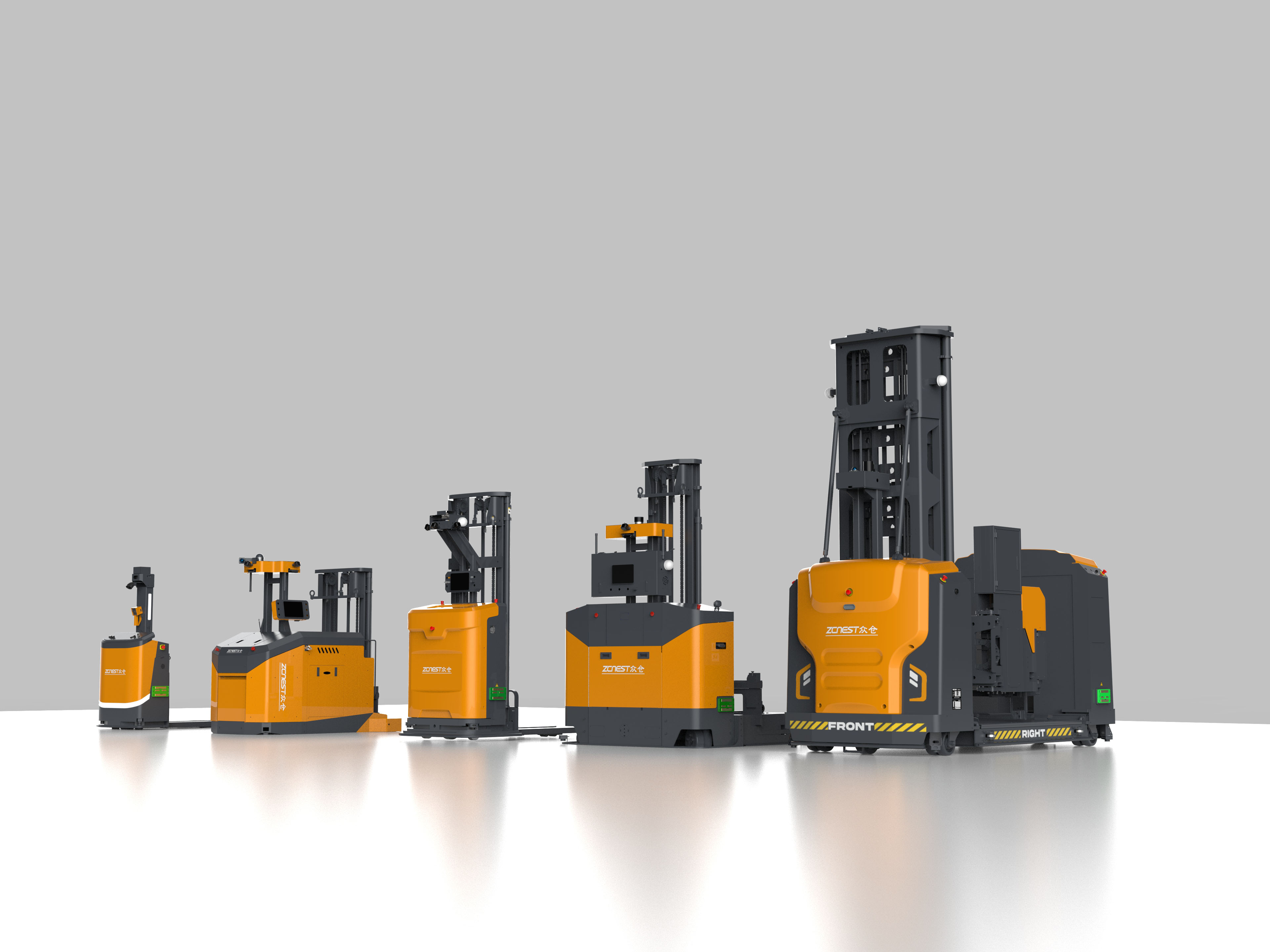
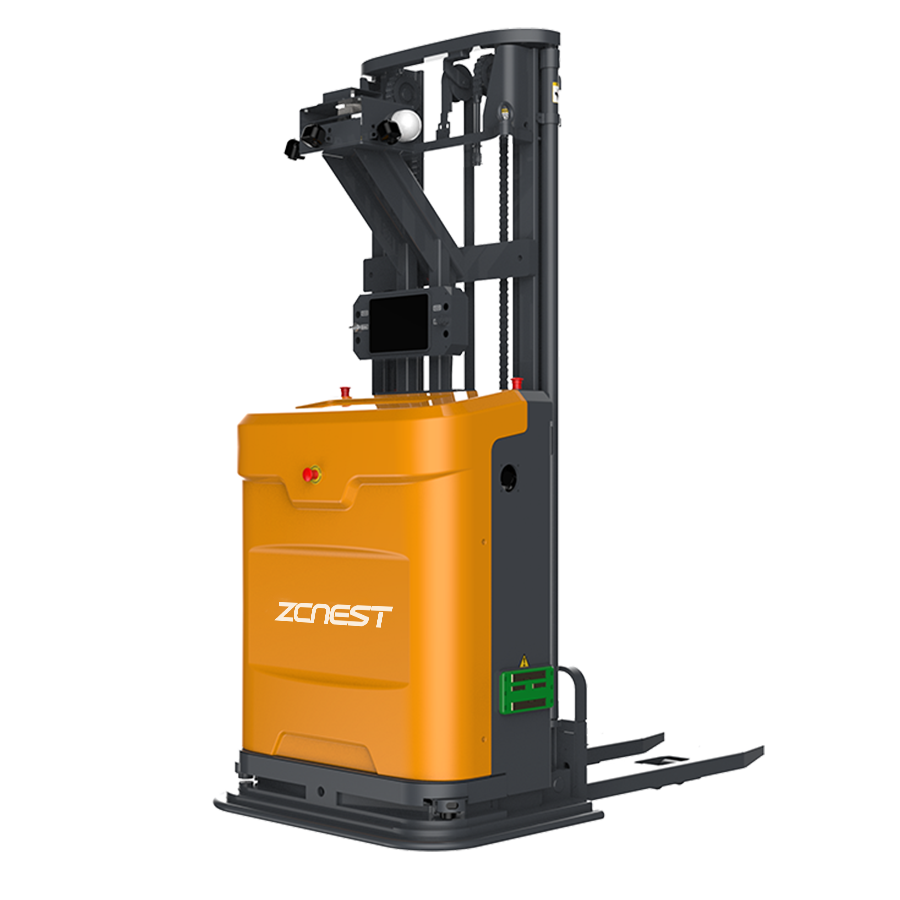
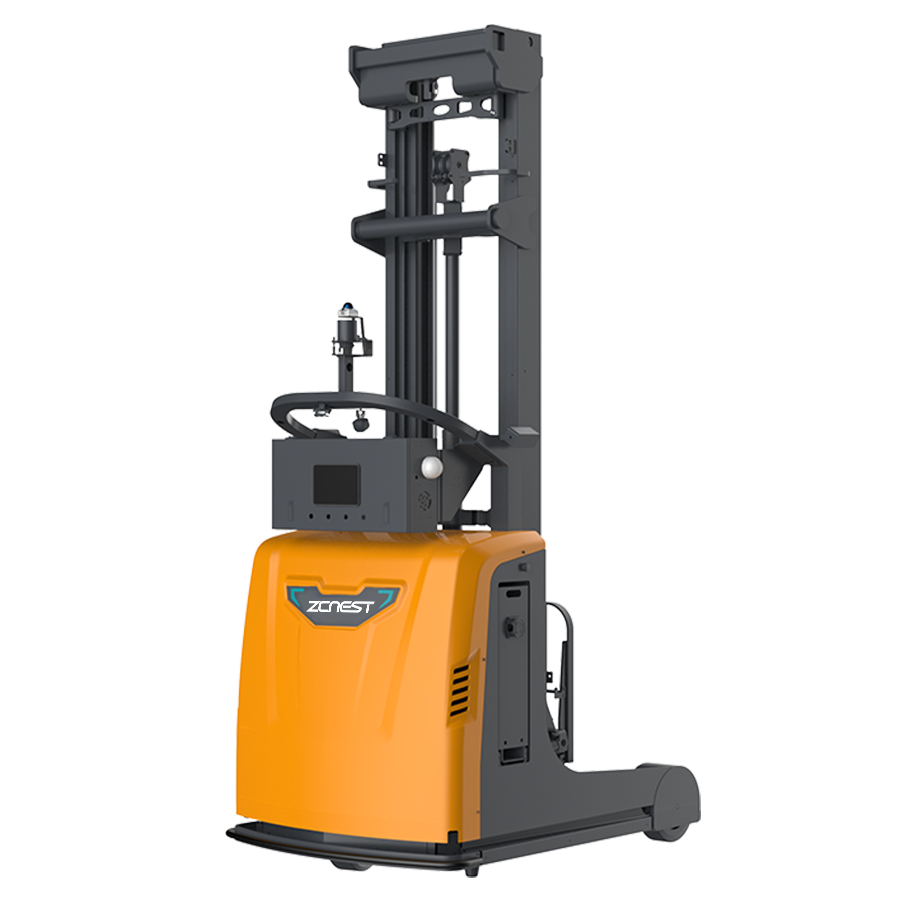
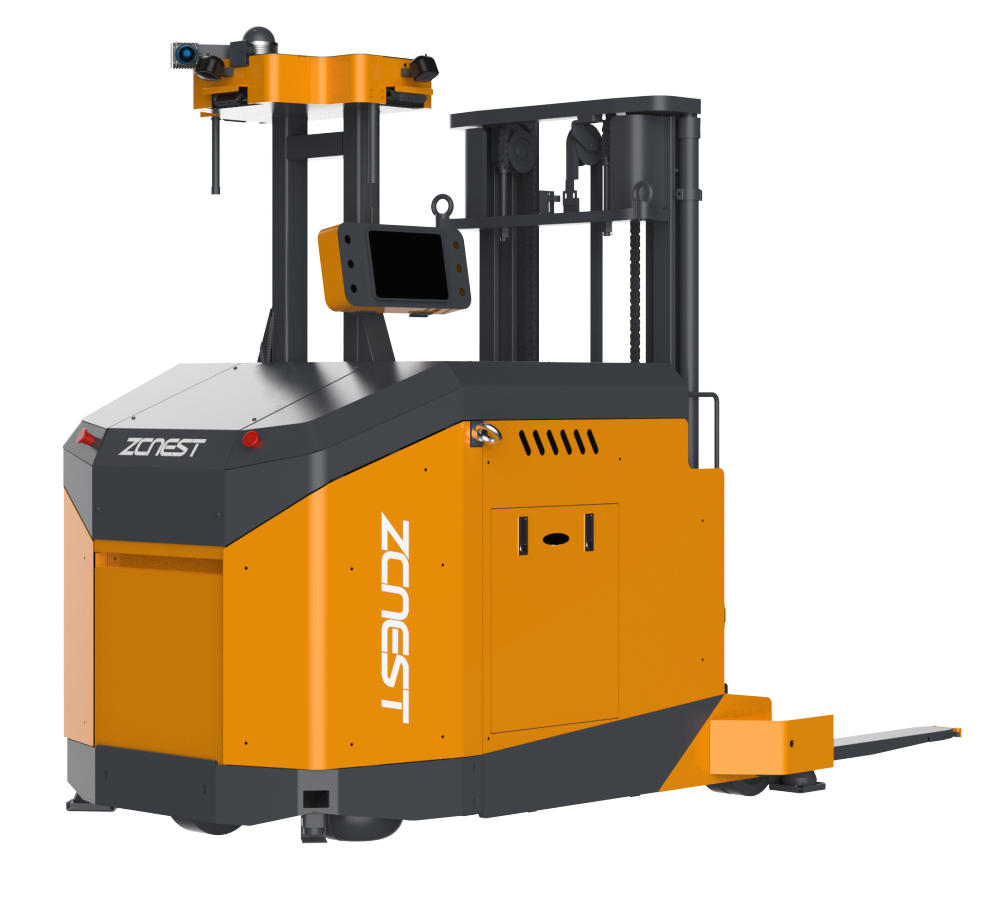
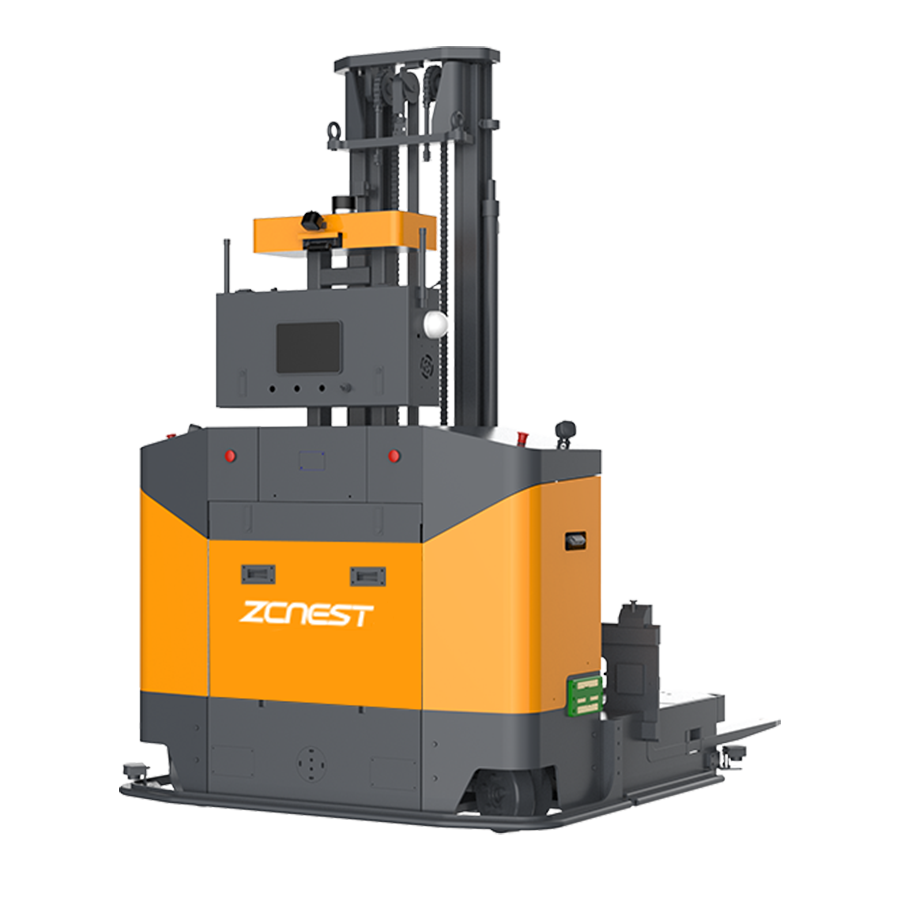
A quotation may include the autonomous forklift itself, but the exact configuration should be checked carefully.
Rated payload and load center
Maximum lifting height
Fork dimensions and adjustment range
Navigation system
Safety scanners and sensors
Battery capacity and chemistry
Charger
Control system
Onboard industrial computer
Communication hardware
A low vehicle price may represent a basic configuration, while another quotation may include additional sensors, a larger battery, software licenses, commissioning tools, and engineering services.
An autonomous forklift fleet normally requires more than the vehicle controller. A fleet management or RCS system may coordinate missions, traffic, vehicle status, charging, routes, and exceptions.
Ask whether the quotation includes:
Fleet management software
Number of vehicle licenses
Server software
Operator interface
Map configuration
Traffic management
Charging management
Alarm and event records
Data export
API access
Also clarify whether the software is purchased permanently, licensed annually, or tied to a service agreement.
A standard autonomous forklift may operate independently, while a commercial warehouse project often requires communication with the customer's WMS, ERP, PLC, conveyor, wrapping machine, or other equipment.
The quotation should identify the integration scope clearly. For example, it should state whether API development, PLC communication, database interfaces, task creation, completion feedback, and exception handling are included.
“WMS integration supported” is not the same as “your WMS integration is included in the quoted price.”
International projects can require engineering work at the warehouse after the equipment arrives.
The quotation should explain whether it includes:
Remote commissioning
On-site mapping
Vehicle parameter configuration
Traffic route configuration
WMS integration testing
Safety function testing
Operator training
FAT support
SAT support
If Chinese engineers will travel to the customer's site, ask whether airfare, accommodation, local transportation, visa expenses, and additional engineering days are included.
For imported autonomous forklifts, transportation can involve export packing, inland transportation, ocean freight, destination charges, customs clearance, local trucking, and unloading.
The buyer should determine whether the quotation is EXW, FOB, CIF, DAP, DDP, or another agreed Incoterm.
Do not compare a FOB quotation directly with a quotation that already includes delivery to your warehouse.
Some suppliers include an initial spare-parts package. Others quote every spare separately.
The commercial document should identify exactly what is included, such as drive wheels, sensors, filters, hydraulic components, fuses, connectors, or other recommended service parts.
An overseas buyer should not evaluate only the physical machine. Documentation is important for installation, maintenance, IT review, safety review, and future service.
Request a document list covering manuals, electrical drawings, mechanical specifications, battery information, software documentation, interface specifications, maintenance instructions, test records, and applicable compliance documentation.
| Item | Supplier A | Supplier B |
|---|---|---|
| AGV vehicle | Included | Included |
| Fleet software | Included | Separate |
| WMS integration | Included | Separate |
| On-site commissioning | Included | Optional |
| Spare parts | Included | Separate |
| Shipping | FOB | DAP |
This type of comparison often explains a price difference more accurately than comparing the AGV unit price alone.
An experienced procurement team should ask suppliers to list exclusions as well as inclusions.
Typical exclusions may include warehouse modifications, electrical installation, network infrastructure, rack modifications, WMS development, customs charges, local unloading, additional commissioning days, or third-party equipment integration.
The purpose is not to force every item into the equipment price. The purpose is to understand the complete commercial scope before issuing the purchase order.
For an overseas unmanned forklift project, a useful quotation should normally identify the vehicle configuration, software, integration, engineering, documentation, spare parts, packaging, shipping terms, payment milestones, warranty, and exclusions.
Once every supplier uses the same scope, procurement can compare proposals based on actual project cost and technical coverage rather than the headline AGV price.





 Chinese
 English