


WAREHOUSE INTERFACE DESIGN
A reliable pallet handover point connects automated transport with storage, conveyors, packing areas, and manual operations. Learn how to define station dimensions, pallet presentation, access, and transfer confirmation.
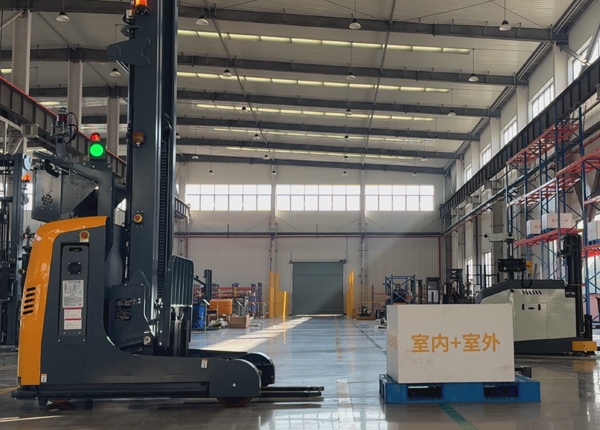
An AGV forklift can travel accurately and still fail to complete a task if a pallet is presented in the wrong position, the receiving area is occupied, or the next piece of equipment is not ready. These problems often originate at the handover point rather than along the travel route.
A pallet transfer station should be designed as an operating interface. It needs to define how a load arrives, how the vehicle approaches, where the pallet is placed or collected, and how the system confirms that the transfer is complete.
Start by identifying the process served by each station. A receiving buffer may accept incoming pallets from manual forklifts, while a conveyor interface may transfer pallets between automated transport and downstream equipment. A dispatch staging point may require several pallets to wait for shipment preparation.
For each station, document:
The type and dimensions of loads handled.
The expected pallet arrival rate and peak demand.
The equipment or people responsible for the upstream and downstream steps.
The available staging capacity and rules for occupied positions.
The confirmation required before the next transport task begins.
Do not assume that one station design will suit every area. Receiving, storage, replenishment, and outbound operations may have different load presentation and access requirements.
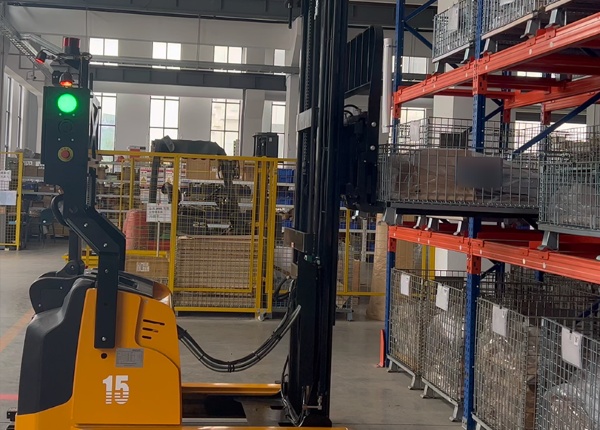
The station must present pallets in a condition the selected AGV forklift can handle. Confirm the pallet dimensions, fork-entry direction, load overhang, bottom-board condition, and allowable variation. If several pallet types are used, document which types are permitted at each station.
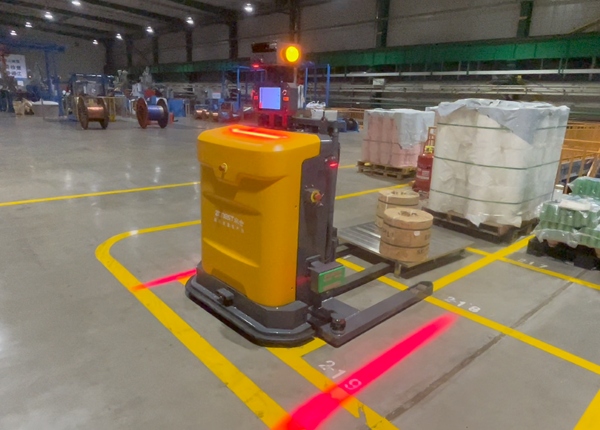
Define the intended pallet position and orientation. Where guides, stops, marked floor positions, or mechanical locating features are used, ensure they are compatible with the vehicle and do not create a collision or trapping hazard.
For unstable loads, damaged pallets, or loads with irregular dimensions, establish an inspection and exception process. A station should not assume that every arriving pallet is suitable for automatic pickup.
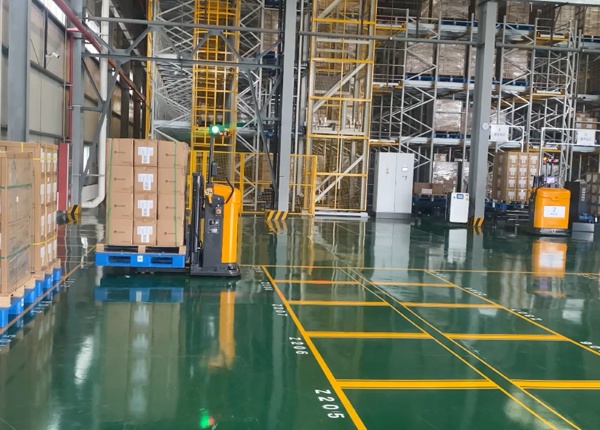
Evaluate the full vehicle movement into and out of the station. The required space depends on the forklift model, load dimensions, approach method, and alignment requirements. A station that fits on a drawing may still be difficult to use if nearby pallets, rack ends, columns, or pedestrian routes restrict access.
Mark the vehicle's approach path, stopping position, pickup or deposit position, and departure route on the layout. Verify clearances with the selected vehicle specifications and validate the arrangement under actual site conditions.
Also consider what happens when the station is occupied. The system needs a defined response if a pallet is not ready, a receiving position is full, or another vehicle is using the interface. Waiting vehicles should not block critical aisles or emergency access.
Where the station connects to a conveyor, lift, automated storage system, or other equipment, define the mechanical and control interfaces before installation. Confirm the usable transfer height, pallet support surface, positioning tolerances, and any required interlocks.
Specify the sequence for requesting a transfer, confirming that the receiving equipment is ready, placing or collecting the load, and releasing the station. Agree on which system owns each signal and what happens when confirmation is missing or contradictory.
Do not rely on a successful network connection as proof that the interface is operational. Test the complete sequence, including occupied stations, delayed responses, interrupted transfers, and recovery after an equipment fault.
A station may work well at average volume but become a bottleneck during a busy shift. Estimate the expected arrival rate, the time required to complete a transfer, and the available staging positions.
Review whether several vehicles may arrive at once and how the system manages waiting tasks. If a station feeds a downstream process with limited capacity, adding more upstream transport may simply increase the queue.
Where additional staging space is considered, verify that it does not obstruct routes or create confusion about which pallet belongs to which task. Each position should have a clear identity and a defined operating rule.
Determine whether people, manual forklifts, AGV forklifts, and other equipment will use the same transfer area. Identify potential conflicts and establish the controls required by the site's risk assessment and applicable regulations.
Document who may place or remove pallets manually, when a station can be accessed, and how maintenance or fault recovery is performed. If a station requires manual intervention, the procedure should define how the automated system is paused or made safe before the work begins.
Test representative pallets and realistic operating conditions. Include a correctly presented pallet, a misaligned pallet, an occupied station, a missing load, and a delayed downstream confirmation. Verify both the physical transfer and the status reported by the control system.
LOAD — Permitted pallet types and presentation are documented.
POSITION — Approach, alignment, and placement have been validated.
CAPACITY — Staging and queue rules are defined.
INTERFACE — Equipment-ready and transfer-complete signals are tested.
SAFETY — Access, intervention, and recovery procedures are approved.
Record the results and resolve critical issues before the station is released for routine operation. Any later change to station dimensions, pallet type, or connected equipment should trigger a review of the affected handling process.
A transfer station is successful only when the pallet can be presented, handled, confirmed, and released consistently. Plan the mechanical layout and the control sequence together to avoid turning a simple handover into a recurring bottleneck.
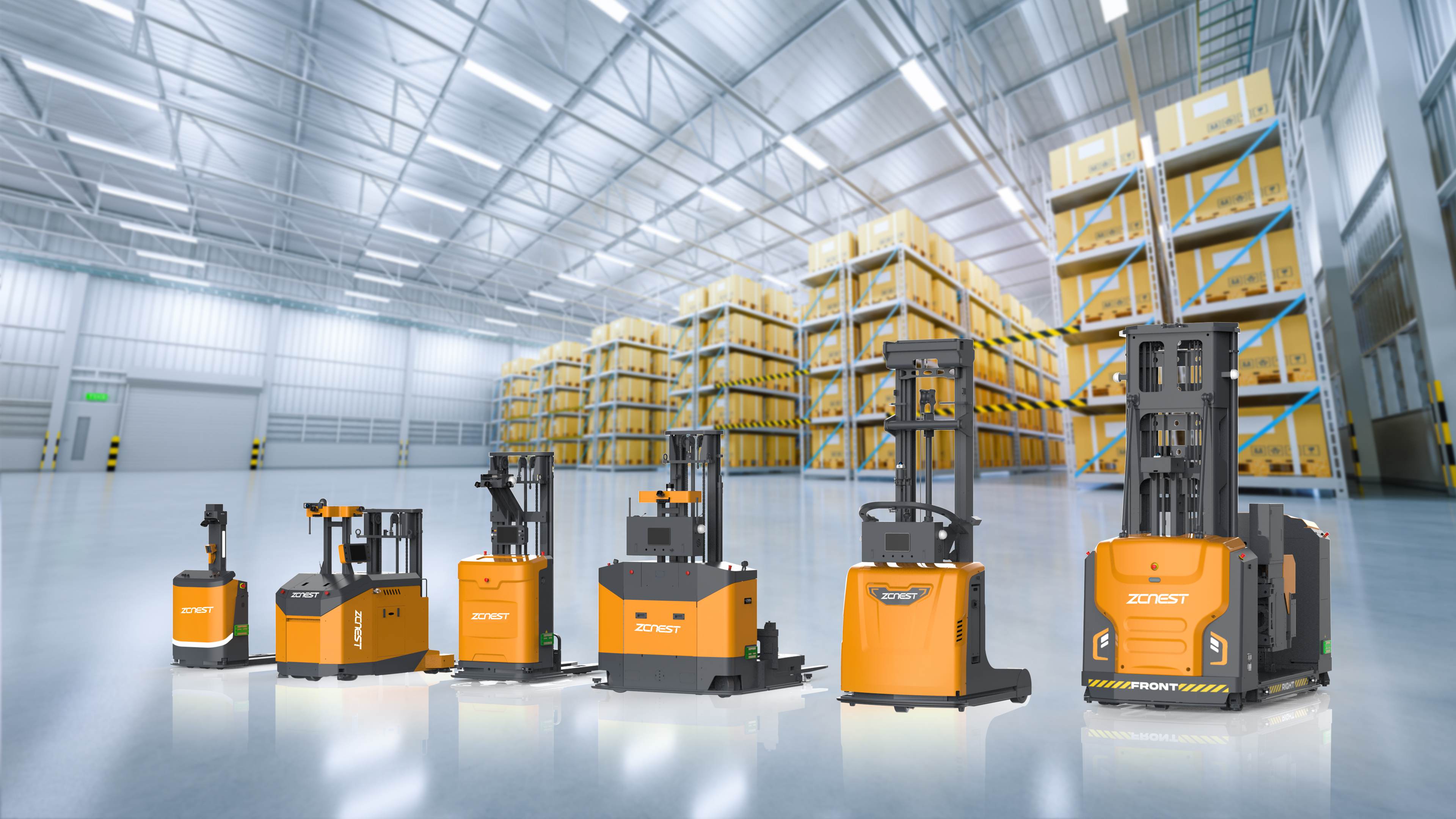
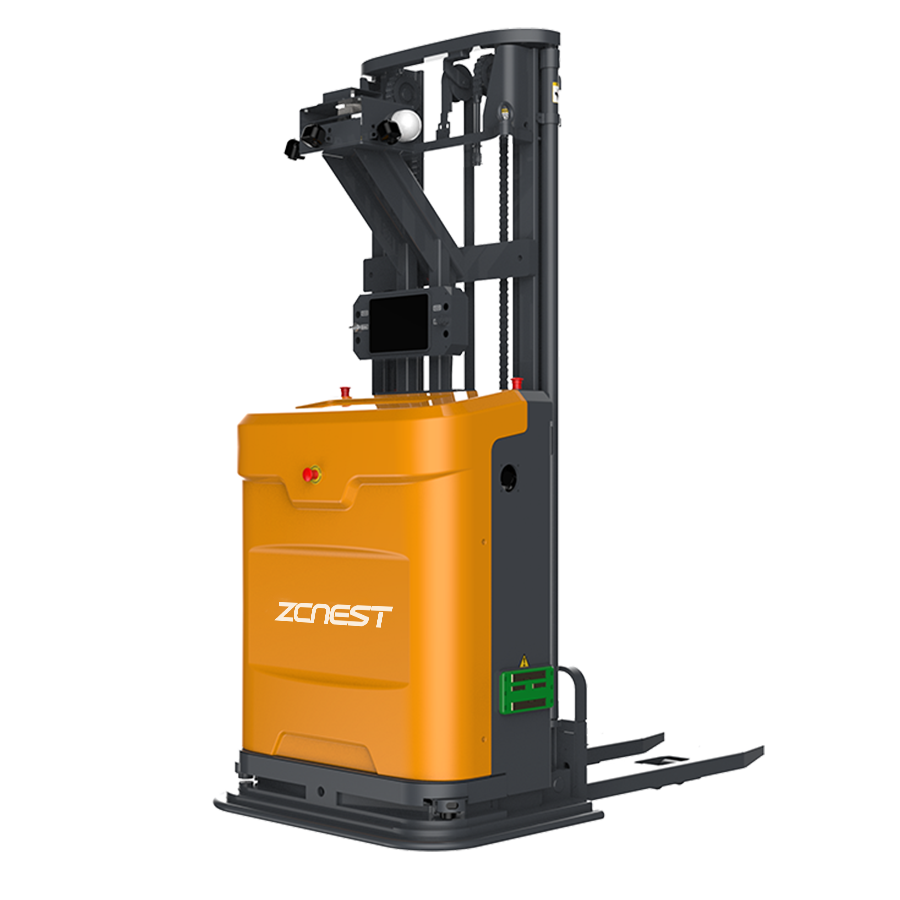
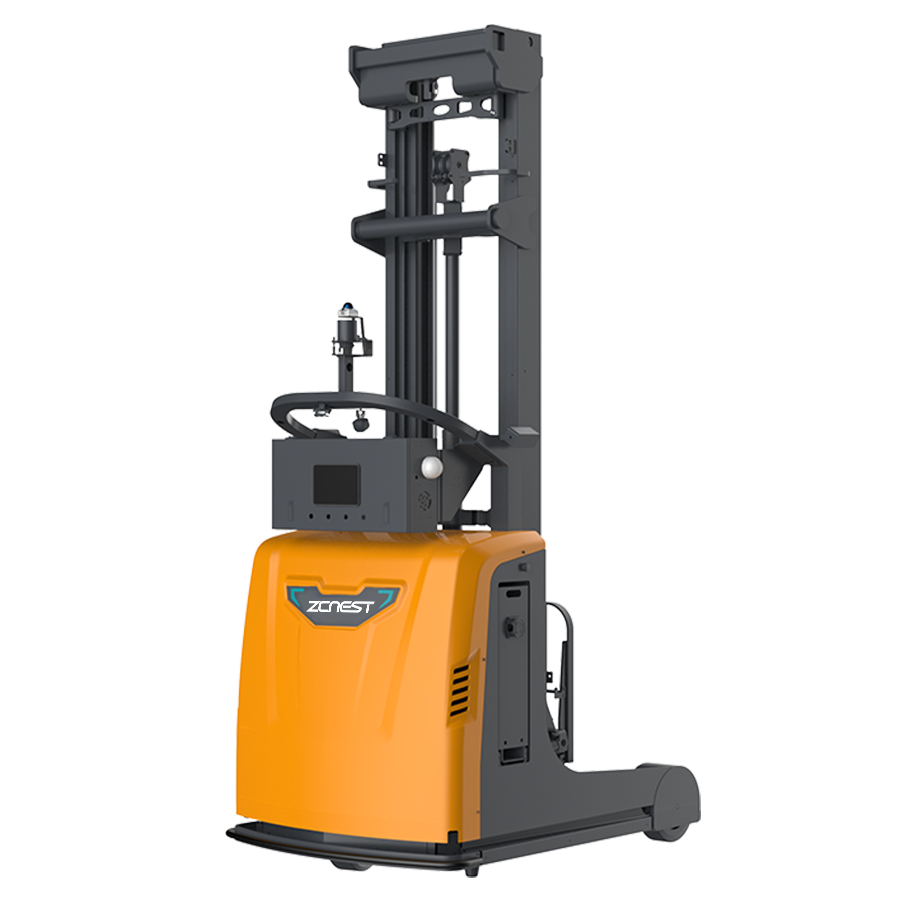
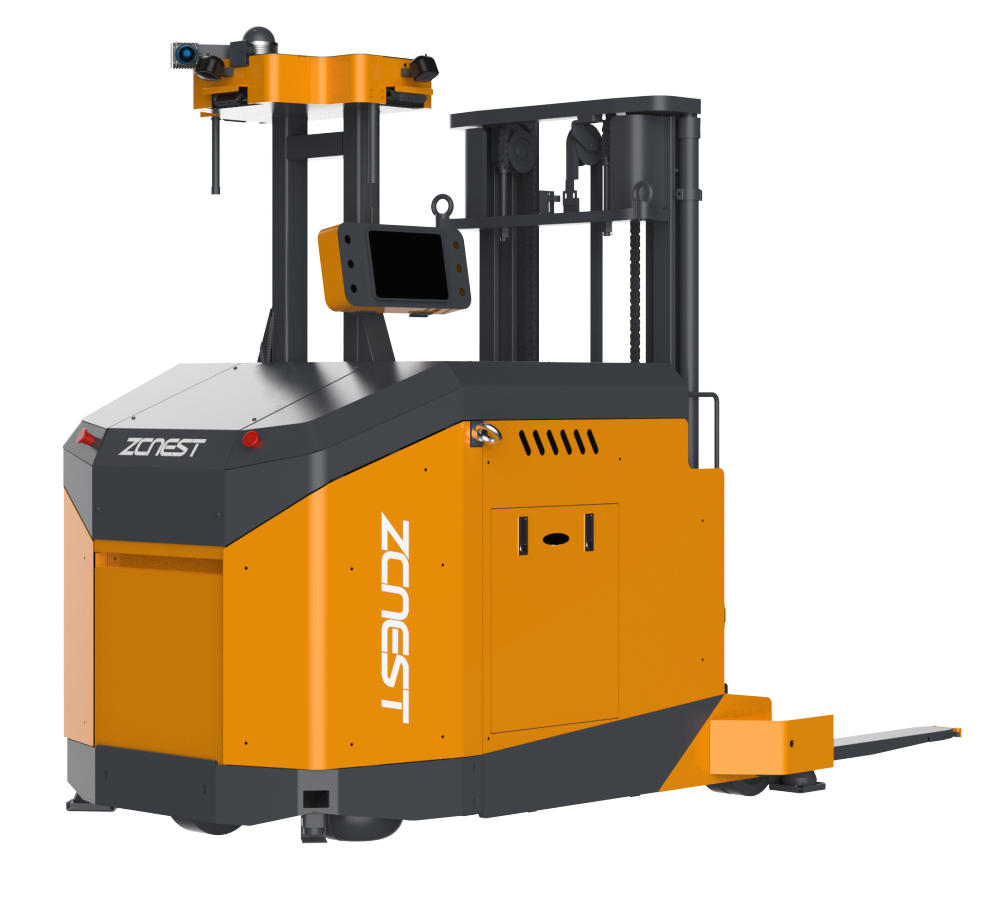
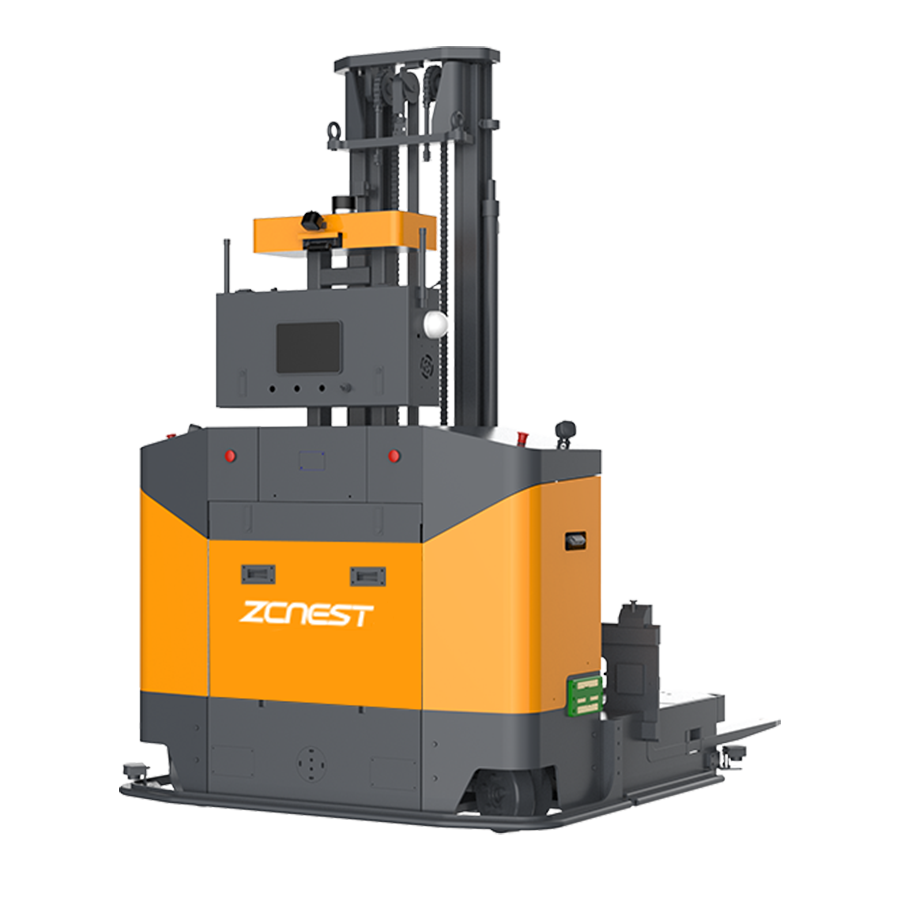
ZCNest can review pallet handling requirements, warehouse layouts, and equipment interfaces for AGV forklift applications. Share your proposed transfer points and load specifications to discuss the technical information needed for project planning.





 Chinese
 English