


WAREHOUSE EXPANSION PLANNING
Plan for additional storage areas, higher pallet volumes, new routes, and future equipment without redesigning the entire automated operation. Learn which technical and operational decisions matter before warehouse expansion begins.
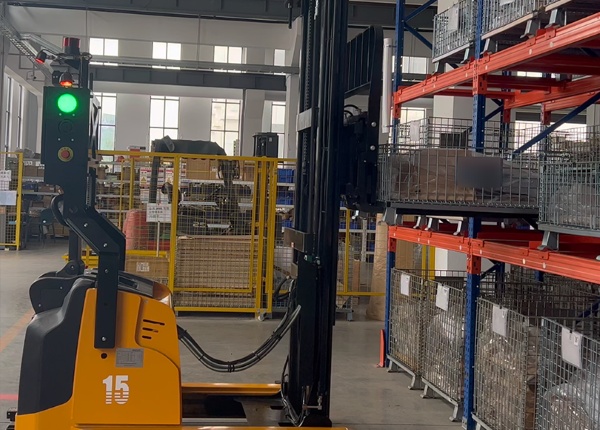
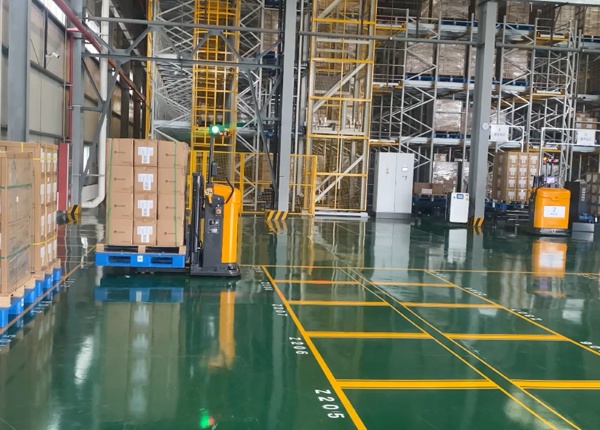
An AGV forklift system that works well in the current warehouse may face new constraints when the business adds storage capacity, changes inventory flows, or opens another operating area. New rack rows can change travel distances, additional staging points can create traffic conflicts, and higher task volume can expose limits in the existing fleet or software configuration.
Expansion planning should therefore consider more than purchasing additional vehicles. The warehouse needs a way to evaluate future demand, preserve compatible interfaces, and introduce new operating areas without disrupting established transport tasks.
Describe the expected change in warehouse operations. A project that adds rack rows in the existing building may have different implications from one that adds a new warehouse zone, a new building, or a separate receiving and dispatch area.
Prepare a revised layout and document the planned changes to:
Storage locations, rack geometry, and aisle configuration.
Pickup and drop-off points and the routes connecting them.
Pallet volumes, load types, and peak transport demand.
Receiving, replenishment, putaway, and dispatch workflows.
Operating schedules, pedestrian routes, and shared equipment areas.
Separate confirmed expansion requirements from possible future scenarios. This prevents the current design from becoming unnecessarily complex while ensuring that major future constraints are considered early.
More storage positions do not automatically translate into a proportional increase in transport tasks. The impact depends on inventory turnover, replenishment frequency, shipment volume, and the distance between operating points.
Estimate the movement volume for the expanded operation and compare it with current demand. Identify which routes become longer, which locations generate additional tasks, and whether several new flows will compete for capacity during the same peak period.
Use realistic route distances and handling times when reviewing fleet capacity. The estimate should also account for charging, waiting, traffic constraints, and vehicle availability. Have the supplier validate the revised scenario rather than applying a simple vehicle-per-area ratio.
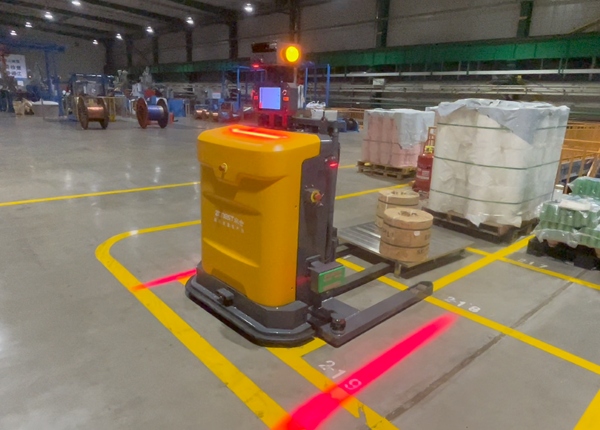
Before expanding the fleet, determine whether the existing AGV forklifts are technically suitable for the new tasks. A new storage area may have different aisle widths, lift requirements, floor transitions, load types, or handover arrangements.
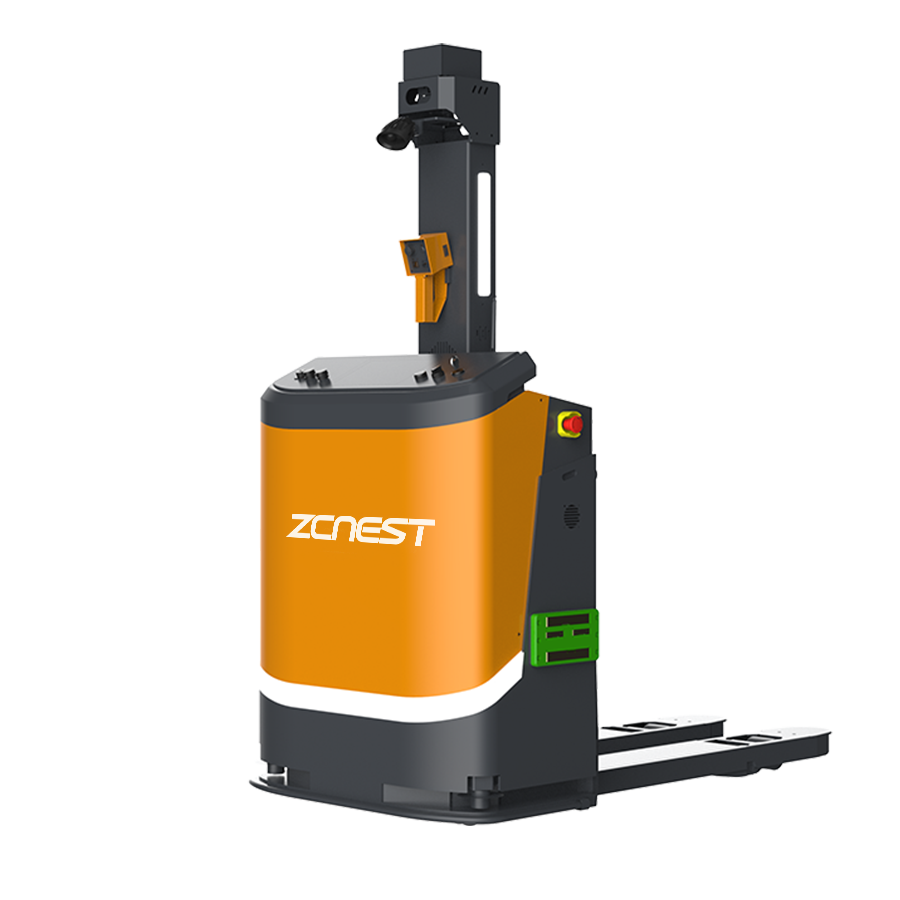
Check the vehicle's rated capacity under the required load conditions, lift height, fork configuration, navigation suitability, and physical access requirements. Also consider whether the proposed routes can be connected to the existing operating area without creating unsafe crossings or congestion.
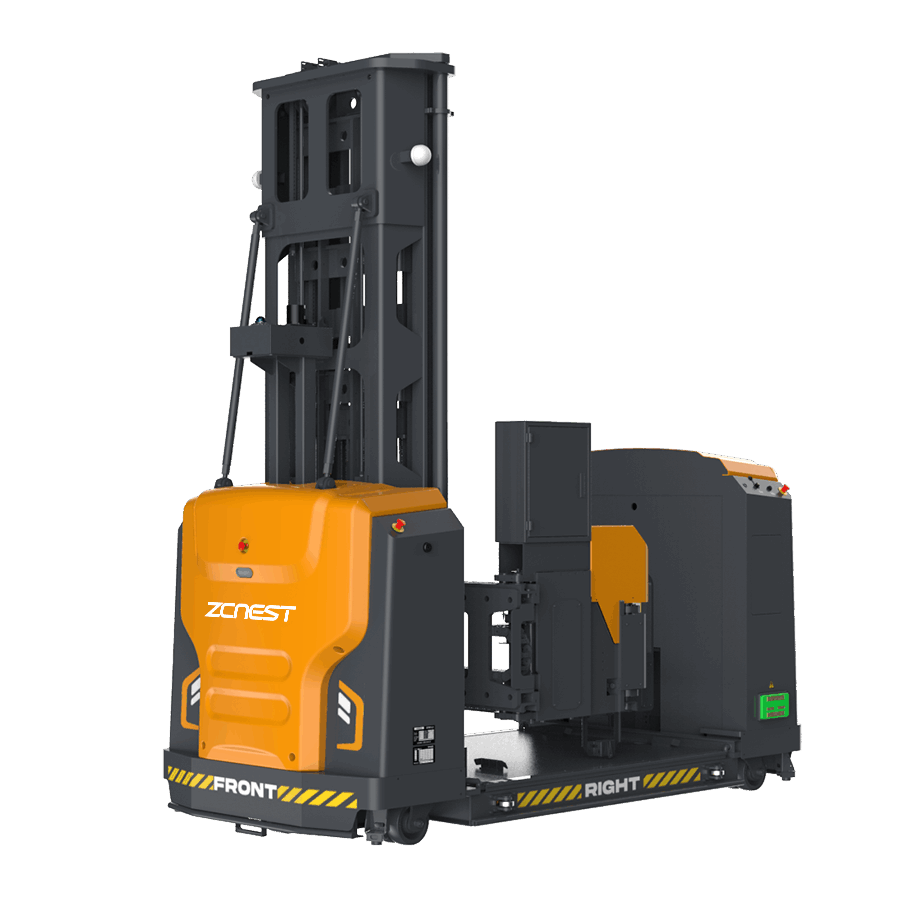
If the new area requires a different vehicle type, clarify how that equipment will interact with the existing fleet control system. Confirm task assignment rules, vehicle eligibility, software compatibility, and responsibility for testing the combined operation.
Expansion usually introduces new location IDs, task routes, operating rules, and sometimes additional interfaces. Establish a consistent naming and configuration method so that new locations can be added without confusing existing records.
Review which system owns inventory locations, task creation, fleet dispatch, and task completion. Determine whether the new area requires additional WMS/WCS interfaces or only an extension of existing configurations.
Test the new location mappings and task flows before releasing them for production use. Pay particular attention to duplicated IDs, outdated routes, invalid destinations, and tasks that accidentally cross into a restricted area.
When a warehouse expands, previously quiet intersections may become important connections between storage, receiving, replenishment, and dispatch. A route that was acceptable at low volume may become a bottleneck when additional traffic is introduced.
Map the expected flows and identify shared corridors, crossing points, narrow passages, and areas where vehicles wait for handover stations. Review how the system will manage vehicle access and task assignment when several zones compete for the same route.
Do not assume that adding vehicles will improve throughput. If the limiting factor is a single transfer station, a narrow corridor, or a downstream process, more vehicles may simply increase queues. Address the bottleneck before finalizing fleet expansion.
A phased rollout may reduce disruption when a warehouse must continue operating during construction or installation. It can allow the team to validate a new area, confirm task routing, and correct configuration issues before adding more locations.
However, a phased approach requires clear boundaries between areas already released for operation and those still under installation or testing. Define which routes and locations are active at each stage, how tasks are prevented from entering unfinished areas, and who approves the transition to the next phase.
If the expansion is delivered in one stage, the project still needs a controlled test plan covering existing and new operations together. In either approach, document the rollback or recovery process if a critical issue appears during commissioning.
Additional vehicles and operating areas may affect network coverage, charging arrangements, maintenance access, spare-parts needs, and support procedures. Reassess these items against the revised fleet size and operating schedule.
Confirm that the new area has the required network and electrical infrastructure. Review whether existing charging points can support the planned utilization, whether maintenance access remains practical, and whether the support team can manage the expanded equipment population.
Where the project involves multiple buildings, also clarify how tasks are coordinated across the areas and whether any physical transfer between buildings is actually supported by the operating design. Do not assume that a software connection alone resolves differences in floor conditions, access control, or vehicle operating environments.
Test representative tasks in the new area and verify their interaction with existing routes. Include peak-demand scenarios, blocked locations, occupied handover points, unavailable vehicles, and recovery after interruptions.
Compare actual task completion and waiting times against the agreed operating requirements. Confirm that inventory records, location mappings, and task status remain consistent across all connected systems.
DEMAND — New task volumes and peak periods are estimated.
EQUIPMENT — Existing vehicles are validated for the revised routes and loads.
SOFTWARE — New locations, tasks, and interfaces are tested.
TRAFFIC — Shared routes and transfer points are reviewed.
INFRASTRUCTURE — Network, charging, and maintenance needs are confirmed.
ACCEPTANCE — Test results and release responsibilities are documented.
A scalable AGV forklift system depends on compatible equipment, structured location data, suitable infrastructure, and realistic fleet capacity planning. Treat each expansion as a change to the whole operating system, not simply an increase in vehicle quantity.
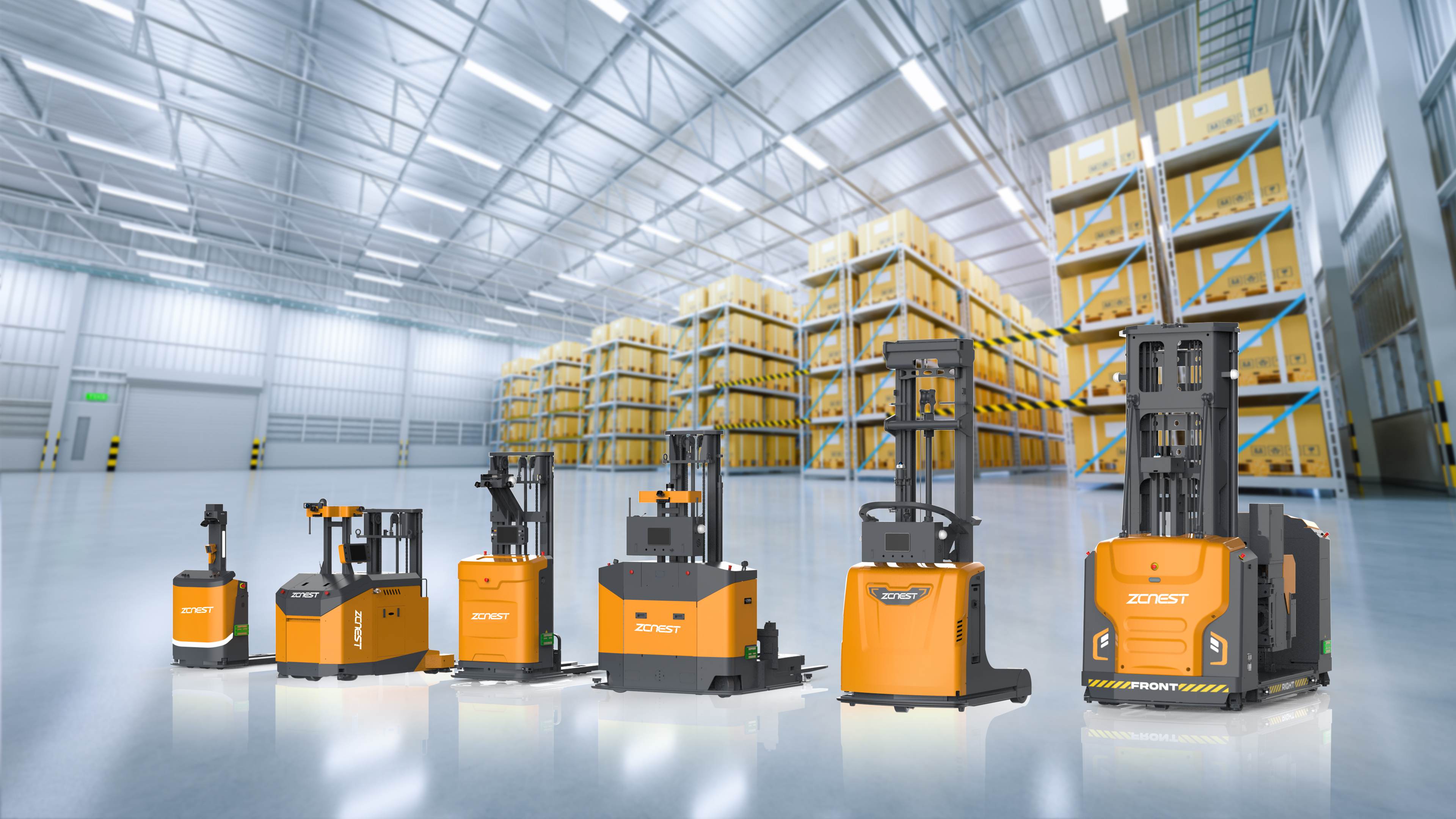
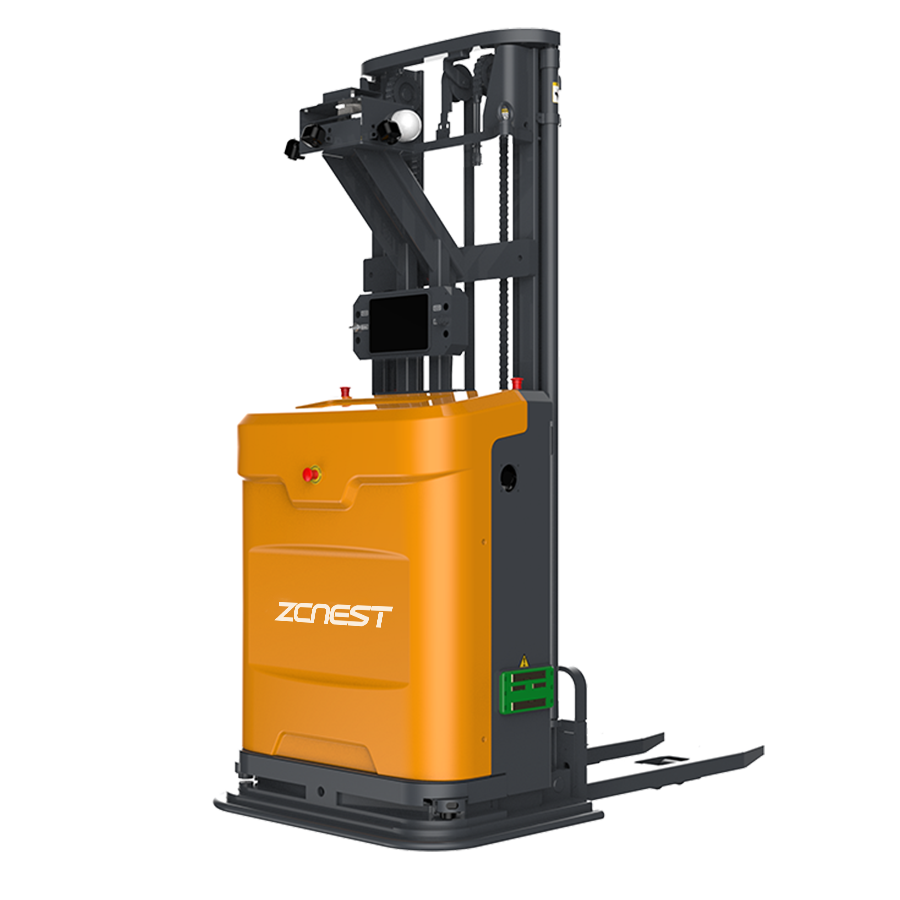
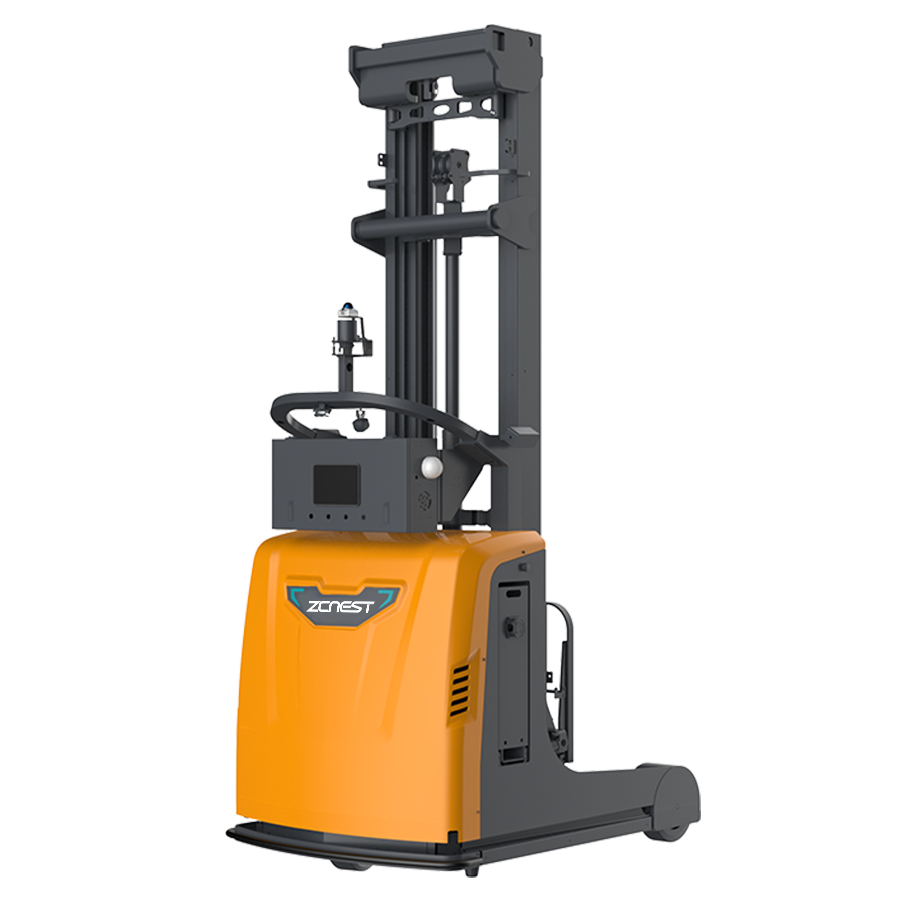
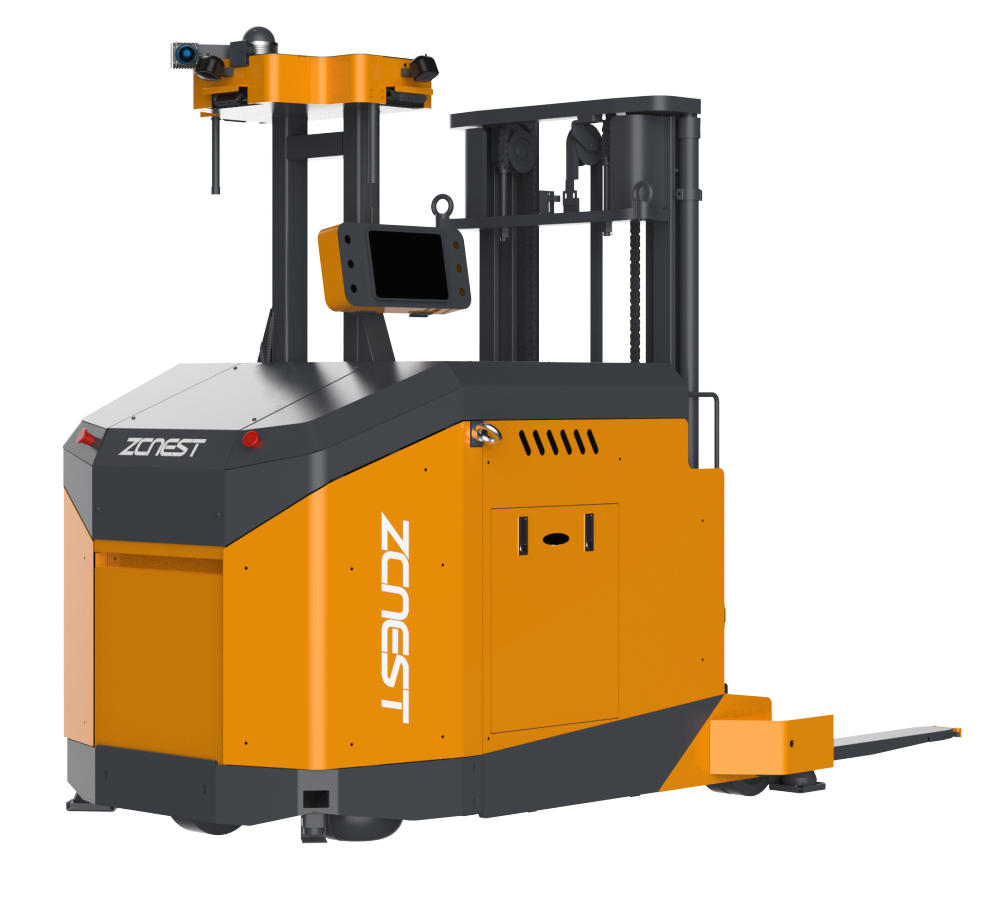
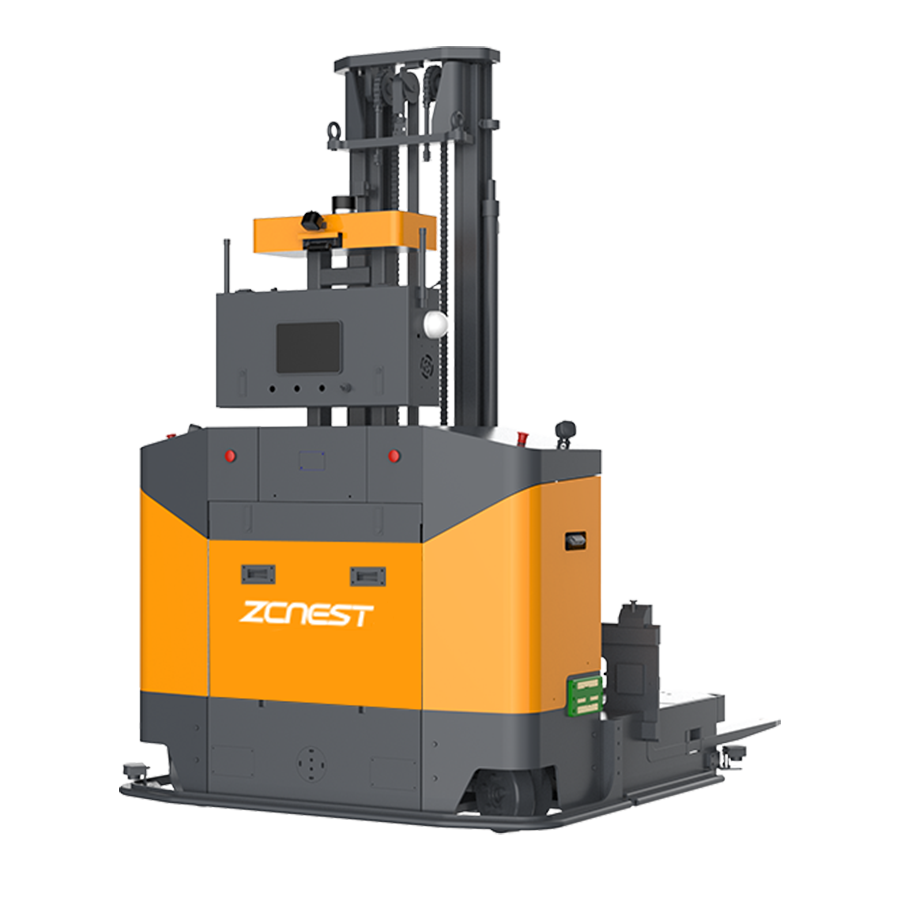
ZCNest can review warehouse layouts, pallet movement requirements, and existing AGV forklift configurations to help assess expansion options. Share your current operating area and planned changes to discuss equipment suitability, system interfaces, and implementation requirements.





 Chinese
 English