


An AGV forklift system may operate beyond the hours when project engineers or equipment specialists are on site. Warehouse managers need a support structure that identifies who can respond, what each shift can safely resolve, and when specialist assistance is required.
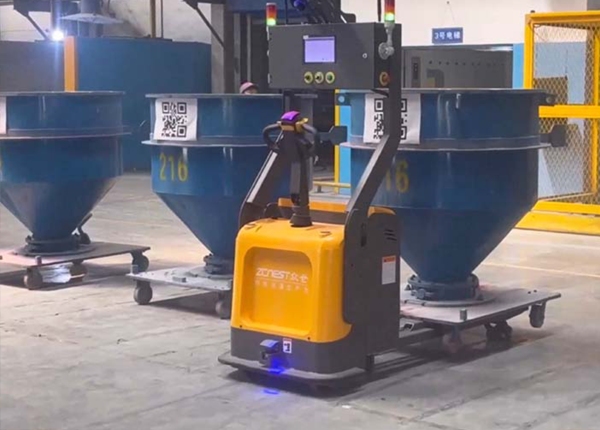
Automated warehouse operations do not always follow a standard office schedule. A warehouse may run two or three shifts, operate overnight during peak periods, or maintain weekend dispatch while engineering and IT teams work only during the day.
If the support arrangement does not reflect the operating schedule, a minor issue can remain unresolved for hours. Operators may lack the authority to perform a recovery step, the responsible specialist may be unavailable, or a problem may be passed between teams without a clear owner.
Support planning should define the level of assistance available during each operating period and the process for escalating issues that exceed the local team's authority.
Begin with the warehouse's real operating calendar rather than a generic weekday schedule. Include normal shifts, planned overtime, seasonal peaks, weekends, public holidays, and periods when a reduced team is on site.
For each period, identify:
Who supervises warehouse operations.
Who monitors the AGV fleet and task status.
Who can perform approved first-line checks.
Who can authorize inventory or task recovery.
Who provides technical support for vehicle, software, or infrastructure issues.
How the team contacts the next support level when the primary contact is unavailable.
Do not assume that a telephone number or email address is equivalent to active support coverage. Clarify whether assistance is staffed, on call, remote, or available only during specified hours.
Not every alert requires an engineer. At the same time, operators should not be expected to diagnose technical faults or make changes beyond their training and authorization.
A practical support structure may include three levels:
Level 1 — Warehouse operations: Checks operating conditions, confirms the affected task and location, follows approved procedures, and records what happened.
Level 2 — Designated technical support: Investigates issues involving fleet operation, configuration, interfaces, or equipment behavior within the team's authorized scope.
Level 3 — Specialist engineering: Handles issues that require deeper diagnostics, software changes, engineering decisions, or manufacturer intervention.
The exact division depends on the system and the agreement between the warehouse and supplier. Document which actions are permitted at each level and which actions require approval.
For example, an operator may be authorized to verify that a transfer point is clear and follow an approved task-recovery procedure. The same operator should not bypass a safety device or modify vehicle protection parameters to restore throughput.
Support expectations should distinguish between acknowledgement, remote investigation, on-site attendance, and actual restoration. These are different activities and should not be described by one vague promise such as “fast response.”
For each severity level, define:
The person or team responsible for acknowledging the issue.
The target time for the first response, if agreed.
The information required before escalation.
The conditions that require a second-level or specialist contact.
Who decides whether affected warehouse operations should remain stopped.
How the warehouse operates safely while the issue remains unresolved.
Set targets based on operational impact and the actual support arrangement. A safety-related issue requires the relevant safety response immediately. A low-impact notification may follow a different process, while a fleet-wide interruption may justify rapid escalation because of its wider effect.
Remote support becomes slower when the warehouse reports only that “the AGV is not working.” A structured incident report allows the support team to narrow down the issue without repeatedly requesting basic details.
Provide the following information where available:
Vehicle identifier and affected task reference.
Time the issue occurred and whether it is still active.
Current vehicle status and physical location.
Exact alert text, code, or screenshot from the approved interface.
What the vehicle was doing immediately before the issue.
Whether other vehicles or tasks are affected.
Checks already completed by the authorized operator.
Any recent operational changes relevant to the incident.
Use approved methods for sharing diagnostic data. Do not send passwords, unrestricted credentials, or sensitive business data through an unapproved channel. Remote access should follow the warehouse's access-control and cybersecurity requirements.
Support demand can change when the warehouse adds a night shift, increases order volume, or runs a seasonal operating schedule. A support arrangement that works during normal daytime activity may not provide enough coverage during a sustained peak.
Before changing operating hours, review:
Whether qualified first-line operators are available on every shift.
Whether the escalation contact is reachable during the full operating period.
Whether remote diagnostics and approved support access are available.
Whether critical spare parts or replacement equipment can be accessed when needed.
Whether an on-site specialist is required for certain high-impact conditions.
Whether planned maintenance windows fit the revised schedule.
If the supplier's standard support hours do not match the warehouse schedule, agree on the gap and the contingency plan before extending operations. Do not rely on informal assumptions that a daytime contact will always be available overnight.
Key checkpoint
Every operating shift should know who owns the first response, which recovery actions are authorized, and how to reach the next support level when an issue cannot be resolved locally.
Support performance should be reviewed by operating period, not only as a monthly average. A good overall result may conceal recurring overnight delays or problems that occur whenever a particular specialist is unavailable.
Useful measures include:
Acknowledgement time: Time between incident reporting and the first response.
Diagnosis time: Time required to identify the likely cause or next action.
Restoration time: Time until the affected operation is confirmed to be working again.
Unresolved handovers: Issues transferred to the next shift without a completed resolution.
Repeat incidents: Problems that recur after a previous recovery.
Support coverage gaps: Periods when the designated contact or qualified operator is unavailable.
Operational impact: Tasks, vehicles, or warehouse areas affected by the incident.
Separate time spent waiting for a response from time spent carrying out the actual repair. This helps the warehouse decide whether it needs more trained operators, different support coverage, improved diagnostics, or a change to the underlying operating process.
All operating shifts and holiday periods are included in the support plan.
First-line, technical, and specialist responsibilities are defined.
Authorized recovery actions and prohibited actions are documented.
Response expectations distinguish acknowledgement from restoration.
Remote support contact methods and access rules are established.
Weekend and peak-period coverage gaps have contingency plans.
Incident reports contain consistent diagnostic information.
Support performance is reviewed by shift and issue type.
Reliable automated warehouse operations require more than vehicle availability. The operating team, support contacts, approved recovery procedures, and escalation process must all match the warehouse's actual schedule.
When evaluating an AGV forklift project, discuss operating hours, support coverage, remote assistance, maintenance access, and responsibilities for unresolved incidents with your automation supplier.
Contact ZCNest Robotics to discuss your warehouse operating schedule and AGV forklift support requirements.












 Chinese
 English





