


Returned goods, reusable pallets, and rejected deliveries create warehouse movements that do not follow the normal inbound-to-storage flow. AGV forklift operations need separate rules for receiving, inspection, temporary holding, and authorized return to stock.
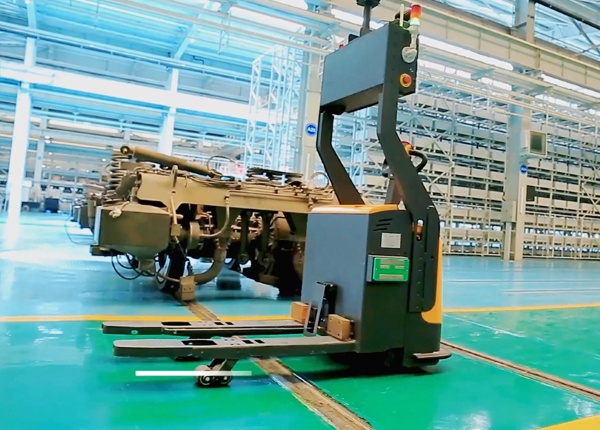
Reverse logistics can create unexpected work inside an automated warehouse. A customer return may arrive without its original pallet label, a delivery may be rejected because of damage, or reusable pallets may need to be collected and returned to a designated area.
These movements should not be treated as ordinary putaway tasks. Returned goods may require inspection, identity verification, inventory-status changes, or a decision about whether they can be stored, repaired, repacked, or disposed of.
For an AGV forklift project, the objective is to automate eligible transport while ensuring that every returned load reaches an appropriate destination and remains under the correct inventory controls.
Different return categories require different handling decisions. Start by defining the types of loads the warehouse expects to receive and the checks required before each load can move into the next stage.
Saleable customer returns: Goods that may return to available stock after inspection and approval.
Damaged goods: Loads that require assessment, repacking, repair, or another authorized disposition.
Rejected deliveries: Shipments that cannot be accepted into normal inventory and may need to be returned to the supplier.
Reusable pallets: Empty or loaded handling units that need to be sorted, inspected, or returned to circulation.
Unidentified returns: Goods that cannot be matched confidently to an order, product, batch, or inventory record.
Do not assign all these categories to one general return location unless the site has a defined process to keep their statuses and subsequent movements separate. Physical separation may be necessary where product condition, traceability, or handling requirements differ.
Returned goods need a defined point where the warehouse can confirm that a load has arrived before releasing the next movement. This area should accommodate the expected volume without obstructing regular receiving, picking, or shipping operations.
Evaluate the following when planning the area:
Expected returns volume by shift, day, and peak period.
Space for loads awaiting identification or inspection.
Separate positions for different return categories.
Safe pickup and delivery positions for AGV forklifts.
Access for authorized inspection and manual handling.
Clear rules for overflow when the return area approaches capacity.
A return should not be considered ready for automated transport merely because it has been unloaded. The pallet must be physically available at the designated pickup point, and its condition must meet the applicable handling requirements.
For many return categories, the first automated movement should lead to an inspection or controlled holding location rather than ordinary storage.
A practical process may follow these steps:
Confirm the return reference or record that the load is unidentified.
Check the pallet and packaging condition before automated handling.
Assign the appropriate return category or temporary status.
Release a transport task to an approved inspection or holding location.
Confirm the physical delivery and record the movement result.
Wait for an authorized disposition decision before releasing the next movement.
If the pallet is unstable, damaged, or unsuitable for the AGV forklift's approved handling conditions, use the applicable safety procedure rather than forcing the load into an automated transport workflow.
A physical return does not automatically restore inventory availability. The warehouse must distinguish the presence of a pallet from the right to allocate that pallet to a new order.
Define the required checks before a returned load can enter normal storage or picking:
Product and quantity match the relevant return record.
Required inspection has been completed.
Product condition and packaging meet the warehouse's acceptance criteria.
Batch, serial number, or other traceability information is verified where required.
Any quality, compliance, or customer-specific restrictions have been resolved.
The inventory status and destination are valid for the next operation.
Where a return is approved for resale, the system should record the authorization before the load becomes available for ordinary allocation. Where the return remains restricted, the AGV forklift should be allowed to perform only the movements permitted for that status.
Key checkpoint
Automating transport does not authorize inventory release. A returned pallet should enter normal storage or picking only after its identity, condition, and inventory status meet the warehouse's approval rules.
Reusable pallets can support warehouse operations, but mixing them with saleable inventory creates unnecessary handling and identification problems. Establish dedicated destinations and acceptance criteria for empty, damaged, and reusable handling units.
Consider these operating rules:
Define which pallet types can be reused in automated storage and transport.
Separate serviceable pallets from damaged or rejected units.
Confirm that empty pallets are stable and suitable for the intended vehicle.
Set a maximum holding capacity to prevent pallet accumulation.
Define where pallets should be delivered for inspection, stacking, or return to circulation.
Track movements where pallet ownership, deposit, or return obligations require records.
Empty pallet handling may have a different transport profile from loaded pallet movements. Include pickup and drop-off arrangements in the layout assessment so that pallet collection does not block normal warehouse routes or high-priority tasks.
Outbound demand may be relatively predictable while returns arrive unevenly. Product recalls, delivery rejections, promotional periods, and customer-specific return cycles can create sudden increases in volume.
Use historical data where available to estimate:
Return pallets received during a normal and peak operating period.
Average time from receipt to inspection decision.
Percentage of returns requiring manual handling.
Holding capacity required for unresolved returns.
AGV travel and task demand generated by return movements.
The effect of return traffic on regular inbound and outbound work.
Define an overflow response before the holding area fills. Depending on the site, this may involve additional approved space, revised task-release rules, or temporary operating changes. Any alternate location must be suitable for the load and its inventory status.
Counting completed AGV movements alone will not show whether the return process is effective. Measure the time and accuracy of the entire workflow.
Return processing time: Time from physical receipt to an authorized disposition decision.
Inspection waiting time: Time a return spends awaiting assessment.
Return-area occupancy: Number of pallets waiting in the controlled holding area.
Transport completion rate: Percentage of eligible return tasks completed successfully.
Identification exception rate: Share of returns that cannot be matched to the required records.
Rehandling rate: Returns that must be moved again because the initial destination or classification was unsuitable.
Review these results by return category and time period. A long processing time may be caused by inspection capacity rather than vehicle availability, while excessive rehandling may indicate that return categories or destinations are not clearly defined.
Return categories and required decisions are documented.
A controlled receiving and inspection area is available.
Pickup readiness and load condition are confirmed before transport.
Restricted returns cannot enter normal stock allocation.
Reusable pallets have separate handling and destination rules.
Overflow procedures cover irregular return volumes.
Inventory and physical movement records are reconciled.
Return processing time and rehandling are measured.
Reverse logistics becomes easier to control when the warehouse separates physical transport from inspection and inventory authorization. Clear return categories, approved destinations, and reliable movement confirmation help reduce unnecessary handling while preserving stock accuracy.
Contact ZCNest Robotics to discuss your pallet-return process, warehouse layout, and AGV forklift requirements for internal material transport.












 Chinese
 English





