


Quality holds, damaged packaging, compliance reviews, and product recalls can make otherwise movable pallets unsuitable for normal warehouse operations. AGV forklift workflows must distinguish physical transport from authorization to release restricted inventory.
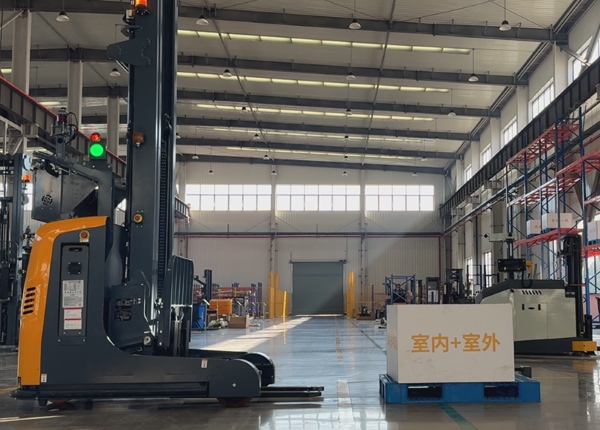
Inventory quarantine creates a specific challenge for automated warehouses: a pallet may need to move even though it must not be allocated to an order or returned to ordinary storage.
This situation can arise when a quality inspection is pending, a batch is under review, packaging damage is reported, or a product recall requires stock to be isolated. The AGV forklift may be able to transport the load, but the warehouse must control where it goes and which subsequent tasks are permitted.
Start by identifying the situations that require restricted inventory handling. Different reasons may require different holding conditions, access permissions, and release approvals.
Quality inspection: Stock awaiting inspection or a formal quality decision.
Physical damage: Goods with damaged packaging, suspected product damage, or an unstable pallet.
Batch or traceability review: Inventory requiring confirmation of lot, serial number, or product identity.
Recall or compliance hold: Stock that must remain isolated until an authorized decision is made.
Inventory discrepancy: A pallet whose physical contents or identity do not match the expected record.
Supplier investigation: Goods awaiting a decision about acceptance, return, repair, or disposal.
Document which categories can be transported automatically and which require a physical safety assessment before movement. A stock restriction does not automatically mean the pallet is safe to handle; load condition must be evaluated separately.
The quarantine area should prevent restricted inventory from being confused with available stock. Its physical layout and system controls should support the warehouse's actual quality and compliance procedures.
Evaluate the following:
Capacity for normal and peak quarantine volumes.
Separate positions for incompatible product categories or handling conditions.
Clear access rules for inspection and authorized personnel.
Suitable pickup and drop-off positions for AGV forklifts.
Protection against accidental allocation to ordinary orders.
A process for managing overflow without using unapproved storage locations.
For high-bay warehouses, confirm whether quarantined pallets may use designated rack positions or must remain in a separate floor-level area. The decision should reflect inspection access, product requirements, load compatibility, and the warehouse's approved operating rules.
Inventory status and physical location must remain consistent. A pallet should not be recorded as quarantined while physically sitting in a normal picking location without the required restrictions.
A controlled process can follow these steps:
Identify the affected pallet and the reason for the restriction.
Apply the appropriate inventory hold through the authorized process.
Determine whether the load is physically safe for automated transport.
Assign an approved destination within the quarantine area.
Confirm delivery to the intended physical position.
Reconcile the inventory record and investigate any discrepancy.
If the pallet cannot be positively identified or its location cannot be confirmed, hold the affected movement and follow the warehouse's approved investigation procedure. Do not assume that a completed transport command proves the stock is in the correct position.
A quarantine location alone is not sufficient if ordinary tasks can still select the restricted inventory. The warehouse must enforce the relationship between stock status, task eligibility, and destination rules.
Confirm that:
Restricted pallets cannot be allocated to ordinary customer orders.
Replenishment tasks do not select quarantined stock.
Only approved movements are permitted while a hold remains active.
Inventory status changes require the appropriate authorization.
Release decisions are recorded before normal operations resume.
Any open tasks involving the affected pallet are reviewed after the restriction is applied.
Where a quarantine hold affects a pallet already assigned to a task, define how that task is stopped or redirected. The exact response should follow the validated system behavior and warehouse procedure.
Key checkpoint
Moving a pallet into quarantine does not release it, and moving it out does not prove that it is approved for use. The authorized inventory decision must be recorded independently of the physical transport task.
Every quarantine category needs a clear decision path. Otherwise, restricted pallets may remain in the area indefinitely or be returned to normal storage without the required approval.
Define the conditions for each possible outcome:
Release to stock: Required inspection and authorization are complete, and the inventory record is updated.
Additional inspection: The pallet remains restricted and is directed to an approved inspection position.
Repair or repacking: The load is moved only to a suitable area where the required work can be performed.
Supplier return: The inventory and transport instructions reflect the approved return decision.
Disposal: The load is handled under the relevant authorization and disposal procedure.
Specify who can approve each outcome, which records must be updated, and whether a physical verification is required before the next movement. These rules should be available to warehouse supervisors and inventory control staff.
Quarantined stock can consume valuable warehouse space, especially when quality investigations take longer than expected. Capacity planning should account for both the number of pallets and the time they remain restricted.
Monitor:
Current quarantined pallet count and available positions.
Average and maximum time spent under quarantine.
Number of pallets approaching the warehouse's defined aging threshold.
Quarantine volume by reason and responsible decision owner.
Transport workload created by moving restricted inventory.
Overflow events and the use of alternate approved areas.
Assign responsibility for reviewing aging inventory. The escalation process should identify who follows up on delayed quality decisions and who can approve an alternative disposition. Do not remove a restriction simply to free storage capacity.
Quarantine reasons and required approvals are defined.
The physical holding area is suitable for restricted stock.
Load condition is checked before automated movement.
Inventory status and physical location remain consistent.
Ordinary allocation cannot select restricted pallets.
Release, return, repair, and disposal outcomes are documented.
Quarantine aging and capacity are monitored.
Discrepancies and unauthorized movements are investigated.
Controlled quarantine workflows allow AGV forklifts to move eligible restricted pallets without compromising inventory status or warehouse traceability. The key is to coordinate physical destinations, task permissions, and release authority from the beginning.
Contact ZCNest Robotics to discuss your automated warehouse layout, pallet transport requirements, and inventory handling workflows.












 Chinese
 English





