


Visitors, contractors, and external technicians may need to enter warehouse areas where AGV forklifts operate. A clear access process helps businesses control temporary entry, communicate restricted areas, and coordinate work around automated vehicle movements.
Automated warehouses are not closed environments. Equipment suppliers, maintenance contractors, auditors, customer representatives, and other visitors may need access to operational areas.
Unlike a conventional warehouse, an AGV operating area may contain vehicles moving according to programmed routes and task instructions. A visitor who is unfamiliar with the site may not understand vehicle movement patterns, designated crossing points, or areas where access is restricted.
Access control should therefore be part of warehouse operating design. It should define who can enter, where they can go, what authorization is required, and how temporary work is coordinated with automated operations.
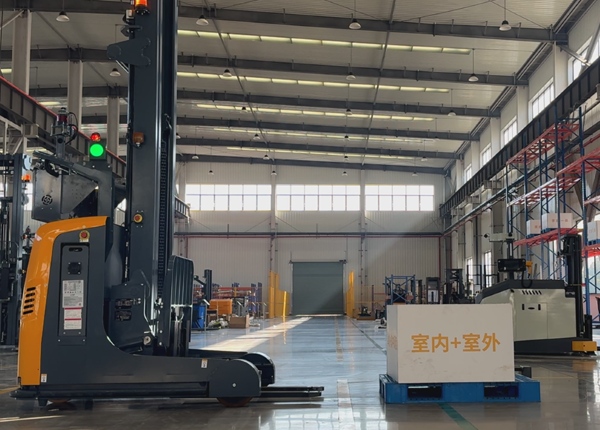
Start by identifying which areas visitors can enter freely and which require authorization or supervision.
A practical classification may include:
General access areas: Reception, meeting rooms, and designated visitor routes.
Controlled operational areas: Warehouse zones where entry requires permission and site instructions.
Restricted automation areas: Areas with specific access requirements due to AGV movements, equipment, or operational constraints.
Maintenance work areas: Locations where equipment inspection or repair requires additional coordination and authorization.
Mark these categories clearly on the warehouse layout and make sure the access rules are understood by employees as well as external visitors.
Visitors should not enter an operational area simply because they have arrived at the warehouse. Establish a registration process that identifies the visitor, their organization, purpose of entry, host, and requested access area.
For contractors, the process may also require a work description, planned duration, equipment involved, and the responsible site contact.
Before access is approved, confirm:
The identity and organization of the visitor.
The purpose and expected duration of the visit.
The specific warehouse areas required.
The internal employee responsible for the visitor.
Any site-specific instructions or additional authorization needed.
Visitors may be unfamiliar with the behavior of automated forklifts. Before entering an operational area, explain the site's applicable rules in language they can understand.
Instructions should cover designated pedestrian routes, approved crossing points, restricted areas, and the procedure for requesting assistance. Visitors should also understand that they must not attempt to move, obstruct, or manually interact with an AGV unless specifically authorized under the site's procedures.
Use site maps, signs, short briefings, and escort arrangements where appropriate. Do not rely on visitors interpreting vehicle signals or floor markings without prior explanation.
Contractor work may involve ladders, tools, cables, testing equipment, or temporary barriers. These activities can affect AGV routes and operating areas even when the contractor is not working directly on the robot.
Before work begins, the warehouse should review the work location and determine whether it affects active routes, transfer positions, charging areas, or other equipment access points.
Define who is authorized to approve route restrictions or temporary operational changes. Contractors should not independently alter warehouse equipment settings or access restricted automation interfaces.
Where the work requires an AGV to stop operating in a defined area, the warehouse and automation teams should agree on the required isolation and restart procedure before work starts.
Temporary permissions should apply only to the areas and time periods required for the approved task. A contractor who needs access to one maintenance area should not automatically receive access to the entire warehouse.
Record the start and end of the approved access period. When work is completed or the visitor leaves, close the access record and recover any temporary identification or access device issued by the site.
If work extends beyond the original schedule, require the appropriate internal owner to review and approve the extension rather than allowing permissions to remain active indefinitely.
Every visitor entering a controlled operational area should have a clear internal contact. The host or designated escort should explain the route, confirm the approved work area, and communicate any changes that affect the visit.
For technical work, define who confirms that tools and temporary materials have been removed, access restrictions can be lifted, and the affected area is ready for normal warehouse operations.
Keep the responsibilities clear between warehouse operations, site security, facilities, and automation support. These teams may have different roles, but they need a shared process for authorizing and closing temporary access.
Access records help the warehouse understand who entered an operational area and why. They can also support investigations when temporary work affects equipment or warehouse operations.
Depending on site requirements, retain:
Visitor or contractor identity and organization.
Visit purpose and approved access areas.
Host or escort information.
Access start and completion time.
Work authorization and relevant restrictions.
Confirmation that the work area was returned to normal operating condition.
Follow the organization's applicable privacy and record-retention requirements when collecting and storing visitor information.
Confirm visitor identity and visit purpose.
Approve the required access areas.
Assign an internal host or escort.
Explain site-specific AGV and pedestrian rules.
Review any contractor work that may affect robot routes.
Set a defined access period and expiration.
Confirm that temporary work areas are cleared before normal operations resume.
Close the access record after the visit.
Key checkpoint: Temporary access should have a defined purpose, approved area, responsible host, and end point. A visitor's permission should never be broader or longer than the task requires.
Which warehouse areas require controlled visitor access?
How are temporary route restrictions communicated to the automation system?
Who can authorize work inside an AGV operating area?
How are contractors briefed on site-specific operating rules?
Who confirms that a maintenance area is ready for normal operation?
How are temporary access permissions closed and recorded?
Discuss these questions with the AGV supplier, warehouse operations team, and site management before go-live. The supplier can explain the system's operational restrictions, while the warehouse defines the site's authorization and access procedures.
Visitor and contractor access is a routine part of warehouse management, but automated vehicle operations introduce additional coordination requirements. A structured process helps external personnel understand where they can go and ensures that temporary work is properly authorized and closed.












 Chinese
 English





