


Connecting Load Weight Data with Automated Warehouse Operations
Warehouse systems often rely on recorded pallet weights to plan storage, allocate equipment, and control material movement. However, the actual weight of a pallet can differ from its master data because of packaging changes, mixed quantities, or inaccurate receiving records. Weight verification can help identify discrepancies before goods enter the automated storage process.
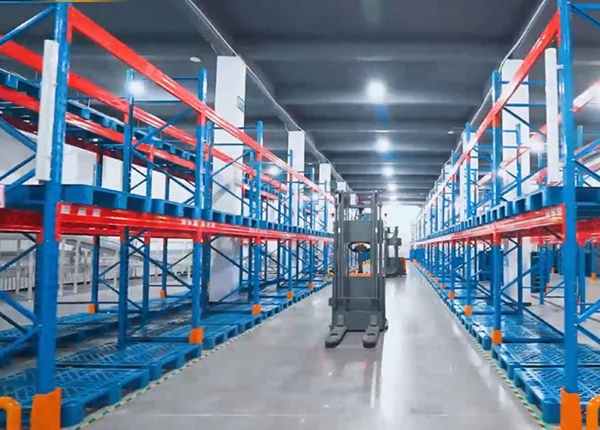
An AGV forklift must operate within its rated load capacity and approved load center. Incorrect pallet weight data can therefore affect equipment selection, task assignment, and storage planning.
Weight information also supports warehouse operations. A storage location may have a defined load limit, while a transport process may require different equipment for different weight ranges. If the recorded weight is inaccurate, the warehouse system may make an unsuitable assignment.
Weight verification is especially relevant where products are repacked, mixed, or received in varying quantities. It can provide an additional check between expected inventory data and the physical load.
Not every warehouse needs to weigh every pallet at every movement. The project should identify the points where weight information has operational value.
Inbound receiving: Check whether the received pallet matches expected weight data.
Repacking stations: Verify loads after products or quantities have changed.
Production returns: Confirm the weight of pallets returning from production areas.
Storage assignment: Check whether the load is within the permitted location limit.
Outbound preparation: Provide weight information for downstream logistics processes.
The selected weighing points should match the warehouse process. Adding weighing equipment without a clear business or safety purpose can increase complexity without improving operational control.
Weight can be measured at a dedicated floor scale, a transfer station, or through a suitable integrated weighing solution where supported by the equipment design. Each approach has different implications for layout, accuracy, and workflow.
A dedicated scale can provide a controlled measurement point, but it requires space and a defined pallet positioning procedure. A weighing function integrated into material-handling equipment may reduce additional transfers, but its suitability and measurement performance must be confirmed for the specific model and operating conditions.
Before selecting a method, define the required measurement range, tolerance, calibration procedure, and whether the result is intended for inventory information, process verification, or safety-related control.
A weighing system is useful only when the warehouse has a defined response to abnormal results. If the measured weight differs significantly from the expected value, the pallet may need to be held for manual inspection.
The warehouse should establish an acceptable tolerance range based on the product, packaging, weighing equipment, and business requirements. A mismatch should not automatically trigger an arbitrary adjustment to inventory data.
The process may require a supervisor to confirm the actual quantity, packaging, or pallet contents before the load is released for automated handling. If the load exceeds an equipment or storage limit, the system should prevent an unsuitable task from being assigned.
The weighing result should be associated with the correct pallet or handling unit. Depending on the project architecture, the scale or weighing device may send data to the WMS, warehouse control system, or another designated application.
The interface should define the pallet identifier, measured weight, measurement time, device status, and verification result. It should also specify how communication failures, missing readings, and duplicate messages are handled.
If weight data affects AGV task eligibility, the control logic must ensure that the correct result is available before the task is released. The equipment's rated capacity and approved operating limits remain the controlling requirements.
Testing should include pallets with different weights, packaging types, and load distributions. Confirm that the weighing equipment returns valid data and that the warehouse system associates the result with the correct handling unit.
Test normal readings, out-of-range readings, communication interruptions, and cases where the pallet identifier cannot be read. Confirm that abnormal results lead to the expected hold or inspection process.
The acceptance test should also verify that weighing does not create unnecessary queues or interfere with the AGV traffic flow.
Key Project Checkpoint
Define the measurement purpose, required accuracy, weighing location, and abnormal-result procedure before selecting equipment. Confirm that weight data is linked to the correct pallet and checked against equipment and storage limits.
At which process points must pallets be weighed?
What is the expected minimum and maximum load weight?
What measurement tolerance is required?
Will weighing be performed at a separate station or integrated device?
Which system receives and stores the measurement result?
What happens when the actual weight exceeds the permitted limit?
How will measurement failures affect AGV task release?
Weight verification can strengthen warehouse data quality and support more controlled automated handling. Its value depends on choosing the right measurement points and integrating the results into a clearly defined operating process.
ZCNest Robotics provides AGV and AMR forklift solutions for warehouse automation. Project planning can consider pallet weight ranges, storage restrictions, weighing stations, and software interfaces as part of the overall material-handling system.
Share your load weight range, warehouse process, and weighing requirements to discuss a suitable automated handling solution.












 Chinese
 English





