


When an order requires only part of a pallet, the remaining goods must be identified, protected, and assigned to a suitable next destination. A well-defined process helps AGV forklift systems handle the movement of partially picked pallets without creating inventory discrepancies or unnecessary transport tasks.
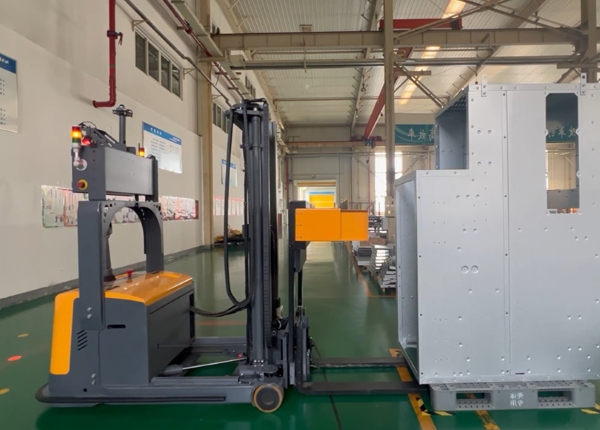
Many warehouse orders do not consume an entire pallet. A customer may order a small quantity from a pallet containing a much larger stock balance. After picking, the remaining goods may need to return to storage, move to another picking area, or wait for further processing.
These operations introduce additional handling requirements. The pallet's original quantity is no longer accurate, its packaging may have changed, and the remaining stock may need a different storage position.
The WMS should identify whether an order consumes a complete pallet or only part of its contents before generating the transport task.
Full-pallet picking: The entire pallet is allocated to the order and moved to the designated outbound area.
Partial-pallet picking: Only a specified quantity is removed, and the remaining stock must be accounted for.
Multi-order picking: Different orders consume quantities from the same pallet, subject to warehouse allocation rules.
These scenarios should have different inventory and movement instructions. An AGV forklift should not treat a partially picked pallet as a completed outbound unit if remaining goods still belong to warehouse inventory.
The remaining quantity must be confirmed before the pallet is assigned to its next destination. This may involve barcode scanning, weighing, counting, or confirmation through the warehouse picking workstation.
Record the updated SKU quantity, batch information, pallet identifier, and picking transaction. If the remaining quantity cannot be verified, the pallet should be directed to an authorized verification process rather than automatically returned to storage.
Accurate quantity confirmation is particularly important when multiple orders draw stock from the same pallet. A mismatch can affect subsequent allocation and create errors during inventory counting.
A pallet that was originally suitable for high-bay storage may no longer meet storage requirements after partial picking. The remaining load may be uneven, unstable, or outside the original packaging dimensions.
Before assigning a storage destination, check:
Remaining load weight and pallet dimensions.
Load stability and packaging condition.
Whether goods are secured against movement.
Compatibility with the target rack position.
Whether the pallet requires repacking or quality inspection.
Where necessary, use a manual handling or repacking station before the pallet is released for automated storage. AGV forklifts should only handle loads that meet the configured equipment and operating requirements.
The remaining goods do not always need to return to their original rack position. Depending on demand and storage policy, the WMS may assign them to a different storage location or a designated picking reserve area.
Destination selection should consider:
Available capacity and storage compatibility.
SKU and batch storage requirements.
Expected demand and replenishment frequency.
Whether the remaining goods are reserved for another order.
Travel distance and access to the destination.
For frequently picked SKUs, a suitable forward picking location may reduce future handling. For slow-moving goods, returning the pallet to reserve storage may be more appropriate.
Once the remaining quantity and destination are confirmed, the WMS can create a movement task for the AGV forklift.
The task should contain:
Unique task reference.
Pallet ID and updated inventory quantity.
Current pickup position.
Confirmed destination address.
Load weight and handling restrictions.
Required completion confirmation.
The task should be linked to the picking transaction so that warehouse operators can trace why the pallet moved and how much inventory remained after the order was processed.
A partially picked pallet may be involved in several system transactions. For example, another order could reserve its remaining quantity while the pallet is waiting for a return movement.
The WMS should control these transactions to prevent two operations from attempting to use the same inventory at the same time.
Lock or reserve the pallet during quantity confirmation.
Prevent new allocation while the physical status is uncertain.
Confirm that the picking task is complete before creating the next movement.
Check for existing active transport tasks.
Release inventory only after the updated quantity and location are confirmed.
Not all remaining pallets should follow the same route. Define handling categories according to the physical condition and inventory status.
Storage-ready pallet: Remaining goods are stable and can return directly to an eligible rack position.
Repacking required: Packaging must be restored before automated storage.
Inspection required: Quantity or quality needs verification.
Reserved remaining stock: The goods are assigned to another order and must follow a controlled allocation process.
Unusable remainder: The goods require a separate quality or disposal procedure.
These categories allow the warehouse to avoid sending every partially picked pallet through the same automated route.
Before go-live, test different picking quantities and pallet conditions. Include cases where most of the pallet is removed, only a small quantity remains, or the remaining load needs repacking.
WMS records the picked quantity and remaining balance.
Pallet identity remains traceable after picking.
Remaining load condition is checked before transport.
Destination selection follows storage and allocation rules.
Duplicate or conflicting tasks are prevented.
Final pallet location and quantity are confirmed.
Key checkpoint: The AGV forklift moves the physical pallet, but the WMS must control the updated inventory quantity and next destination. A pallet should not return to automated storage until its remaining load and inventory status are verified.
Partial-pallet operations can generate more movements than full-pallet picking because one pallet may need to travel to a picking station and then to another storage or processing location.
Estimate the daily number of partial-pallet tasks, the average distance between picking and storage areas, and the time required for quantity confirmation. Include these movements when evaluating fleet capacity and dispatch rules.
For high-bay warehouses, verify that the AGV forklift can handle the remaining pallet load and access the selected rack position safely. Vehicle specifications, load stability, and WMS task logic should be evaluated together.
Effective partial-pallet management requires accurate quantity updates, physical load checks, suitable destination selection, and coordinated task execution. These details should be included in warehouse automation planning before the AGV system is deployed.
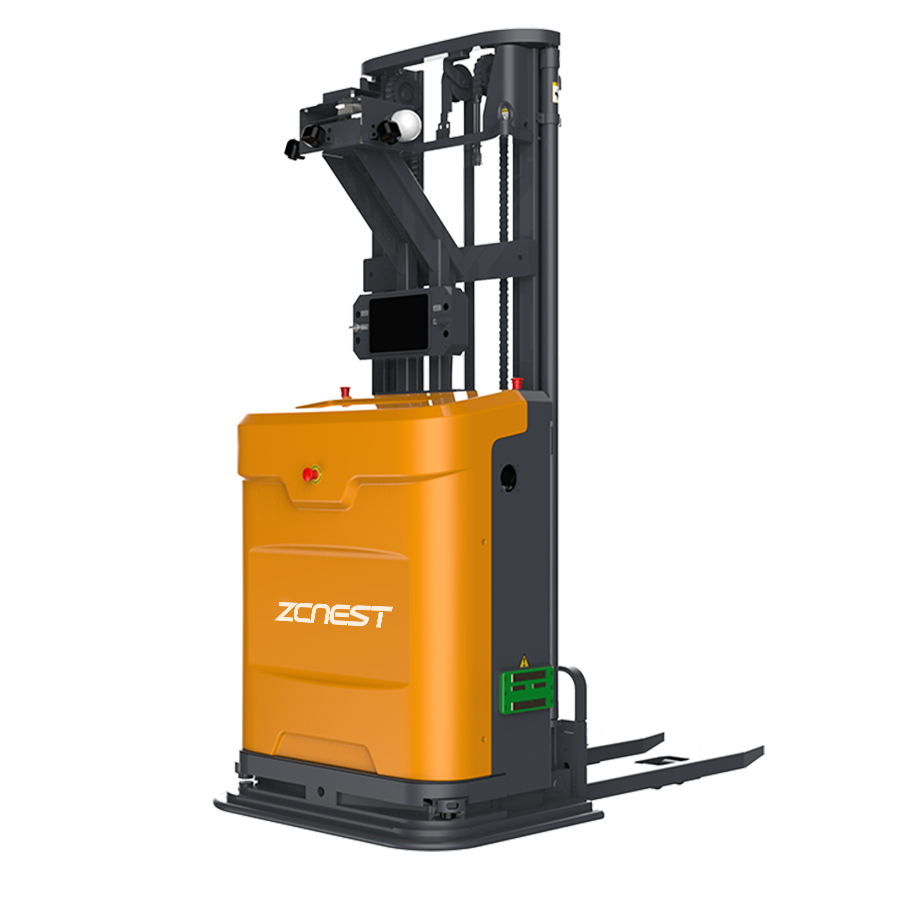
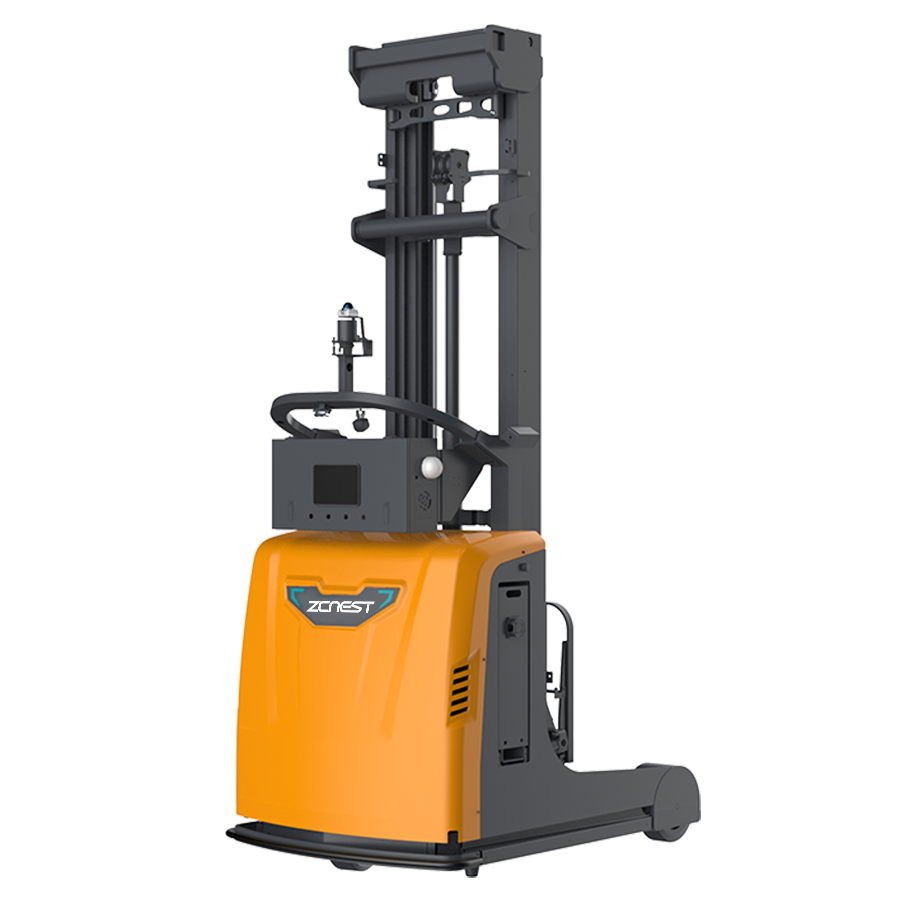
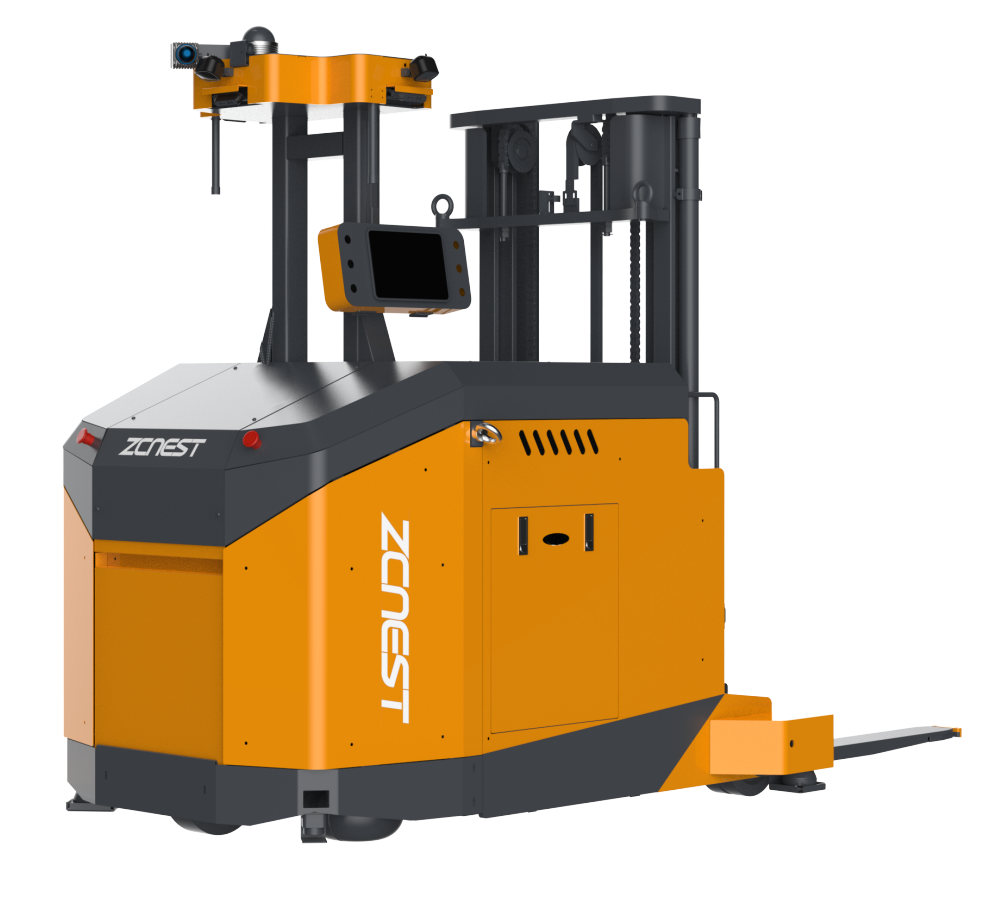
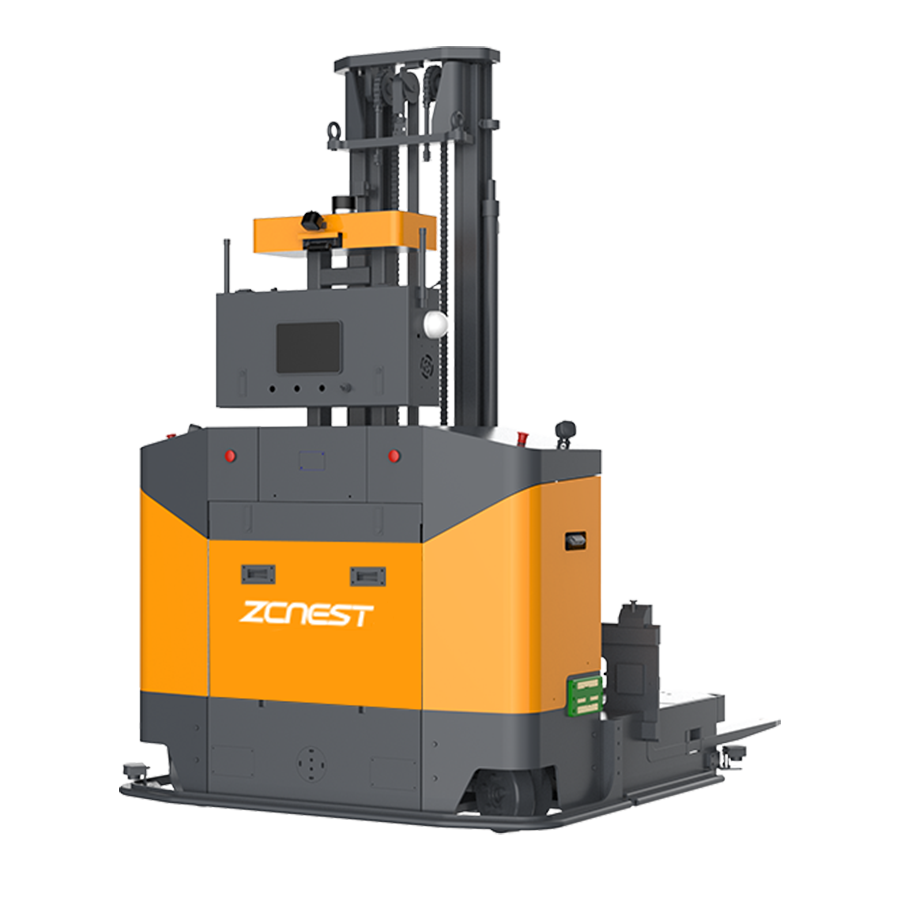
ZCNest Robotics provides AGV forklift solutions for pallet transportation and automated storage operations. Share your picking process, pallet specifications, rack layout, and WMS requirements to discuss a suitable solution.





 Chinese
 English