


Returned goods do not follow the same process as newly received inventory. They may require inspection, sorting, repacking, temporary storage, or direct return to available stock. An AGV forklift project should define these reverse-flow decisions before automated transport begins.
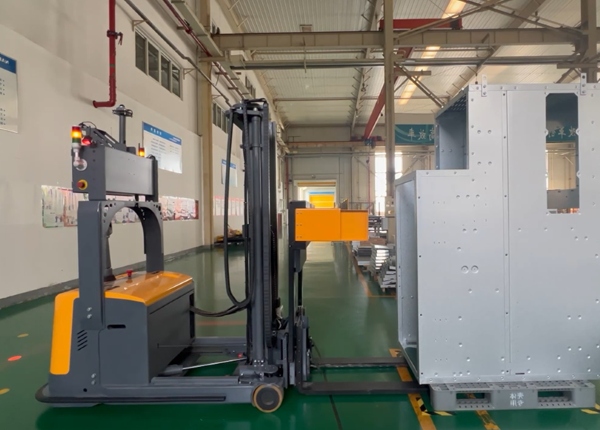
In many warehouses, outbound pallet movements are carefully standardized, while returned goods are handled through temporary instructions and manual coordination. A returned pallet may arrive with damaged packaging, incomplete documentation, an unknown product status, or a quantity that differs from the original shipment. Sending every return directly to a normal storage location can create inventory errors and unnecessary handling.
AGV forklifts can automate the physical movement of returned pallets, but the return process must first distinguish between goods that can be stored, goods that need inspection, and goods that must remain restricted. The objective is not simply to move returns without an operator. It is to make sure each pallet reaches an appropriate destination with its status preserved.
Returned pallets should not all enter the same workflow. A warehouse may receive customer returns, rejected deliveries, reusable packaging, damaged goods, and pallets sent back because of an order change. Each category has a different destination and inventory treatment.
Resalable goods: Products that have passed the required inspection and can return to available inventory.
Inspection-required goods: Pallets that need quality, quantity, or packaging checks before a storage decision.
Damaged goods: Items that must be moved to a designated restricted or quality-control area.
Reusable packaging: Empty pallets, containers, or other returnable transport materials.
Unidentified returns: Loads with missing labels, incomplete records, or uncertain ownership.
These categories should be represented in the warehouse management system or another approved control process. The AGV control system needs a clear transport instruction rather than an operator's informal judgment.
A return receiving point gives warehouse staff a controlled location to register and classify incoming pallets. It should be positioned so that returning vehicles, inspection staff, and automated forklifts can operate without creating unnecessary interference with normal receiving traffic.
Before an AGV task is released, the return station should confirm the basic transport information:
Pallet identification or another unique load reference.
Return category and current inventory status.
Physical dimensions and estimated load weight.
Required destination or next processing station.
Whether the pallet is safe for automated fork handling.
If a pallet cannot be identified, the system should hold it at the return receiving point instead of assigning an ordinary putaway destination. This prevents an uncertain load from entering the high-bay storage process.
Inspection is often the most important difference between reverse logistics and standard inbound handling. Some returned pallets can proceed to storage after a quick check. Others need to remain in a controlled area until quality or inventory staff complete their assessment.
The workflow should define which decisions can be made automatically and which require human authorization. For example, a scan may confirm the pallet identity, but it should not automatically change a damaged product to available inventory.
For inspection-required loads, the warehouse system can create a transport task to a designated inspection location. After the inspection result is recorded, a new task can move the pallet to available stock, restricted storage, repacking, or another approved destination.
The warehouse system should determine whether a return is eligible for automated transport and identify its permitted destination. The RCS or fleet control layer can then dispatch the appropriate AGV forklift according to vehicle capability, route availability, load dimensions, and task priority.
Important interface events may include return registration, transport task creation, vehicle assignment, pickup confirmation, delivery confirmation, and task completion. The exact message structure depends on the WMS, WCS, and RCS architecture used in the project.
A completed transport task should not be confused with a completed inventory inspection. Physical delivery confirms that the pallet reached a location. Inventory release requires the relevant business approval and status update.
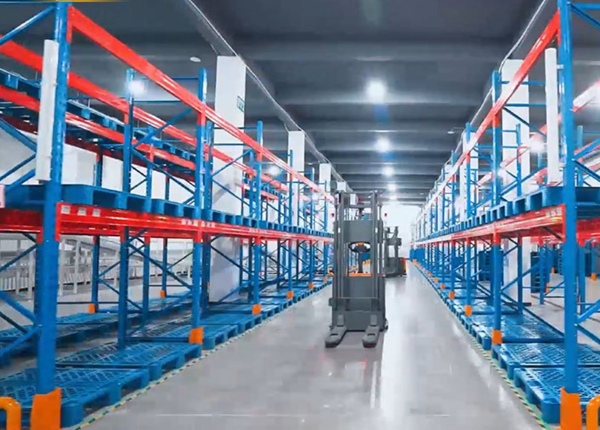
High-bay warehouses require accurate load information and reliable location control. A returned pallet with unknown dimensions, damaged pallet boards, or unstable packaging should not be sent directly to an elevated storage position.
Before releasing a high-bay putaway task, confirm that the pallet meets the warehouse's storage requirements. Check pallet condition, load stability, overhang, weight, height, and compatibility with the rack and forklift configuration.
Where the warehouse uses narrow aisles, return traffic should also be considered in route planning. Return pallets may need to pass through receiving, inspection, and storage areas that already handle normal inbound and outbound movements.
One common reverse logistics problem is the mismatch between physical location and inventory status. A pallet may be physically stored in a rack while the system still identifies it as a customer return awaiting inspection. Another pallet may be marked available before it has been moved to an approved storage location.
Define the relationship between transport status and inventory status clearly. The system should record where the pallet is, what condition or business status it has, and whether it is eligible for another warehouse task.
Use exception rules for duplicate return registration, missing pallet IDs, quantity discrepancies, failed scans, and destination changes. These controls reduce the risk of a returned pallet being moved or allocated incorrectly.
Before deploying AGV forklifts for returned pallets, verify:
Return categories and destination rules are documented.
A controlled return receiving point is available.
Inspection-required pallets cannot enter available inventory prematurely.
Unidentified or damaged loads have a defined holding location.
Pallet dimensions, weight, and condition meet forklift requirements.
WMS, WCS, and RCS task statuses are aligned.
Return traffic is included in route and capacity planning.
Manual intervention and release permissions are assigned.
Key checkpoint: Automate the movement of returned pallets only after the warehouse has defined their identity, condition, inventory status, and destination. AGV forklifts can execute the transport reliably, but return authorization must remain controlled by the warehouse business process.
Vehicle selection should reflect the pallet types and routes used in the reverse logistics process. A warehouse handling standard pallets may require a different solution from one receiving oversized loads, heavy returnable containers, or pallets with varied entry directions.
Evaluate rated capacity, lifting height, fork dimensions, turning requirements, navigation conditions, pickup accuracy, and the ability to operate in the warehouse's aisle configuration. If returned pallets use the same high-bay storage system as normal inventory, confirm that the selected forklift can handle both workflows without compromising storage access.
For a project involving multiple return categories, map the physical route and business decision for each category before finalizing the vehicle configuration. This makes it easier to estimate fleet requirements and identify the stations where human inspection remains necessary.












 Chinese
 English





