Chinese
 English


Cold Chain, Chemical, and Heavy Manufacturing: How to Select Autonomous Forklifts for Demanding Industrial Environments
While autonomous forklift deployments in standard ambient warehouses are well-established, harsh industrial environments—such as sub-zero cold storage, high-dust chemical plants, and multi-ton heavy manufacturing bases—rapidly expose the limits of off-the-shelf equipment. Battery capacity plummets, optical sensors fog over, and chassis structures face extreme stress. Selecting equipment for demanding conditions requires evaluating foundational environmental engineering.
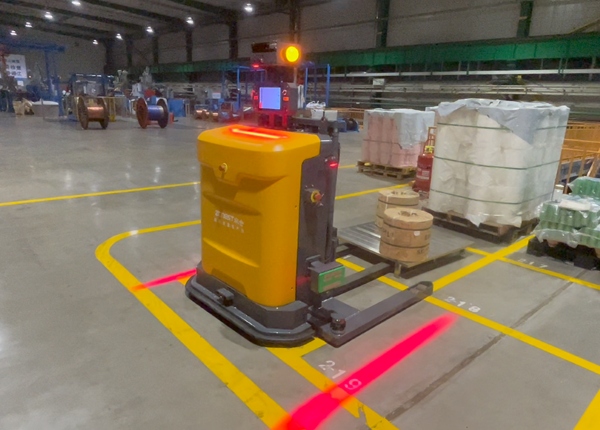
1. Cold Chain Warehousing: Overcoming Condensation, Slippage, and Battery Drain
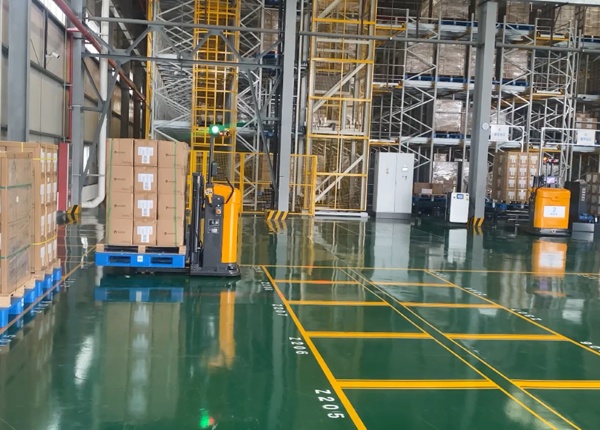
In −18°C to −25°C cold storage facilities, high operator turnover drives urgent demand for automation, yet equipment must overcome three critical hurdles:
Thermal Condensation: Moving repeatedly between sub-zero freezer rooms and ambient loading docks causes severe condensation on optical sensors and PCBs. Cold-chain autonomous forklifts require heated anti-fog optical windows, IP65+ sealed electrical enclosures, and low-temperature rated wiring harnesses.
Floor Frost & Traction Loss: Frost-covered floors demand specialized anti-slip drive wheel compounds and Traction Control Systems (TCS) to prevent braking drift and localization errors.
Low-Temperature Battery Performance: Dedicated low-temperature LiFePO4 battery packs equipped with integrated thermal heating management are essential to preserve charge/discharge efficiency.
2. High-Dust & High-Humidity Plants: Sensor Immunity and Sealing
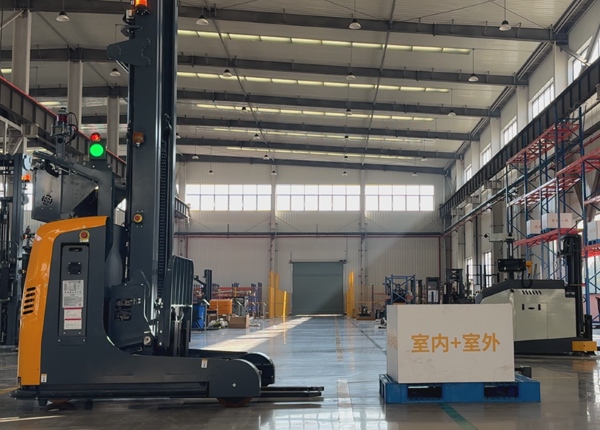
In building materials, ceramics, fertilizer, or paper mills, airborne particulates and fibers easily blind conventional 2D LiDAR sensors. Procurement teams should prioritize 3D LiDARs featuring multi-echo dust-filtering algorithms alongside fully sealed drive units, hydraulic cylinders, and control cabinets to minimize maintenance downtime.
Operating in Cold Storage, High Dust, or Heavy-Load Conditions?
Share your facility's temperature range, IP protection requirements, or maximum payload specs with our engineers for a tailored configuration.
Request Custom Engineering Specs
3. Heavy Manufacturing & Multi-Ton Payloads: Structural Rigidity and Precision
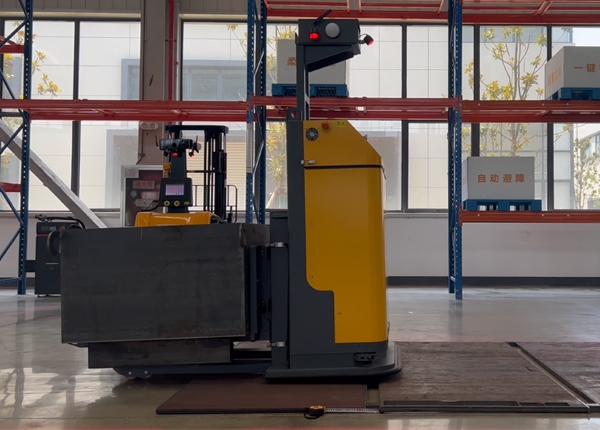
Handling metal coils, heavy molds, or large structural assemblies weighing 3, 5, or 10+ tons exceeds the mechanical limits of standard forklifts. Heavy-duty applications demand high-tensile steel chassis designs and dual-drive differential or omnidirectional steering drivetrains capable of delivering millimeter-level docking accuracy under full load without inertia-induced safety risks.
4. Specialized Selection Reference: ZCNEST Robotics' Customization & Heavy-Duty Capabilities
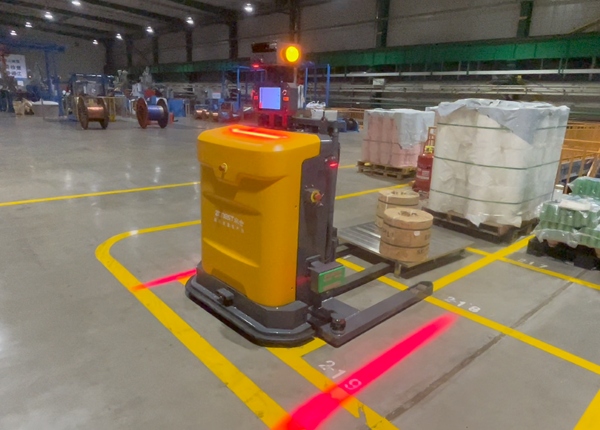
Addressing severe industrial operating environments, ZCNEST Robotics demonstrates strong engineering customization and portfolio depth. Beyond adapting its autonomous forklifts with moisture-proof, dust-sealed, and low-temperature packages for cold chain and chemical facilities, ZCNEST has engineered a dedicated line of heavy-duty AMRs built for multi-ton material transport with superior structural rigidity and positioning precision. Contact our team at market@zcnest.com to evaluate custom configurations for your site conditions.