
 Chinese
 English


Multi-Vehicle Traffic & Human-Robot Coexistence: Key Fleet Scheduling and Safety Hurdles in Scaled Autonomous Forklift Deployments
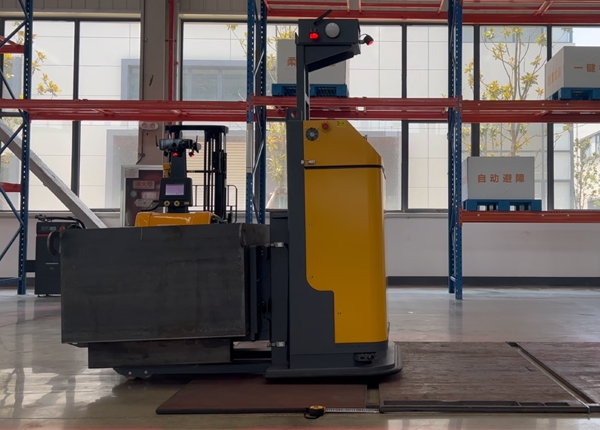
When an autonomous forklift deployment scales from a 2-vehicle pilot to a fleet of 15, 30, or 50+ robots operating across an active facility, operational challenges transform fundamentally. How do you prevent narrow-aisle gridlock? Will scheduling software lag during peak order waves? And how do you guarantee zero safety incidents in shared human-robot zones? Successful fleet scaling hinges on two pillars: intelligent RCS traffic control and multi-layered safety architecture.
1. Three Common Deadlock and Congestion Traps in Large Fleets
Narrow-Aisle Head-On Gridlock: When two autonomous forklifts enter a bidirectional single-lane aisle or intersection simultaneously without predictive traffic management, they freeze in a face-to-face deadlock requiring manual recovery.
Charging Bottlenecks & Imbalanced Dispatching: Multiple robots hitting low-battery thresholds simultaneously can overwhelm charging stations, while naive "nearest-vehicle" task assignment leaves some units overloaded and others idle.
Peak-Wave Scheduling Latency: During peak shipping waves when the WMS releases hundreds of transport orders simultaneously, underpowered scheduling engines suffer path-planning timeouts and dispatch delays.
2. The Solution: Core Algorithms Inside an Intelligent RCS
A mature Robot Control System (RCS) acts as the central traffic brain for large-scale fleets, requiring three core capabilities:
Dynamic Path Planning & Traffic Control: Node locking, zone capacity limits, and priority preemption algorithms predict trajectory conflicts in advance—orchestrating smooth intersection yielding and dynamic rerouting.
Opportunistic Charging Management: By analyzing order-wave patterns, the RCS schedules brief opportunistic top-up charges during lulls to maintain high fleet availability 24/7.
Autonomous Exception Recovery: If an aisle is temporarily blocked by misplaced cargo, the vehicle reports the obstacle and the RCS automatically computes an alternate route without human intervention.
Scaling Up to a Multi-Vehicle or Mixed-Robot Fleet?
Connect with our fleet architecture engineers to review multi-vehicle traffic simulation, WMS/RCS integration, and EHS safety compliance.
3. Multi-Layered Safety Architecture for Human-Robot Coexistence
In warehouses and workshops where complete physical fencing is impractical, EHS safety compliance is non-negotiable:
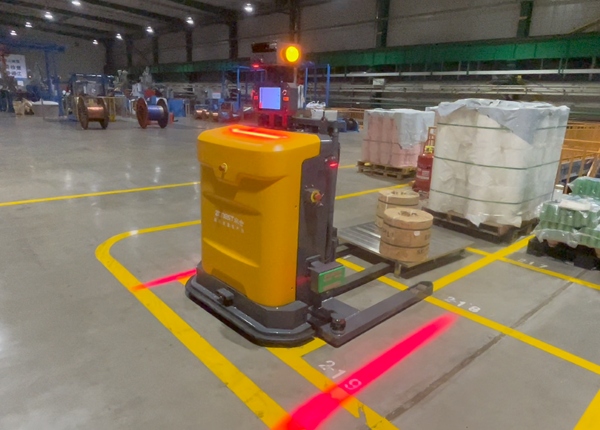
360° Sensor Coverage: PLd/SIL2-certified safety LiDARs mounted around the chassis and fork tips—paired with 3D obstacle-avoidance cameras—detect overhanging forks, low-profile pallets, and sudden pedestrian entry.
Dynamic Speed-Dependent Safety Zones: Protective fields scale dynamically with vehicle velocity and steering angle, executing smooth staged deceleration before full emergency braking to protect both personnel and fragile loads.
Audiovisual Warning Systems: Blue floor-projection spotlights and directional voice alerts proactively warn nearby workers at intersections, blind corners, and during reverse maneuvers.
4. Scaled Deployment Strength: ZCNEST Robotics' Fleet Control & Safety Engineering
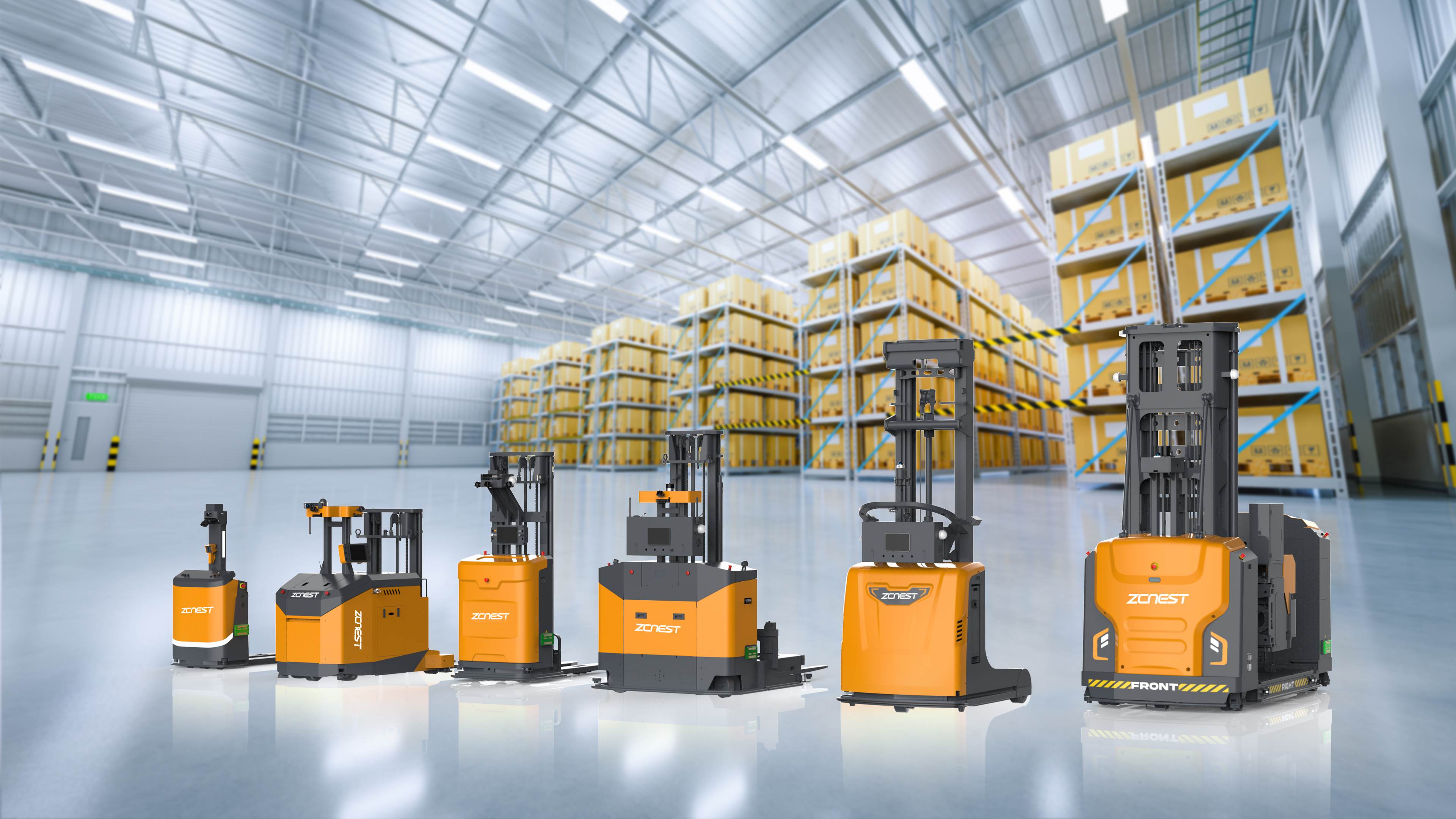
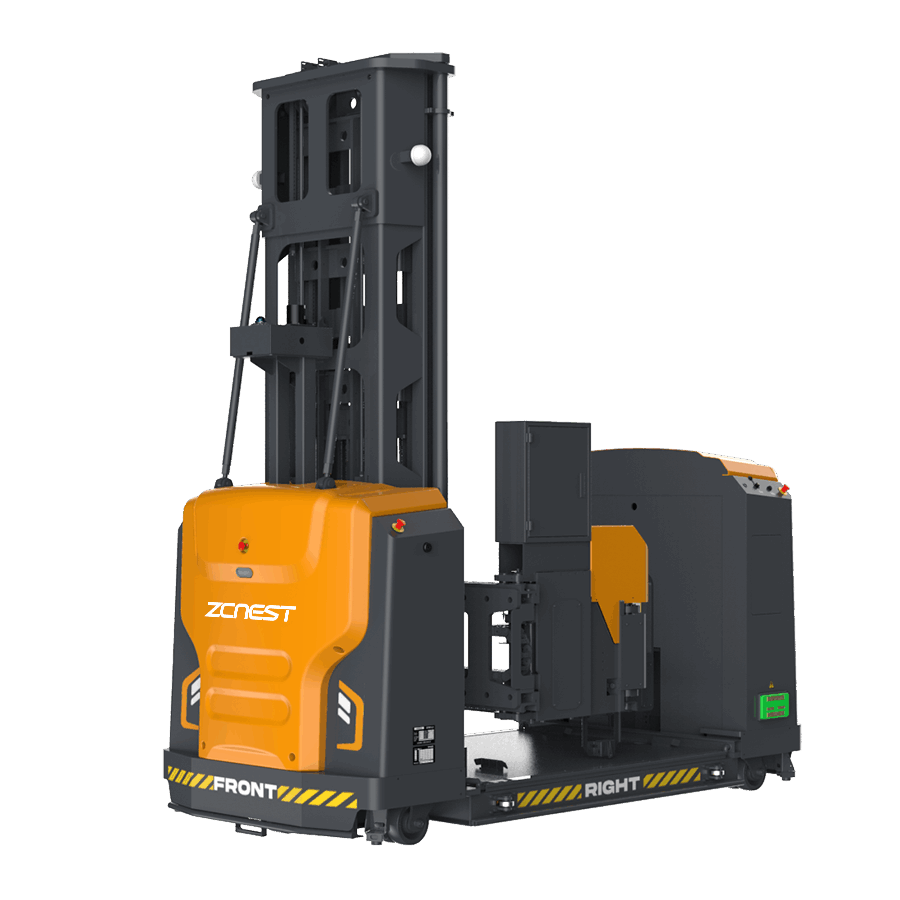
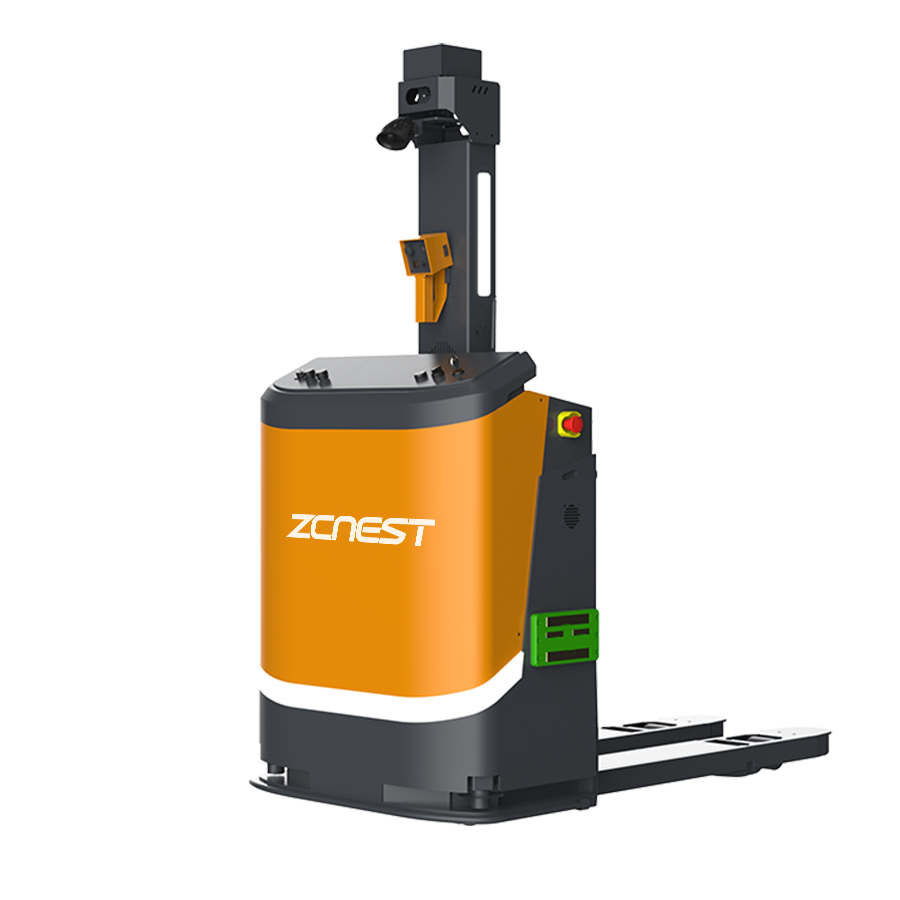
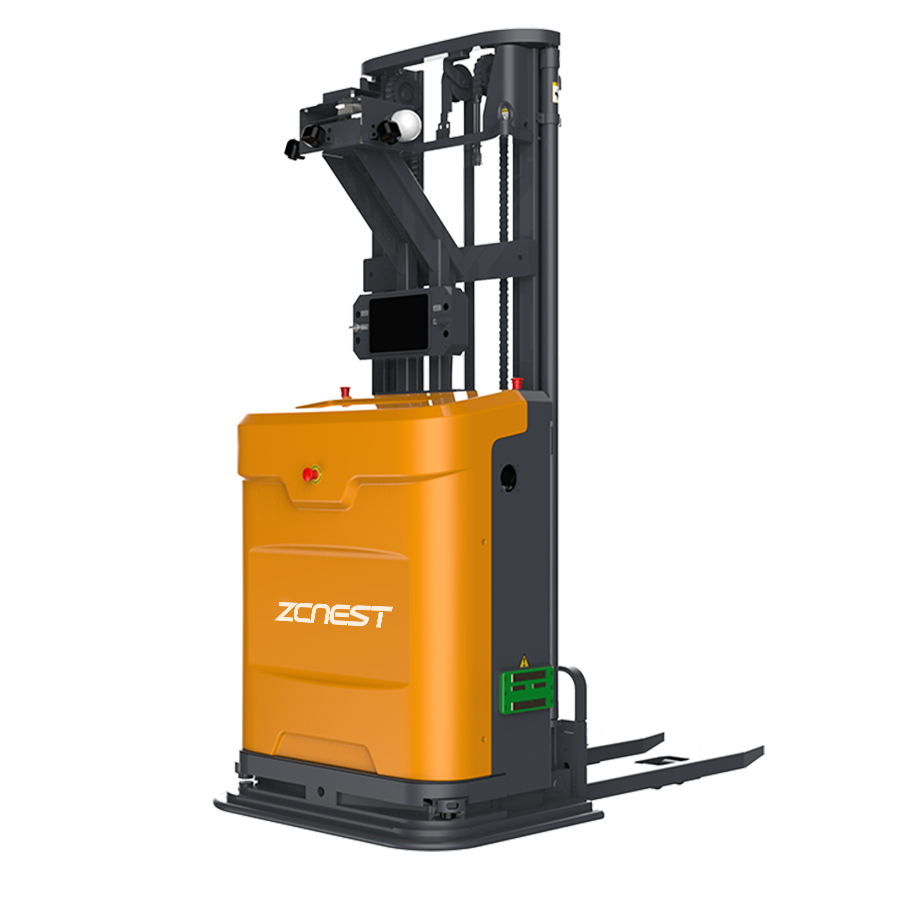
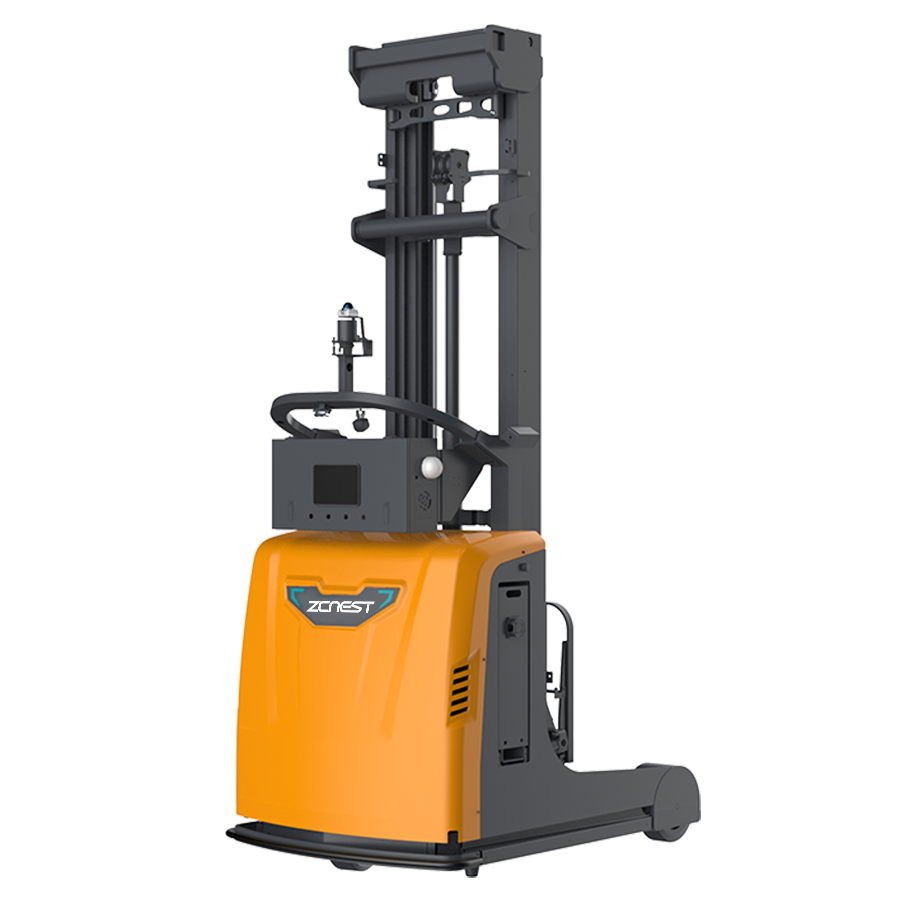
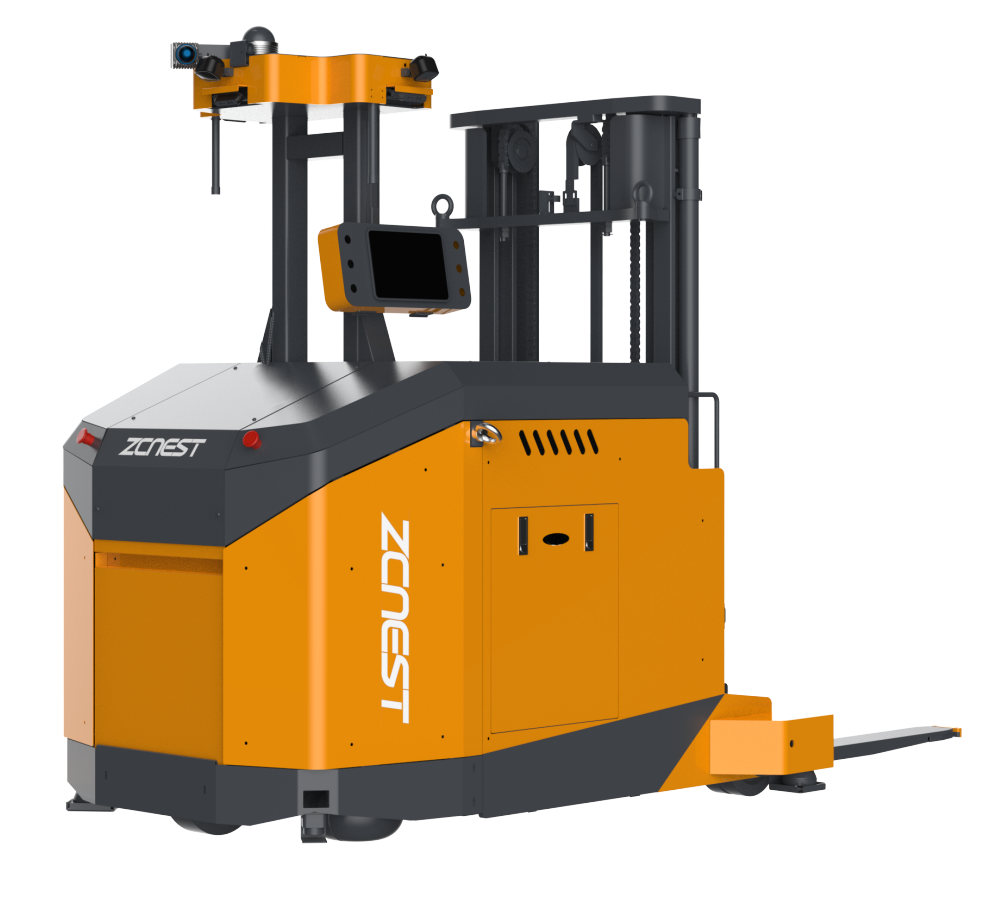
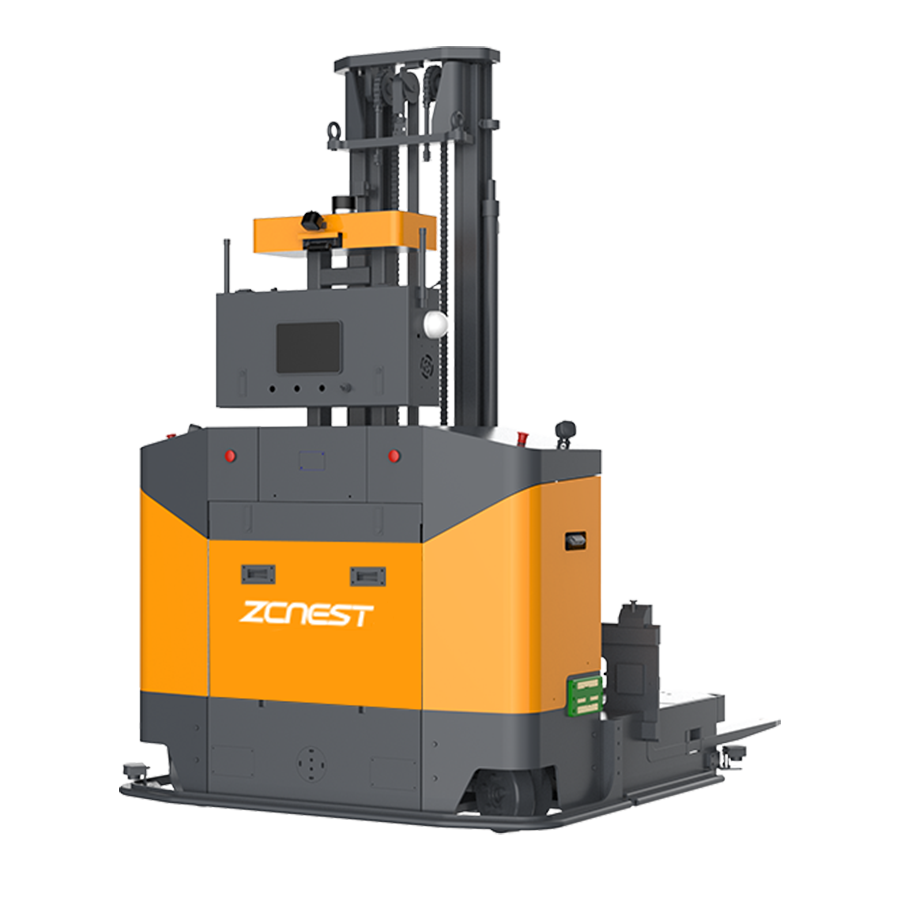
For enterprises deploying multi-vehicle fleets in shared human-robot environments, ZCNEST Robotics provides a proven, integrated technology stack. Beyond equipping its autonomous forklifts, latent AMRs, and heavy-duty AMRs with comprehensive 360° safety sensors, ZCNEST Robotics develops its own proprietary RCS fleet scheduling platform—supporting mixed-fleet coordination, predictive traffic control, and seamless WMS/MES integration for reliable, large-scale industrial operations.