


The logistics industry is undergoing a seismic shift. As labor costs rise and the demand for 24/7 warehouse operations increases, automatic forklifts (also known as Automated Guided Vehicles or AGVs) have moved from "futuristic concept" to "warehouse necessity."
In this guide, we’ll break down everything you need to know about integrating automation into your material handling process.
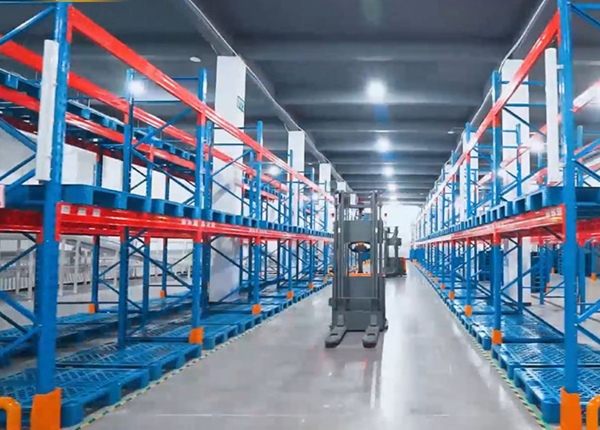
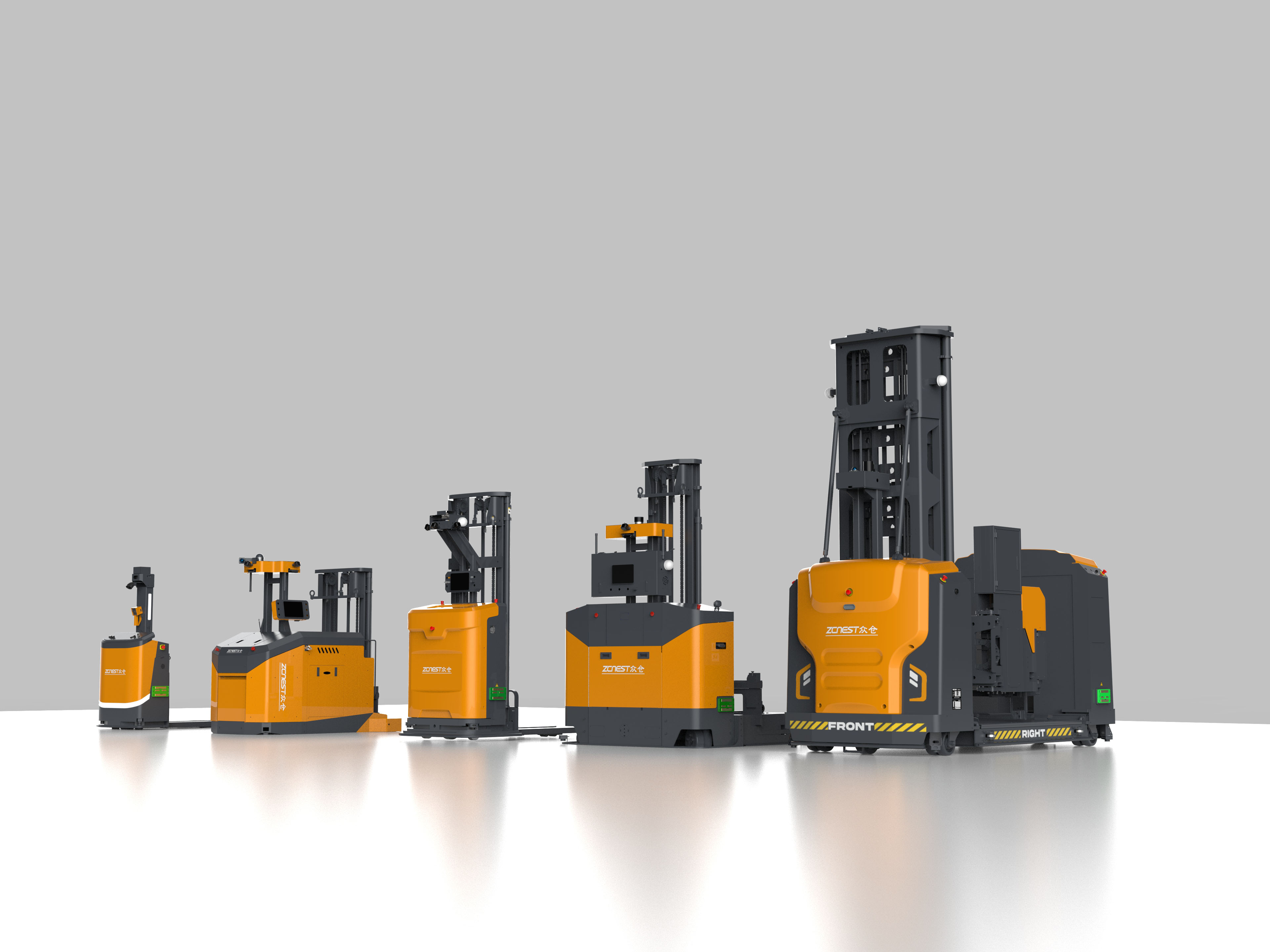
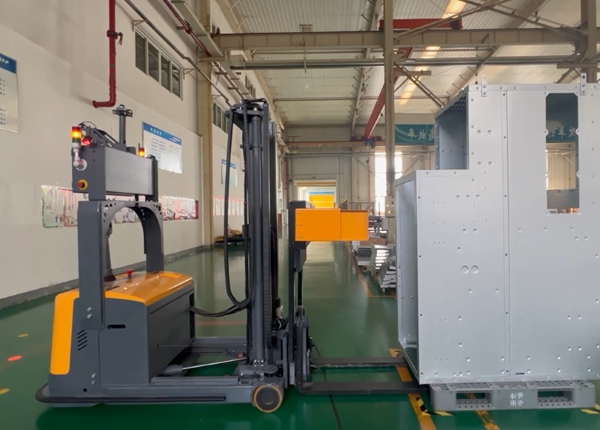
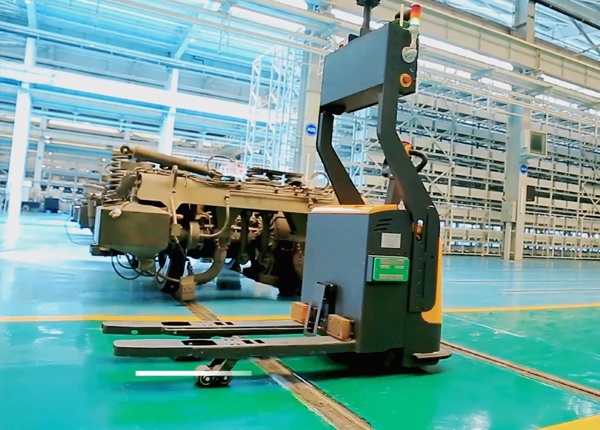
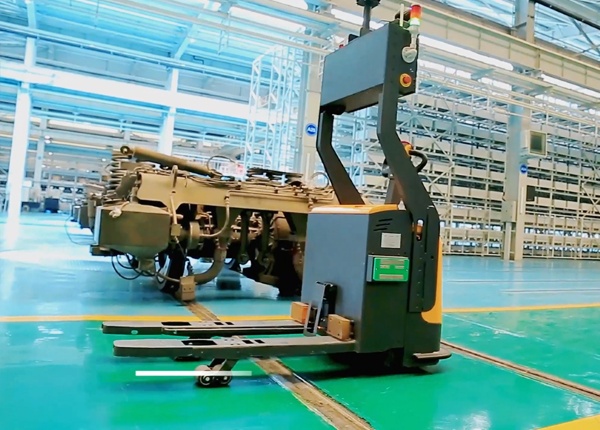
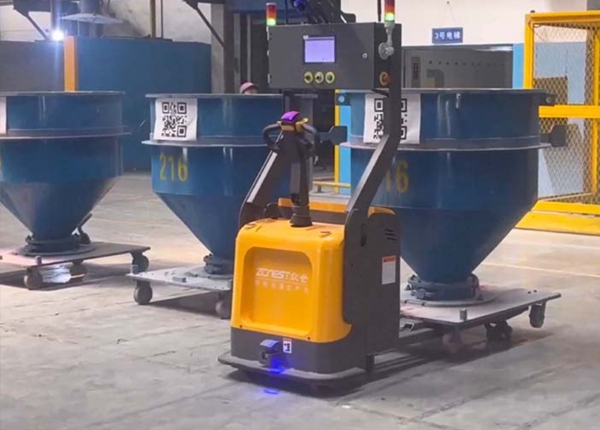
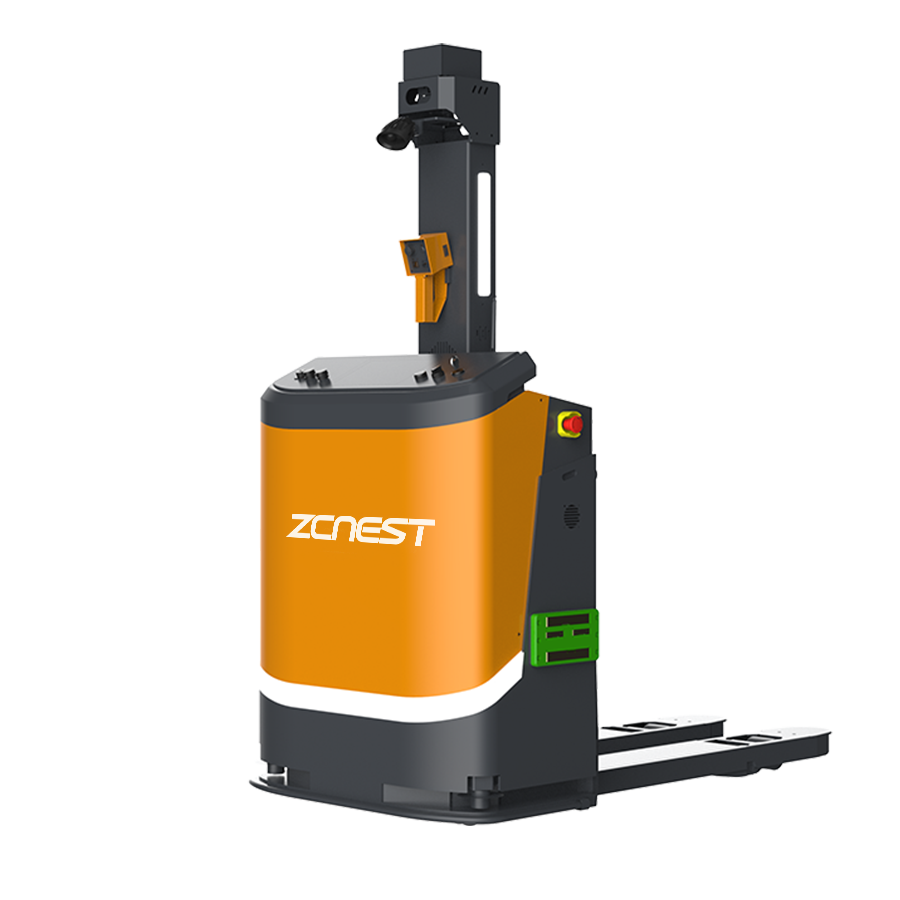
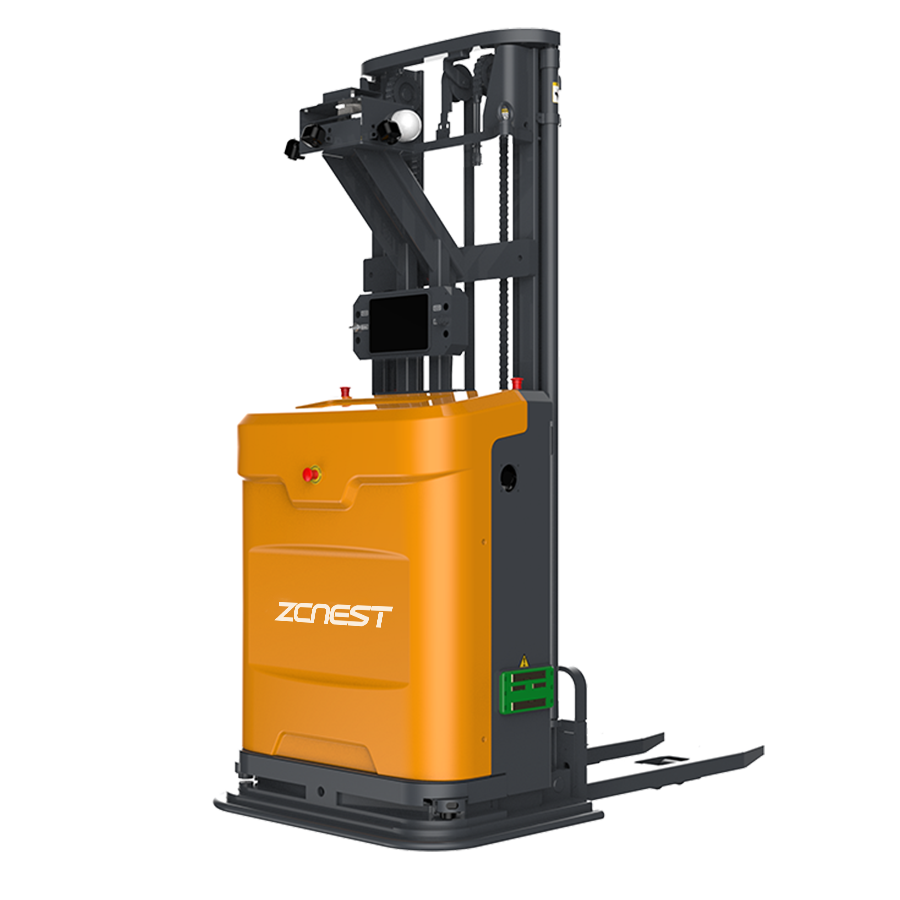
An automatic forklift is an industrial vehicle equipped with advanced sensors, cameras, and navigation software that allows it to move pallets and goods without a human operator. Unlike traditional forklifts, these machines utilize LiDAR, SLAM (Simultaneous Localization and Mapping), and AI to navigate complex environments safely.
Automated Guided Vehicles (AGVs): Follow fixed paths via magnetic tape or wires.
Autonomous Mobile Robots (AMRs): Use "natural navigation" to bypass obstacles dynamically.
Hybrid Forklifts: Standard forklifts retrofitted with automation kits, allowing for both manual and autonomous modes.
| Feature | Manual Forklift | Automatic Forklift (AGV/AMR) |
| Operating Hours | Limited by shifts/breaks | 24/7 Continuous operation |
| Safety | Human error risk | High (360° sensor coverage) |
| ROI Period | N/A | 12 to 24 months |
| Consistency | Variable speed/accuracy | Precise, repeatable movements |
The primary driver for automation is the difficulty in finding and retaining certified forklift operators. Automatic forklifts don’t require sick leave, benefits, or overtime pay.
Human error accounts for over 70% of warehouse accidents. Automatic forklifts are programmed with strict "stop-and-go" protocols. If a pedestrian walks into its path, the sensors detect the movement in milliseconds and halt the vehicle.
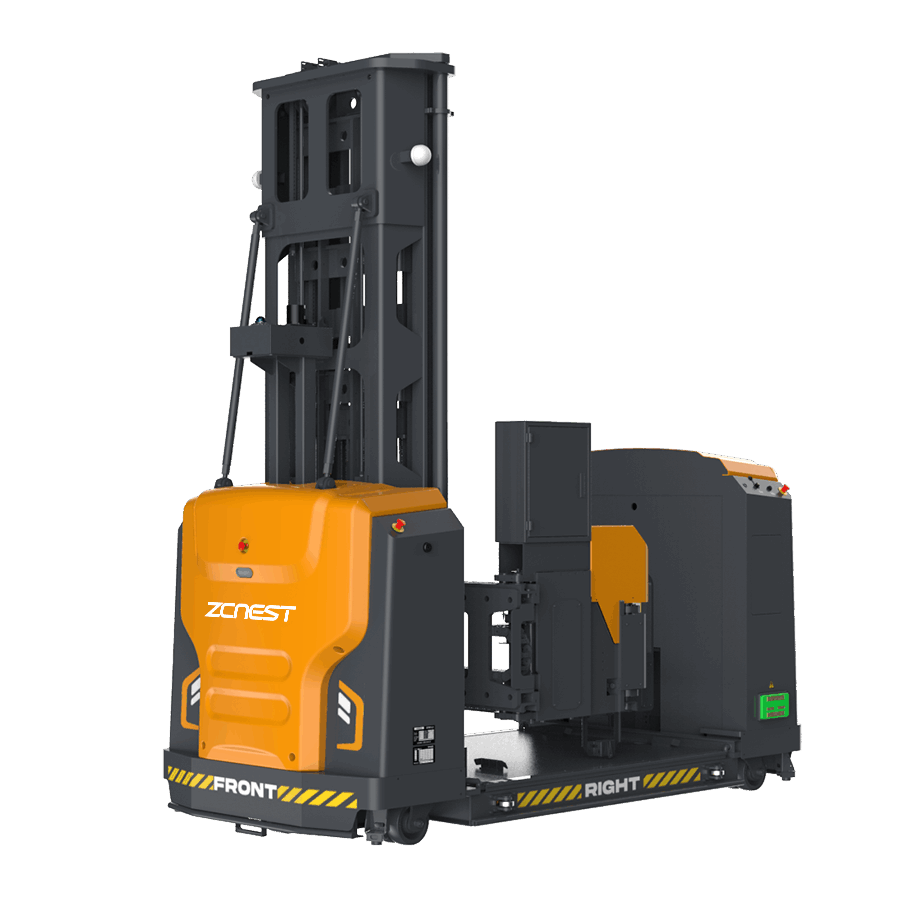
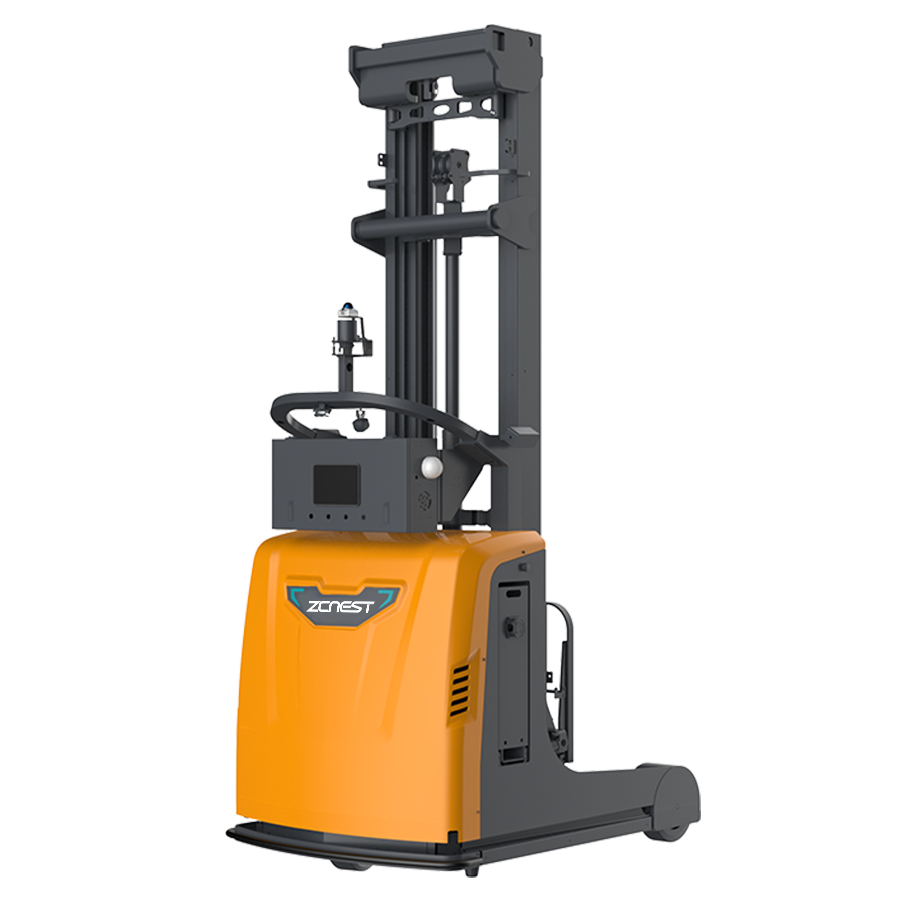
Modern automated reach trucks can operate in narrower aisles and reach higher racking systems than traditional operators, effectively increasing your storage capacity without expanding your footprint.
While prices vary based on capacity and navigation technology, here is a general breakdown:
Pro Tip: When calculating ROI, don't just look at the sticker price. Factor in the reduction in product damage, lower insurance premiums, and the elimination of 2-3 operator salaries per vehicle.
Yes. Most modern AMRs use SLAM navigation, meaning they don't require floor magnets or reflectors. They "learn" your existing layout via a pilot run.
Most units use Lithium-ion batteries with "opportunity charging." The forklift will autonomously drive to a charging station during downtime, providing 24/7 availability.
While the mechanical parts are similar to standard forklifts, you will need a technician familiar with software and sensor calibration. Many manufacturers now offer "Robot-as-a-Service" (RaaS) models that include full maintenance.





 Chinese
 English