


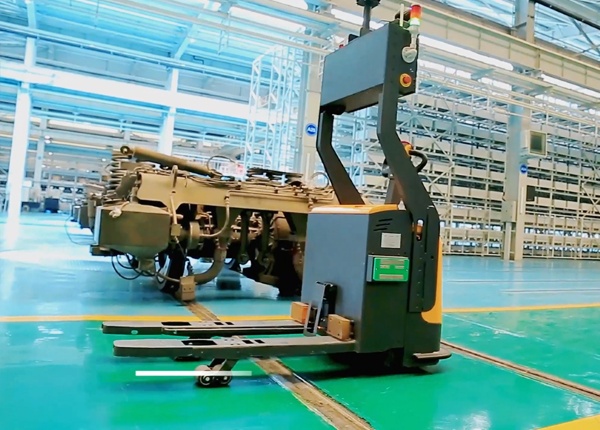
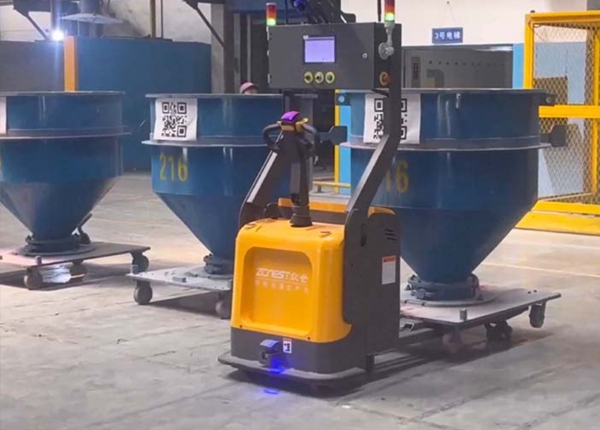
In high-velocity distribution centers, the efficiency of material handling is the heartbeat of the entire operation. Moving away from traditional manual labor toward Autonomous Forklift Robots (AFRs) is no longer just a trend; it is a strategic necessity for facilities aiming to optimize floor safety and throughput consistency.
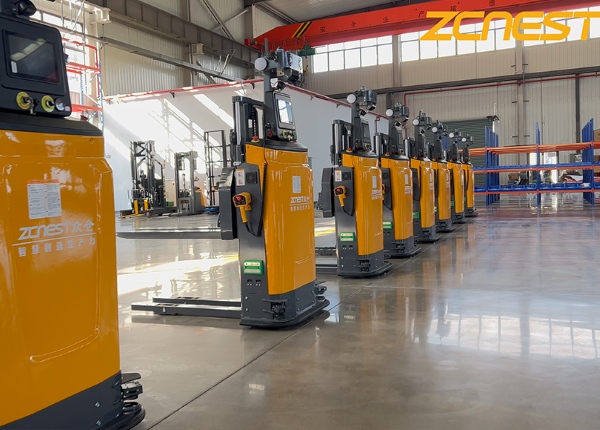
Unlike standard industrial vehicles, an autonomous forklift system is engineered to function as a self-regulating component of your warehouse infrastructure, bridging the gap between static storage and dynamic logistics.
Just as a professional fitness floor must provide both stability and shock absorption, an autonomous forklift must balance speed with environmental awareness. In a crowded warehouse, the variables are constant: pedestrians, misplaced pallets, and changing inventory levels.
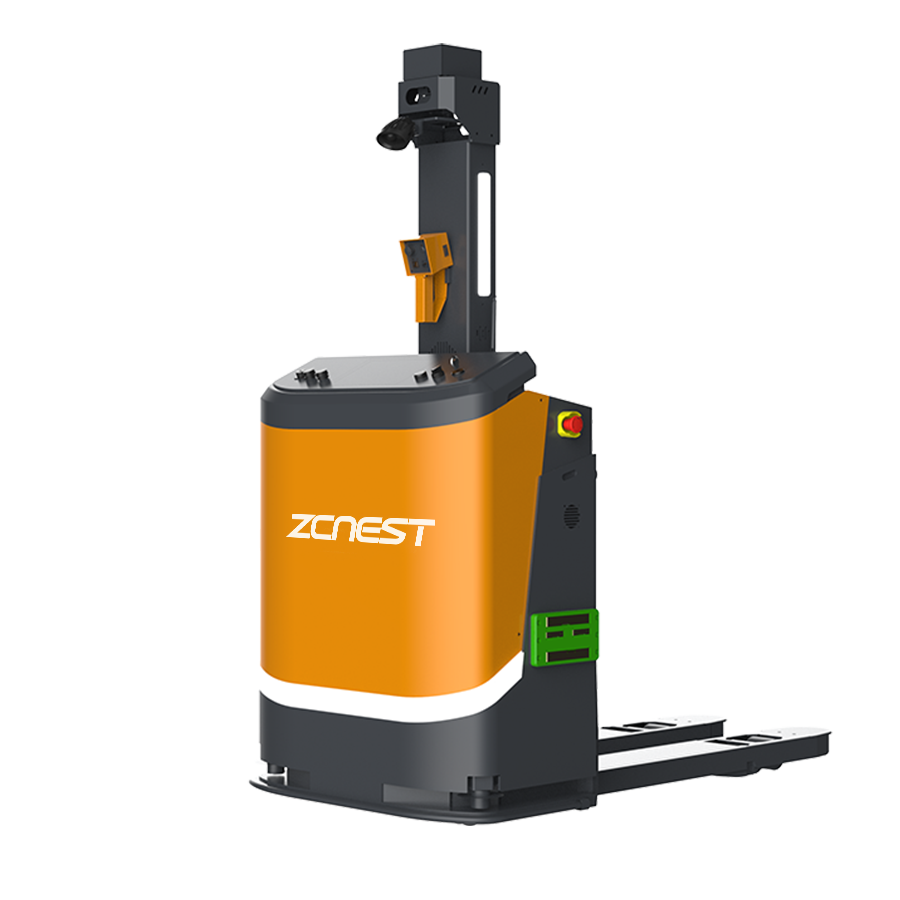
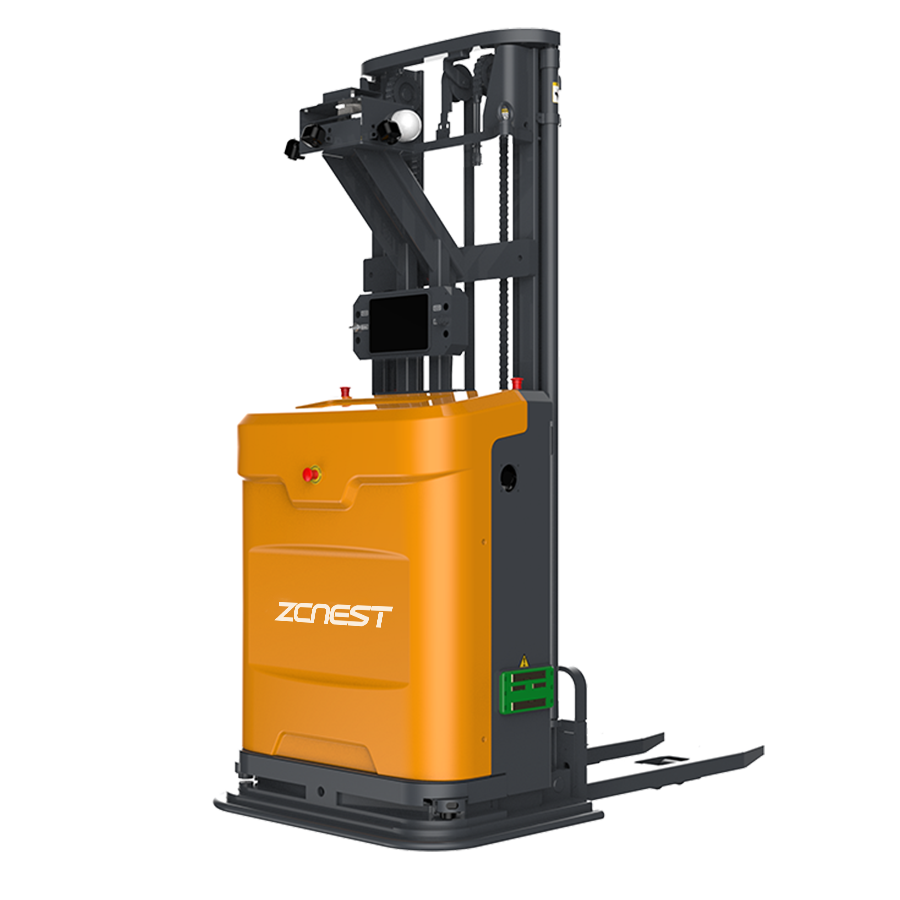
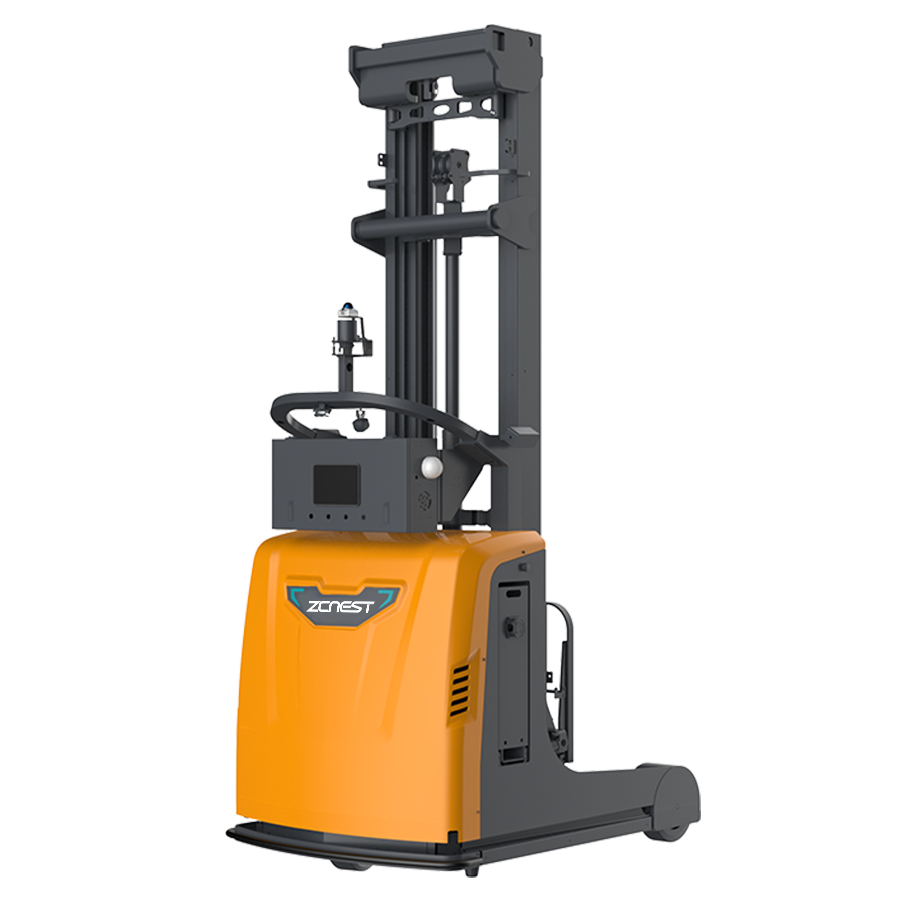
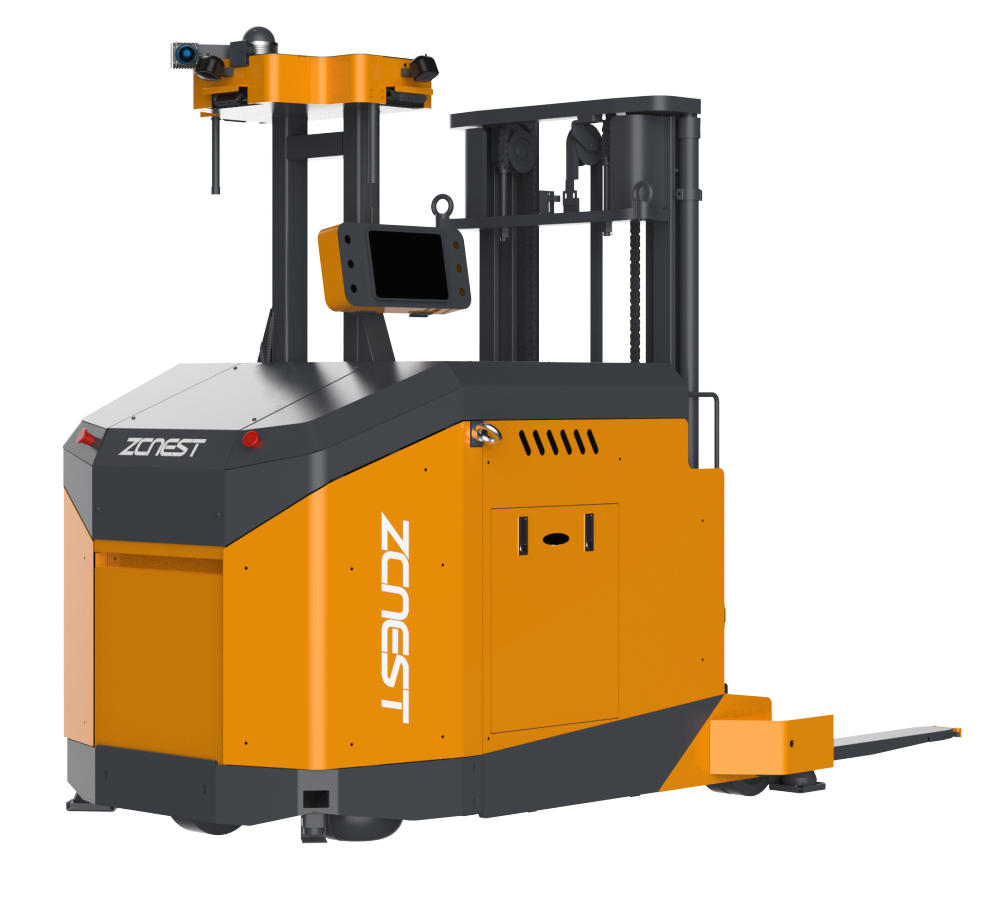
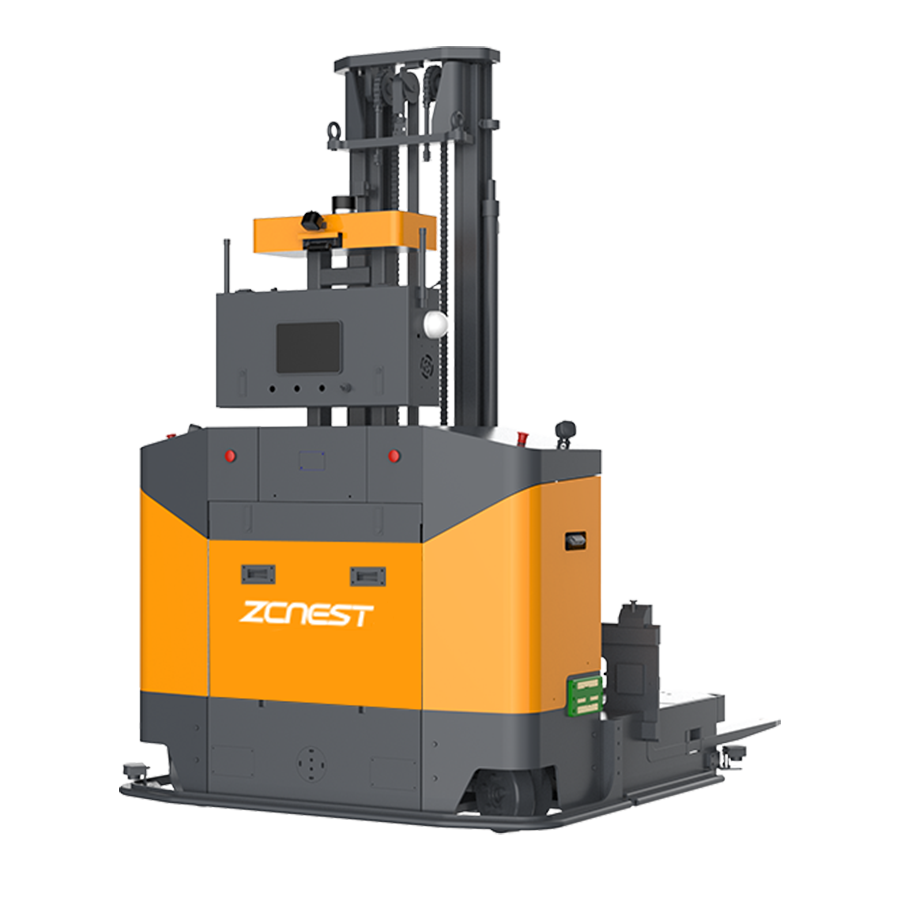
A high-quality autonomous forklift robot addresses these challenges through a multi-layered technological approach:
Continuous Spatial Mapping: Utilizing LiDAR sensors to maintain a 360-degree digital twin of the facility.
Predictive Pathing: Calculating the most efficient route in real-time to avoid bottlenecks.
Load Integrity Sensors: Detecting pallet weight and center of gravity to ensure safe transport during high-speed maneuvers.
The decision to implement autonomous robots is often driven by the need for operational predictability. Manual forklift operation is subject to human fatigue, leading to a decrease in precision toward the end of a shift. AFRs, however, maintain a 100% performance baseline regardless of the hour.
Safety is the most critical factor in any industrial environment. Autonomous forklifts are programmed with strict "No-Go" zones and instant-stop triggers. These robots do not have "blind spots," as their sensor arrays provide total coverage that exceeds human visual capacity.
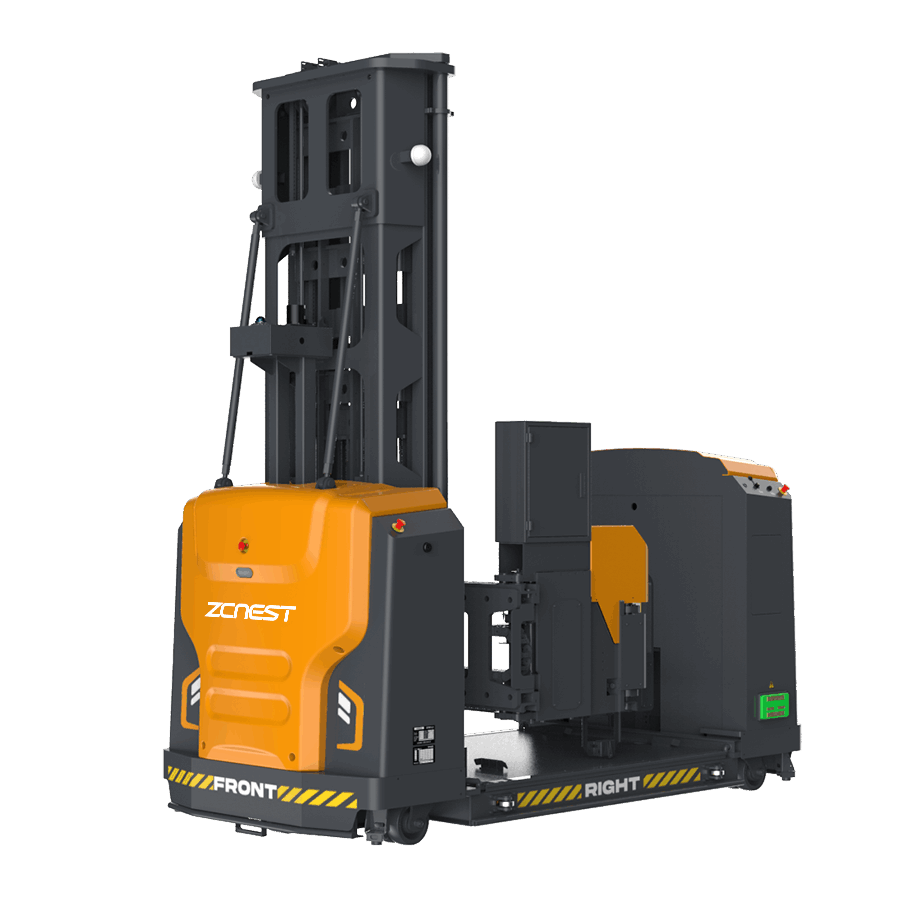
Modern facilities are expanding vertically to maximize footprint. Navigating narrow aisles and placing pallets at heights exceeding 10 meters requires a level of precision that is difficult to achieve manually. Autonomous systems use laser-guided positioning to align forks within millimeters of the target rack.
Manual forklifts often suffer from "aggressive driving" damage—hard braking and rapid acceleration that wear down tires and hydraulic systems. AFRs operate within optimized mechanical parameters, significantly extending the lifecycle of the vehicle's components.
To ensure the successful integration of autonomous forklift robots, certain facility standards must be met:
Every distribution center has a unique pulse. Implementing an autonomous forklift robot system starts with a comprehensive site flow analysis. We evaluate your current traffic patterns, pallet dimensions, and WMS (Warehouse Management System) integration points to create a seamless transition from manual to automated logistics.
By investing in autonomous technology, you are not just buying a machine; you are installing a high-performance system designed to scale with the future of global supply chains.
The "Why" Section: Just like the fitness floor article explains why rubber/wood matters for joints, this explains why AFRs matter for "operational predictability."
Structured Comparisons: Using tables to define "Facility Readiness" mirrors the site's focus on installation requirements.
Professional Tone: It avoids "salesy" hype, focusing instead on "spatial mapping" and "mechanical parameters."





 Chinese
 English