


As labor costs continue to rise and warehouse efficiency becomes more critical, more companies are turning to automated forklift robots to upgrade their intralogistics systems.
This guide explains not only the basics but also covers real applications, selection criteria, and ROI analysis to help businesses make informed decisions.
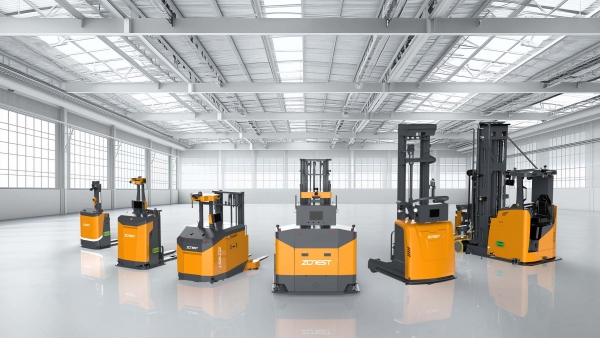
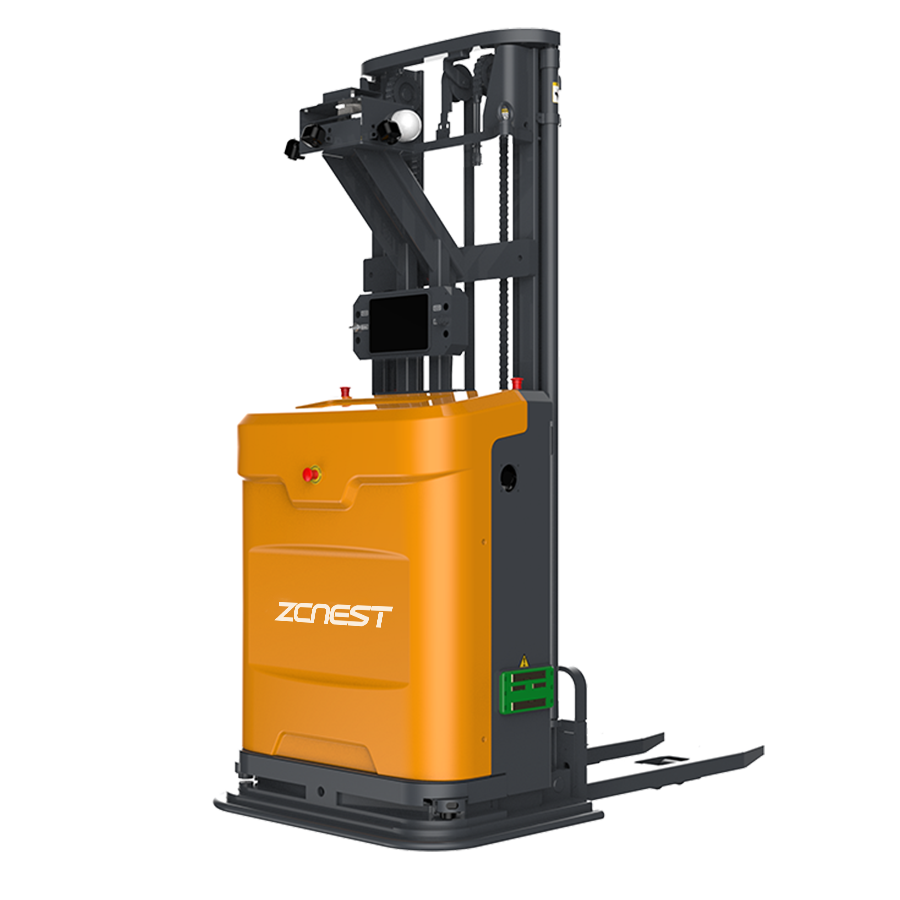
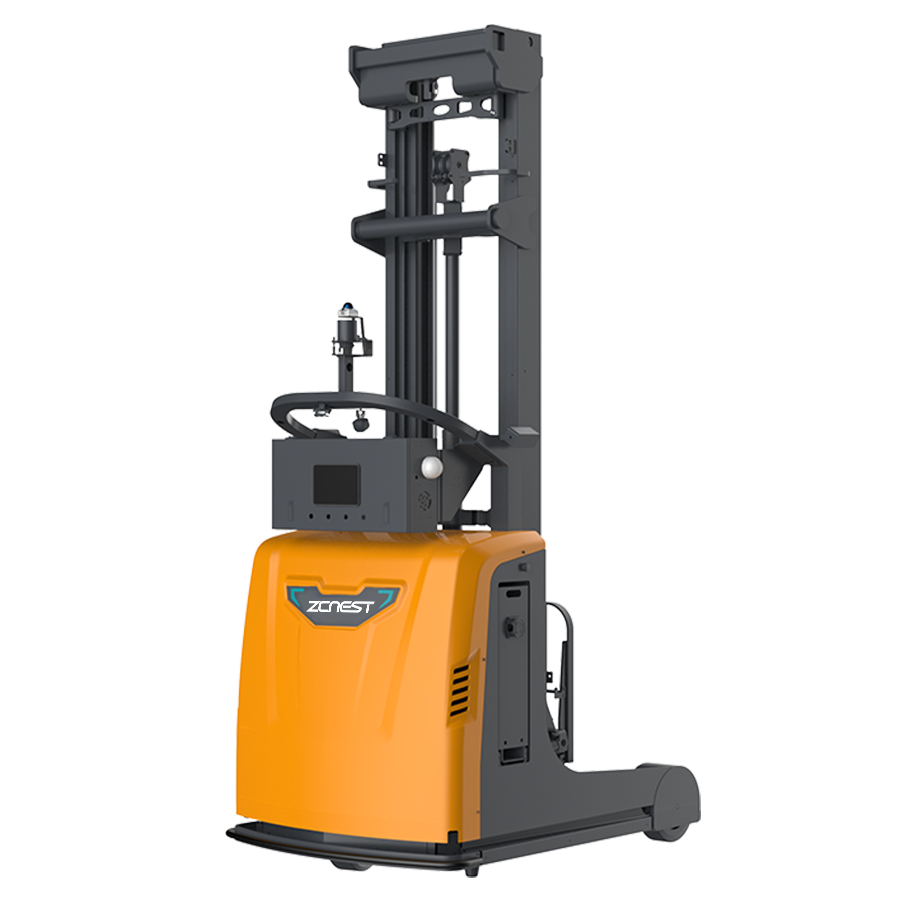
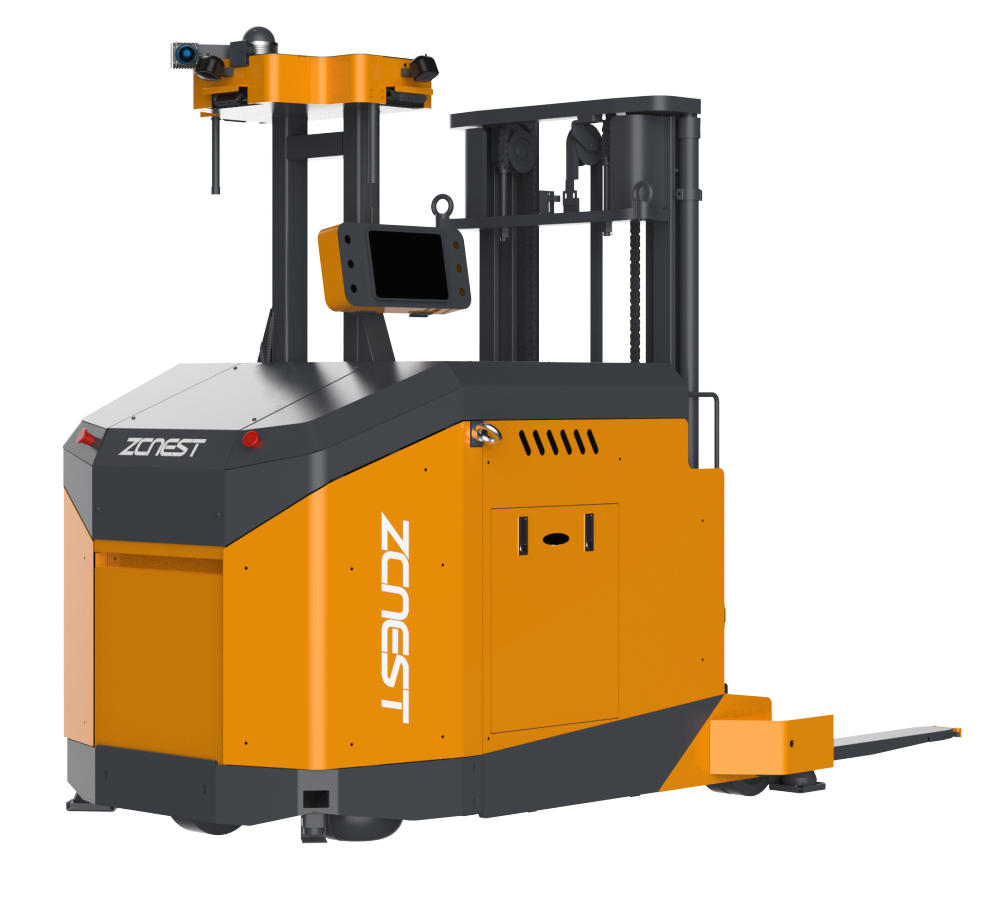
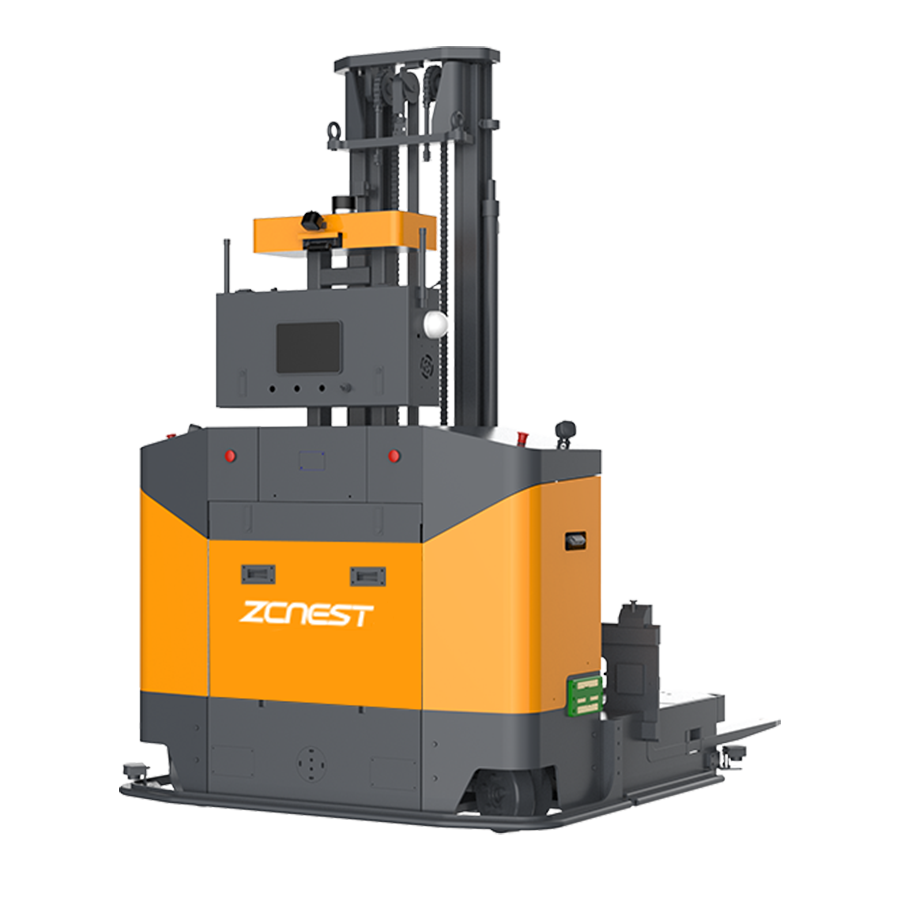
An automated forklift robot (also known as an AGV or AMR forklift) is a driverless vehicle designed to transport, lift, and stack pallets without human intervention. Key technical pillars include:
Laser or vision-based navigation (SLAM)
Sensors for obstacle detection and 360° safety
Seamless integration with WMS (Warehouse Management System) and ERP systems
🚀 Increased Productivity
These robots can operate 24/7 without fatigue, significantly improving daily throughput and eliminating downtime.
🛡️ Improved Safety
Equipped with high-precision sensors and collision avoidance systems, they eliminate human error and reduce workplace accidents.
💰 Lower Labor Costs
They minimize reliance on manual labor, reducing long-term operational expenses and recruitment challenges.
🎯 High Accuracy
They ensure consistent and precise pallet handling, which significantly reduces product and rack damage.
Warehousing: pallet transport, automated storage, and high-density retrieval.
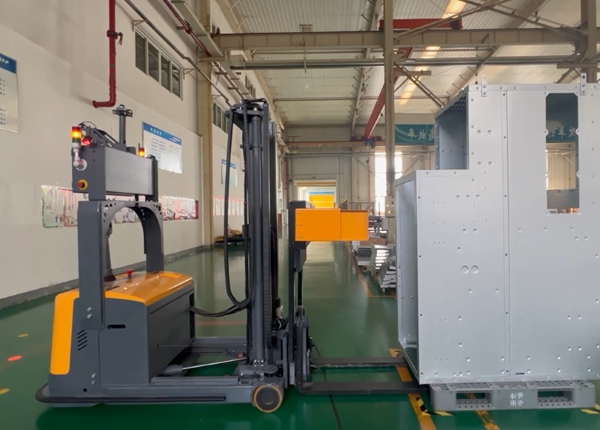
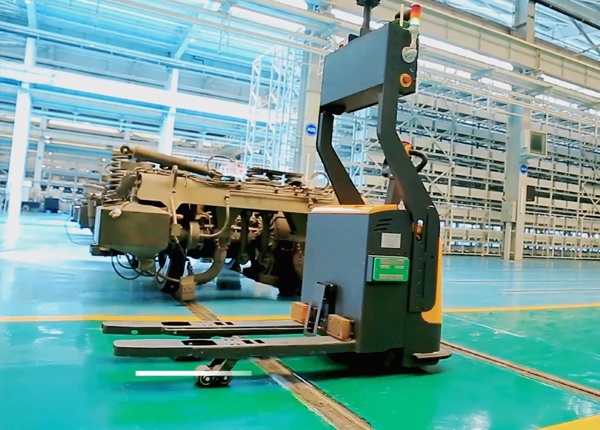
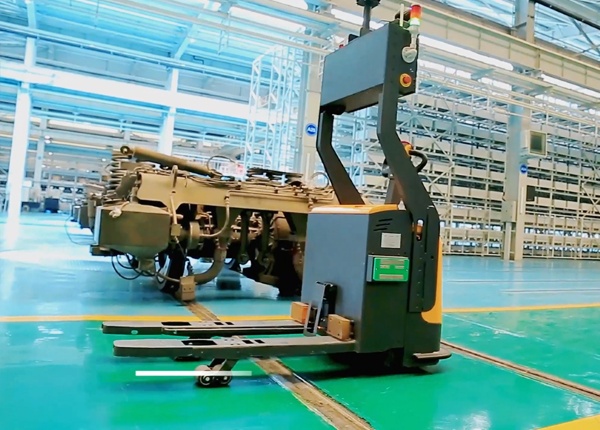
Manufacturing: precise line-side material delivery and raw material supply.
Distribution Centers: supporting high-frequency logistics and cross-docking operations.
Special Environments: efficient operation in cold storage (-25°C) and hazardous zones.
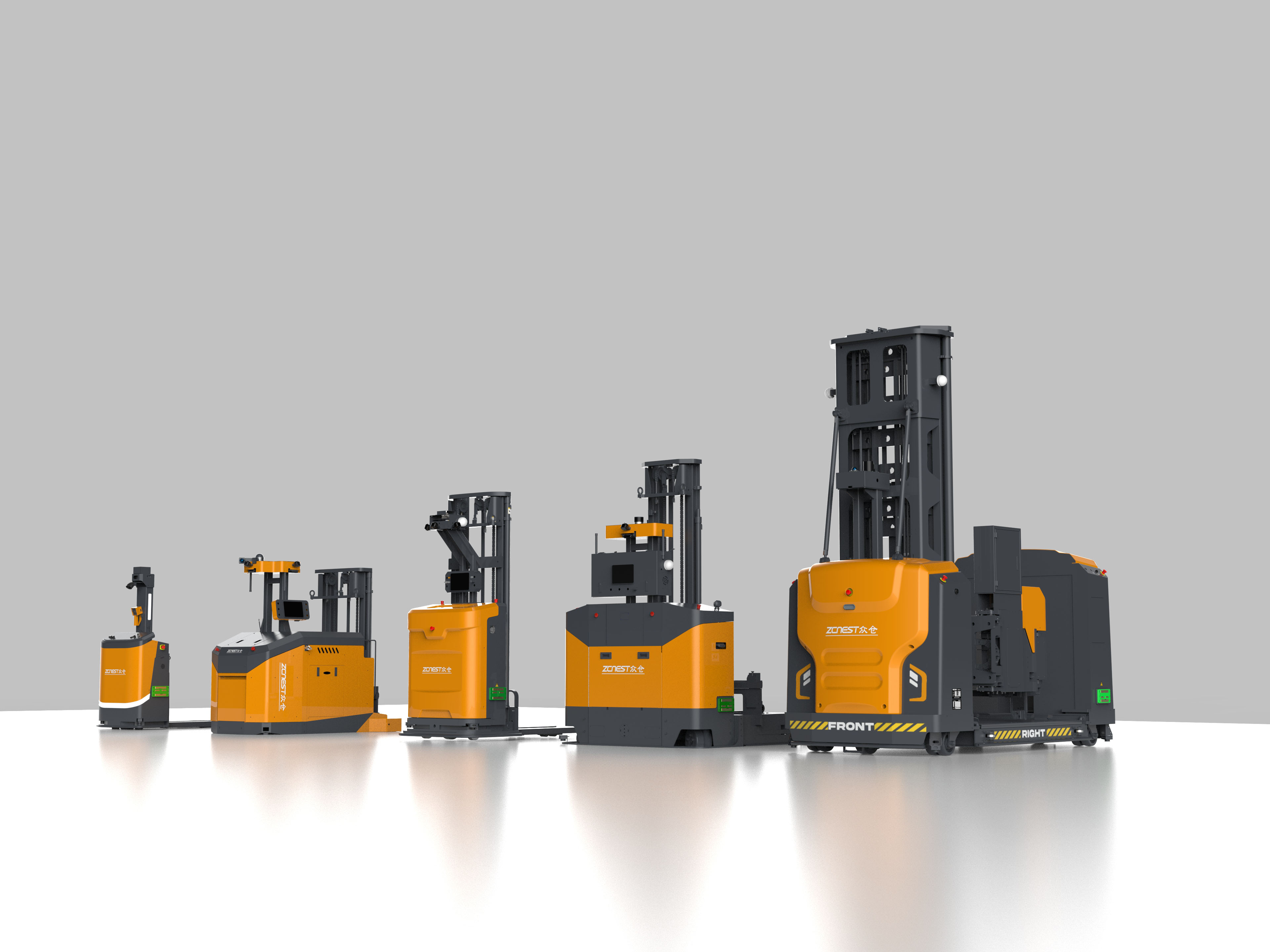
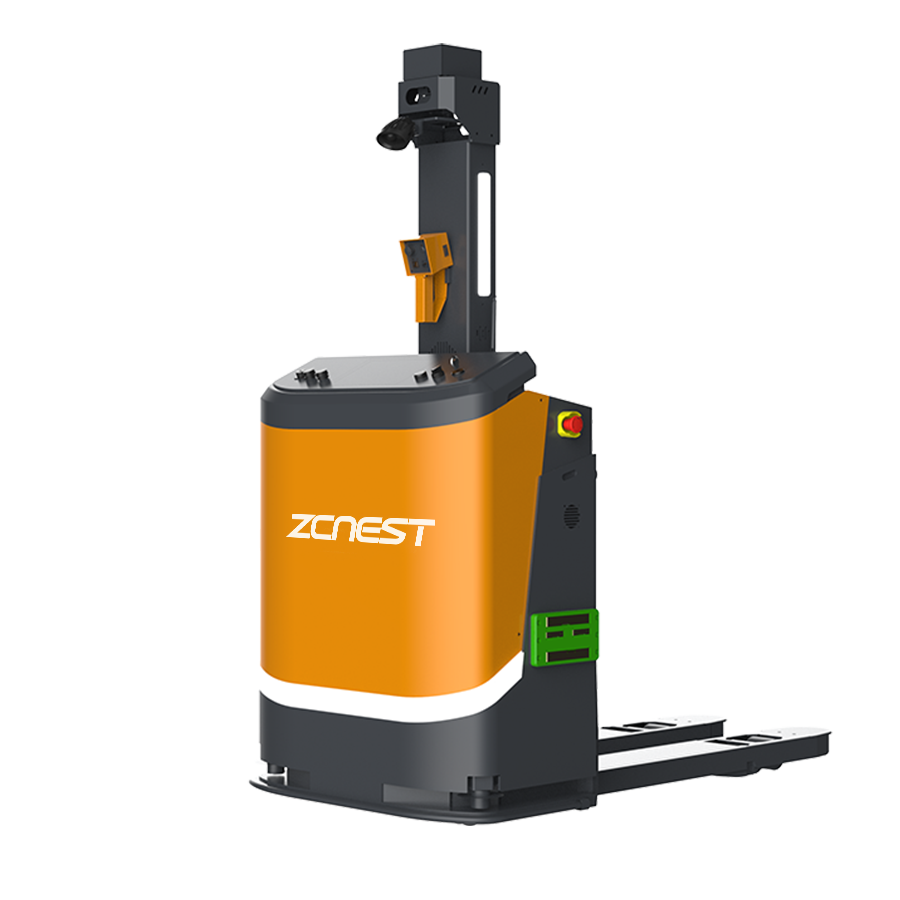
Ideal for long-distance horizontal transport.
Used for light stacking at low to medium heights.
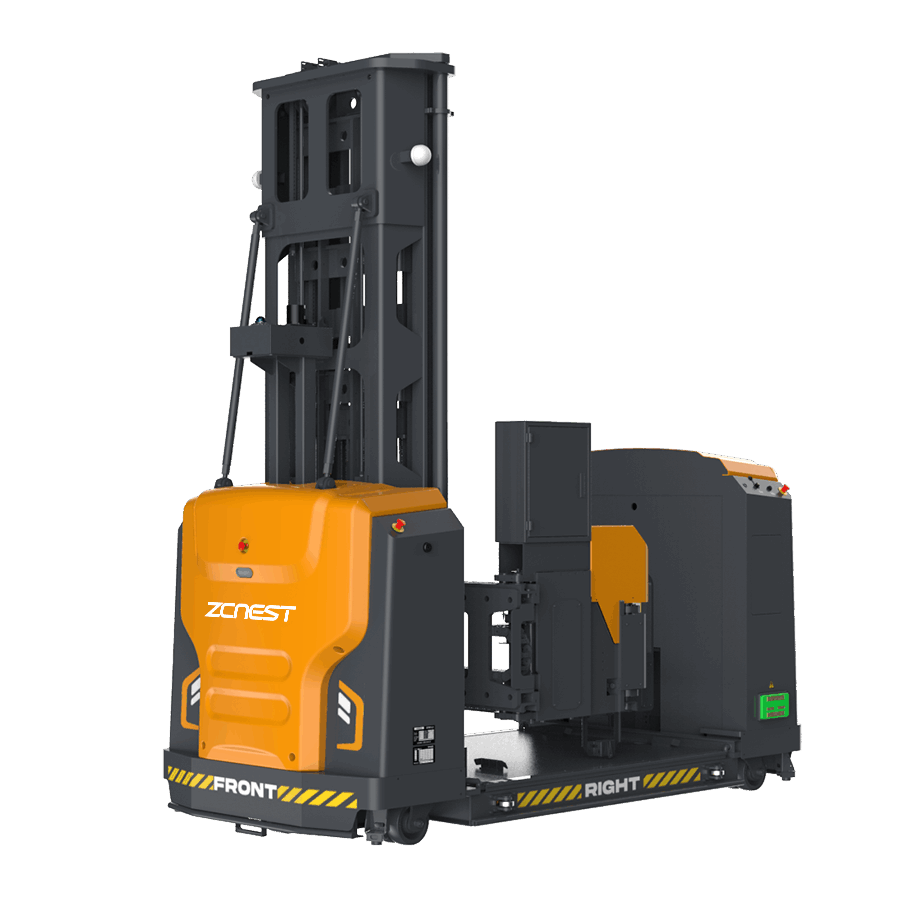
Designed for high-rack warehouses and narrow aisles.
Suitable for heavy loads and outdoor-to-indoor use.
Navigation Systems:
Laser SLAM: The most flexible, no floor modification needed.
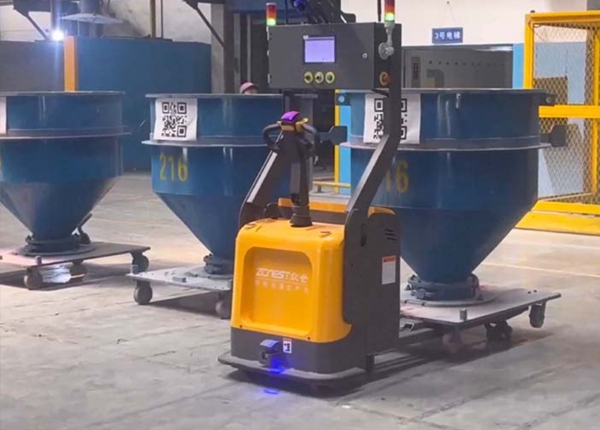
Magnetic or QR navigation: Best for fixed, repetitive routes.
System Integration: Connects directly with WMS, MES, and ERP systems for real-time data synchronization.
Battery & Charging: Uses high-performance Lithium batteries with automatic charging stations for continuous uptime.
To find the perfect fit, evaluate these four critical factors:
Load Capacity: Common options include 1T, 1.5T, 2T, and 5T.
Lift Height: Ranging from 2m for simple stacking to over 10m for high-bay storage.
Aisle Width: Crucial for determining if you need a reach truck or a specialized narrow-aisle solution.
Working Environment: Consider factors like cold storage requirements, dusty conditions, or outdoor usage.
| Factor | Manual Forklift | Automated Forklift |
|---|---|---|
| Labor Cost | High | Low |
| Safety | Risky | High Safety |
| Operation Time | 8 hours | 24/7 |
| Accuracy | Human Error | High Precision |
Typical results include up to 30% efficiency improvement and significant labor cost reduction.
| Feature | AGV | AMR |
|---|---|---|
| Navigation | Fixed | Dynamic (SLAM) |
| Flexibility | Low | High |
| Cost | Lower | Higher |
| Best for | Stable workflows | Complex environments |
AI-based pallet recognition: Smarter picking even with slightly misplaced pallets.
Fully automated “dark warehouses”: Warehouses that operate entirely without lighting or human presence.
Multi-robot collaboration: Swarm intelligence for fleet coordination.





 Chinese
 English