


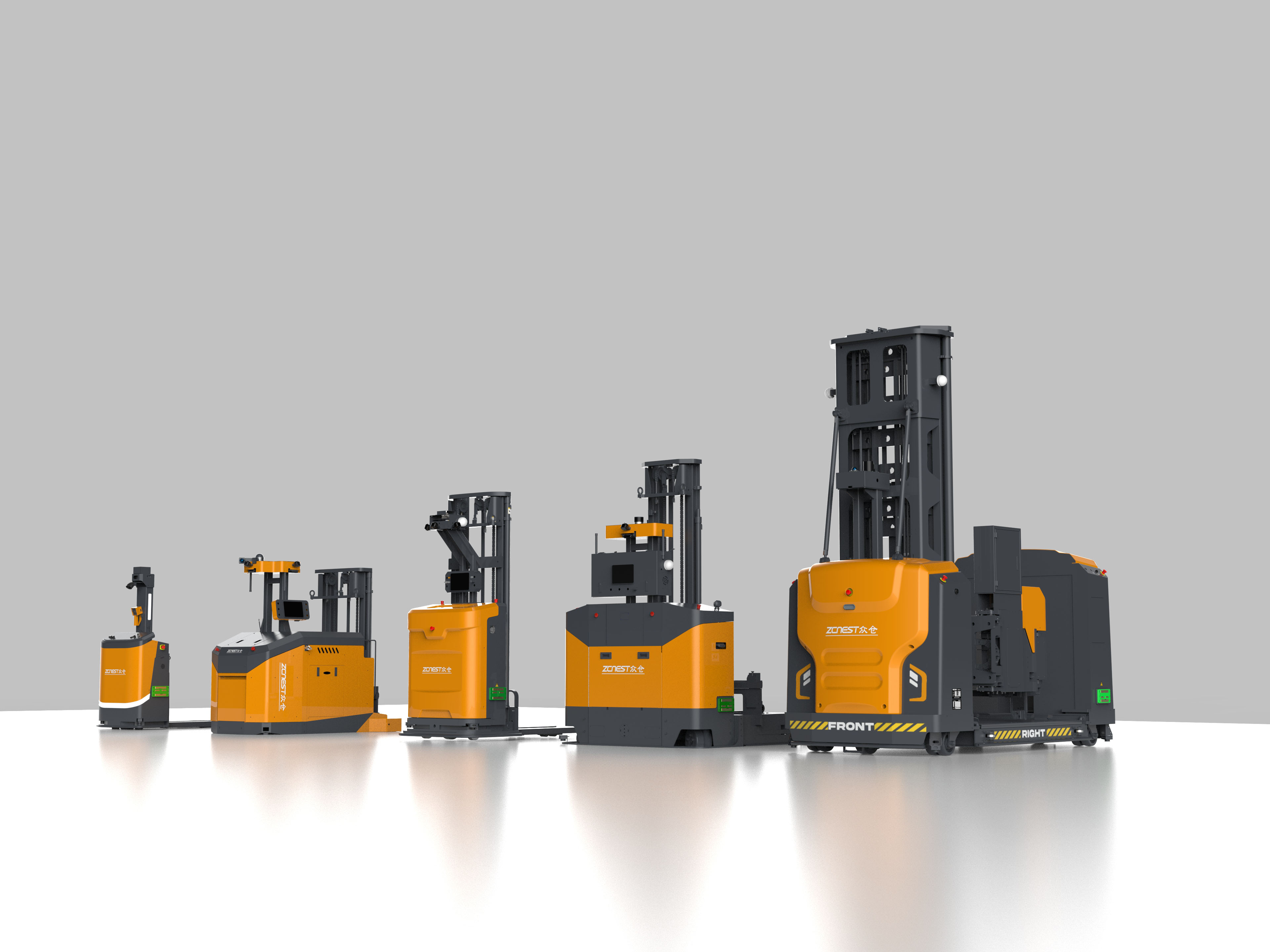
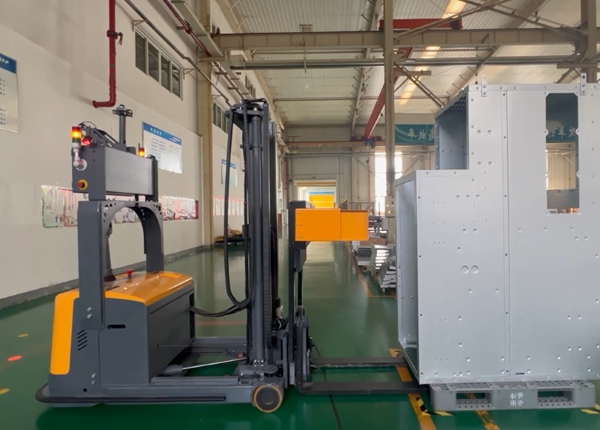
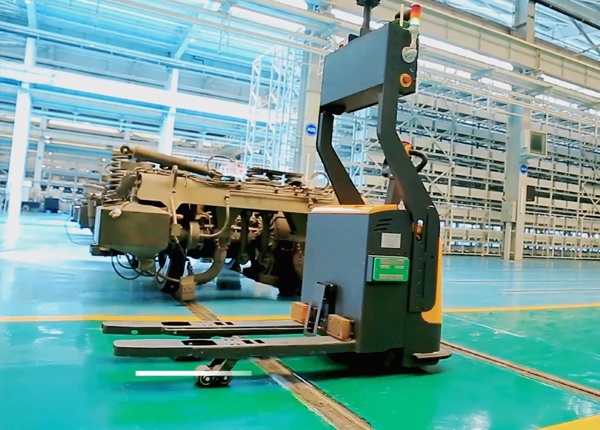
Behind every AMR Forklift lies a sophisticated technological architecture. In 2026, these robots combine advanced robotics, artificial intelligence, and sensor fusion to operate safely within dynamic warehouse environments. Understanding how these systems function reveals why they are increasingly favored over conventional automation solutions.
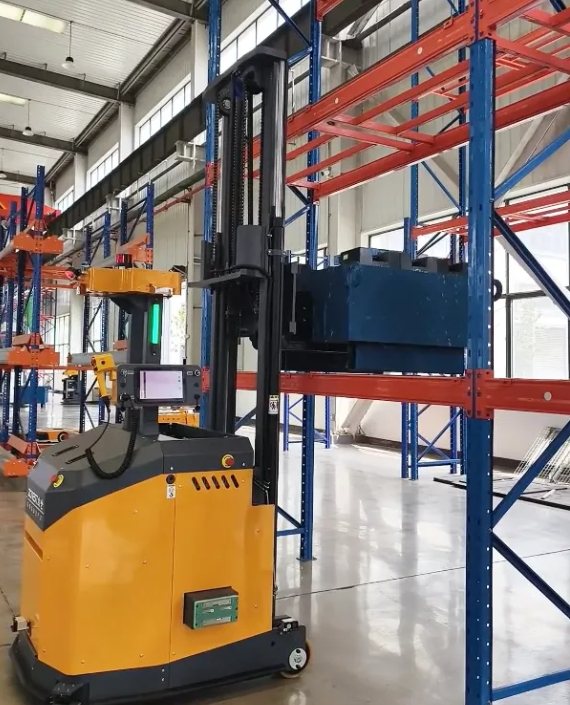
Before deployment, AMR forklifts create a high-precision digital map of the warehouse using Simultaneous Localization and Mapping (SLAM). This process allows the robot to autonomously:
● Identify travel corridors and detect pallet racks.
● Recognize charging stations and docking zones.
● Calculate optimal travel paths for real-time navigation.
To perceive their surroundings with 360° awareness, modern robotic forklifts rely on a multi-sensor configuration:
| Sensor Type | Function & Utility |
|---|---|
| 3D LiDAR Scanners | Long-range environment mapping and high-precision obstacle detection. |
| Depth Cameras | Visual identification of pallet pockets and load alignment. |
| Ultrasonic & IMU | Close-range safety redundancy and motion tracking stability. |
Robotic forklifts continuously evaluate data from onboard sensors to determine the most efficient route. Fleet management software coordinates multiple units, balancing workloads and preventing congestion. This allows dozens of robots to maintain optimal productivity across a single facility.
The AI Edge: Machine learning algorithms predict maintenance needs and optimize material flow patterns, transforming AMRs into intelligent logistics infrastructure rather than simple robotic vehicles.





 Chinese
 English