

The Real Question Buyers Ask: Will an AMR forklift actually fit my existing workflow?
In 2026, selecting the right Robotic Forklift requires evaluating operational processes rather than simply comparing machine specifications.
Every warehouse has a unique pallet movement pattern. Before choosing a robot, companies should map out the most frequent material transport routes. ZCNest experts recommend asking these key questions:
Throughput
How many pallet movements occur per hour?
Consistency
Are pallets moving between fixed points?
Scheduling
Do tasks follow predictable schedules?
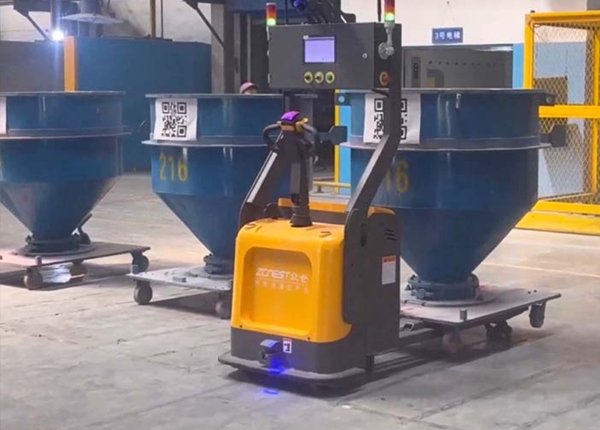
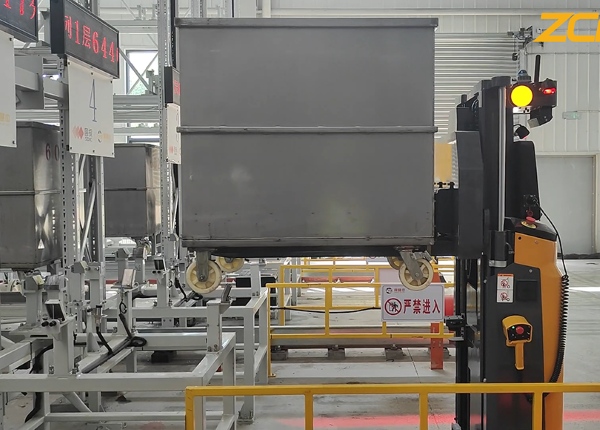
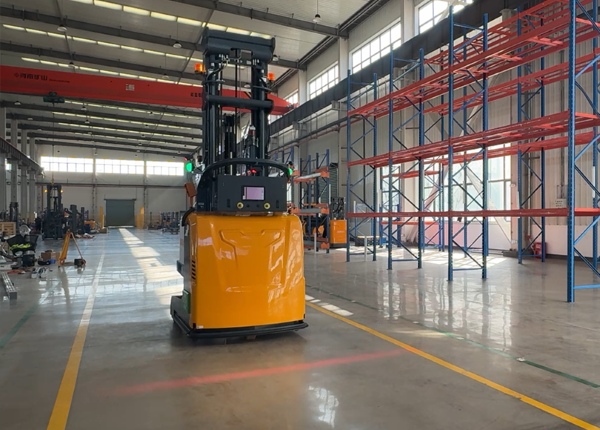
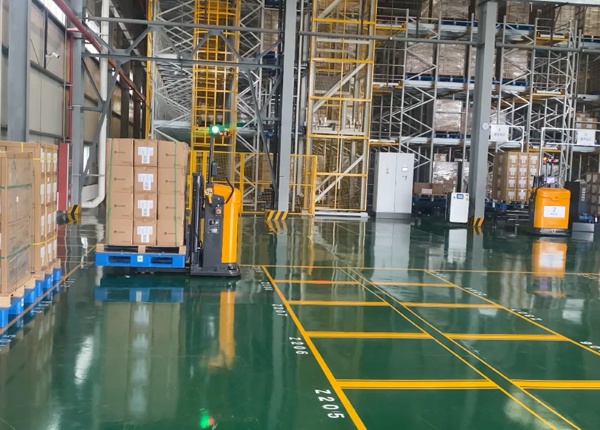
Physical layout directly affects automation feasibility. While wide aisles are ideal, modern AMR forklifts can operate in Narrow Aisle (VNA) environments if navigation systems are properly configured.
Crucial metrics: Aisle width, rack height, and average traffic density.
Automation becomes truly powerful when it connects with your software stack:
| System Type | Integration Value |
|---|---|
| WMS | Automated inventory reconciliation and task priority management. |
| MES | Synchronizes pallet movement with production line cycles. |
| IoT Platforms | Real-time tracking of robot health and environmental obstacles. |
Another factor buyers often overlook is scalability. As warehouse throughput grows, the automation system should support additional robots without redesigning the entire infrastructure. Flexible AMR platforms allow companies to expand gradually—starting with a single unit and scaling to a full fleet as demand increases.





 Chinese
 English