


EXPERT INSIGHT
A common misconception is that robotic forklifts only work in newly built warehouses. In reality, most AMR deployments in 2026 take place in facilities originally designed for manual operations.
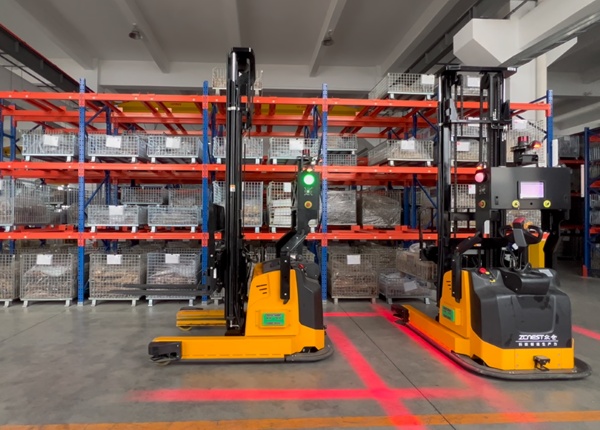
Before installation, engineers create a high-fidelity digital map using the robot’s onboard sensors (SLAM technology). This "digital twin" of your facility includes:
📍 Storage Racks
🛤️ Travel Routes
🚢 Loading Docks
⚡ Charging Stations
Success lies in a "Start Small, Scale Fast" approach. Many companies begin with limited, high-impact pilot projects:
Automate the long-haul transport from inbound docks to racking zones.
Seamless movement from manufacturing lines to temporary staging areas.
Precisely staging pallets near docks according to outbound schedules.
Successful automation requires human-robot collaboration. Training programs ensure employees understand AMR safety protocols and operational flows, leading to a smoother transition.
After deployment, ZCNEST managers use real-time data to refine routes and workflows, ensuring your ROI grows as the system matures.





 Chinese
 English