


Industry Insight 2026
The question isn't just about replacement—it's about optimization. While unmanned forklifts are rapidly evolving, their true value in 2026 lies in how they augment the human workforce. ZCNEST provides a nuanced look at the capabilities and boundaries of autonomous logistics.
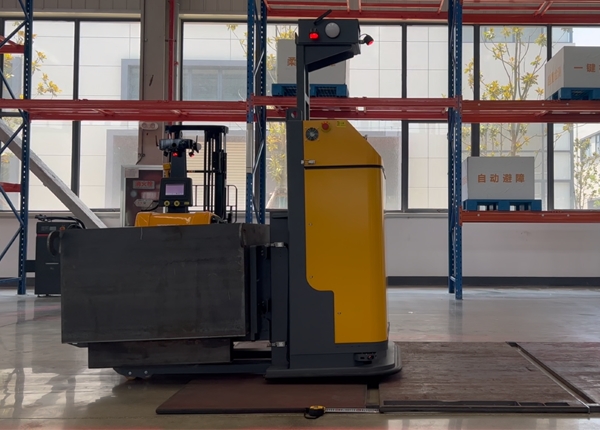
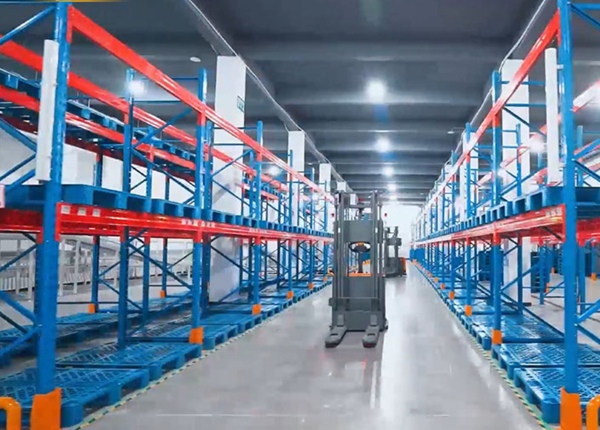
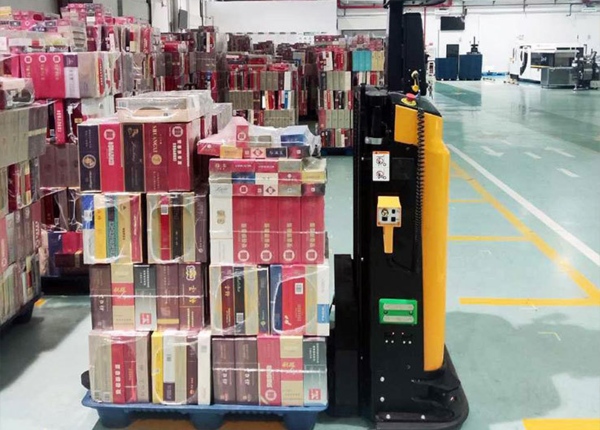
• Repetitive dock-to-storage transport
• Stable production line material supply
• High-frequency staging in shipping zones
• Predictable routes in structured zones
• Handling irregular or damaged pallets
• Managing rapidly shifting floor layouts
• Solving complex loading scenarios
• Interpreting unexpected site anomalies
In practice, the most efficient warehouses adopt a hybrid workforce model. ZCNEST robots handle the high-volume repetitive tasks, while human experts focus on exceptions and complex problem-solving.
The true advantage of ZCNEST automation lies in process stabilization. By creating predictable material flows, warehouses can finally eliminate the "chaos factor," allowing for the total optimization of upstream and downstream logistics.
📖 AGV Forklift Guide — Essential manual for selection and safety.
⚙️ How AGV Systems Work — A deep dive into navigation and logic.
⚖️ AGV vs. AMR Comparison — Choosing the right technology for your facility.
💰 AGV Cost and ROI — Evaluating investment and payback periods.





 Chinese
 English