


01
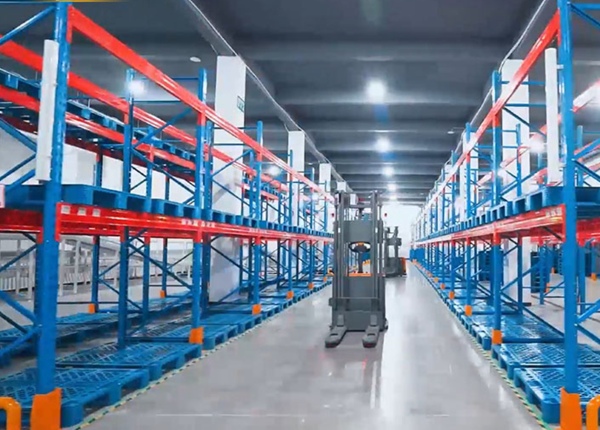
Decisions are no longer made on the warehouse floor. With ZCNEST automation, routing and task prioritization are managed by central software, ensuring every move aligns with global efficiency goals.
02
Programmed rules eliminate the "chaos factor." Robotic logistics create a stabilized environment where coordination between inbound, storage, and outbound activities becomes mathematically precise.
Fleet management systems coordinate multi-robot traffic in real-time. By optimizing queue logic and aisle access, ZCNEST virtually eliminates traffic conflicts in high-density areas.
Managers gain direct access to operational data, enabling instant analysis of:
◈ Equipment Utilization Rates ◈ Precise Task Completion Times ◈ Fleet Travel Distance Optimization
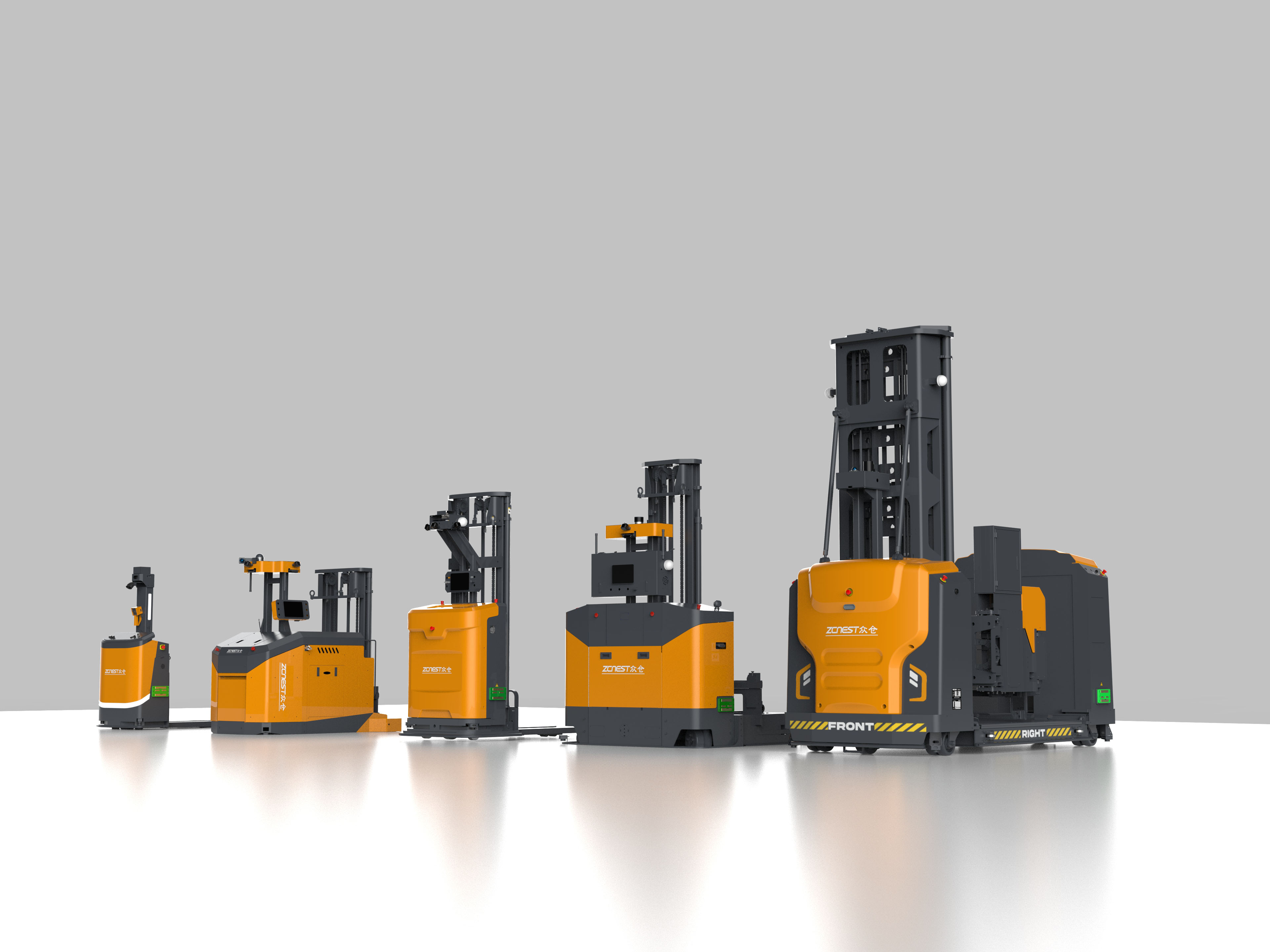
In the most advanced 2026 facilities, forklifts are no longer independent machines. They are dynamic nodes within a larger, self-optimizing logistics network. ZCNEST is the architect of this integrated future.
📖 AGV Forklift Guide — Essential manual for selection and safety.
⚙️ How AGV Systems Work — A deep dive into navigation and logic.
⚖️ AGV vs. AMR Comparison — Choosing the right technology for your facility.
💰 AGV Cost and ROI — Evaluating investment and payback periods.











 Chinese
 English




