


STRATEGY GUIDE 2026
In the world of warehouse automation, there is no "best" technology—only the "right" fit for your logic. ZCNEST decodes the AMR vs AGV debate to help you align technology with your specific operational model.
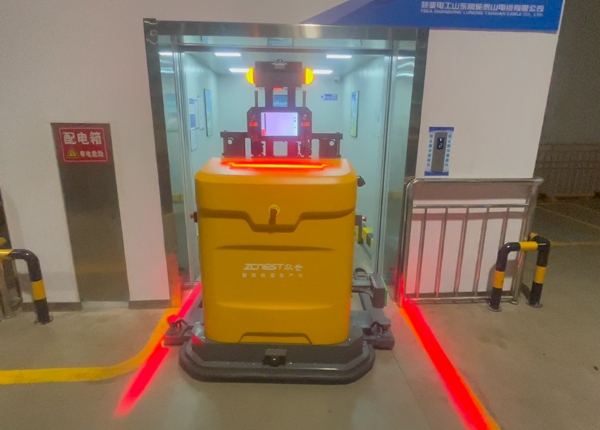
The Specialist
🔒 Follows fixed physical paths
🔒 Relies on magnetic tape/tracks
🔒 Predictable but rigid workflows
🔒 Lower upfront vehicle cost
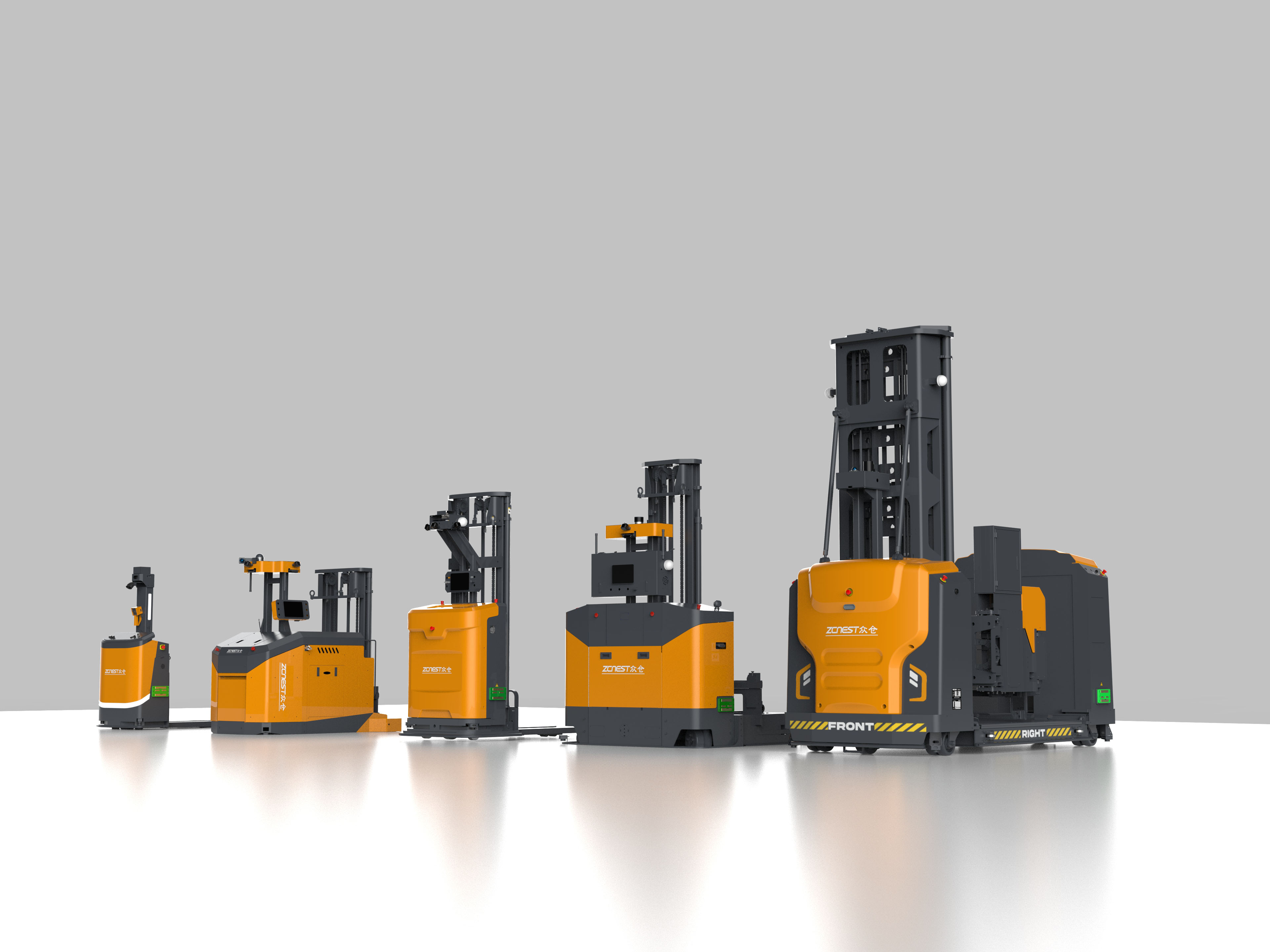
The Generalist
⚡ Navigates dynamically via sensors
⚡ Adaptive to environment changes
⚡ Digital mapping deployment
⚡ Higher flexibility & long-term ROI
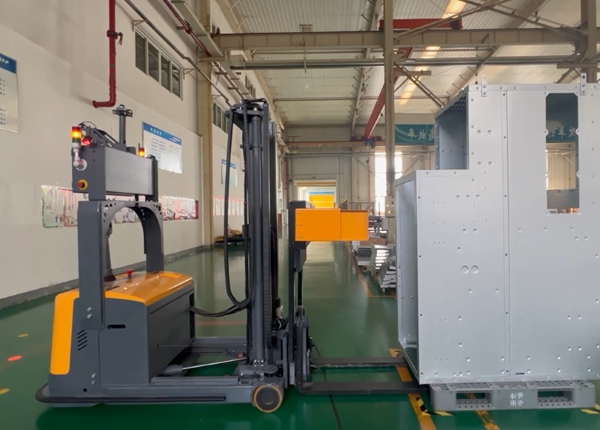
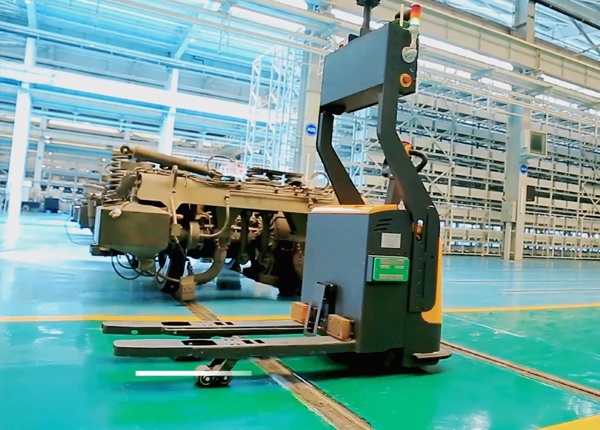
While AGVs struggle with unexpected obstacles, AMR robots adjust in real-time. This makes AMR generally faster to deploy in existing warehouses, as it requires digital mapping rather than invasive infrastructure modification.
Choose AGV if:
Your operations are highly repetitive and the facility layout is expected to remain stable for years.
Choose AMR if:
The environment is dynamic, demand is volatile, and rapid scalability is a core business requirement.
"Many companies move from AGV to AMR not because AGV fails—but because business complexity increases over time."
— ZCNEST STRATEGIC INSIGHT
📖 AGV Forklift Guide — Essential manual for selection and safety.
⚙️ How AGV Systems Work — A deep dive into navigation and logic.
⚖️ AGV vs. AMR Comparison — Choosing the right technology for your facility.
💰 AGV Cost and ROI — Evaluating investment and payback periods.





 Chinese
 English