


Warehouse automation is no longer optional—it’s a competitive necessity. However, the wrong choice leads to wasted capital. This ZCNEST guide helps you choose based on actual business needs, not just vendor claims.
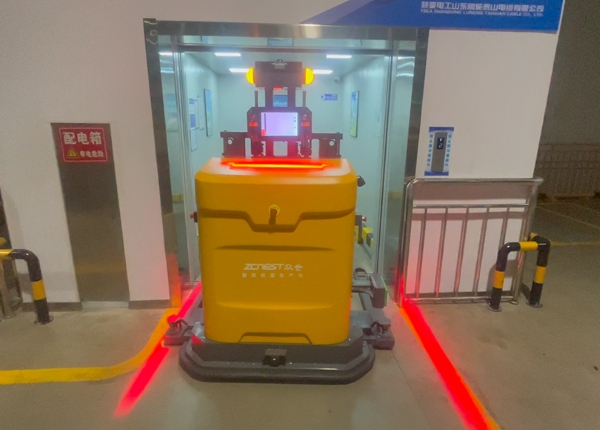
Ask yourself: Is your workflow fixed? Are routes repetitive? What is the daily throughput?
| Typical Scenario | Recommended Tech |
|---|---|
| Stable Production Warehouse | AGV (Automated Guided Vehicle) |
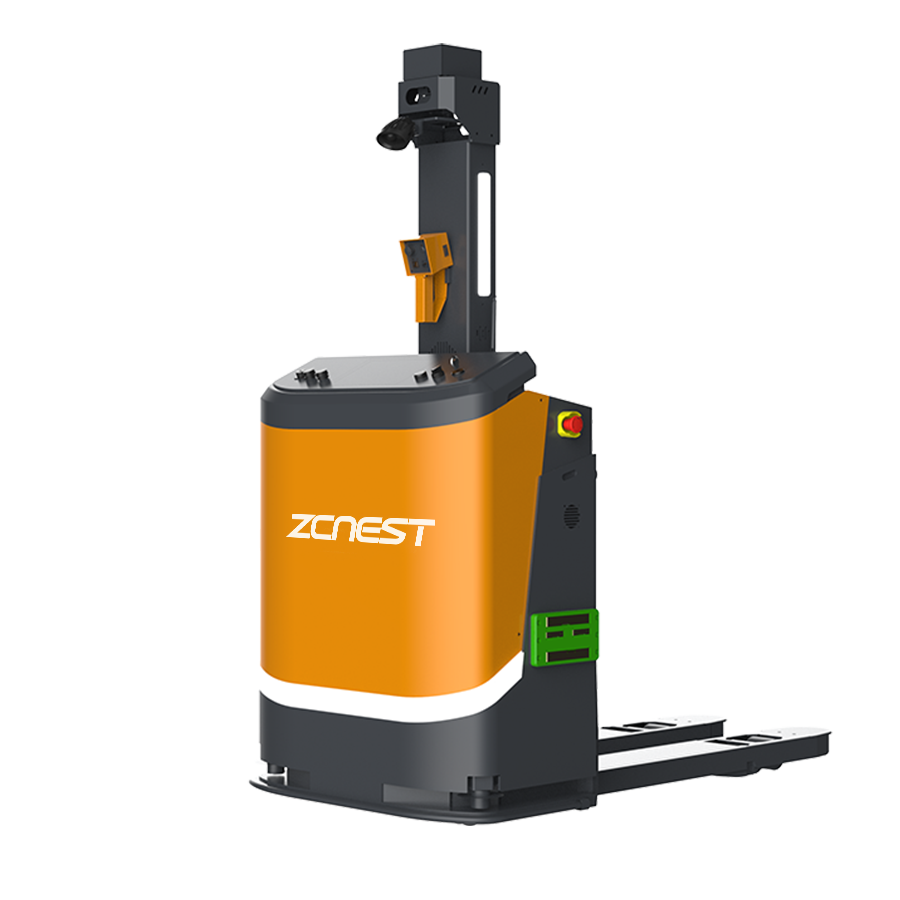
| E-commerce / 3PL (Dynamic) | AMR (Autonomous Mobile Robot) |
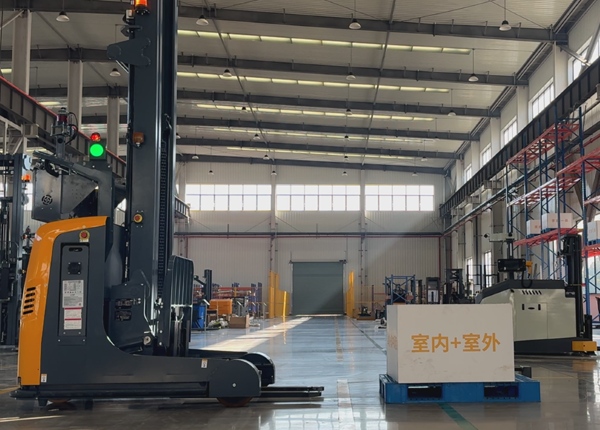
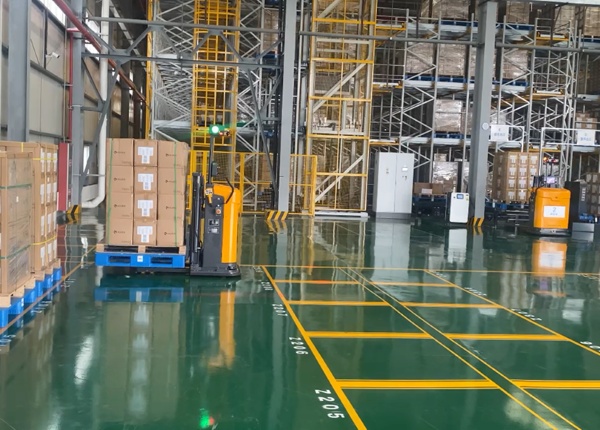
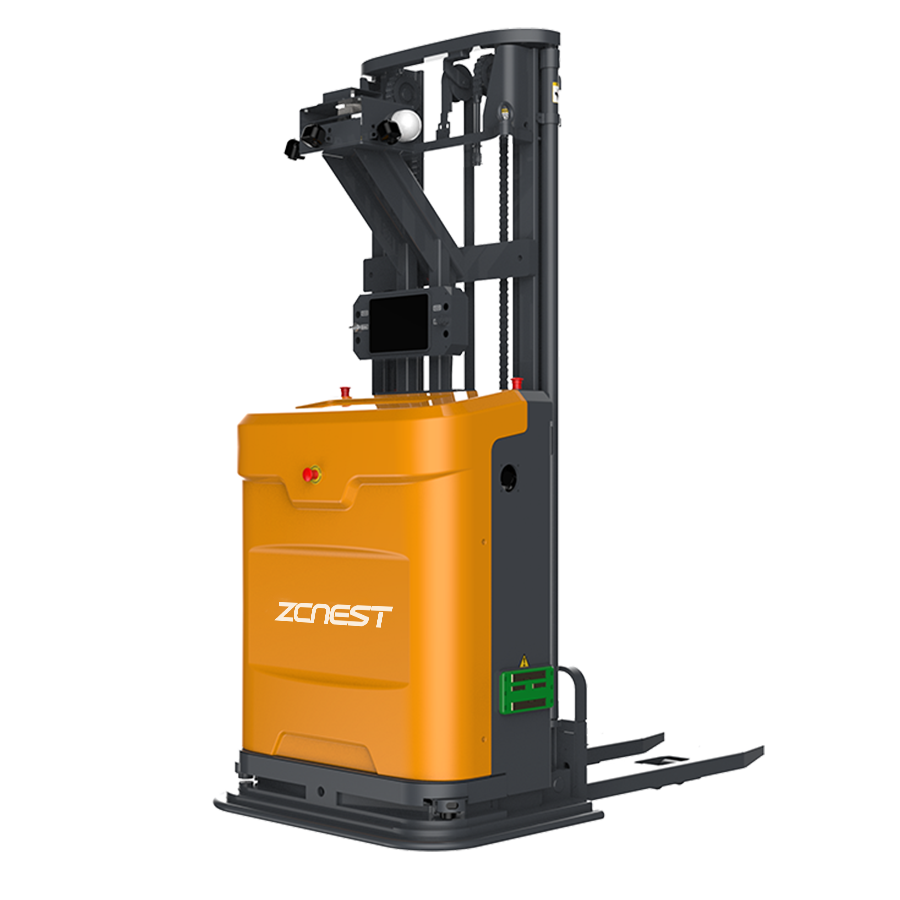
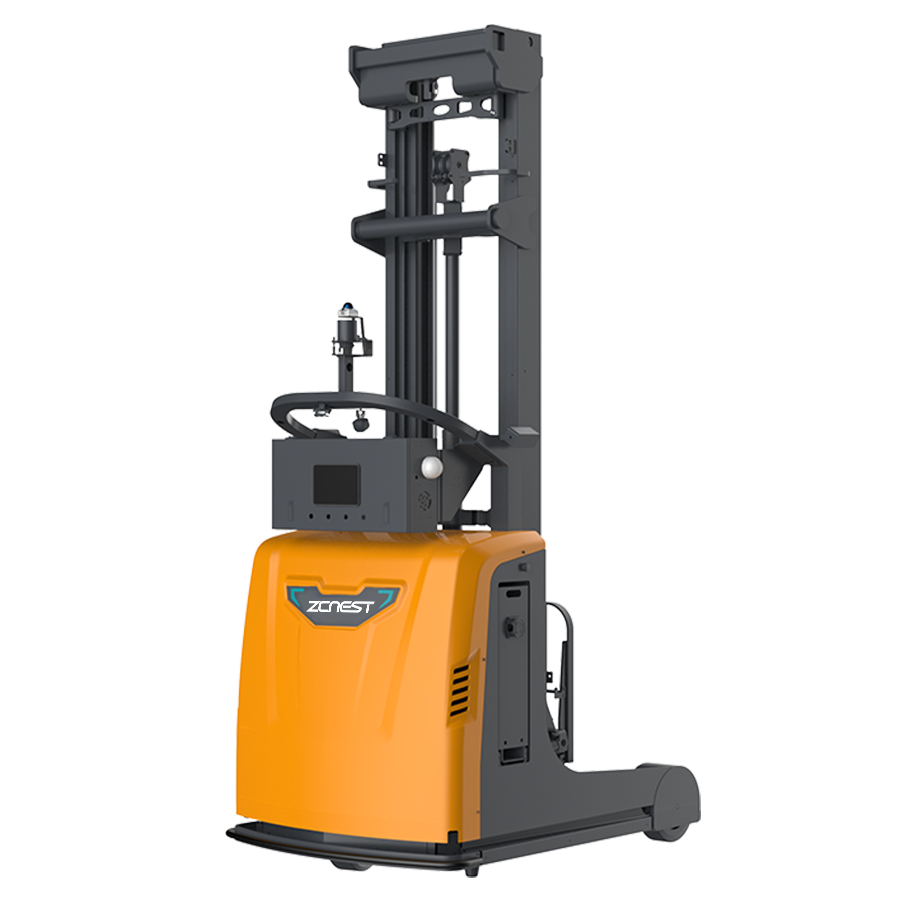
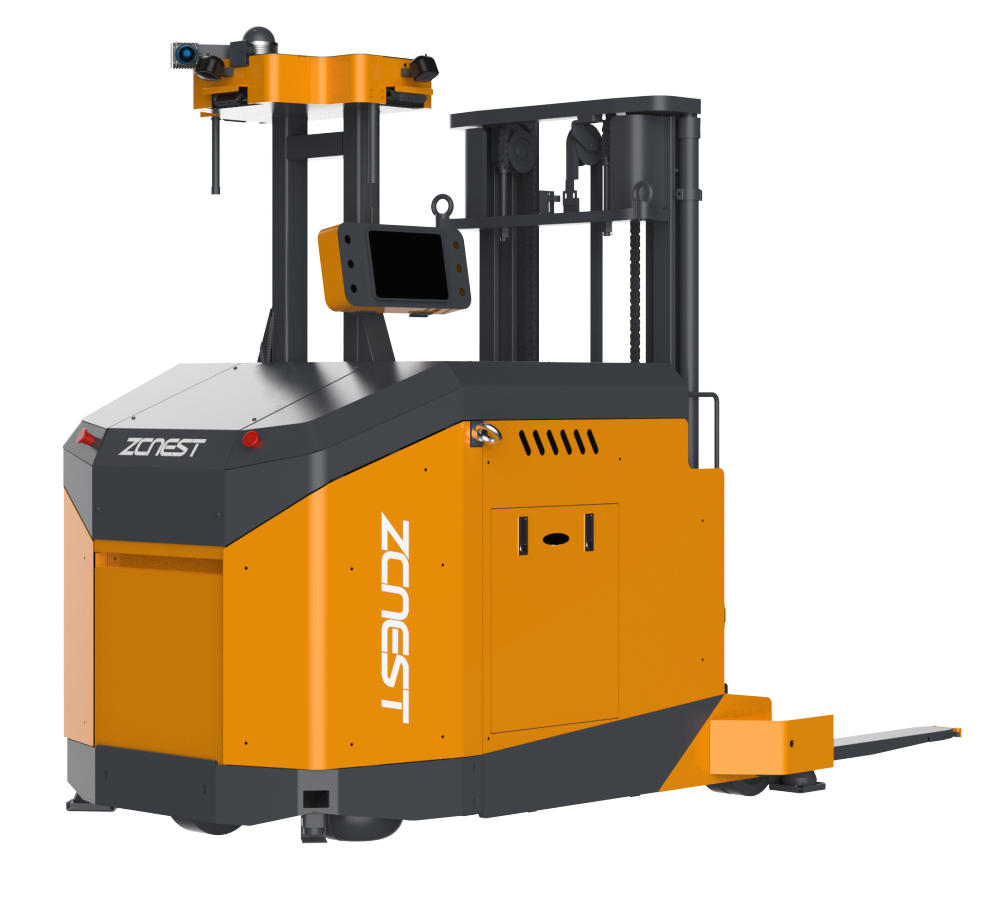
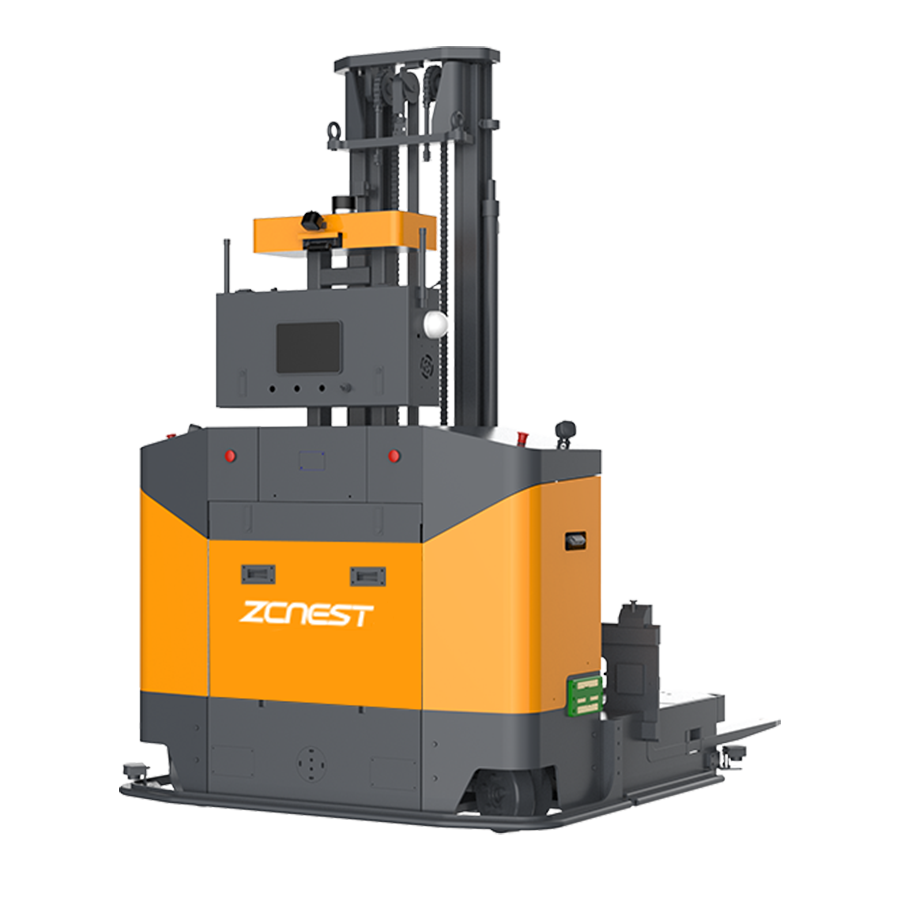
| High-Density Storage | Reach Truck Robot |
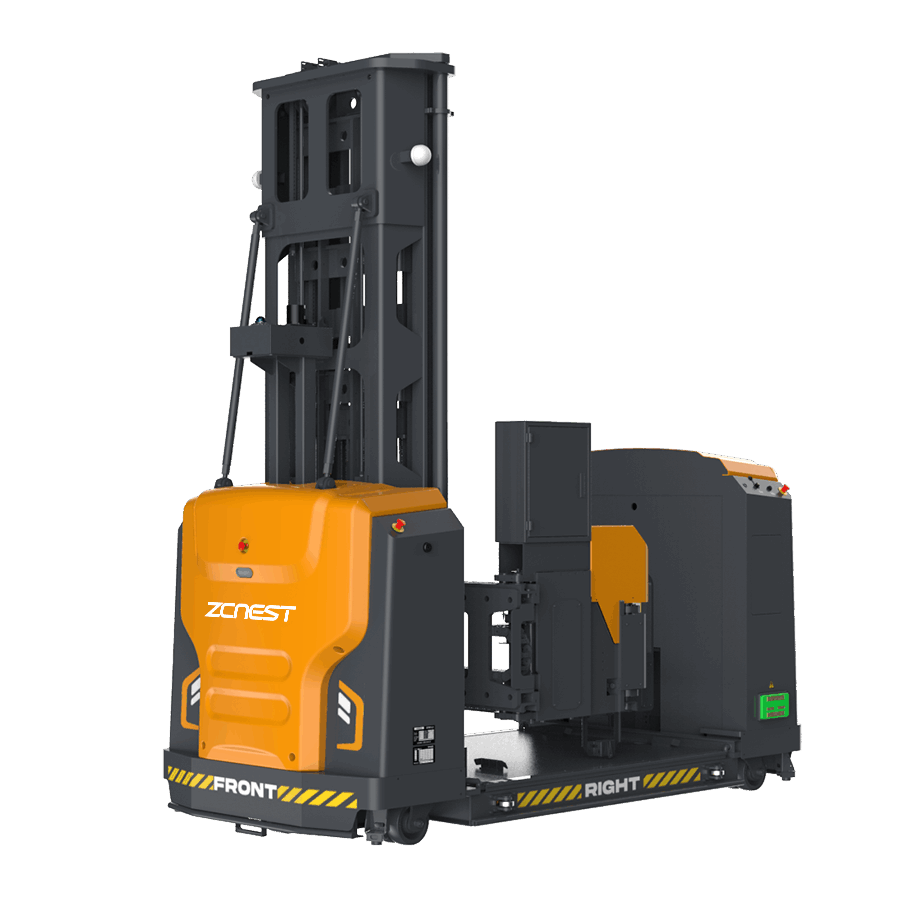
| Narrow Aisle Warehouse | VNA Robotic Forklift |
◈ 1–2 Tons: Standard operations
◈ 2–5 Tons: Heavy industrial use
◈ 6m–10m Lift: High rack storage
⚠️ ⚠️ WARNING: Choosing higher specs than needed will increase costs without efficiency gains.
Magnetic/QR: Low cost, poor flexibility.
Laser SLAM: No markers, high flexibility (Best for dynamic layouts).
Vision: Advanced perception for complex environments.
Software Must-Haves:
WMS / ERP Integration
Real-time task scheduling
Fleet management system
Safety Requirements:
360° obstacle detection
Emergency stop systems
Human detection sensors
Don’t just compare purchase prices. Focus on Total Cost of Ownership (Licensing, Maintenance, Training).
Typical ROI: 18–24 Months
Manual: 10 workers | Automated: 2 operators + robots
Savings come from labor, reduced damage, and consistent uptime.
Your business will grow. Confirm if the system supports more robots, optimized scheduling, and software upgrades.
✘ Choosing based on price only
✘ Ignoring software integration
✘ Poor layout planning
✔ Scenario matches robot
✔ Payload/Height accurate
✔ Navigation fits environment
✔ Software integration clear
✔ ROI is calculated
✔ System is scalable
"Choosing an automated forklift is not about equipment—it’s about designing a Complete Warehouse Solution."
The right decision transforms operations. The wrong one costs years of inefficiency.





 Chinese
 English