


A comprehensive training program has 4 layers:
Layer 1 — Safety First
Understand lithium thermal runaway risk
No physical battery disassembly
No bypassing BMS alarms
Strict charging zone rules
Layer 2 — Daily Operations
Charging contact inspection
Dock cleanliness
Connector wear checks
AGV docking behavior observation
Layer 3 — Monitoring & Diagnostics
Battery SOC / SOH dashboards
Cell imbalance alerts
Charging cycle logs
Temperature trend monitoring
Layer 4 — Escalation Protocol
When to stop using a battery
When to isolate a charging station
When to call China OEM support
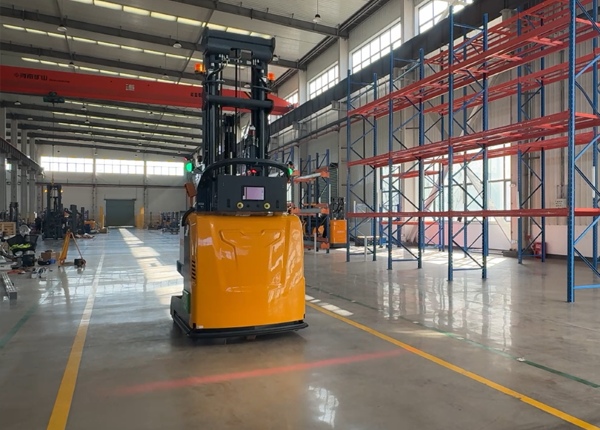
Most important operational habit:
Physical Contact Condition:
No discoloration, burn marks
No oxidation or corrosion
Pins aligned properly
Cleanliness:
No dust, metal debris, oil, or liquid contamination
Mechanical Fit:
Dock smoothly without misalignment
No abnormal force or vibration
Temperature Check:
Warm is normal, hot is not → investigate
Red Flags — Stop Operation Immediately: sparking, repeated charging failure, melted plastic, abnormal battery temperature rise
Via BMS dashboard or RCS integration:
Cell Voltage Difference (ΔV) — track imbalance trends
State of Charge (SOC) — real-time % battery remaining
State of Health (SOH) — long-term degradation
Temperature Spread — monitor hottest vs. coolest cell
Good: stable voltage curves, consistent cycles, no sudden cell divergence
Alerts: increasing cell imbalance, repeated over-temperature warnings, fast SOC drops under load
Environment: 15–25°C, dry, no sunlight or heat sources
State of Charge: 30–60%, not fully charged or discharged
Physical Storage: fire-resistant cabinet, metal shelving, clear labeling
Separation: away from flammable materials, chemical zones, or active charging stations
Emergency Equipment: Class ABC + lithium-rated extinguisher, thermal camera, fireproof bin for damaged packs
LFP Batteries: partial cycling preferred; full cycle every 2–3 months optional
NMC Batteries: full cycle rarely; minimize wear
Avoid deep discharge (
<10%) and="" overcharge="" stress="">
Balance cycles across fleet for longevity
Daily: charging success rate, docking failures, temperature anomalies
Weekly: cycle count per AGV, average SOC usage range, charging duration trends
Monthly: SOH degradation trend, cell imbalance trend, downtime due to battery issues
Treating AGV batteries like lead-acid forklifts
Ignoring connector wear until failure
Storing spare batteries fully charged
Not monitoring cell-level data
Skipping environmental control in storage area
Treat batteries as fleet assets, not consumables
Enforce strict charging hygiene SOPs
Use predictive alerts, not reactive maintenance
Integrate BMS data into WMS/RCS dashboards
Train staff to escalate early, not troubleshoot late
AGV battery reliability is built on discipline + monitoring + prevention. Most failures are caused by:
Dirty contacts
Poor charging habits
Weak monitoring discipline
Inconsistent operator behavior
FREE ENGINEERING SUPPORT Stop Gambling on Generic Platforms. Get an AGV/AMR Tailored to Your Warehouse.Buying automated guided vehicles involves complex safety standards (CE/ANSI), navigation setups (Laser SLAM), and ERP system integration. Don't risk your factory safety with middle-men. ✓ 100% Direct Factory: Customized payload up to 5 Tons. ✓ Free CAD Simulation: Send us your layout, and our engineers will simulate the optimal AGV routes. ✓ Global Support: Overseas installation guidance & local maintenance partners. |





 Chinese
 English