


For most overseas buyers, the AGV forklift itself is only part of the investment. The real concern begins after the factory acceptance test is completed and the equipment starts its journey across oceans, ports, customs facilities, and inland transportation networks.
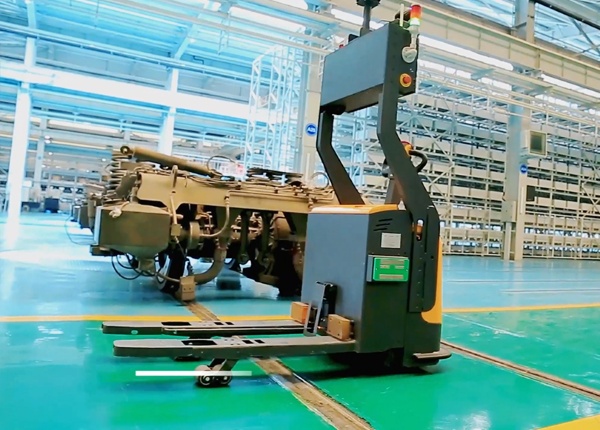
An AGV forklift contains not only heavy mechanical components but also expensive sensors, industrial computers, batteries, safety lasers, cameras, controllers, and communication systems. Improper packaging can turn a successful automation project into an expensive warranty dispute before the vehicle ever reaches the warehouse floor.
Understanding how Chinese AGV manufacturers package, protect, and ship autonomous forklifts is therefore a critical part of supplier evaluation and risk management.
Do Chinese factories use anti-rust packaging? How are AGVs secured inside containers? What should buyers inspect during unloading? And who is financially responsible if sea moisture damages electronics during transit?
Unlike conventional forklifts, AGVs contain highly sensitive automation hardware that must survive weeks of international transportation.
Potential shipping risks include:
Saltwater exposure during ocean transit
Container condensation
Temperature fluctuations
Heavy vibration
Shock loading during port handling
Container movement during rough seas
Extended storage at customs facilities
Even minor environmental exposure can affect sensors, connectors, control cabinets, and battery systems if proper precautions are not taken.
The most expensive components on an AGV are often the most vulnerable during international transportation.
Reputable AGV suppliers typically employ multiple layers of protection rather than relying on a single packaging method.
Common protection measures include:
Heavy-duty export wooden crates
Steel-frame transportation bases
Moisture-resistant packaging materials
Shock-absorbing supports
Protective covers for sensors and cameras
Industrial-grade strapping systems
Desiccant moisture absorbers
The exact packaging method depends on:
Vehicle size
Shipping route
Container type
Transportation duration
Destination climate conditions
Many export-oriented manufacturers utilize moisture-control packaging systems to reduce corrosion risks during long ocean voyages.
Common methods include:
Vacuum-sealed barrier films
Vapor corrosion inhibitor (VCI) materials
Industrial desiccant packs
Moisture-resistant shrink wrapping
Sealed electronic component packaging
Particular attention is usually given to:
Laser navigation sensors
Electrical control cabinets
Battery compartments
Motor assemblies
Hydraulic components
For shipments traveling through tropical or high-humidity regions, enhanced moisture protection should be discussed during contract negotiations.
Condensation inside containers is often a greater threat than direct seawater exposure during international shipping.
Counterbalanced AGV forklifts can weigh several tons and must be immobilized completely during transit.
Professional container loading typically includes:
Steel wheel chocks
Heavy-duty lashing straps
Container floor anchoring points
Anti-movement blocking structures
Load distribution planning
The objective is to prevent:
Forward movement during braking
Side-to-side shifting
Rotational movement
Impact damage to container walls
Proper securing is especially important when shipping:
Counterbalanced AGVs
Reach truck AGVs
Heavy stacker AGVs
Multi-unit fleet shipments
The receiving inspection process is often overlooked, yet it is one of the most important stages for protecting warranty and insurance claims.
Buyers should document the condition of:
External packaging
Container interior
Wooden crates
Sensor protection covers
Electrical cabinets
Battery compartments
Fork assemblies
Hydraulic components
Special attention should be paid to:
Visible rust
Water intrusion signs
Broken seals
Impact marks
Damaged wiring
Cracked sensor housings
Loose mounting hardware
Photograph and document every stage of unpacking before powering on the equipment.
One of the most important contractual questions is determining who assumes responsibility if damage occurs during transportation.
Liability often depends on:
Incoterms selected in the contract
Cargo insurance coverage
Packing specifications
Carrier responsibility limits
Inspection records
Potential responsible parties may include:
Supplier
Freight forwarder
Shipping line
Insurance provider
Buyer
The specific allocation of risk should be clearly defined before shipment leaves the factory.
Modern AGVs contain sophisticated electronic systems that can be affected by prolonged moisture exposure.
Recommended preventive measures include:
Sealed electrical cabinets
Moisture indicators
Desiccant monitoring
Anti-condensation packaging
Controlled unpacking procedures
Before energizing the system after arrival, technicians should verify:
Electrical insulation condition
Connector integrity
Cabinet dryness
Battery compartment condition
Premature startup after moisture exposure can create secondary damage that complicates warranty claims.
What export packaging standards are used?
Will anti-corrosion packaging be included?
How are AGVs secured inside containers?
What moisture protection measures are applied?
Can packaging photos be provided before shipment?
Who bears transportation risk under the selected Incoterms?
What documentation is required for damage claims?
What inspection checklist should be followed upon arrival?
Is cargo insurance included or recommended?
What warranty support exists for transit-related damage investigations?
Shipping an AGV forklift internationally involves far more than simply loading equipment into a container. Proper packaging, moisture control, cargo securing, inspection procedures, and contractual risk allocation are all essential to protecting your automation investment.
Before importing AGV forklifts from China, buyers should evaluate not only the vehicle itself but also the supplier's export packaging standards and transportation risk management capabilities.
A professionally packaged AGV arrives ready for commissioning. A poorly protected shipment can create costly delays, warranty disputes, and unexpected repair expenses before the project even begins.
FREE ENGINEERING SUPPORT Stop Gambling on Generic Platforms. Get an AGV/AMR Tailored to Your Warehouse.Buying automated guided vehicles involves complex safety standards (CE/ANSI), navigation setups (Laser SLAM), and ERP system integration. Don't risk your factory safety with middle-men. ✓ 100% Direct Factory: Customized payload up to 5 Tons. ✓ Free CAD Simulation: Send us your layout, and our engineers will simulate the optimal AGV routes. ✓ Global Support: Overseas installation guidance & local maintenance partners. |





 Chinese
 English