


Before importing an AGV fleet from China, warehouse operators should confirm that the facility can support the selected automated forklift configuration. Building dimensions, rack geometry, aisle width, pallet specifications, floor conditions and daily pallet throughput all affect the final system design.
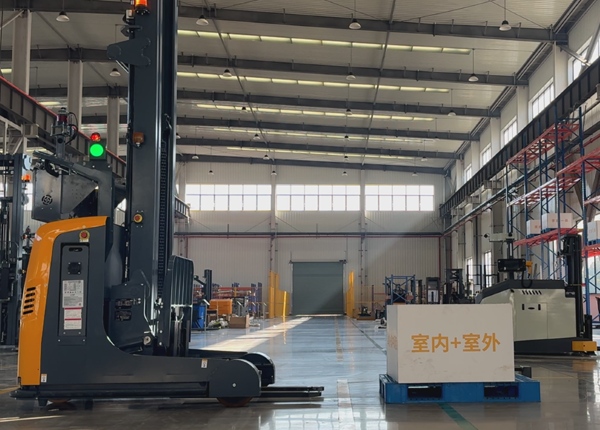
A detailed site survey gives the Chinese AGV manufacturer the information needed to evaluate vehicle dimensions, lifting height, navigation requirements, fleet quantity and potential operating restrictions before the equipment enters production.
Before placing an AGV order, provide the manufacturer with warehouse dimensions, aisle widths, rack dimensions, ceiling clearances, pallet sizes, maximum load weights, daily and peak pallet movements, floor conditions, temperature, humidity, dust levels and a current CAD layout. These details allow the engineering team to determine whether the proposed AGV can physically operate in the facility and how many vehicles may be required.
A Chinese AGV manufacturer needs more than the total square footage of the warehouse. The actual geometry of the operating area determines whether an automated forklift can travel through aisles, turn at intersections and approach pallet positions.
The RFQ should therefore include measurements for the building structure, storage racks and AGV operating routes.
Aisle Width
Measure the actual usable aisle clearance between racks and other fixed structures.
Rack Dimensions
Provide rack height, bay width, beam dimensions and pallet position details.
Ceiling Clearance
Record the lowest overhead obstruction along the AGV travel and lifting routes.
Columns
Show structural column dimensions and their exact locations on the warehouse layout.
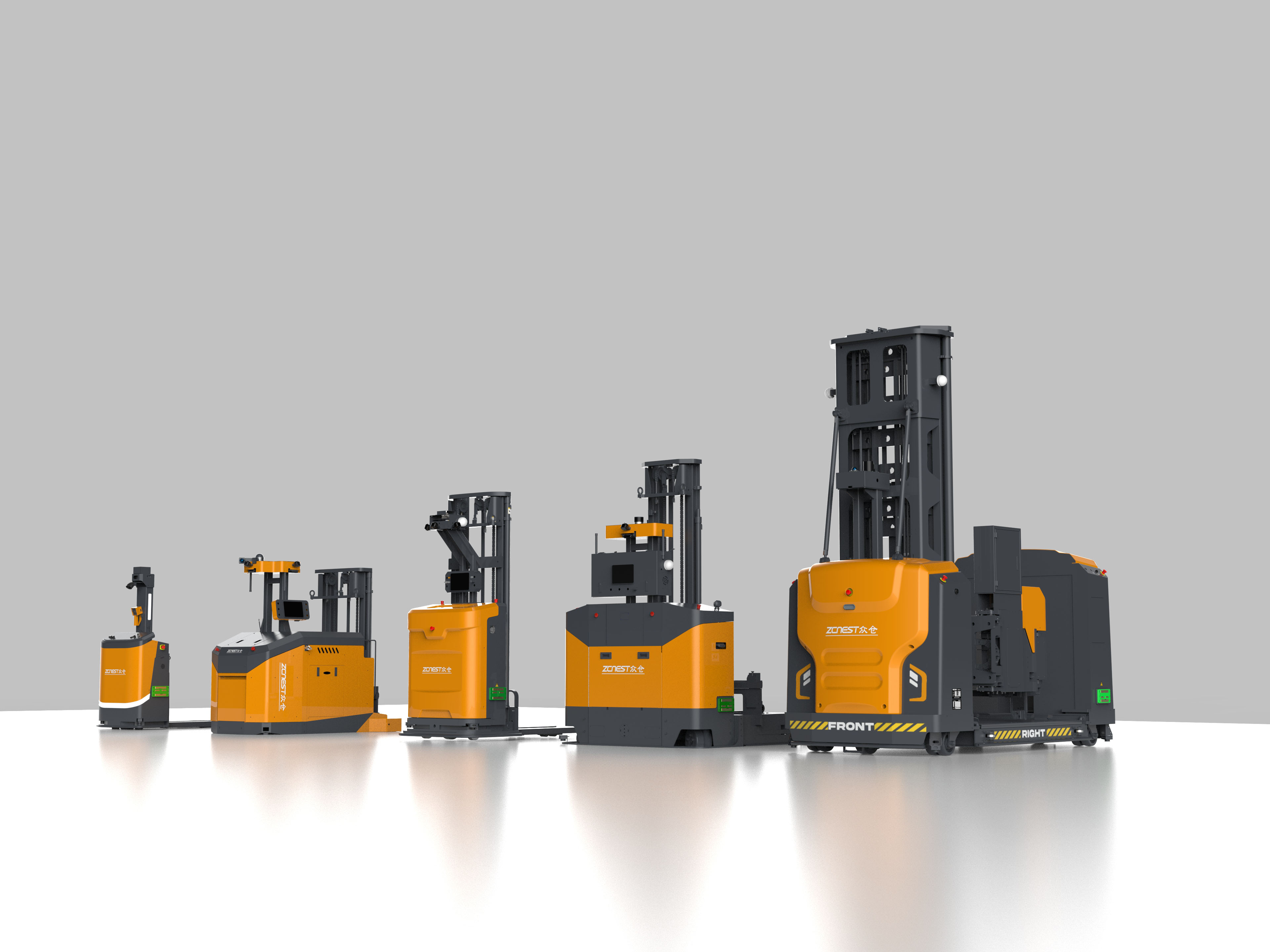
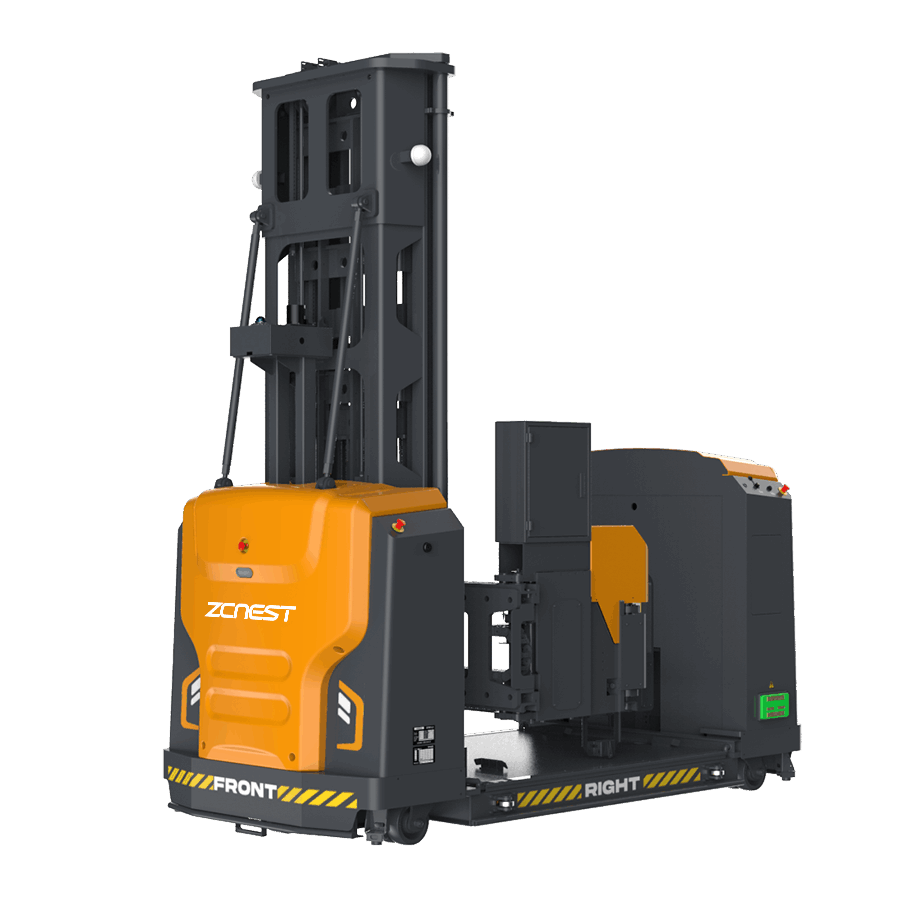
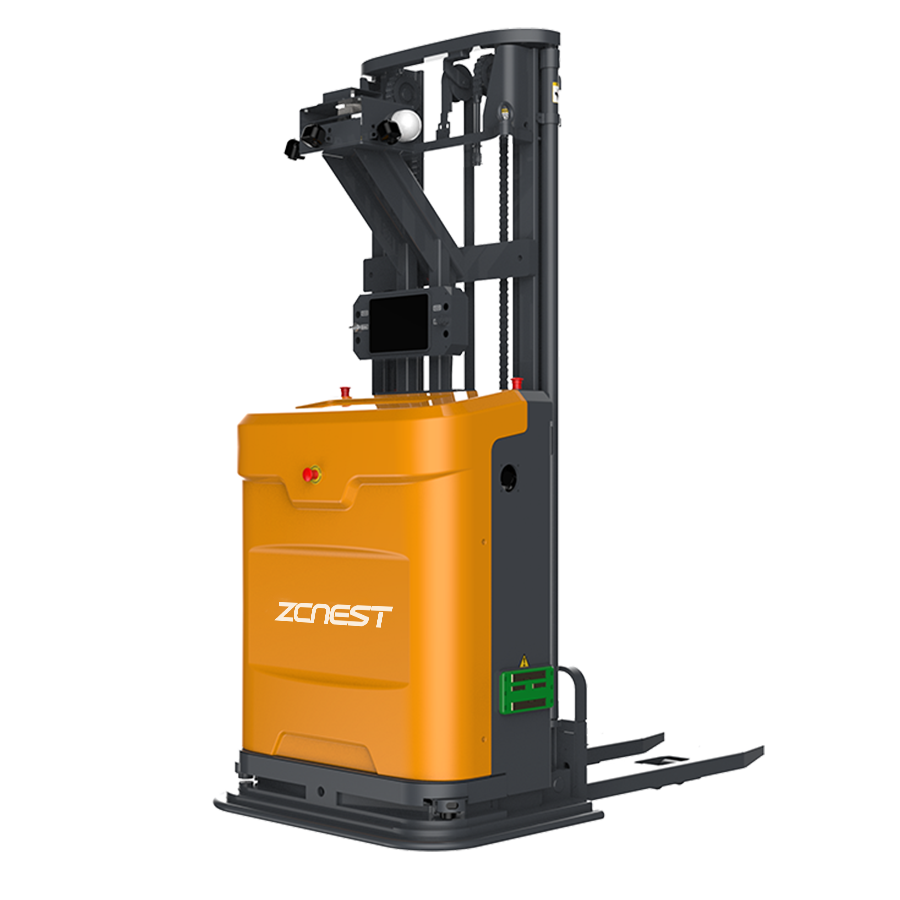
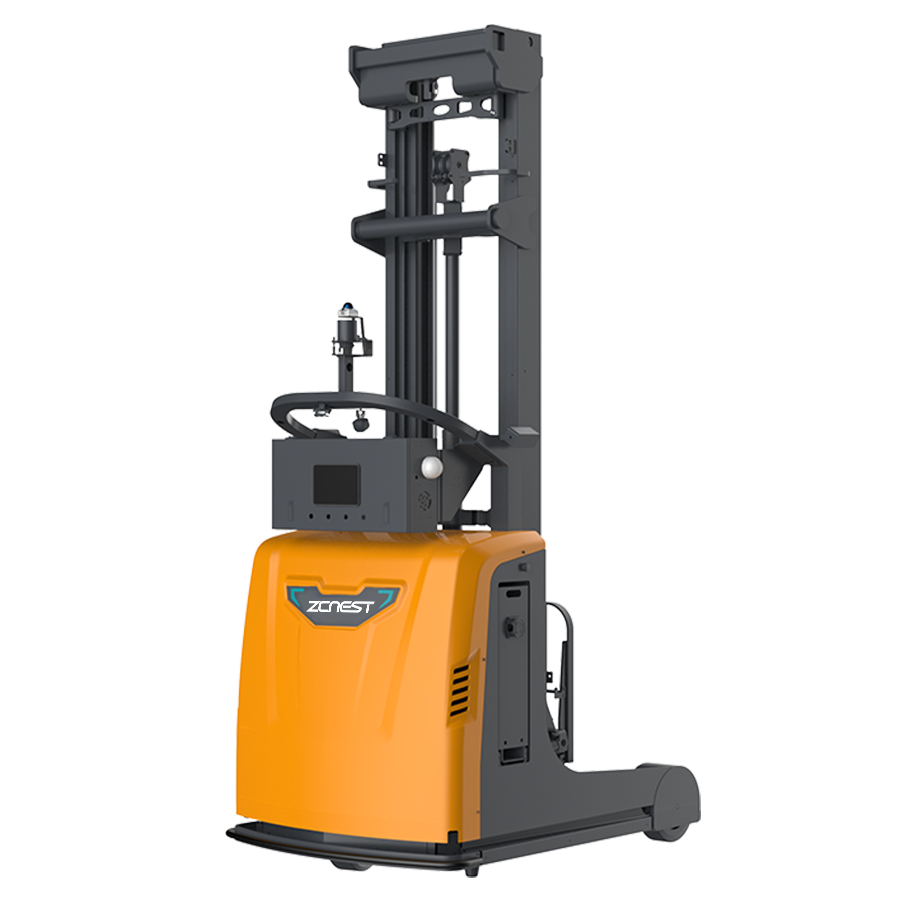
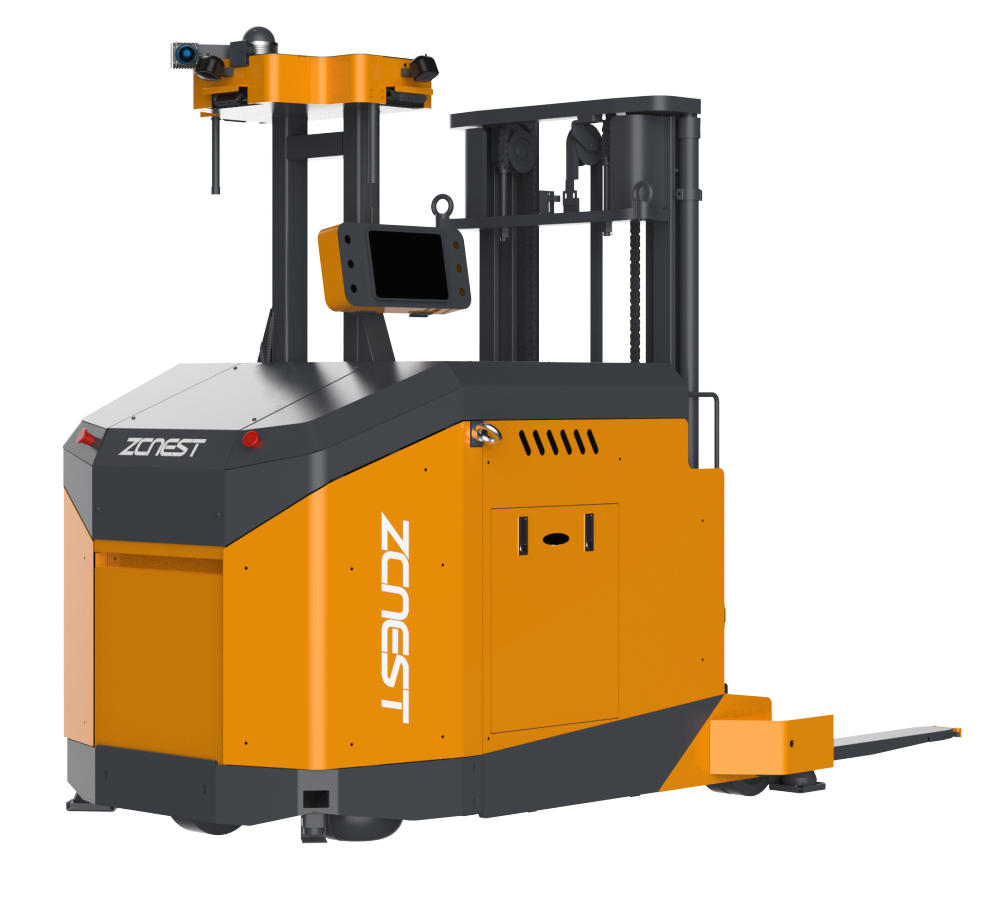
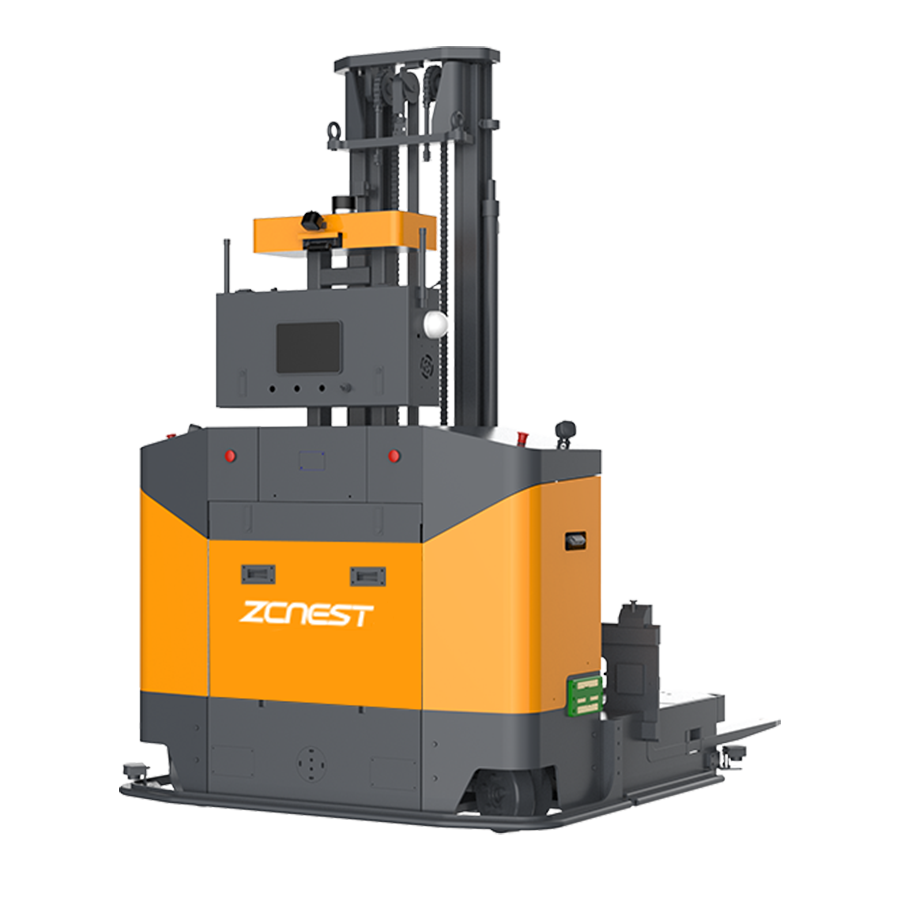
For a high-bay application using the ZCNest VNA AMR, the site survey should pay particular attention to aisle width, rack height, load weight and overhead clearance.
1.65 m
Working Aisle
11 m
Maximum Lift Height
1.5 t
Rated Load Capacity
With a VNA application, these three parameters cannot be evaluated independently. A narrow aisle must provide sufficient clearance for the vehicle and load, while the rack system and building structure must support the required lifting height and operating loads.
Aisle width is one of the most important physical constraints in an automated warehouse. The required width depends on the AGV's chassis dimensions, steering configuration, load dimensions, turning behavior and rack geometry.
For a very-narrow-aisle application, the nominal distance between rack faces is not enough. The engineering team should evaluate the complete vehicle envelope, including the pallet and load being carried.
Do Not Design the Aisle Around the Vehicle Width Alone
The usable operating envelope also includes the pallet, load overhang, steering movement and required safety clearance. A CAD-based layout review is therefore preferable to estimating aisle requirements from vehicle dimensions alone.
Daily pallet volume is useful, but it should not be the only throughput number included in an RFQ. The manufacturer needs to understand when the work occurs and how concentrated the workload becomes during peak periods.
For example, two warehouses may each move 800 pallets per day but require different fleet sizes if one spreads the workload evenly across two shifts while the other experiences several hours of extremely high demand.
| Metric | What to Record |
|---|---|
| Daily Pallet Volume | Total pallets moved during a normal operating day |
| Peak Hour | Highest number of pallet movements in one hour |
| Shift Pattern | Operating hours and number of shifts |
| Pickup / Drop-off | Number and location of major pickup and delivery points |
| Average Travel | Typical distance between pickup and drop-off locations |
| Waiting Time | Average loading, unloading and queue delays |
AGV fleet sizing should account for the periods when the warehouse has the highest workload. If too few vehicles are deployed, queues can develop at pickup stations, rack aisles, intersections and charging areas.
The supplier should evaluate the complete mission cycle rather than simply dividing daily pallet movements by an advertised vehicle capacity.
Travel
Distance between pickup and delivery locations.
Handling
Time required to position forks and handle the pallet.
Traffic
Intersections, congestion and route conflicts.
Charging
Charging opportunities and battery availability.
The warehouse floor is part of the AGV operating environment. Surface conditions can affect vehicle stability, traction, navigation performance and braking behavior.
Before importing the equipment, document the floor characteristics along the actual AGV routes rather than relying only on general building specifications.
Floor flatness and levelness
Concrete surface condition
Expansion joints
Cracks and damaged areas
Metal thresholds and transition plates
Ramps and changes in elevation
Wet, oily or highly polished surfaces
Areas with different floor materials
Temperature, humidity, dust and lighting conditions can affect the operating environment of an automated forklift. The supplier should know the normal conditions as well as seasonal extremes.
Temperature
Normal operating temperature and expected seasonal extremes.
Humidity
Typical humidity and any condensation concerns.
Dust
Dust, powder, sawdust or other airborne particles.
Lighting
Natural light, artificial lighting and significant lighting changes.
Yes. A current CAD layout can give the engineering team a much clearer understanding of the warehouse than photographs or written dimensions alone.
The layout should show fixed structures and operational areas so the supplier can evaluate travel routes, turning areas, rack access, pickup and drop-off positions and potential conflict zones.
Warehouse walls
Structural columns
Storage racks
Aisle dimensions
Loading docks
Doors and entrances
Pedestrian routes
Charging locations
Elevators and ramps
Pickup and drop-off stations
A CAD review can help identify areas where the available operating space is limited or where different traffic flows intersect.
Aisle Ends
Check turning space and rack-end clearance.
Intersections
Identify locations where multiple AGV routes cross.
Doorways
Check vehicle clearance through doors and connecting zones.
Pedestrian Zones
Identify areas requiring controlled AGV and pedestrian interaction.
Charging Areas
Verify that vehicles can enter and leave charging locations without creating traffic conflicts.
Loading Areas
Review staging areas, docks and trailer interfaces.
| Category | Required Information |
|---|---|
| Facility | Building dimensions, ceiling height, columns and doors |
| Racking | Rack height, aisle width, beam dimensions and pallet locations |
| Pallets | Pallet dimensions, load weight and fork-entry requirements |
| Throughput | Daily volume, peak-hour volume and operating shifts |
| Floor | Flatness, joints, cracks, ramps and surface conditions |
| Environment | Temperature, humidity, dust and lighting |
| Traffic | Pedestrians, manual forklifts and existing material-flow routes |
| CAD | Current facility layout with fixed structures and operating areas |
What minimum aisle width does the proposed AGV require with my actual pallet dimensions?
What maximum lifting height is available for my required load weight?
What floor flatness and surface conditions are required?
How does the proposed fleet size relate to my peak hourly pallet movements?
What charging infrastructure is required?
Which warehouse areas require infrastructure modifications?
Can the engineering team review my CAD layout before finalizing the configuration?
Can the supplier provide a proposed AGV route and collision-risk assessment?
Which assumptions in the technical proposal could change the final project cost?
The more accurately your facility constraints are documented, the more accurately a Chinese AGV manufacturer can evaluate the project. For high-bay and VNA applications, aisle width, lifting height, load capacity and rack geometry should be reviewed together rather than as separate specifications.
For example, a ZCNest VNA AMR configuration with a 1.65 m working aisle, up to 11 m lifting height and 1.5-ton rated load capacity requires the warehouse layout, rack system, floor conditions and operating throughput to be evaluated together before final configuration.
FREE ENGINEERING SUPPORT Stop Gambling on Generic Platforms. Get an AGV/AMR Tailored to Your Warehouse.Buying automated guided vehicles involves complex safety standards (CE/ANSI), navigation setups (Laser SLAM), and ERP system integration. Don't risk your factory safety with middle-men. ✓ 100% Direct Factory: Customized payload up to 5 Tons. ✓ Free CAD Simulation: Send us your layout, and our engineers will simulate the optimal AGV routes. ✓ Global Support: Overseas installation guidance & local maintenance partners. |





 Chinese
 English