

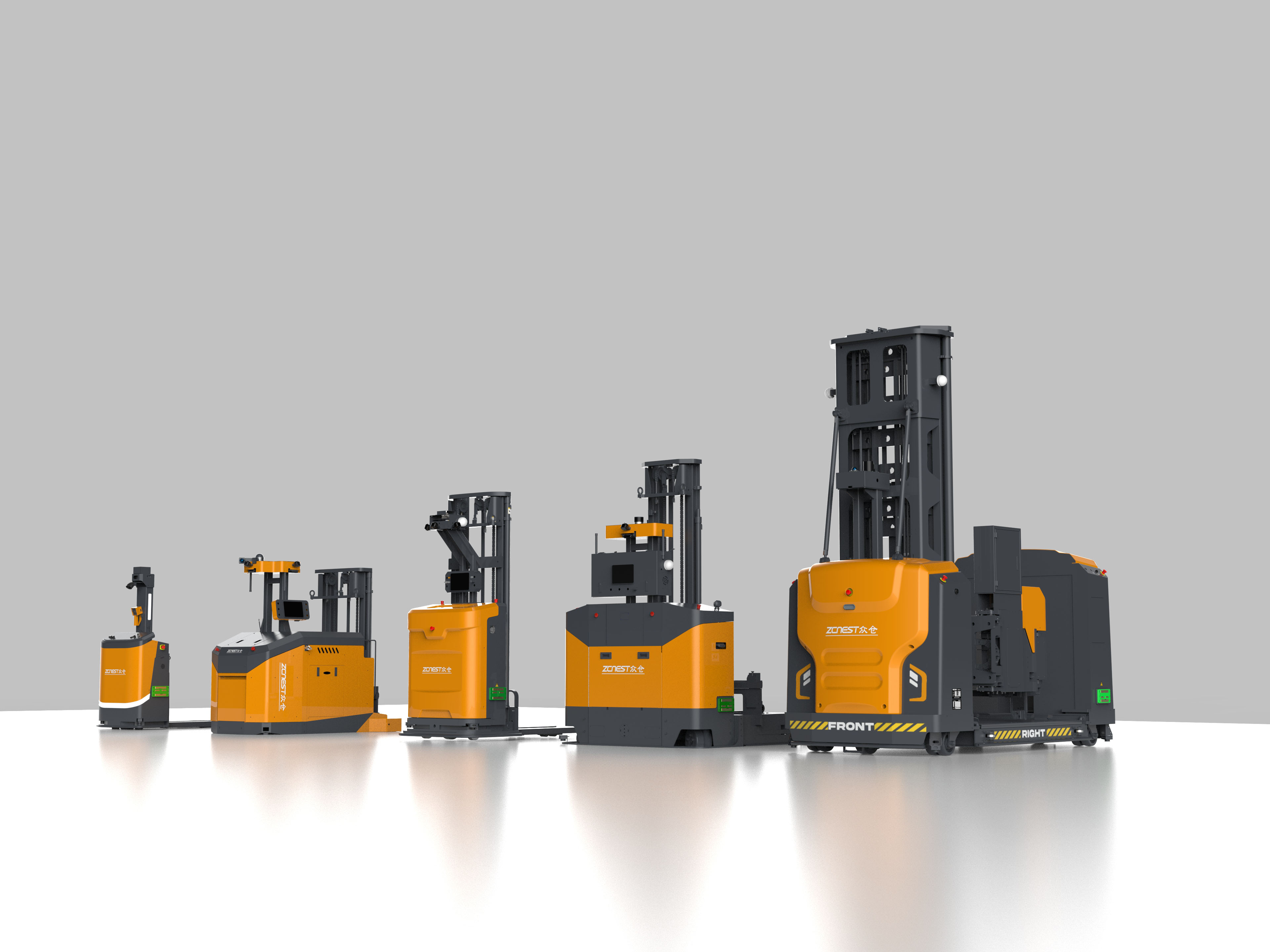
For a customized AGV project from China, the quoted lead time should not be treated as a single manufacturing number. A custom reach AGV fleet may involve engineering confirmation, mechanical design, software configuration, component procurement, vehicle assembly, fleet testing, Factory Acceptance Testing (FAT), export preparation, and sea-freight coordination.
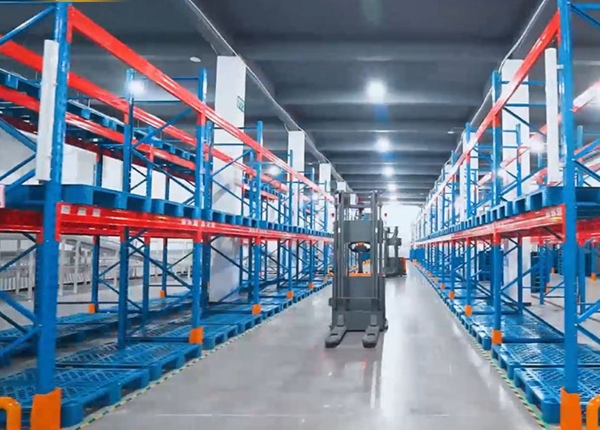
For an overseas warehouse buyer, the important question is therefore not simply “How many days does the factory need?” It is “Which project milestones determine the delivery date, and what can cause that date to move?”
This distinction becomes especially important when ordering a customized reach AGV fleet rather than a standard vehicle already in production.
There is no single production cycle that applies to every Chinese AGV factory. A standard vehicle with an established configuration can move through production much faster than a project involving a new mast, customized forks, special dimensions, new navigation requirements, WMS integration, or unusual warehouse conditions.
A useful way to evaluate the schedule is to divide it into separate stages:
| Project Stage | Typical Activities | What Controls the Schedule? |
|---|---|---|
| Technical Confirmation | Pallets, payload, lift height, aisle width, travel routes, environment | Completeness of site data and specification approval |
| Engineering | Vehicle configuration, forks, mast, sensors, electrical and software design | Extent of customization |
| Component Procurement | Controllers, sensors, motors, batteries, hydraulic components and other parts | Availability of specified components |
| Mechanical Assembly | Chassis, mast, forks, drive system, hydraulics and electrical installation | Design complexity and component arrival |
| Software & Navigation | Navigation, traffic rules, fleet management and interfaces | Integration requirements and testing scope |
| FAT | Vehicle functions, safety, pallet handling and fleet operation | Number of defects and retest requirements |
| Export Preparation | Crating, packing list, documentation and container loading | Final equipment dimensions, shipping plan and documentation |
For procurement purposes, it is better to request a milestone-based production schedule than a statement such as “delivery in 60 days.” The supplier should identify when engineering starts, when production starts, when FAT is scheduled, and when the equipment will be shipment-ready.
For a customized industrial AGV, the biggest delay is often not the physical assembly itself. It is usually a change or unresolved requirement that appears after engineering or procurement has already started.
Several examples can create significant schedule impact:
Changing the payload or load center after structural design has been approved.
Changing fork dimensions or the required fork positioning range.
Increasing lift height after the mast design has already been released.
Changing the required aisle width or vehicle turning concept.
Requesting a different safety scanner, controller, drive system, battery or other major component after procurement.
Adding a new WMS, PLC or warehouse equipment interface late in the project.
Changing the warehouse layout after navigation and traffic rules have already been configured.
Discovering that the actual pallet dimensions or load characteristics differ from the original specification.
This is why an overseas buyer should freeze the technical baseline before the factory commits to a final production schedule.
A good technical baseline should include vehicle model, payload, load center, fork dimensions, lift height, aisle requirement, pallet dimensions, pallet weight, navigation method, safety components, battery configuration, charging method, fleet software requirements, WMS/ERP interfaces, environmental conditions, and the agreed FAT criteria.
If these parameters remain open, the supplier may technically be able to start manufacturing while the commercial delivery date remains uncertain.
Yes. For an overseas AGV buyer, milestone video inspections can be a practical way to monitor progress without sending an engineer to China for every production stage.
However, a useful video inspection should be tied to a defined milestone rather than being a general request for “production photos.”
For example, the buyer can request evidence at several stages:
Component readiness: major purchased components have arrived and can be identified against the approved specification.
Chassis assembly: the main vehicle structure, drive system and hydraulic components are being assembled.
Mast and fork installation: the lifting system and fork assembly are installed and identifiable.
Electrical integration: controllers, batteries, sensors, wiring and control cabinets are installed.
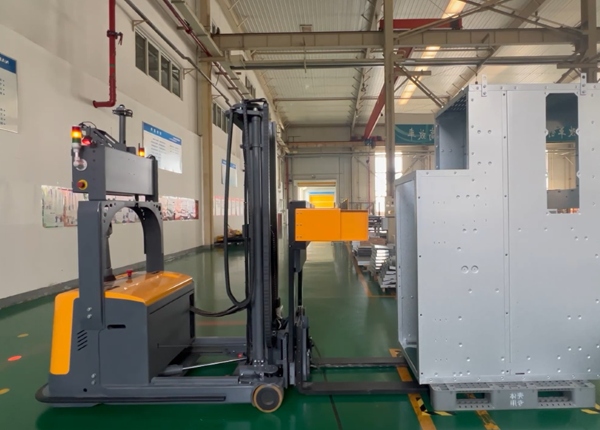
Vehicle commissioning: the AGV can demonstrate travel, steering, lifting, fork movement and safety functions.
FAT: the completed vehicle or fleet is tested against the agreed acceptance checklist.
Shipment readiness: vehicles are identified, packed and prepared according to the approved shipping plan.
The buyer can make the inspection more useful by asking the factory to show the vehicle identification number or internal production reference, the relevant component, and the current production stage in the same video.
For a larger project, the contract can also define which milestones require buyer approval before the next stage begins.
Video inspection should not replace FAT. A short assembly video can demonstrate that a vehicle exists and is progressing, but it cannot prove high-lift positioning accuracy, navigation reliability, pallet handling, fleet dispatch performance or safety performance under actual test conditions.
The production cycle does not necessarily end when the AGV passes its final factory test. The equipment still has to become shipment-ready.
For heavy industrial AGVs, export preparation can include battery and electrical documentation, packaging design, wooden crates or skids, protective materials, spare-parts packing, identification labels, packing lists, gross and net weights, package dimensions, container-loading arrangements and coordination with the freight forwarder.
This matters because an automated forklift is not always shipped in the same configuration in which it operates. Depending on vehicle dimensions and packaging requirements, forks, masts or other components may require specific packing or loading arrangements.
The final package dimensions and gross weight should therefore be confirmed before the container is booked. A preliminary estimate is not enough for container planning.
Another potential source of delay is the difference between FAT complete and cargo ready. A vehicle may pass functional testing but still require several additional activities before the forwarder can collect the cargo.
For this reason, an overseas buyer should ask the supplier to define a specific contractual milestone such as “Shipment Ready Date”. That milestone should have a clear meaning: equipment passed the required factory acceptance criteria, export documentation is ready, packaging is complete, and the cargo can be handed over to the nominated logistics provider.
Instead of writing only “delivery within X days,” a more useful AGV purchase order can divide the schedule into measurable milestones.
| Milestone | Suggested Definition |
|---|---|
| Technical Freeze | Approved vehicle and project specification |
| Engineering Release | Design released for manufacturing |
| Production Start | Major manufacturing and assembly activities begin |
| Vehicle Completion | Mechanical and electrical assembly substantially complete |
| FAT | Agreed functional, safety and operational tests completed |
| Shipment Ready | Packing and export preparation completed |
| Vessel Departure | Cargo loaded and handed over for international transportation |
| Site Delivery | Equipment arrives at the agreed destination |
| SAT | System demonstrates agreed performance in the actual warehouse |
This structure also helps distinguish a factory delay from a shipping delay. If the factory misses the shipment-ready milestone, the issue is different from a vessel rollover, port congestion or destination trucking problem after cargo handover.
The most effective schedule-control measures usually happen before production begins.
Freeze the technical specification early. Avoid changing payload, lift height, forks, navigation or safety components after engineering release.
Provide complete site data. Give the supplier accurate rack dimensions, aisle widths, pallet specifications, floor conditions and traffic information.
Identify long-lead components. Ask which components have the longest procurement cycle and whether approved alternatives exist.
Define FAT before manufacturing. The factory should know exactly what must be demonstrated before shipment.
Use milestone reporting. Request production status, photos or videos, component readiness and test progress at agreed points.
Separate manufacturing from logistics. Establish both a production completion date and a shipment-ready date.
Confirm packing information early. Final package dimensions, gross weight and loading requirements should be available before container planning.
Define delay responsibilities. The contract should distinguish buyer-requested engineering changes, supplier production delays, logistics delays and force-majeure events.
Before placing a purchase order, an overseas buyer can ask the supplier to provide a project schedule covering at least the following questions:
When does engineering officially start?
What information is required before the design can be frozen?
Which components have the longest procurement lead time?
When will mechanical assembly begin?
When will software and navigation commissioning begin?
When is FAT scheduled?
What happens if the AGV fails part of the FAT?
How many days are required between FAT completion and shipment readiness?
When will final package dimensions and gross weights be available?
Who coordinates container booking and factory loading?
What information will be provided through milestone photos or videos?
Which delays are considered supplier responsibility and which are caused by approved engineering changes?
For a customized reach AGV project, these questions are often more valuable than asking for a single “production time.” A credible supplier should be able to explain what has to happen before the vehicles are ready for export and which milestones control the schedule.
For a custom AGV project, request a milestone-based quotation rather than a single lead-time number. The quotation should identify engineering freeze, production start, FAT, shipment-ready date, and the assumptions behind each milestone. This makes it much easier to compare Chinese AGV suppliers and manage the actual delivery risk.





 Chinese
 English