


Choosing an unmanned forklift for an overseas warehouse is not simply a matter of selecting the vehicle with the highest payload or lift height. The correct AGV forklift must match the warehouse aisle width, rack configuration, pallet dimensions, load weight, lifting height, floor conditions, traffic pattern, and required throughput.
For an overseas buyer, the most expensive mistake is often not buying an expensive machine. It is buying a machine that technically works but does not match the warehouse.
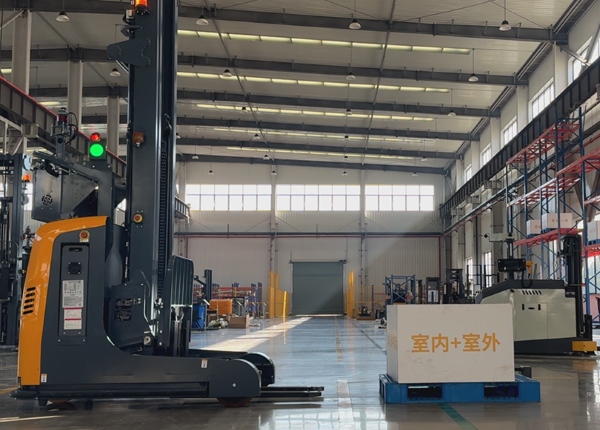
Before comparing Chinese AGV forklift models, define what the vehicle actually needs to do.
What is the maximum pallet weight?
What is the maximum pallet height?
How high must the pallet be stored?
What is the pallet size?
What is the pallet entry direction?
What is the narrowest aisle?
How many pallet movements are required per hour?
How far does each pallet normally travel?
Are pedestrians and manual forklifts operating in the same area?
Are there floor joints, ramps, thresholds or uneven surfaces?
These details are more useful than simply telling a supplier that the warehouse is "large."
The vehicle's rated payload should be selected according to the real maximum operating load, not only the average pallet weight.
For example, if most pallets weigh 800 kg but some inbound pallets reach 1,200 kg, selecting a vehicle based only on the 800 kg average can create a serious operating limitation.
The buyer should also provide the load center and pallet geometry. A forklift's rated capacity is associated with specific operating conditions. Payload, load center, lift height and attachment configuration can all affect the applicable capacity.
Lift height should be based on the highest actual storage position rather than the nominal building height.
A warehouse with a 12-meter clear building height does not necessarily require a forklift capable of lifting 12 meters. Rack beam levels, pallet height, sprinkler clearance, structural members and required operating clearance must all be considered.
For high-bay applications, the buyer should provide the supplier with the rack elevation drawing and the required pallet storage level.
Aisle width is one of the most important parameters when selecting an unmanned forklift.
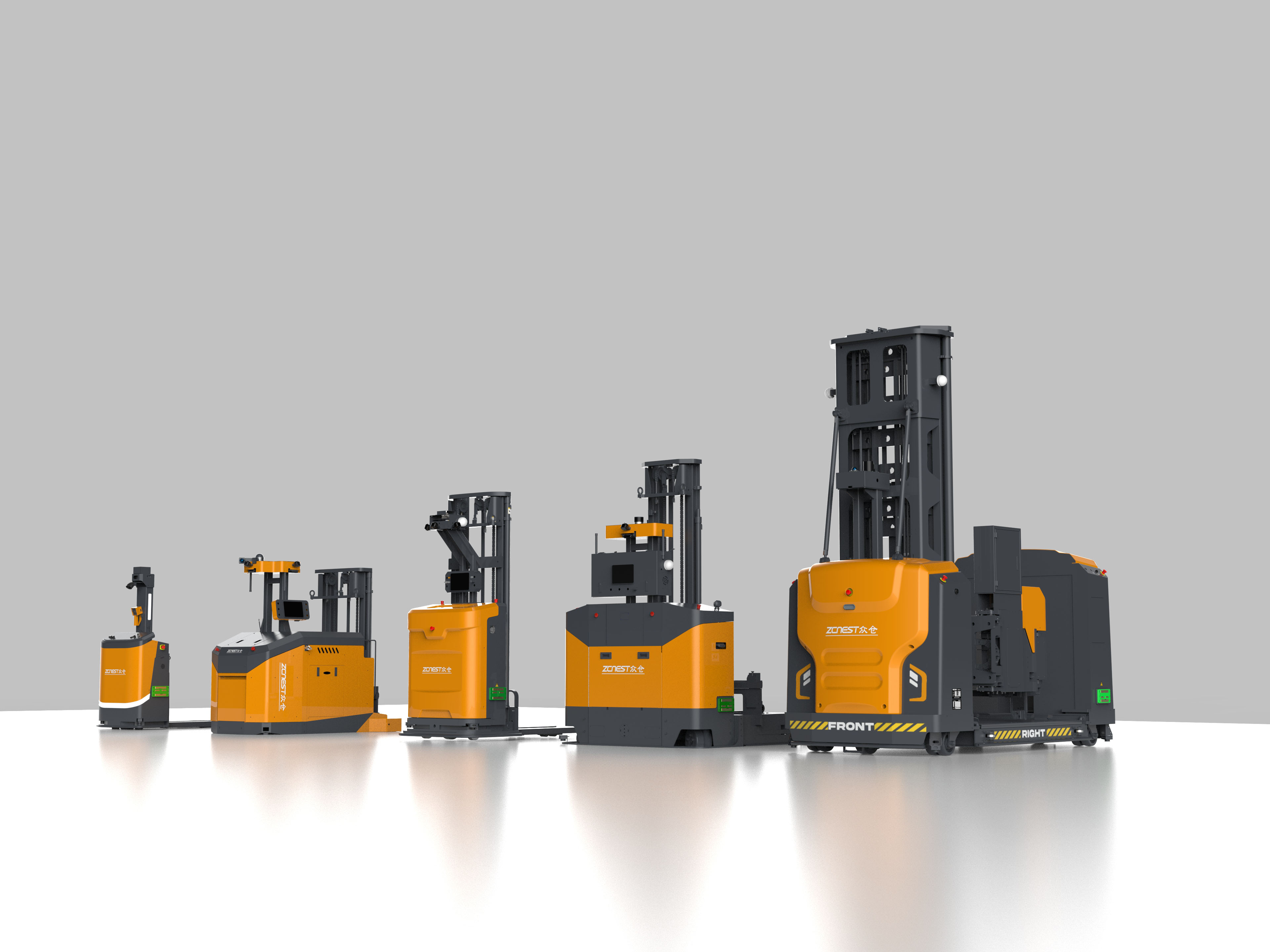
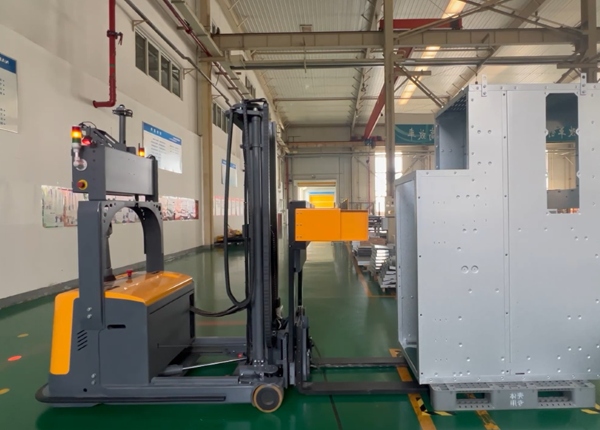
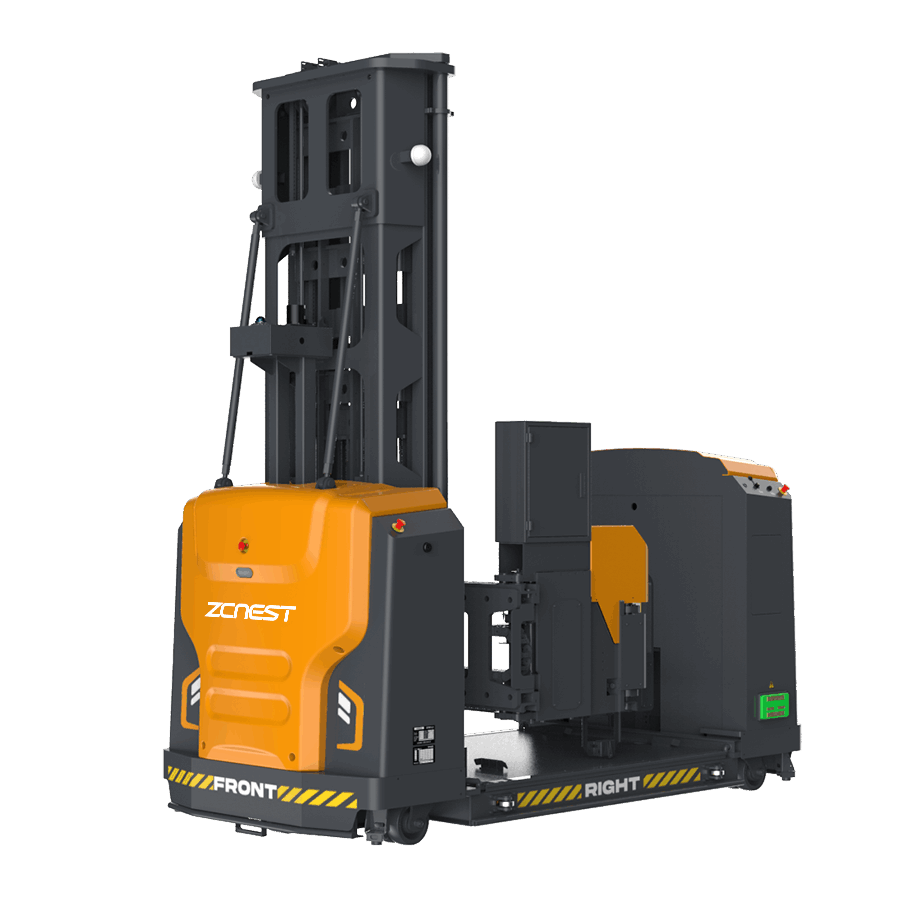
A narrow-aisle reach AGV, three-way forklift AGV and conventional counterbalanced AGV have different turning and operating characteristics. The supplier should therefore validate the actual aisle requirement against the vehicle geometry, pallet dimensions, rack configuration and safety clearance.
For example, a high-bay warehouse may benefit from a VNA-oriented AGV configuration when storage density is more important than open-floor flexibility.
The navigation technology should be selected according to the warehouse environment rather than marketing terminology.
Laser SLAM can use stable environmental features such as walls, columns, rack structures and intersections. Reflector-based systems can use artificial reference points. Vision-based systems may use cameras and environmental features. Some projects combine multiple technologies.
The buyer should ask the supplier to demonstrate the proposed navigation method in an environment similar to the actual warehouse.
| Parameter | Buyer Should Provide |
|---|---|
| Payload | Maximum load and load center |
| Lift Height | Highest required storage position |
| Pallet | Length, width, height and entry direction |
| Aisle | Narrowest operating aisle |
| Throughput | Required pallet movements per hour |
| Environment | Temperature, dust, humidity and floor conditions |
A professional supplier should return a proposed vehicle configuration, fleet quantity, route concept, charging strategy, warehouse assumptions and required site modifications rather than simply sending a product catalog.
For an overseas buyer, the most useful first step is to send the AGV manufacturer actual warehouse information and ask for a technical recommendation.
The goal is not to find the forklift with the largest specification sheet. The goal is to find a vehicle that can repeatedly perform the required pallet movements under the actual warehouse conditions.
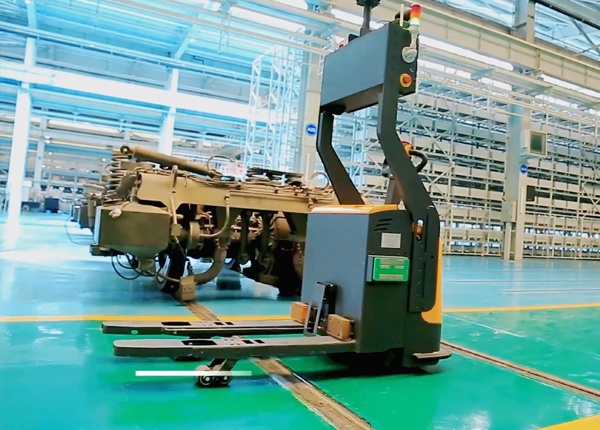
That difference becomes particularly important when comparing imported Chinese unmanned forklifts from several manufacturers.





 Chinese
 English