


Many overseas warehouses already have a fleet of conventional forklifts. When considering automation, the practical question is often not “Should I buy an AGV?” but “Which of my existing forklift operations can actually be automated?”
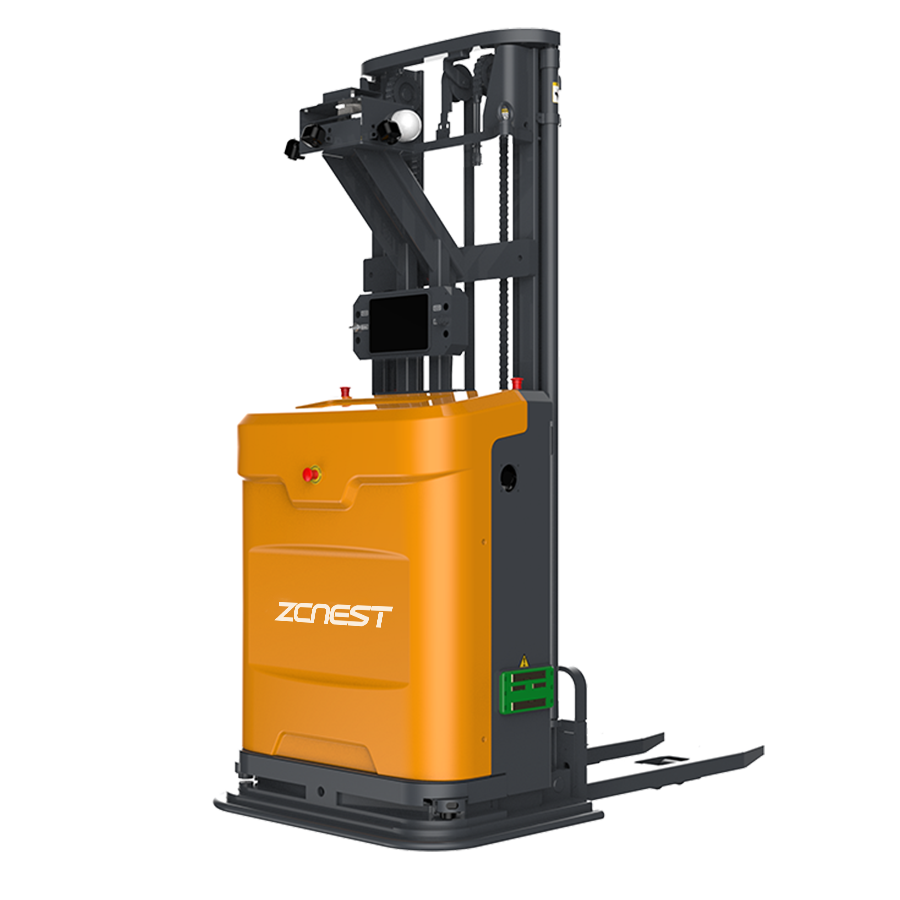
Chinese unmanned forklifts can automate many repetitive pallet movements, but replacing a conventional reach truck or counterbalance forklift depends on the application, environment, pallet flow, lift requirements, and operating flexibility required.
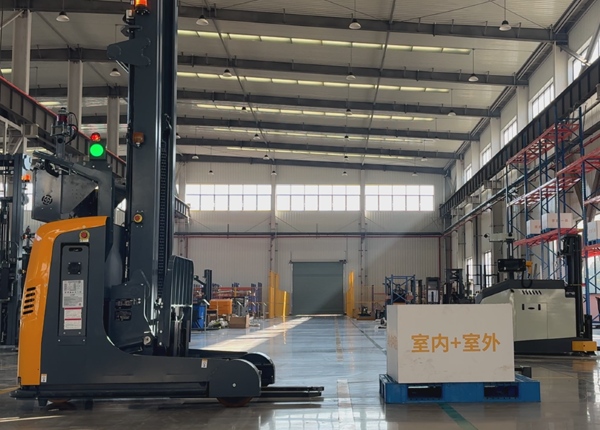
Do not begin by counting forklifts. Begin by documenting what each forklift actually does during a shift.
Inbound unloading
Pallet transfer
Put-away
Rack retrieval
Staging
Order preparation
Outbound loading
Exception handling
Empty pallet movement
Some tasks are highly repetitive and predictable. Others require a human operator to make frequent decisions or handle unusual situations.
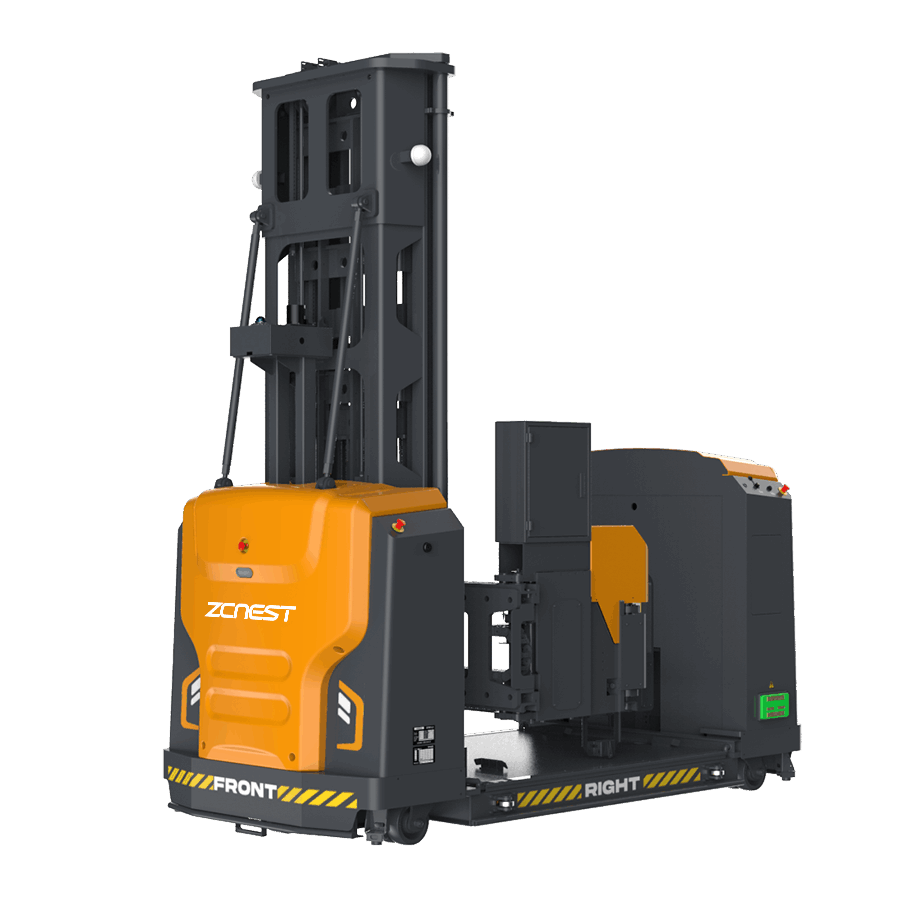
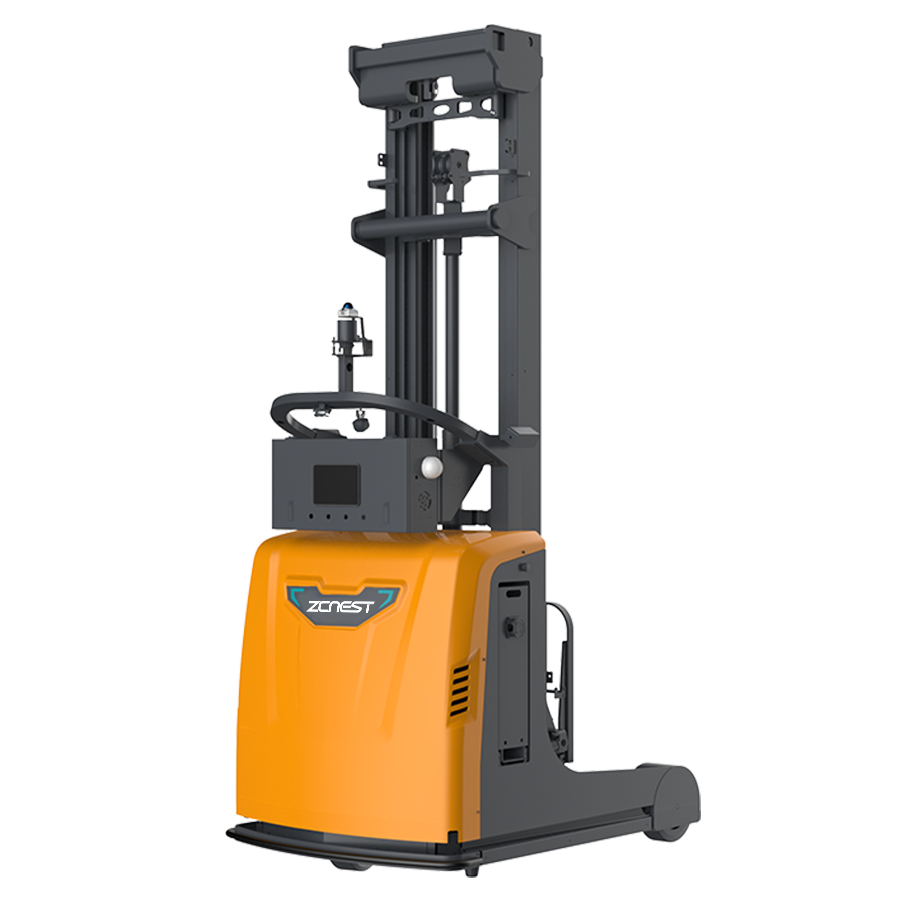
A reach truck used in a high-bay warehouse can potentially be replaced by an automated reach-type forklift or VNA-oriented autonomous vehicle if the rack geometry and pallet requirements are compatible.
The analysis should include:
Rack height
Aisle width
Pallet dimensions
Load center
Required lift height
Rack clearance
Required placement accuracy
Traffic conditions
A vehicle specification that lists a high maximum lift does not automatically mean it can perform the customer's actual rack placement safely and accurately.
Counterbalance forklifts are often used for flexible operations such as trailer unloading, outdoor movement, staging, pallet transfer, and irregular material handling.
Automation becomes easier when these operations are standardized.
For example, a fixed pallet pickup point and fixed drop-off point are easier to automate than a process where an operator continuously decides where to place different pallets based on changing conditions.
A useful automation candidate normally has predictable routes, identifiable pickup and drop-off locations, repeatable pallets, measurable workload, and relatively stable operating rules.
For example, moving pallets from receiving to a staging area 80 times per shift is easier to automate than a forklift operator performing dozens of unrelated tasks across an entire facility.
Automated fork entry is more sensitive to pallet variation than a skilled human operator may appear to be.
If the existing operation uses multiple pallet sizes, damaged wooden pallets, plastic pallets, metal skids, or non-standard load configurations, the AGV must be tested against those actual conditions.
The question is not simply whether the AGV can lift the pallet. It must reliably approach, enter, lift, transport, and place the pallet under the expected operating conditions.
A human-driven forklift can often react to unexpected conditions without changing its software configuration.
An autonomous forklift relies on defined maps, routes, task rules, safety zones, pallet assumptions, and fleet-management logic.
This does not mean automation is unsuitable. It means the warehouse should identify which processes are standardized enough to benefit from automation and which processes still require manual flexibility.
A warehouse does not necessarily need to replace every conventional forklift.
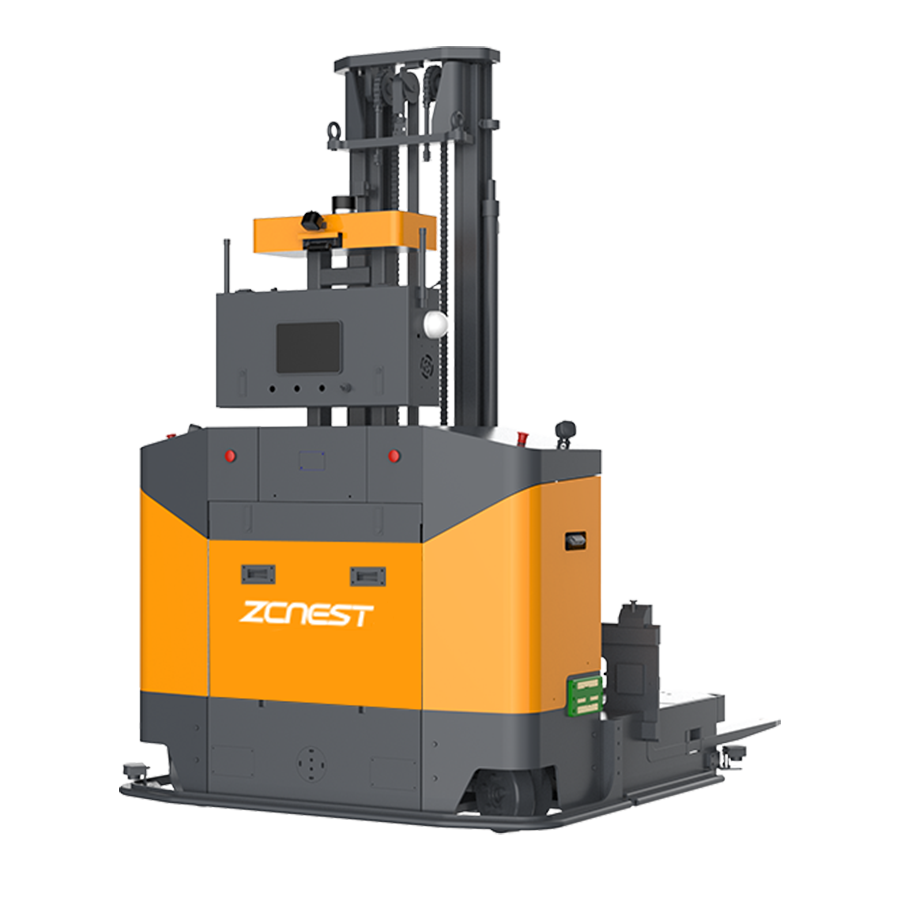
A practical architecture may use autonomous forklifts for repetitive pallet transportation and put-away while retaining manual forklifts for irregular loads, emergency tasks, trailer work, maintenance, or other operations that are difficult to standardize.
This can also provide a gradual transition path rather than requiring the warehouse to automate every forklift operation at once.
Replacing five forklifts with five AGVs does not automatically create the same warehouse output.
The comparison should examine completed pallet movements per hour, travel distance, lift cycles, waiting time, congestion, charging, manual intervention, and peak-period workload.
The number of vehicles should be determined from the required workload and operating conditions rather than simply matching the existing forklift count.
High-bay warehouses require additional attention because lift height increases the importance of mast behavior, localization, fork positioning, rack clearance, pallet tolerance, and floor conditions.
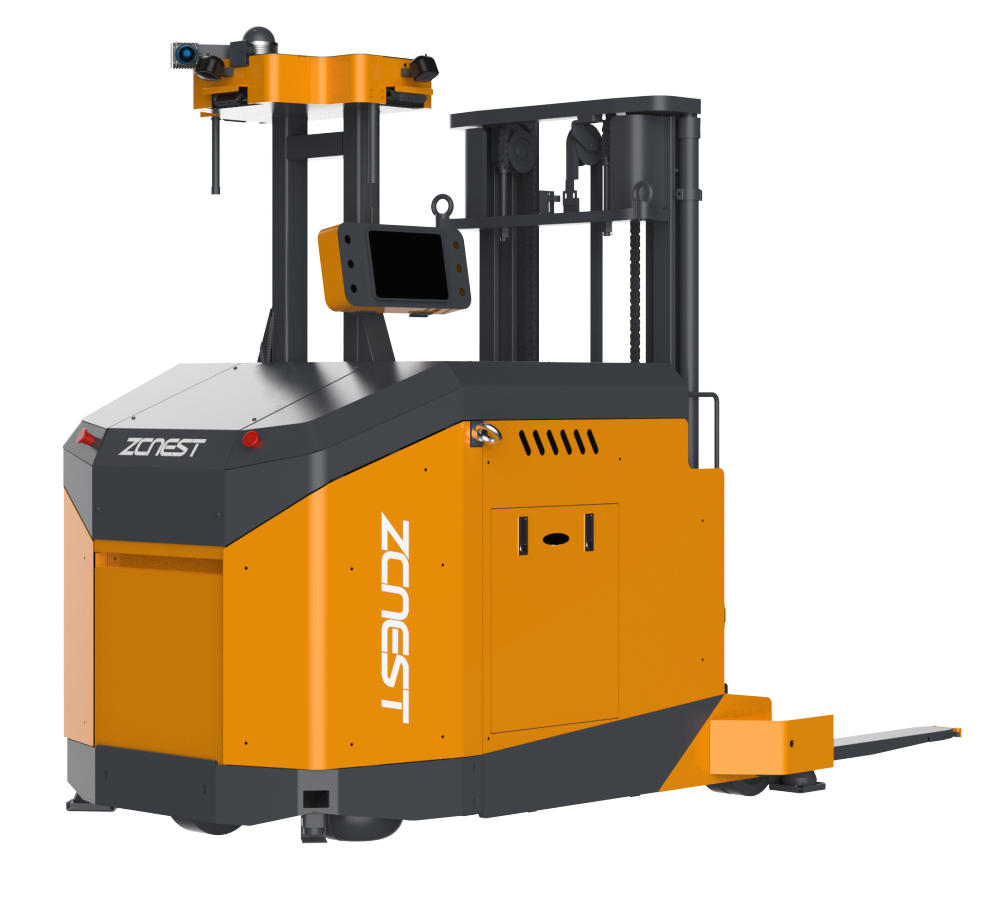
For a VNA project, for example, a proposed configuration may target an aisle around 1.65 m and lift heights up to 11 m, but the final suitability must be validated against the customer's pallet, rack, load center, and building conditions.
The advertised maximum lift height should therefore not be used as the only selection criterion.
A useful comparison should track how often operators intervene in the automated process.
Examples include blocked aisles, damaged pallets, missing pallets, unexpected obstacles, incorrect pallet positions, software exceptions, battery issues, and manual recovery.
An AGV that completes a task only after frequent human intervention should not be evaluated the same way as a system that completes the same process consistently without intervention.
A warehouse can classify existing forklift operations into several groups:
| Operation | Automation Consideration |
|---|---|
| Fixed pallet transfer | Usually easier to standardize |
| Repetitive put-away | Suitable for detailed feasibility analysis |
| High-bay retrieval | Requires detailed rack and vehicle validation |
| Irregular trailer unloading | Requires site-specific analysis |
| Highly variable manual handling | May require continued manual operation |
Before replacing a large forklift fleet, select one or two representative workflows and measure the results.
Test the actual pallets, routes, racks, lift heights, traffic, charging, WMS tasks, and exception conditions.
The results can then show which manual forklift operations can realistically transition to autonomous vehicles and which should remain manual.
For many warehouses, the most practical automation strategy is not a complete replacement of every conventional forklift. It is the automation of repeatable, measurable, high-frequency pallet movements while maintaining manual flexibility where the warehouse genuinely needs it.
That approach gives the warehouse team a clearer basis for deciding which forklift operations should become autonomous, how many vehicles are required, and what warehouse changes are necessary before deployment.





 Chinese
 English