


For a warehouse considering a large unmanned forklift deployment, starting with a small proof of concept can allow the buyer to validate the technology before committing to the full fleet.
A two-vehicle POC can be useful, but only if it is designed to answer the questions that matter for the future 40-unit deployment.
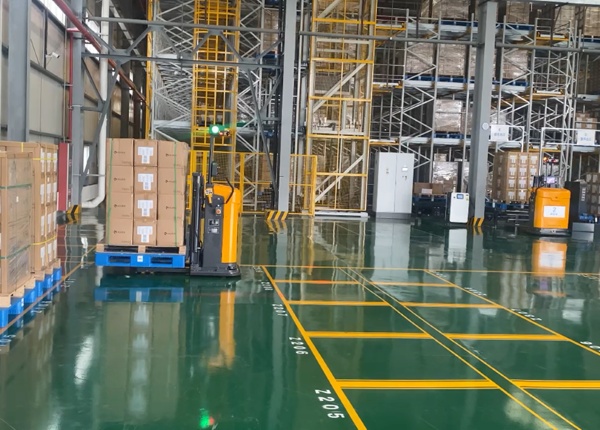
The purpose of a POC should not simply be to demonstrate that an AGV can drive around a warehouse.
The test should represent the actual production workflow.
Automatic pallet pickup
Travel between representative locations
Rack placement
High-level lifting where applicable
Automatic pallet retrieval
Charging
Traffic interaction
Manual forklift interaction
Exception handling
Communication recovery
A POC should use the pallets, racks, load profiles, and operating conditions expected during production.
If the production warehouse uses several pallet types, include representative examples in the pilot.
Testing only with clean, empty demonstration pallets may not reveal problems caused by damaged pallets, uneven loads, different load centers, or inconsistent pallet geometry.
Record actual operating data during the POC.
Completed missions
Cycle time
Waiting time
Manual interventions
Failed pickups
Failed placements
Charging events
Alarm events
Communication interruptions
Vehicle availability
The objective is to understand how the system behaves during representative warehouse work, not simply whether the vehicle can complete a demonstration route.
Two vehicles are enough to expose some fleet-management issues that cannot be seen with a single AGV.
Test task assignment, traffic management, intersection priorities, charging requests, vehicle faults, blocked routes, and recovery after a vehicle becomes unavailable.
The buyer should also ask how the same software architecture will scale when the fleet increases to the planned production quantity.
If the long-term plan is to expand from 2 vehicles to 40, define the criteria for expansion before starting the pilot.
These criteria may include technical performance, warehouse throughput, manual intervention frequency, safety testing, system integration, operator acceptance, and service response.
The exact criteria should reflect the buyer's actual business requirements.
A POC is more useful when the pilot vehicles are representative of the planned production configuration.
If the pilot uses one navigation system, controller, battery, sensor package, fork configuration, and software architecture while the production fleet will use different components, the POC may not fully validate the final system.
Any planned changes should be documented before the pilot is accepted.
If the POC is part of a larger purchasing plan, clarify how the successful pilot will lead to the next phase.
The agreement can identify the pilot quantity, production quantity, technical configuration, acceptance criteria, pricing assumptions, engineering scope, and conditions for future orders.
This avoids a situation where the pilot succeeds technically but the production phase requires a completely new commercial and engineering negotiation.
A two-vehicle POC is most valuable when it answers the specific questions that could create risk in a 40-vehicle deployment.
The pilot should therefore test the real warehouse workflow, representative loads, fleet software, integration, safety functions, charging, exception handling, and expansion architecture.
The result should be a documented technical decision rather than simply a successful product demonstration.




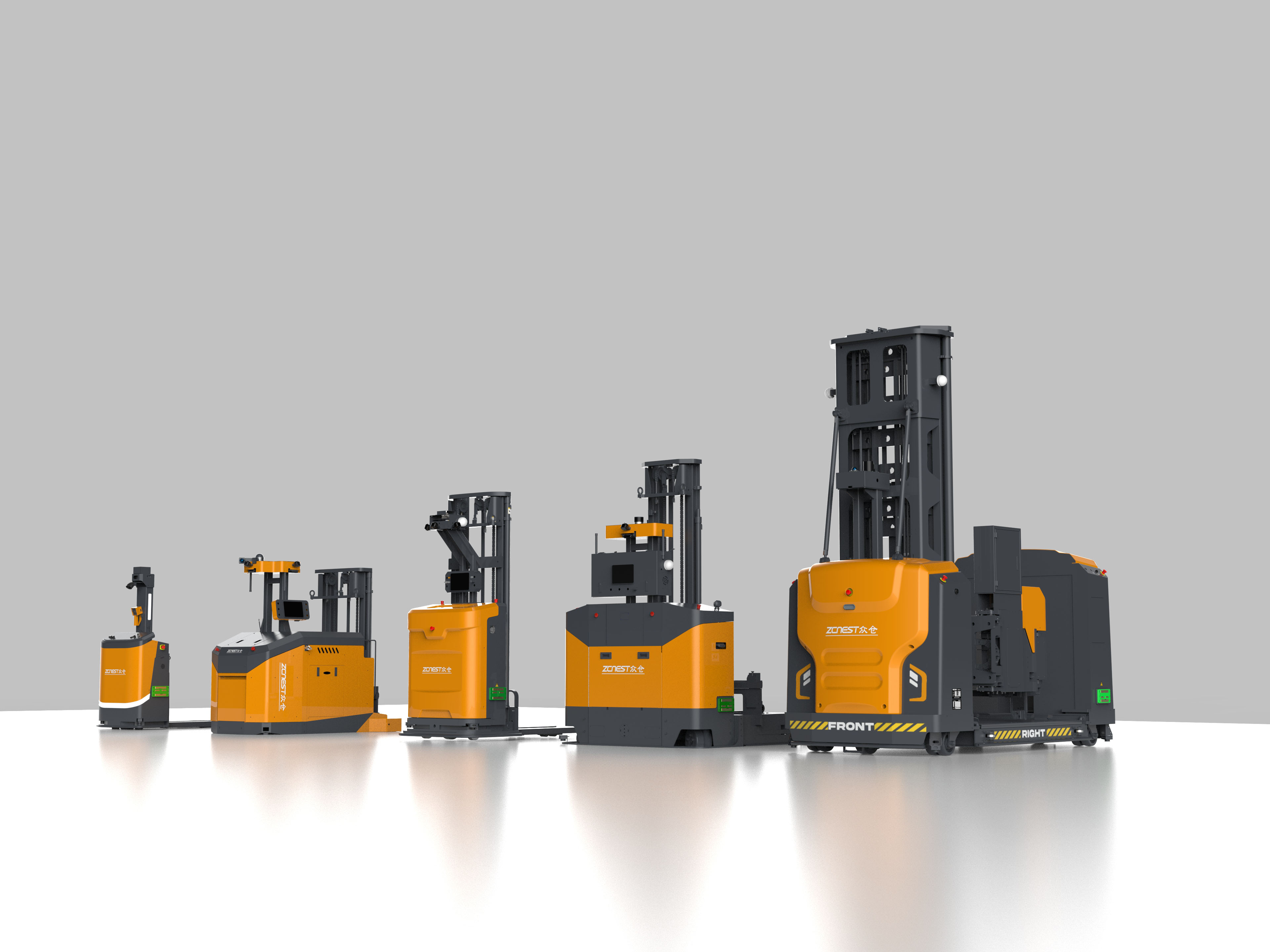
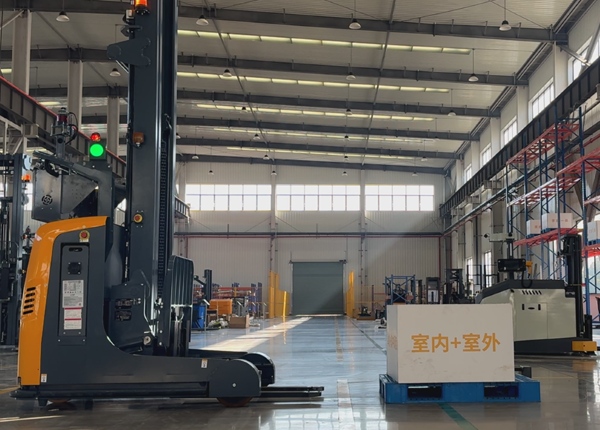
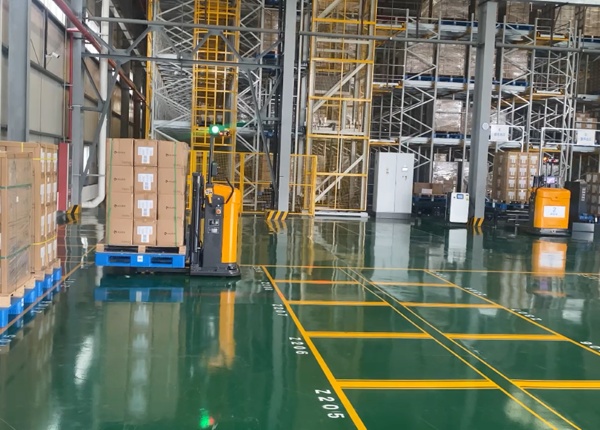

 Chinese
 English