


Inbound Warehouse Automation Guide
Inbound automation can fail before a pallet reaches its storage destination if unloading, identification, staging, and vehicle dispatch are not coordinated. ZCNEST explains how to design an inbound workflow that connects receiving operations with automated pallet transport.
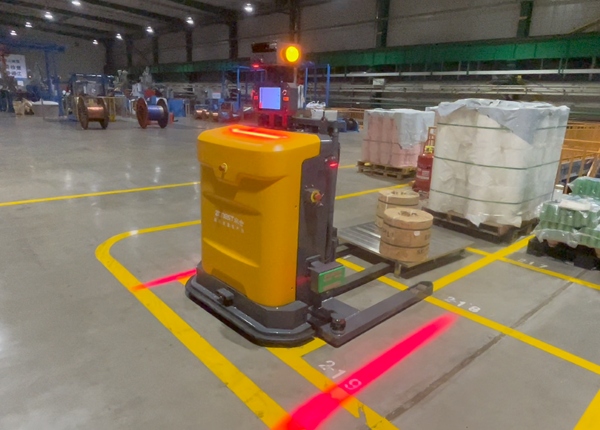
Inbound pallet flow commonly includes unloading, initial inspection, barcode or document verification, temporary staging, and transfer to a storage or buffer location. An AGV forklift should be assigned a clear pickup point and destination only after the load is ready for automated handling.
The receiving process may be inconsistent during peak periods. Some pallets may require relabeling, quality inspection, quantity checks, or manual handling before they can enter the automated flow. If these exceptions are not separated from standard pallet movement, vehicles can wait at the dock while workers complete unrelated tasks.
Where is an inbound pallet considered ready for AGV pickup?
How is the pallet identity linked to the receiving transaction?
Which loads require inspection before automated transport?
How does the system communicate destination and priority?
Where can a pallet wait if no destination is currently available?
STAGE 01
Record the incoming pallet and complete the required identification or inspection steps. The system should distinguish accepted pallets from loads that require manual review.
STAGE 02
Place the pallet at an agreed pickup position with sufficient clearance and a suitable approach for the selected automated forklift.
STAGE 03
Release the transport task when the load and destination are valid. Confirm pickup and delivery status so that warehouse records remain consistent.
Truck arrivals are not always evenly distributed. Several pallets may arrive within a short period even when the average hourly volume appears manageable. The receiving buffer must accommodate the expected arrival pattern while leaving enough space for inspection, manual handling, and safe vehicle movement.
Estimate the volume of pallets arriving during the busiest operating intervals, the time needed to make each pallet ready, and the downstream capacity available for automated transport. The buffer should be based on the site's real workflow, not an arbitrary number of pallet positions.
Staging pallets across AGV turning areas or marked pedestrian routes.
Placing unverified pallets in positions reserved for ready-to-move loads.
Creating pickup points that require vehicles to reverse into congested traffic.
Allowing empty pallets and rejected loads to occupy essential buffer space.
The warehouse management system may determine the storage destination based on inventory rules, while the fleet system assigns and executes vehicle missions. Their interface should define when a task becomes eligible, what happens when a destination is unavailable, and how failures are reported.
Avoid releasing large numbers of missions simply because inbound records have been created. If the storage aisles or receiving buffers are congested, early release can increase waiting and make task priorities harder to manage. Where supported, release tasks according to destination availability and current fleet workload.
Measure the time from truck unloading or pallet readiness to confirmed storage delivery. Break this period into identification, staging, AGV waiting, travel, and storage handoff. This makes it easier to determine whether the bottleneck is in receiving labor, the vehicle fleet, the buffer layout, or the storage system.
Test normal arrivals, concentrated arrivals, unrecognized pallet IDs, blocked destinations, and unavailable vehicles. A successful inbound design must handle both the standard flow and the exceptions without losing pallet traceability.
Inbound automation is worth evaluating when pallet arrivals are frequent, internal transport follows repeatable routes, and receiving points can provide consistent handoffs. Prepare arrival profiles, pallet data, inspection rules, storage destinations, and peak-period volumes before estimating the required fleet.












 Chinese
 English





