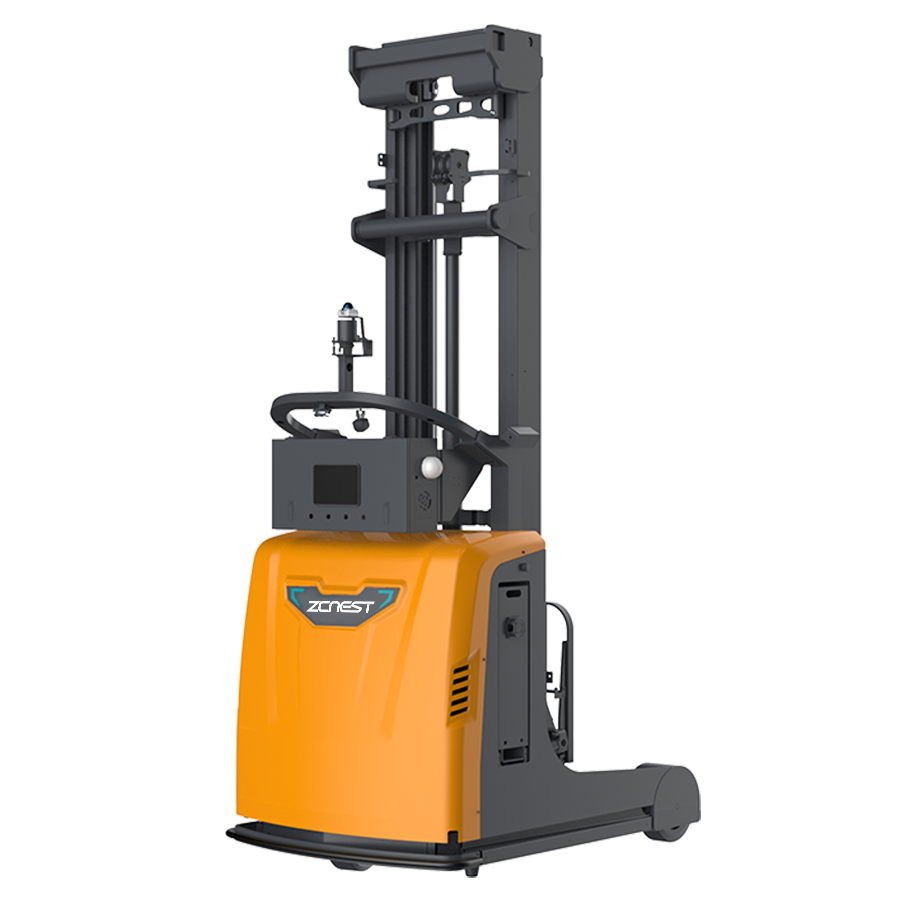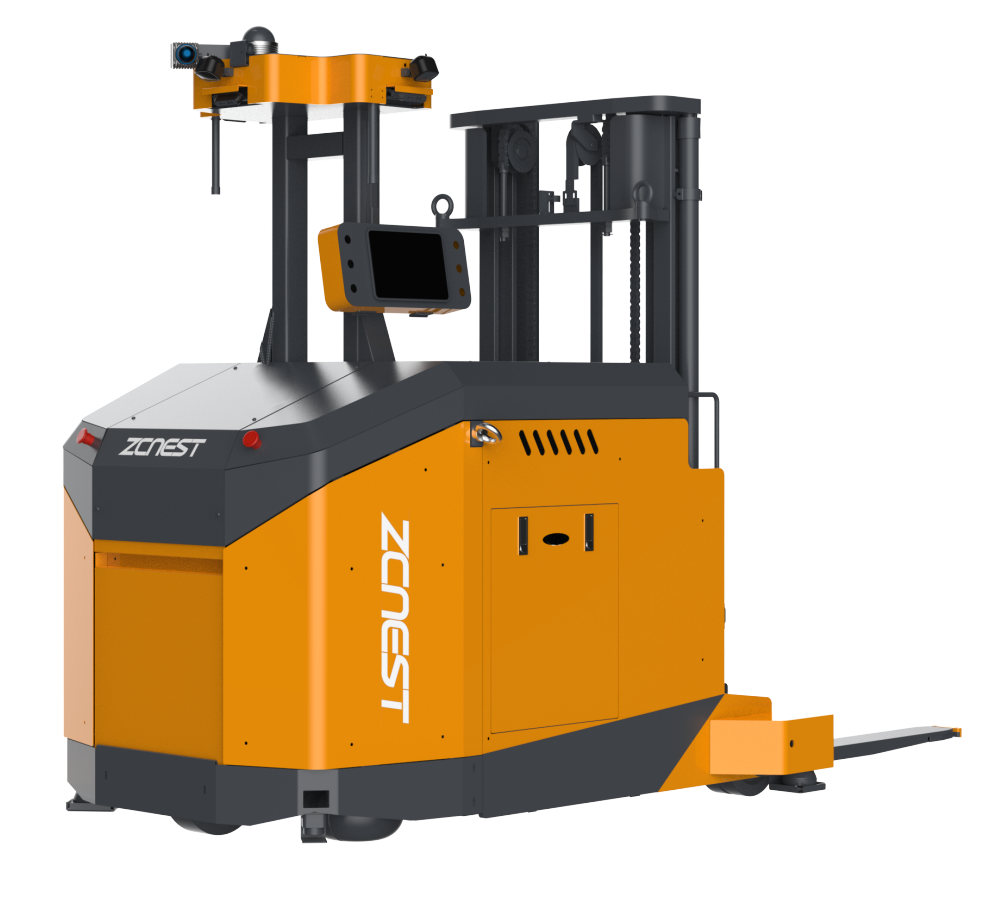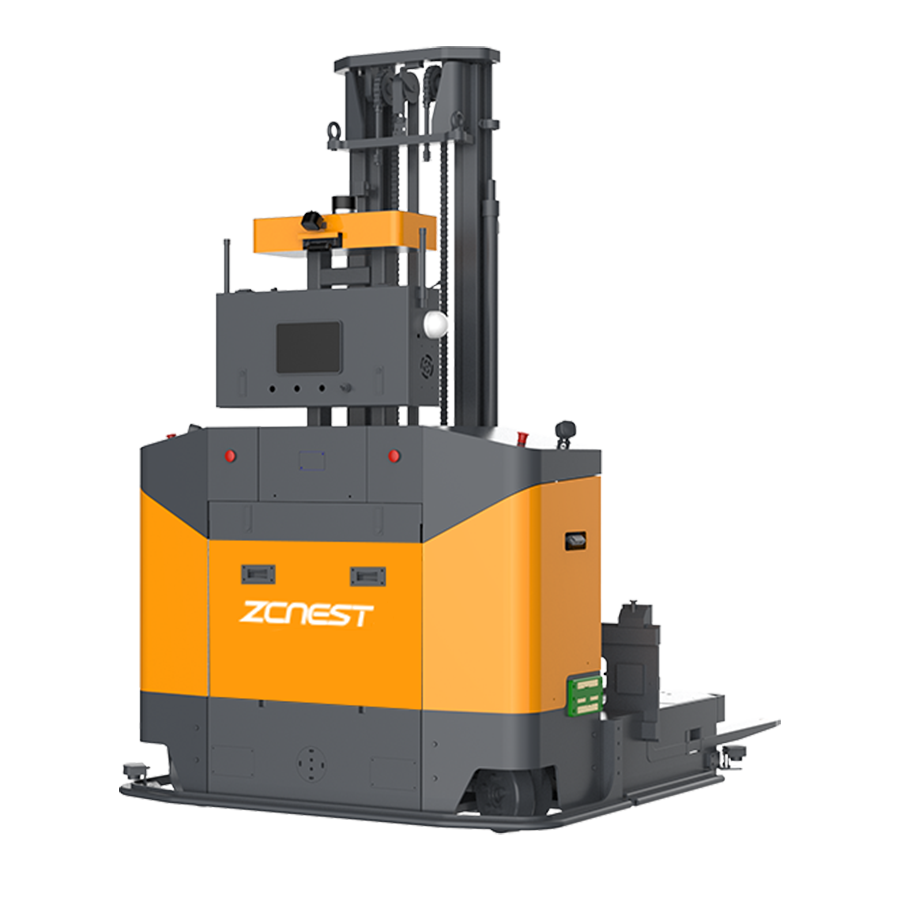
AGV Deployment Across Multiple Warehouse Buildings: An Integration Guide


Multi-Building Warehouse Automation Guide

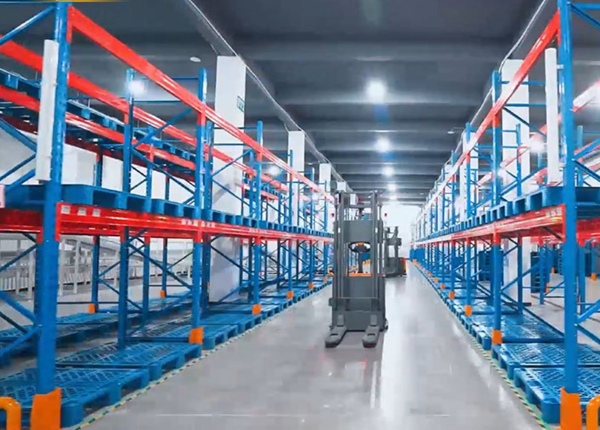
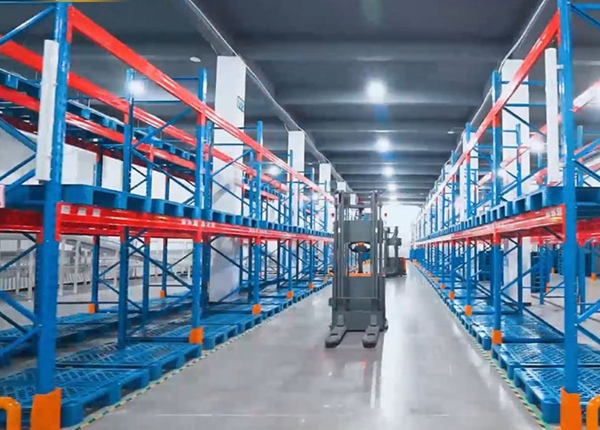
When pallet movements connect several warehouse buildings, AGV deployment becomes a coordination challenge involving routes, task ownership, communication coverage, transfer points, and different operating environments. A successful design must manage the entire material flow rather than treating each building as an isolated automation project.
```html <p><br/></p> <section style="margin-bottom:60px;padding:60px 45px;background:#0f172a;color:#ffffff;border-radius:4px;text-align:center;border-top:10px solid #06b6d4;">     <p><span style="font-size:18px;color:#a5f3fc;">Multi-Building Warehouse Automation Guide</span></p>     <h1 style="color:#ffffff;font-size:42px;margin-top:0;margin-bottom:30px;font-weight:800;line-height:1.2;">         <span style="color:#06b6d4;font-size:28px;">AGV Deployment Across Multiple Warehouse Buildings: An Integration Guide</span>     </h1>     <p style="font-size:20px;line-height:1.8;max-width:850px;margin:0 auto;color:#e2e8f0;">When pallet movements connect several warehouse buildings, AGV deployment becomes a coordination challenge involving routes, task ownership, communication coverage, transfer points, and different operating environments. A successful design must manage the entire material flow rather than treating each building as an isolated automation project.</p> </section>  <p style="text-align:center;">     <img src="/../../upload/image/REPLACE_WITH_REAL_IMAGE.jpg" alt="AGV material transfer between warehouse operating zones" width="500" height="358" border="0" vspace="0" style="width:500px;height:358px;"/> </p>  <section style="margin-bottom:55px;">     <h2 style="color:#0f172a;font-size:30px;border-bottom:4px solid #06b6d4;display:inline-block;padding-bottom:8px;">01. Map the Material Flow Between Buildings</h2>     <p style="font-size:18px;line-height:1.9;color:#334155;">Begin by documenting every movement between receiving, storage, production-independent staging areas, shipping, and other warehouse zones. The objective is to identify where a pallet starts, which route it follows, where ownership changes, and how delivery is confirmed.</p>     <p style="font-size:18px;line-height:1.9;color:#334155;">A direct route may be appropriate when the path is accessible and can be managed safely. Where routes cross public roads, outdoor areas, doors, ramps, or other restricted zones, a controlled transfer station or separate vehicle fleets may be more practical.</p>     <ul style="font-size:18px;line-height:1.9;color:#334155;" class="list-paddingleft-2">         <li><p>Measure the route length, travel time, gradients, door clearances, and floor transitions.</p></li>         <li><p>Identify pedestrian crossings, manual forklift traffic, and temporary obstructions.</p></li>         <li><p>Record environmental differences, including lighting, temperature, weather exposure, and floor condition.</p></li>         <li><p>Define staging capacity at each building entrance and transfer point.</p></li>         <li><p>Estimate peak transfer demand rather than using daily averages alone.</p></li>     </ul> </section>  <section style="margin-bottom:55px;padding:45px;background:#0f172a;border-radius:12px;color:#ffffff;">     <h2 style="color:#06b6d4;font-size:28px;text-align:center;margin-top:0;margin-bottom:35px;">Three Layers of Multi-Building Integration</h2>     <p style="font-size:14px;color:#67e8f9;letter-spacing:1px;">LAYER 01</p>     <h3 style="font-size:22px;color:#ffffff;">Warehouse Task Ownership</h3>     <p style="font-size:18px;line-height:1.8;color:#cbd5e1;">Determine which system creates the transfer request, which system assigns the destination, and which system confirms delivery. Every task should have a clear status and an accountable system owner.</p>     <p style="font-size:14px;color:#67e8f9;letter-spacing:1px;">LAYER 02</p>     <h3 style="font-size:22px;color:#ffffff;">Fleet and Route Coordination</h3>     <p style="font-size:18px;line-height:1.8;color:#cbd5e1;">Establish how vehicles enter and leave shared routes, reserve transfer stations, avoid conflicts, and recover from blocked paths. If separate fleets are used, define how pallets are handed over and how task status is synchronized.</p>     <p style="font-size:14px;color:#67e8f9;letter-spacing:1px;">LAYER 03</p>     <h3 style="font-size:22px;color:#ffffff;">Communication and Delivery Confirmation</h3>     <p style="font-size:18px;line-height:1.8;color:#cbd5e1;">Verify communication coverage along the complete route and define safe behavior during signal loss. Confirm that the receiving system acknowledges the pallet before the transfer task is closed.</p> </section>  <section style="margin-bottom:55px;">     <h2 style="color:#0f172a;font-size:28px;">02. Choose the Right Transfer Architecture</h2>     <h3 style="color:#0f172a;font-size:22px;">Option A: One Fleet Across the Route</h3>     <p style="font-size:18px;line-height:1.9;color:#334155;">A single fleet may simplify task coordination when vehicles can safely access all required areas and the fleet-control system supports the complete route. However, outdoor transitions, access controls, and different floor conditions may limit this approach.</p>     <h3 style="color:#0f172a;font-size:22px;">Option B: A Dedicated Transfer Station</h3>     <p style="font-size:18px;line-height:1.9;color:#334155;">A defined transfer station can separate building-specific operations and provide a controlled handover point. The design must account for buffer capacity, pallet identification, transfer confirmation, and the possibility that one side is temporarily unavailable.</p>     <h3 style="color:#0f172a;font-size:22px;">Option C: Separate Fleets for Different Areas</h3>     <p style="font-size:18px;line-height:1.9;color:#334155;">Separate fleets may suit buildings with different operating conditions or equipment requirements. This introduces additional coordination needs: task ownership, inventory status, transfer queues, and recovery procedures must be consistent across systems.</p>     <p style="font-size:18px;line-height:1.9;color:#334155;">The preferred architecture depends on route conditions, transfer frequency, safety requirements, system capabilities, and the consequences of a transfer-point blockage.</p> </section>  <section style="margin-bottom:55px;">     <h2 style="color:#0f172a;font-size:28px;">03. Test the Interfaces and Communication Path</h2>     <p style="font-size:18px;line-height:1.9;color:#334155;">An AGV may operate correctly inside each building while the complete transfer workflow still fails. Integration testing should follow a pallet from its original task request through pickup, inter-building movement, handover, delivery confirmation, and final inventory update.</p>     <ul style="font-size:18px;line-height:1.9;color:#334155;" class="list-paddingleft-2">         <li><p>Verify task creation, acceptance, status updates, cancellation, and completion.</p></li>         <li><p>Test occupied transfer points and full staging buffers.</p></li>         <li><p>Simulate communication interruption and verify safe recovery.</p></li>         <li><p>Confirm that duplicate requests do not create duplicate pallet movements.</p></li>         <li><p>Check inventory reconciliation after a failed or manually recovered transfer.</p></li>     </ul>     <p style="font-size:18px;line-height:1.9;color:#334155;">Network coverage should be checked along the actual vehicle route, not only near access points or inside offices. IT and automation teams should agree on network access, monitoring, security controls, and responsibility for troubleshooting.</p> </section>  <section style="margin-bottom:60px;padding:40px;background:#ecfeff;border-left:8px solid #06b6d4;">     <h2 style="color:#0f172a;font-size:24px;margin-top:0;">Calculate Capacity at the Transfer Point</h2>     <p style="font-size:18px;line-height:1.9;color:#164e63;">The inter-building route can become the system bottleneck even when each building has sufficient AGV capacity. Compare peak transfer requests with the practical handling capacity of the route and transfer station. Include vehicle arrival variation, handover time, buffer occupancy, and recovery from blocked transfers in the design.</p> </section>  <footer style="padding:55px 35px;background:#0f172a;text-align:center;border-radius:4px;">     <h2 style="color:#ffffff;font-size:28px;margin-top:0;">Connecting Multiple Warehouse Buildings?</h2>     <p style="font-size:20px;line-height:1.8;color:#cbd5e1;max-width:720px;margin:0 auto 35px;">Share your building layout, transfer routes, pallet volume, operating conditions, and warehouse-system interfaces to discuss a practical multi-building AGV architecture.</p>     <a href="mailto:market@zcnest.com?subject=Multi-Building%20Warehouse%20AGV%20Integration" style="background:#06b6d4;color:#ffffff;text-decoration:none;padding:20px 40px;border-radius:4px;font-size:18px;font-weight:bold;display:inline-block;">GET EXPERT CONSULTATION</a> </footer>  <p style="font-size:18px;line-height:1.8;color:#334155;"><strong>SEO Title:</strong> Multi-Building Warehouse AGV Deployment and Integration Guide</p> <p style="font-size:18px;line-height:1.8;color:#334155;"><strong>Meta Description:</strong> Learn how to deploy AGVs across multiple warehouse buildings by planning transfer routes, fleet coordination, WMS interfaces, network coverage, and handover stations.</p> ```.jpg

01. Map the Material Flow Between Buildings

Begin by documenting every movement between receiving, storage, production-independent staging areas, shipping, and other warehouse zones. The objective is to identify where a pallet starts, which route it follows, where ownership changes, and how delivery is confirmed.

A direct route may be appropriate when the path is accessible and can be managed safely. Where routes cross public roads, outdoor areas, doors, ramps, or other restricted zones, a controlled transfer station or separate vehicle fleets may be more practical.

  • Measure the route length, travel time, gradients, door clearances, and floor transitions.

  • Identify pedestrian crossings, manual forklift traffic, and temporary obstructions.

  • Record environmental differences, including lighting, temperature, weather exposure, and floor condition.

  • Define staging capacity at each building entrance and transfer point.

  • Estimate peak transfer demand rather than using daily averages alone.

Three Layers of Multi-Building Integration

LAYER 01

Warehouse Task Ownership

Determine which system creates the transfer request, which system assigns the destination, and which system confirms delivery. Every task should have a clear status and an accountable system owner.

LAYER 02

Fleet and Route Coordination

Establish how vehicles enter and leave shared routes, reserve transfer stations, avoid conflicts, and recover from blocked paths. If separate fleets are used, define how pallets are handed over and how task status is synchronized.

LAYER 03

Communication and Delivery Confirmation

Verify communication coverage along the complete route and define safe behavior during signal loss. Confirm that the receiving system acknowledges the pallet before the transfer task is closed.

02. Choose the Right Transfer Architecture

Option A: One Fleet Across the Route

A single fleet may simplify task coordination when vehicles can safely access all required areas and the fleet-control system supports the complete route. However, outdoor transitions, access controls, and different floor conditions may limit this approach.

Option B: A Dedicated Transfer Station

A defined transfer station can separate building-specific operations and provide a controlled handover point. The design must account for buffer capacity, pallet identification, transfer confirmation, and the possibility that one side is temporarily unavailable.

Option C: Separate Fleets for Different Areas

Separate fleets may suit buildings with different operating conditions or equipment requirements. This introduces additional coordination needs: task ownership, inventory status, transfer queues, and recovery procedures must be consistent across systems.

The preferred architecture depends on route conditions, transfer frequency, safety requirements, system capabilities, and the consequences of a transfer-point blockage.

03. Test the Interfaces and Communication Path

An AGV may operate correctly inside each building while the complete transfer workflow still fails. Integration testing should follow a pallet from its original task request through pickup, inter-building movement, handover, delivery confirmation, and final inventory update.

  • Verify task creation, acceptance, status updates, cancellation, and completion.

  • Test occupied transfer points and full staging buffers.

  • Simulate communication interruption and verify safe recovery.

  • Confirm that duplicate requests do not create duplicate pallet movements.

  • Check inventory reconciliation after a failed or manually recovered transfer.

Network coverage should be checked along the actual vehicle route, not only near access points or inside offices. IT and automation teams should agree on network access, monitoring, security controls, and responsibility for troubleshooting.

Calculate Capacity at the Transfer Point

The inter-building route can become the system bottleneck even when each building has sufficient AGV capacity. Compare peak transfer requests with the practical handling capacity of the route and transfer station. Include vehicle arrival variation, handover time, buffer occupancy, and recovery from blocked transfers in the design.


Connecting Multiple Warehouse Buildings?

Share your building layout, transfer routes, pallet volume, operating conditions, and warehouse-system interfaces to discuss a practical multi-building AGV architecture.

GET EXPERT CONSULTATION

Share

Related resources

How to Select the Right Automated Forklift for Your Warehouse

03.23,2026

AGV Forklift Automation for Warehouse Operations Across Multiple Floors

11.11,2026

AGV Forklift Automation for Warehouse Inventory with Multiple Units of Measure

11.11,2026

AGV Forklift Automation for Warehouse Returns and Reusable Packaging

11.11,2026

AGV Forklift Automation for Warehouse Pallet Weighing and Weight Verification

11.11,2026