


Automation is no longer a luxury for giants. Today, it is the strategic equalizer for small-scale operations. ZCNEST redefines how unmanned forklift solutions unlock efficiency in constrained environments.
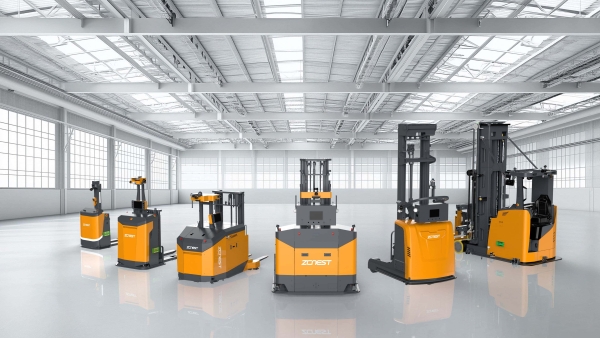
Spatial Constraints High-density storage often means narrow aisles and complex turning points that demand superior navigation precision.
Hybrid Workflows Frequent transitions between storage, picking, and staging areas require robots that adapt to human presence.
Small facilities need infrastructure-free navigation. Every centimeter counts in narrow-aisle deployments.
Automate high-frequency, repetitive pallet movements first. Let the robot handle the "boring" flows to stabilize your ROI.
Think big, start small. A flexible system allows you to deploy a single unit and expand as your material volume increases.
• Choosing oversized equipment for compact zones
• Ignoring process standardization before deployment
• Focusing on unit price instead of system-level integration
"For small warehouses, the goal is not total automation—but Targeted Efficiency that stabilizes growth."
Is automation viable for small sites?
Yes. When repetitive tasks are handled by unmanned robots, human staff can focus on high-value exceptions, significantly boosting overall throughput.
📖 AGV Forklift Guide — Essential manual for selection and safety.
⚙️ How AGV Systems Work — A deep dive into navigation and logic.
⚖️ AGV vs. AMR Comparison — Choosing the right technology for your facility.
💰 AGV Cost and ROI — Evaluating investment and payback periods.




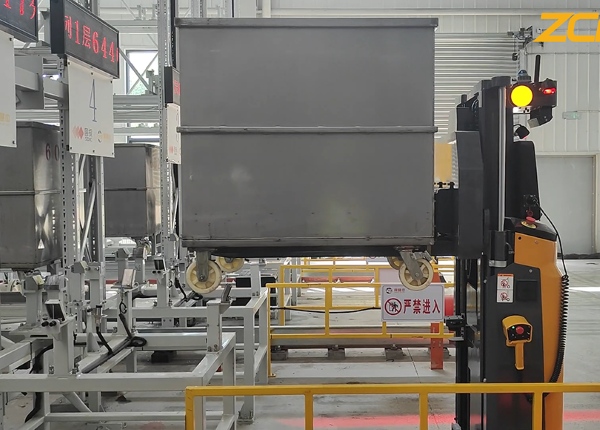
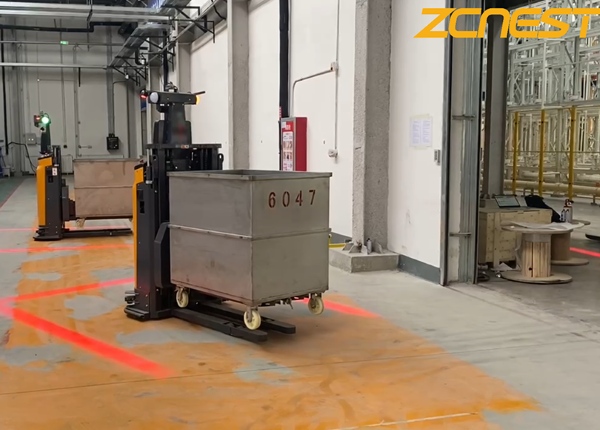
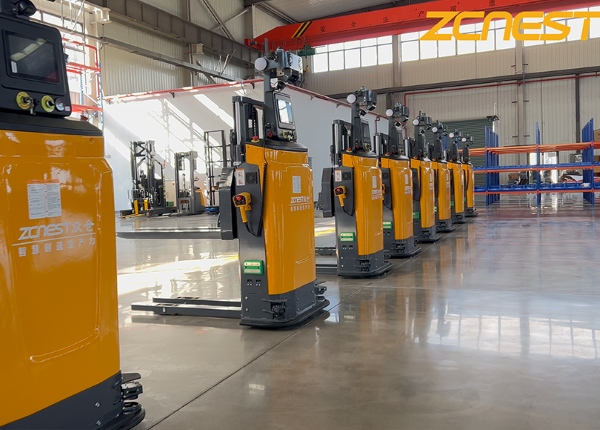

 Chinese
 English