


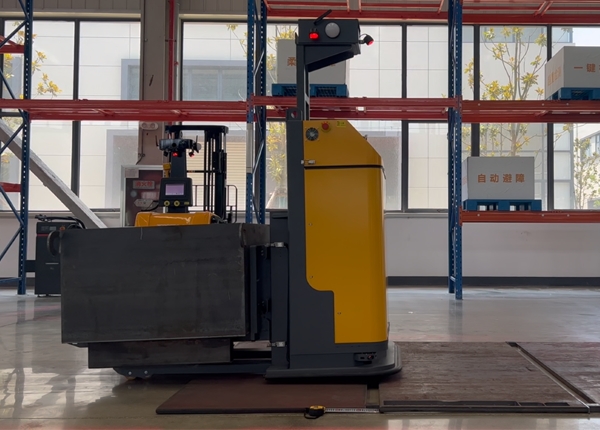
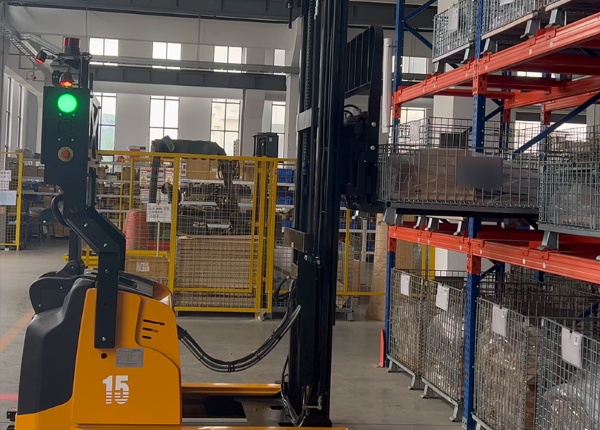
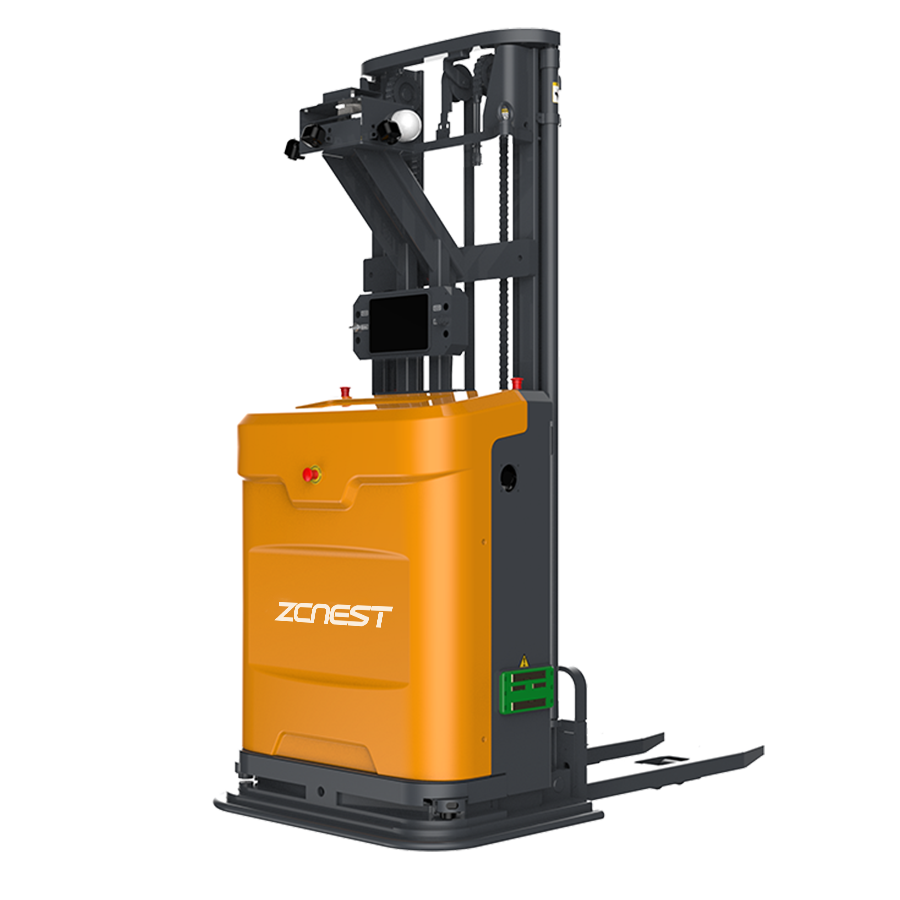
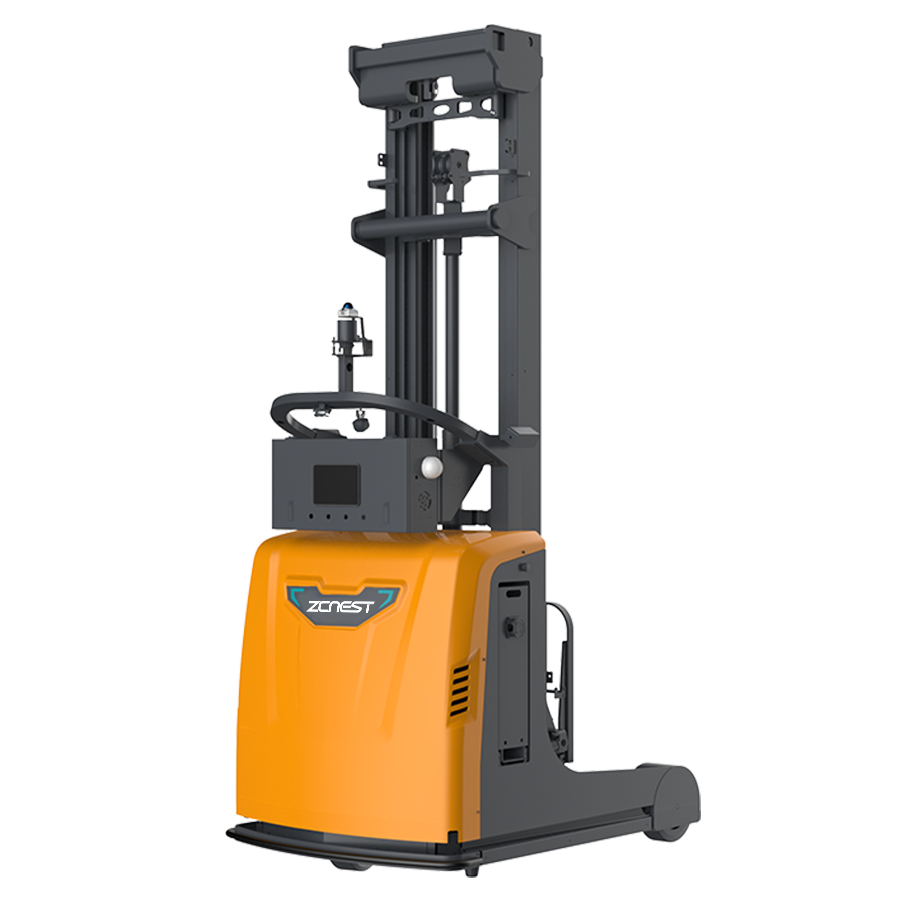
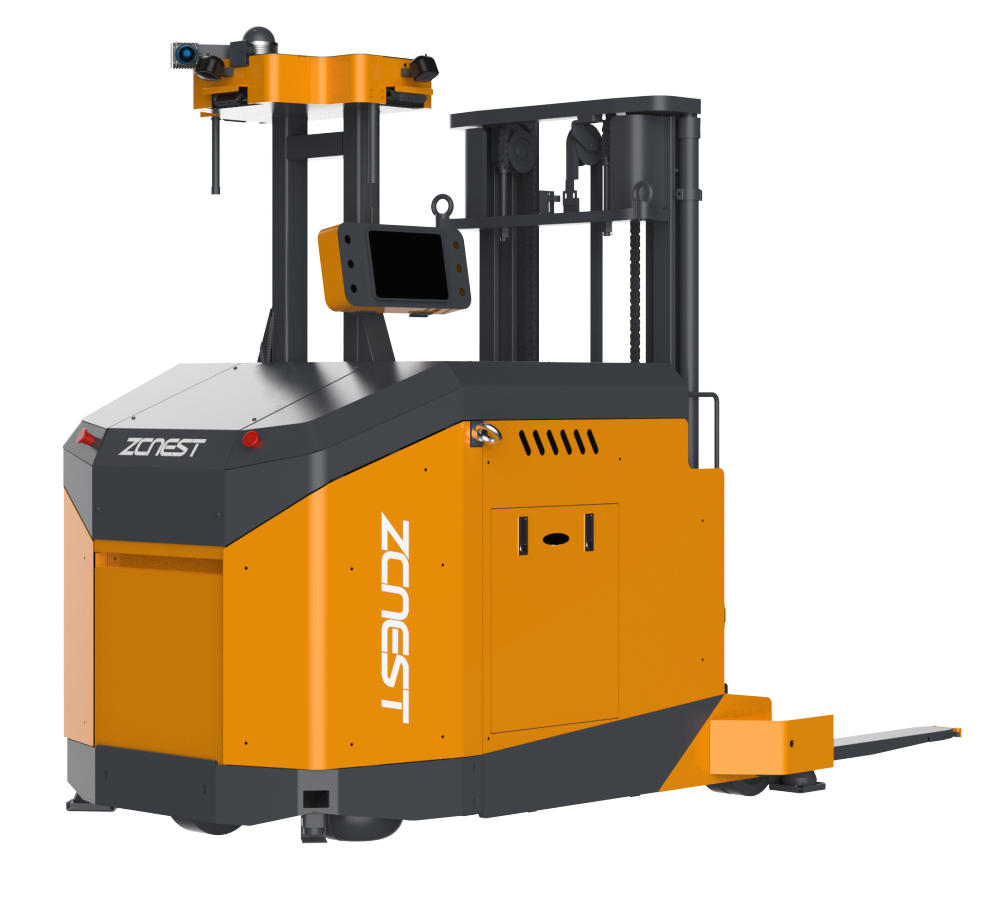
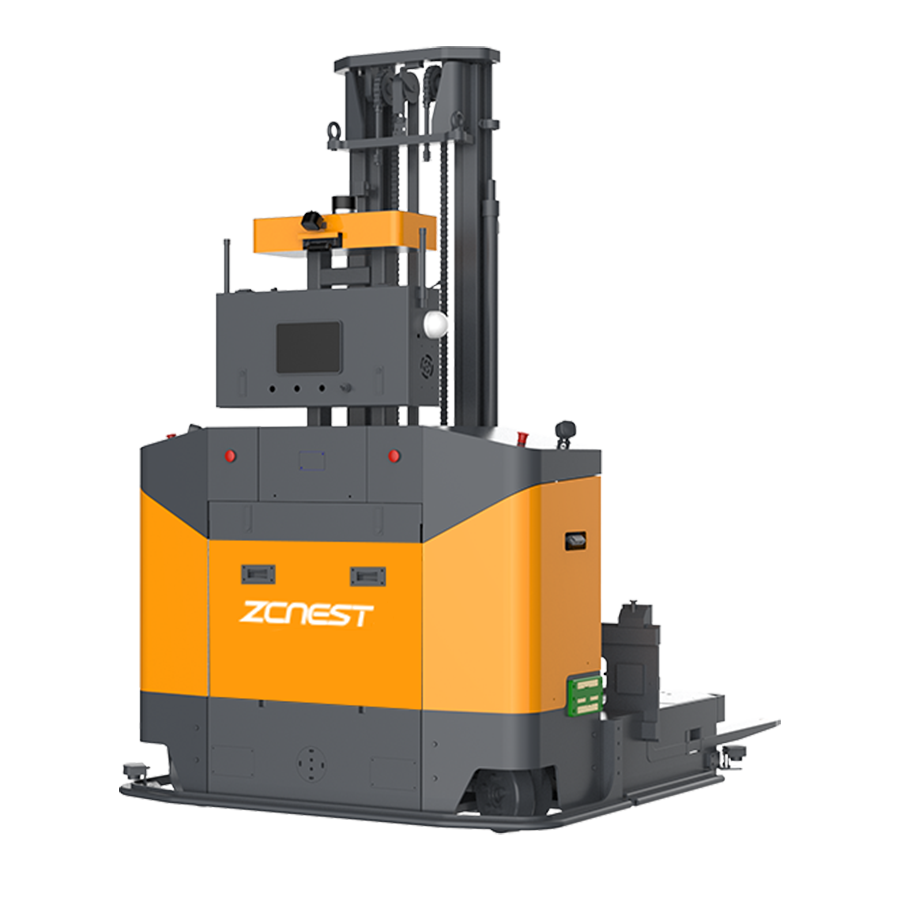
Narrow aisle warehouses maximize capacity but push manual operations to their safety limits. ZCNEST analyzes why unmanned forklift technology is no longer optional in these high-stakes environments.
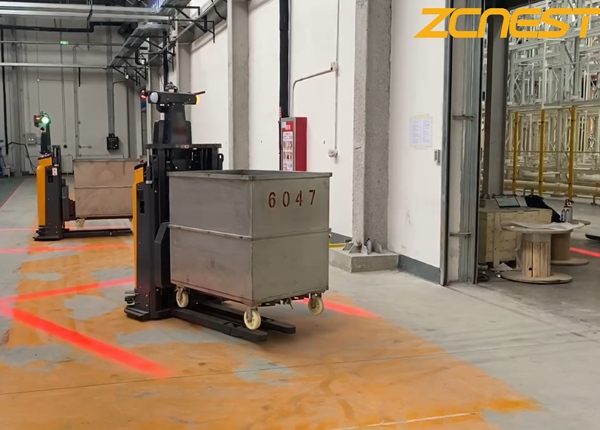
■ Limited Maneuvering Space
■ High Rack Density Risks
■ Critical Visibility Gaps
"Manual precision struggles where automation excels. In tight spaces, every millimeter of deviation increases the risk of structural collision."
High-Precision Navigation
Millimeter-level positioning is the foundation of safe narrow aisle navigation, ensuring zero-contact movement.
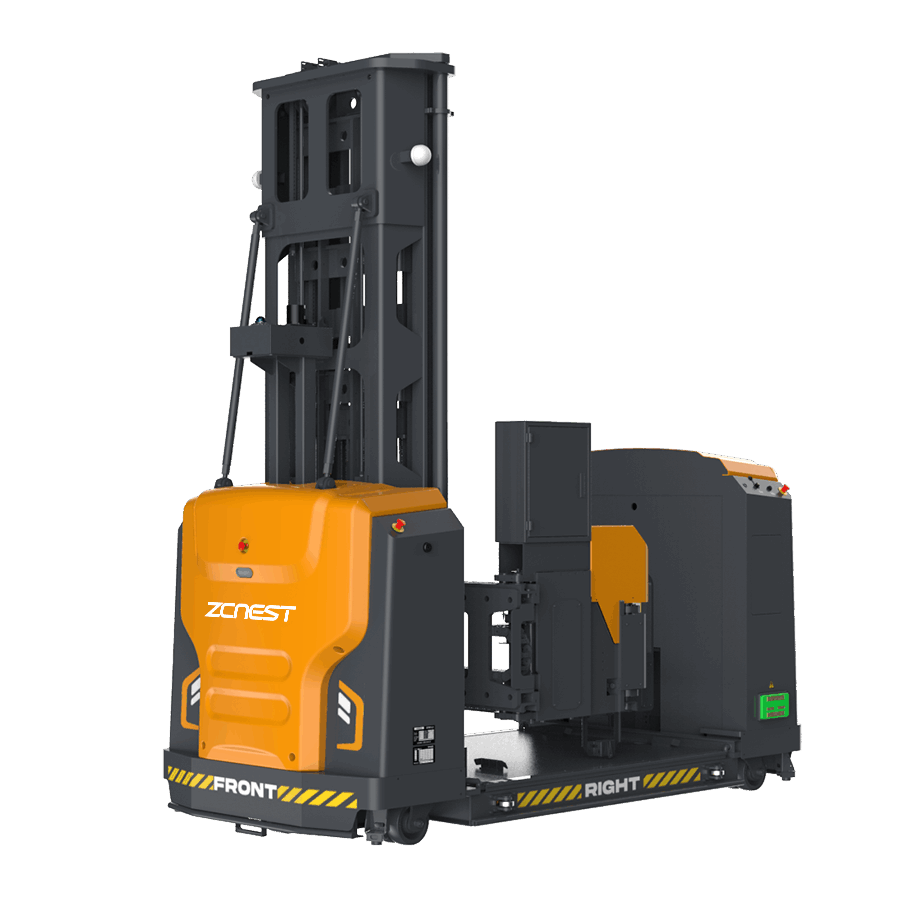
Compact Mechanical Design
A minimized turning radius and optimized chassis geometry allow for fluid movement within standard rack profiles.
Stable High-Reach Lifting
Dynamic stability control is essential when handling heavy pallet loads at maximum rack heights.
"In narrow aisle environments, automation is not an upgrade—it is a Requirement for operational survival."
✔ Maximized Storage Density
✔ Drastic Accident Reduction
✔ Precision Pallet Alignment
✔ Traffic Self-Coordination
✔ WMS/ERP Seamless Integration
✔ Automated Rack Calibration
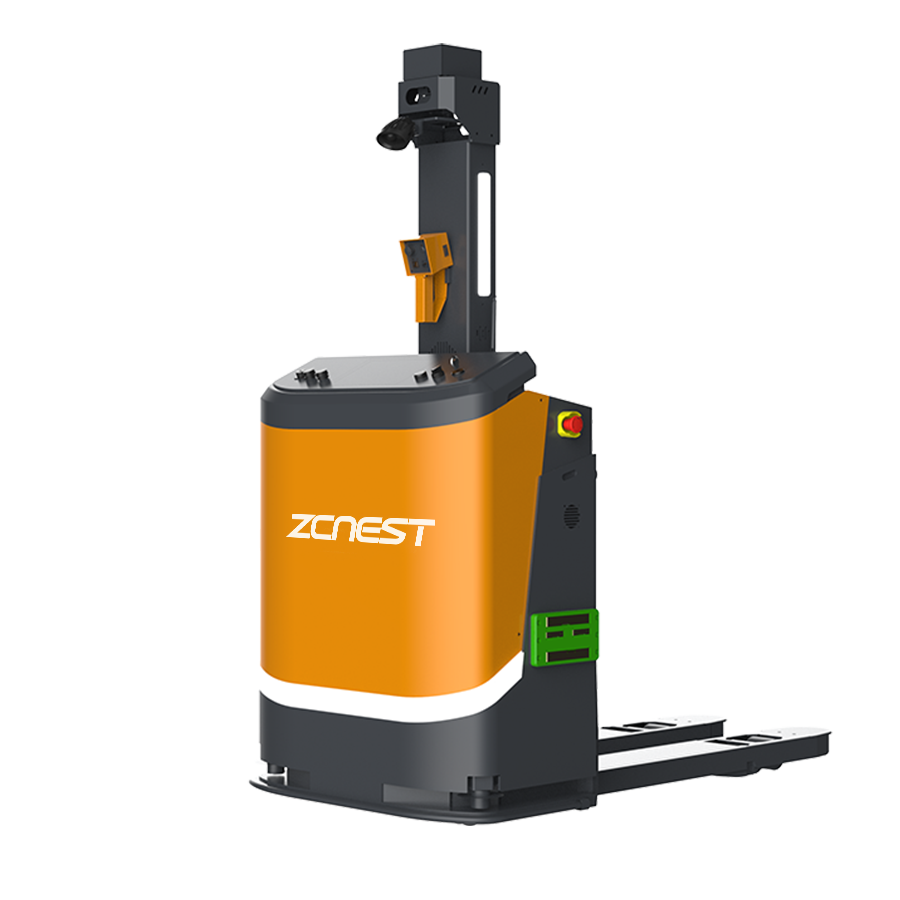
Conclusion: The ideal unmanned forklift for narrow aisles must achieve a perfect balance between mechanical stability and adaptive software intelligence.
📖 AGV Forklift Guide — Essential manual for selection and safety.
⚙️ How AGV Systems Work — A deep dive into navigation and logic.
⚖️ AGV vs. AMR Comparison — Choosing the right technology for your facility.
💰 AGV Cost and ROI — Evaluating investment and payback periods.





 Chinese
 English