


SAFETY FIRST
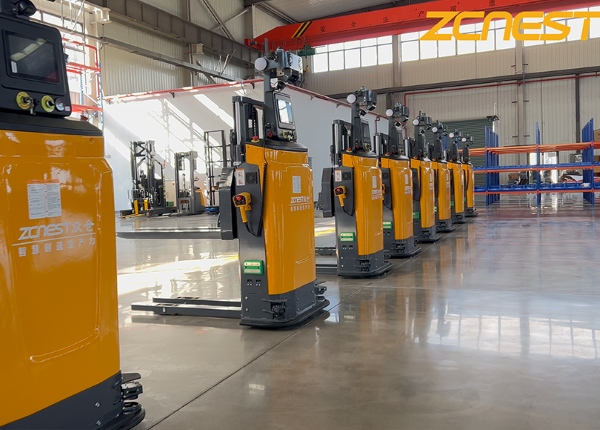
Most modern facilities are not fully automated; they are shared ecosystems. When humans and machines work side-by-side, safety becomes the primary operational metric. ZCNEST analyzes how autonomous forklift safety is built through technology and system design.
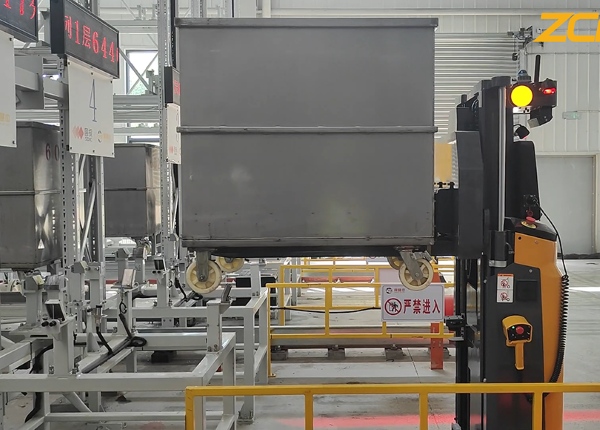
01. Sensor Systems
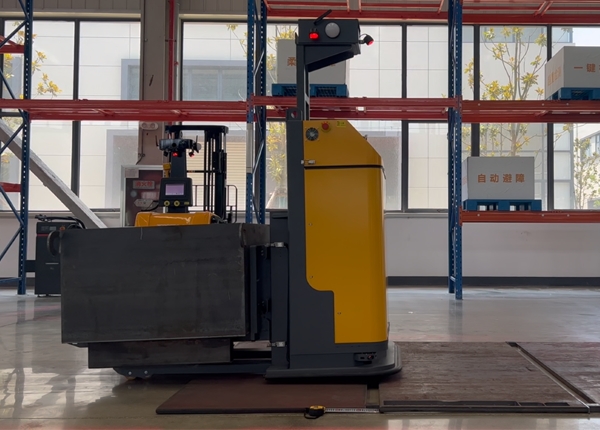
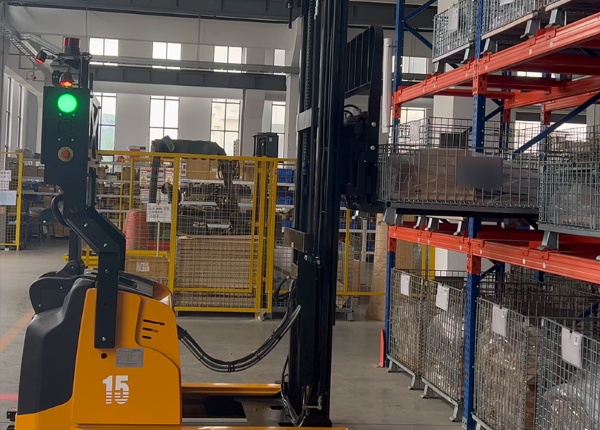
Multi-layered LiDAR and vision systems detect obstacles in real time with 360° coverage.
02. Speed Control
Adaptive braking algorithms adjust speed based on proximity to human workers or fixed assets.
03. Emergency Systems
Independent hardware-level emergency stops ensure an immediate halt if any risk is detected.
True safety is an operational result. Operational safety depends on the synchronization of three factors:
● Optimized Warehouse Layout Design
● Strict Traffic Flow Regulations
● Comprehensive Employee Training
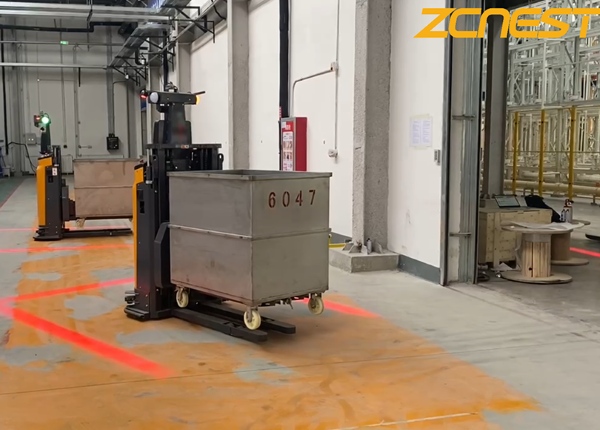
Unpredictable human behavior, layout blind spots, and mixed traffic congestion remain the primary hurdles in human-robot synergy.
"Technology alone cannot guarantee safety. The key is the System-Level Design of human-robot interaction."
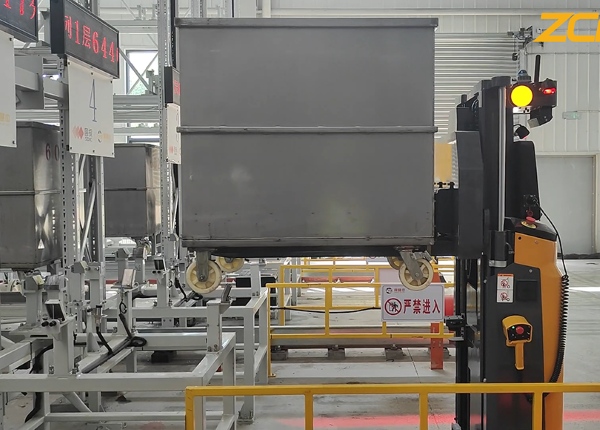
Define Robot-Only Zones Clear Pathway Implementation Interaction Training
Conclusion: Unmanned forklifts reach their full safety potential when supported by a rigorous operational framework. Safety is not a feature; it is a management discipline.
📖 AGV Forklift Guide — Essential manual for selection and safety.
⚙️ How AGV Systems Work — A deep dive into navigation and logic.
⚖️ AGV vs. AMR Comparison — Choosing the right technology for your facility.
💰 AGV Cost and ROI — Evaluating investment and payback periods.





 Chinese
 English