


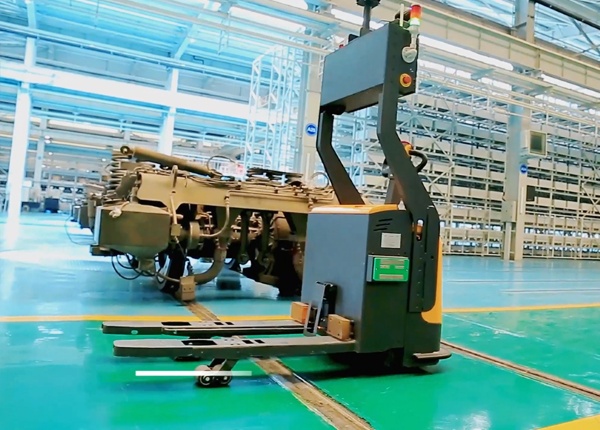
Tasks remain manual, assigned by human operators. Efficiency gains are localized and disconnected from overall facility needs.
Workflows adjust dynamically in real time. Decisions are data-driven, creating a self-orchestrating warehouse ecosystem.
STEP 01 / BRAIN
Task Assignment
WMS analyzes inventory demand and generates high-priority transport tasks.
STEP 02 / NERVE
Communication Layer
Middleware securely translates software logic into robotic execution protocols.
STEP 03 / ACTION
Execution
Forklifts receive, confirm, and execute tasks with millisecond-level coordination.
"The biggest gains from automation come not from the robots—but from System-Level Coordination."
✔ Real-time Task Synchronization
✔ Absolute Inventory Traceability
✔ Zero Manual Intervention Flows
⚠ Protocol Compatibility (API/REST)
⚠ Real-time Data Latency Issues
⚠ Complex Integration Logic Setup
📖 AGV Forklift Guide — Essential manual for selection and safety.
⚙️ How AGV Systems Work — A deep dive into navigation and logic.
⚖️ AGV vs. AMR Comparison — Choosing the right technology for your facility.
💰 AGV Cost and ROI — Evaluating investment and payback periods.





 Chinese
 English