


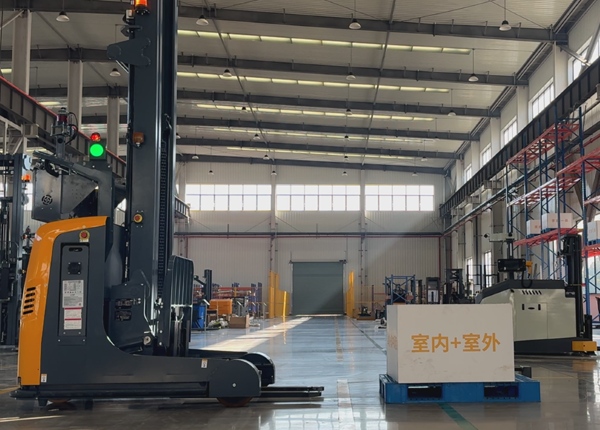
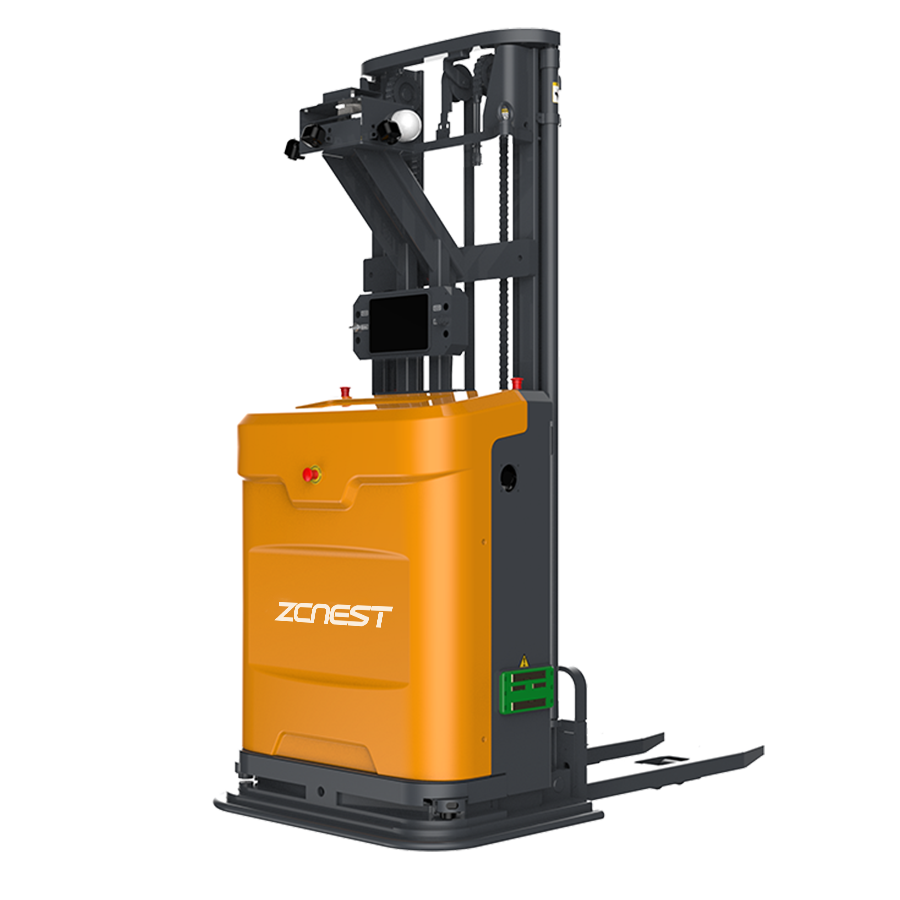
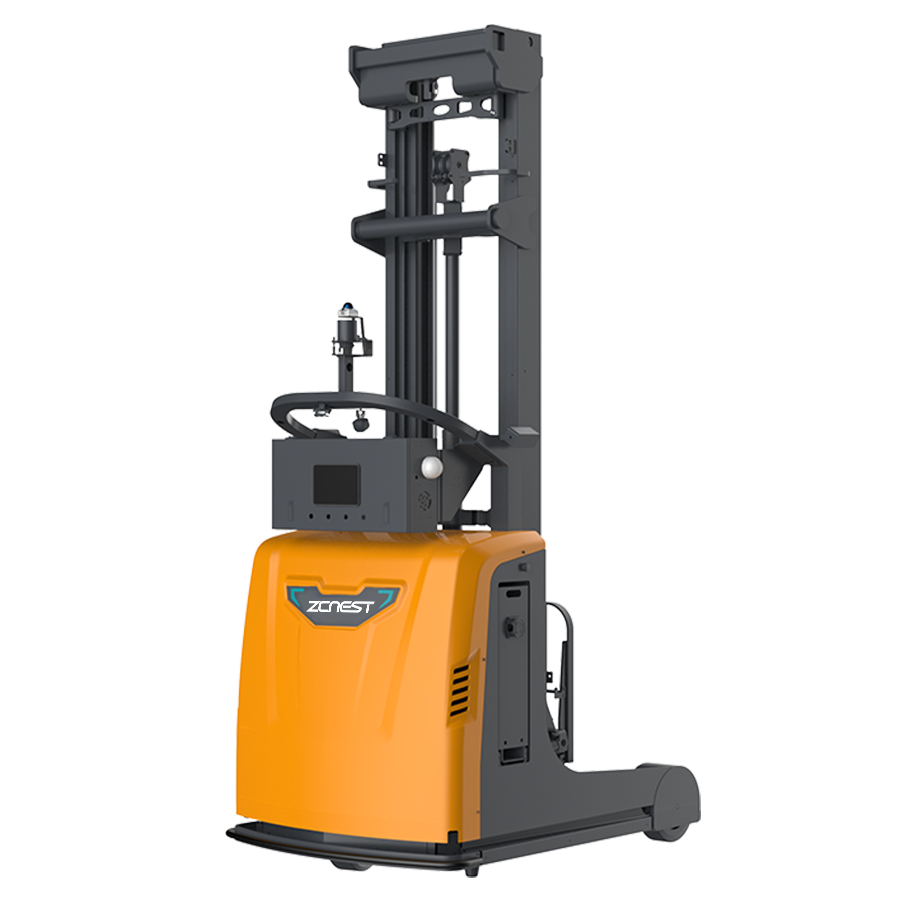
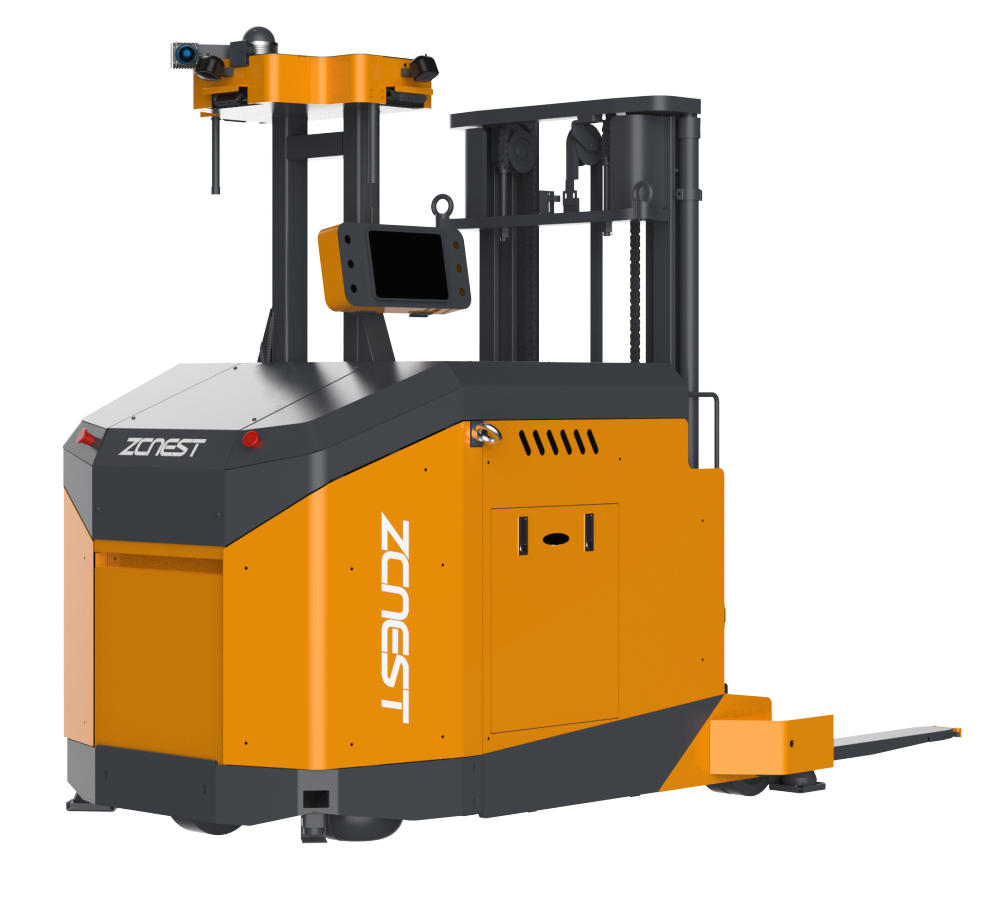
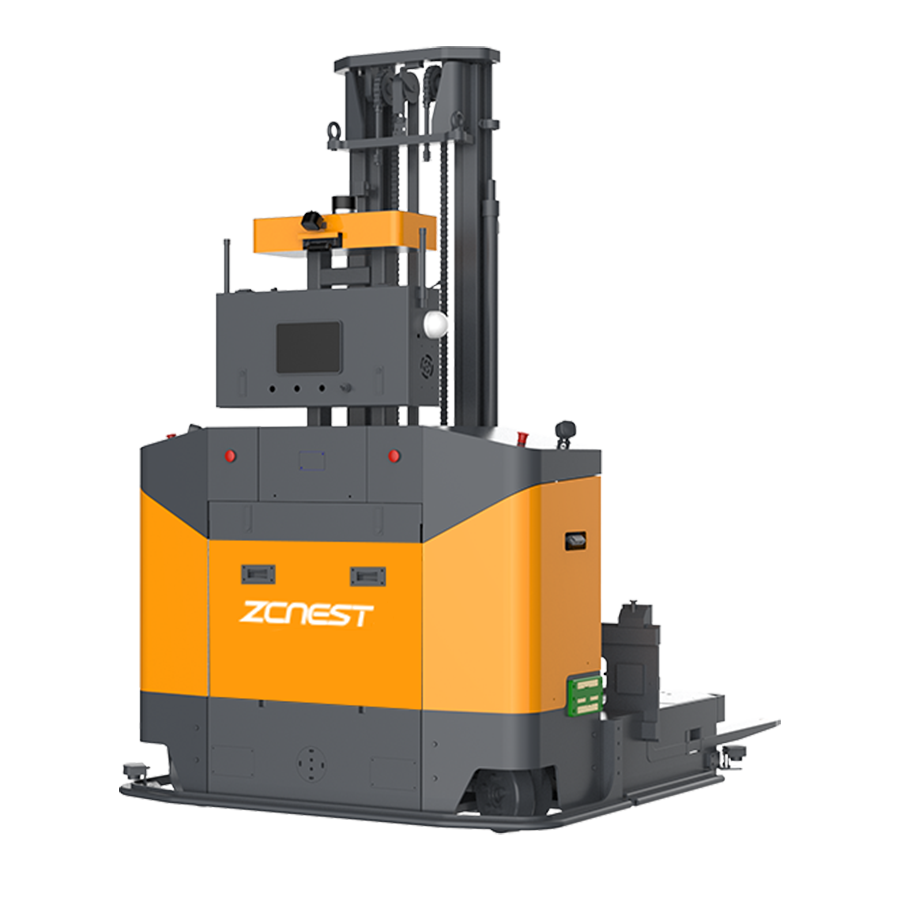
In modern logistics, every square meter is a line item on the balance sheet. ZCNEST analyzes how autonomous forklifts transform warehouse geometry from a constraint into a strategic asset.
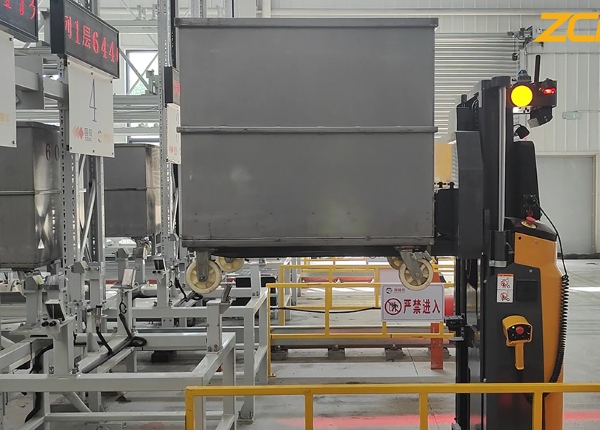
Narrower Aisles
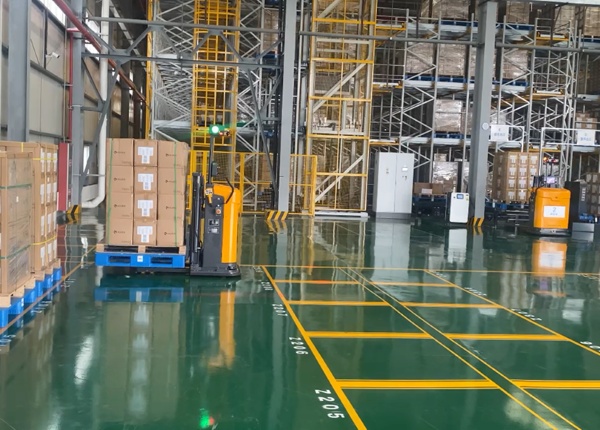
High-precision navigation systems allow for tighter tolerances, reducing aisle width and converting transit space into storage racks.
Micro-Placement
Eliminates "air space" caused by inconsistent manual positioning, ensuring every pallet is flush and perfectly aligned.
Structured Design
Robots enable complex, high-density layouts (like double-deep racking) that are often difficult or unsafe for manual operators.
↑ Storage Density: Maximize SKU count per square foot.
↑ Traffic Flow: Optimized paths reduce "dead zones."
↓ Congestion: System-level coordination prevents aisle blocking.
Prerequisites:
Benefits require an upfront layout audit and potential rack re-configuration to sync with AMR precision.
"Space optimization is not just about storage—it is about Movement Efficiency within space."
Q: Can automation increase actual storage capacity?
Absolutely. By reducing aisle widths from a standard 3.2m to as low as 2.8m (depending on vehicle type), facilities often see a 15-25% increase in pallet positions.
Q: Is a total layout redesign necessary?
While not always mandatory, a layout optimization is highly recommended to leverage the sub-centimeter precision of modern AMRs.
📖 AGV Forklift Guide — Essential manual for selection and safety.
⚙️ How AGV Systems Work — A deep dive into navigation and logic.
⚖️ AGV vs. AMR Comparison — Choosing the right technology for your facility.
💰 AGV Cost and ROI — Evaluating investment and payback periods.





 Chinese
 English