


In the world of automation, energy is the ultimate bottleneck. Unlike manual fleets, robotic forklift systems must think ahead—balancing task execution with autonomous replenishment. ZCNEST decodes the logic behind intelligent battery orchestration.
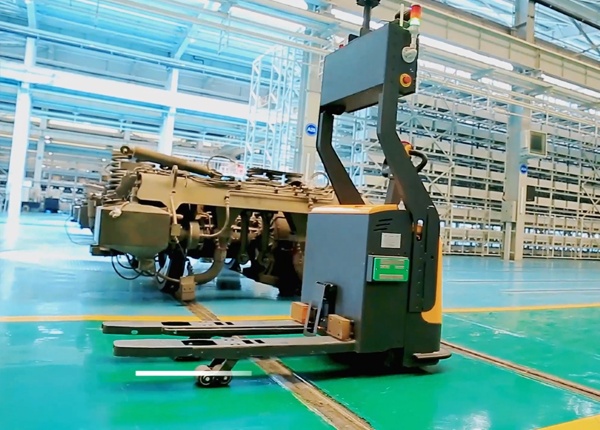
Autonomous Replenishment
Robots utilize sub-centimeter docking precision to connect with charging stations during idle periods, eliminating manual battery swaps.
Real-Time Telemetry
Continuous tracking of State of Charge (SoC) and usage patterns to predict power needs before they become critical.
Opportunity Charging
Fleet software schedules charging "bursts" during breaks or low-demand windows to maximize total system uptime.
✔ Strategic Placement: Distribute chargers at task endpoints.
✔ Performance Audits: Regularly analyze battery health data.
✔ Logic Optimization: Align task priority with SoC levels.
Critical Challenge:
Managing the "Charging Wall"—preventing multiple robots from needing the same station simultaneously through software predictive logic.
"Battery management is not just a technical issue—it is a Workflow Coordination Problem."
Q: Do robots just stop in the aisle when the battery is low?
No. The fleet management system enforces a "low power" threshold, re-routing robots to charging stations well before they reach critical depletion.
Q: How does management impact long-term battery lifespan?
Proper "opportunity charging" avoids deep discharge cycles, which can extend the usable life of Lithium batteries to 5-8 years of heavy industrial use.
📖 AGV Forklift Guide — Essential manual for selection and safety.
⚙️ How AGV Systems Work — A deep dive into navigation and logic.
⚖️ AGV vs. AMR Comparison — Choosing the right technology for your facility.
💰 AGV Cost and ROI — Evaluating investment and payback periods.





 Chinese
 English