


The wrong choice can cost tens of thousands in lost scalability. ZCNEST decodes the real decision logic behind AGVs and AMRs for the modern era.
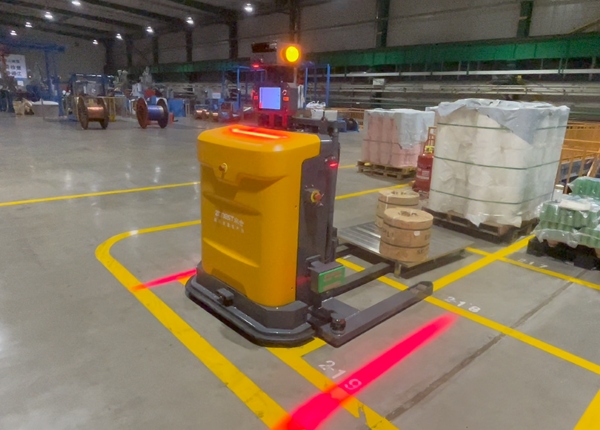
AGV (Guided)
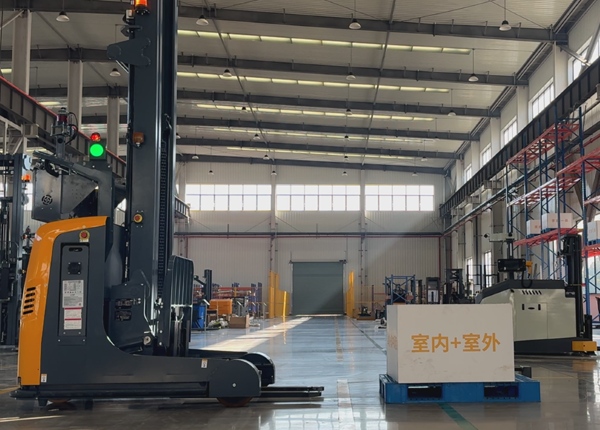
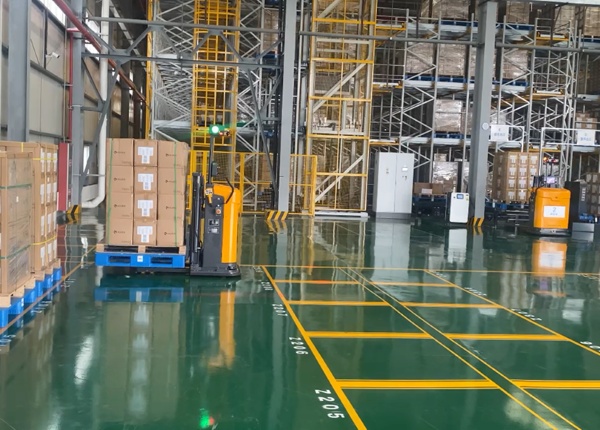
Follows fixed paths using magnetic tape, QR codes, or reflectors. It stops when blocked—simple, but rigid.
AMR (Autonomous)
Makes decisions dynamically using SLAM and sensors. It navigates around obstacles—smart and flexible.
| Feature | AGV | AMR |
|---|---|---|
| Route Flexibility | Fixed Paths | Dynamic Navigation |
| Layout Adaptation | Poor | Excellent |
| Deployment Speed | Weeks (Hardware Setup) | 30–50% Faster (Mapping) |
The initial price tag is a trap. You must look at Hidden Costs over a 3–5 year lifecycle.
AGV Profile
Lower initial cost, but High Infrastructure and High Layout-Change costs.
AMR Profile
Higher initial investment, but Zero Infrastructure and Low Expansion costs.
Choose AGV if:
Workflow is 100% repetitive
Layout is permanently fixed
Budget is extremely tight now
Choose AMR if:
E-commerce / 3PL agility is needed
Operations change frequently
Long-term scalability is the goal
"AGV provides Stability, but AMR provides Resilience. In 2026, resilience is the winner."
📖 AGV Forklift Guide — Essential manual for selection and safety.
⚙️ How AGV Systems Work — A deep dive into navigation and logic.
⚖️ AGV vs. AMR Comparison — Choosing the right technology for your facility.
💰 AGV Cost and ROI — Evaluating investment and payback periods.











 Chinese
 English




