


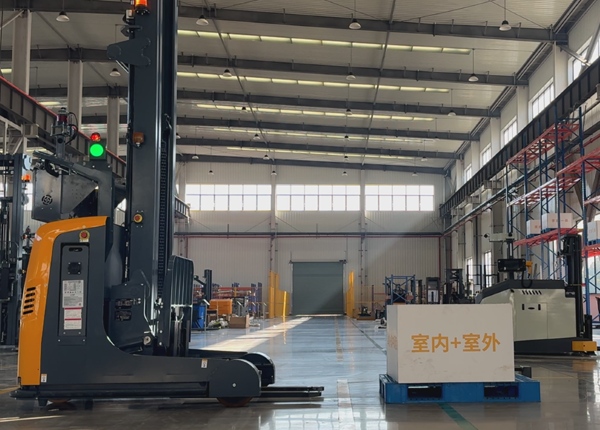
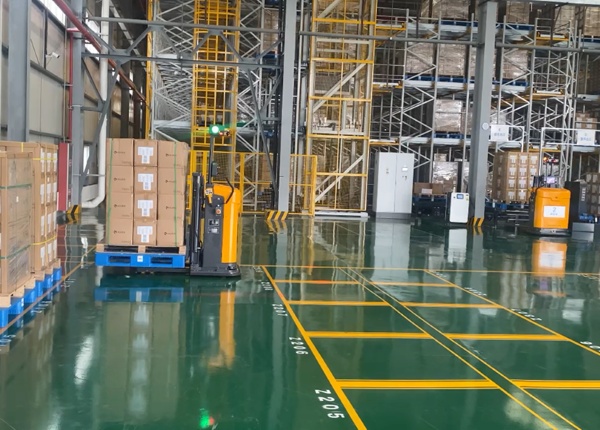
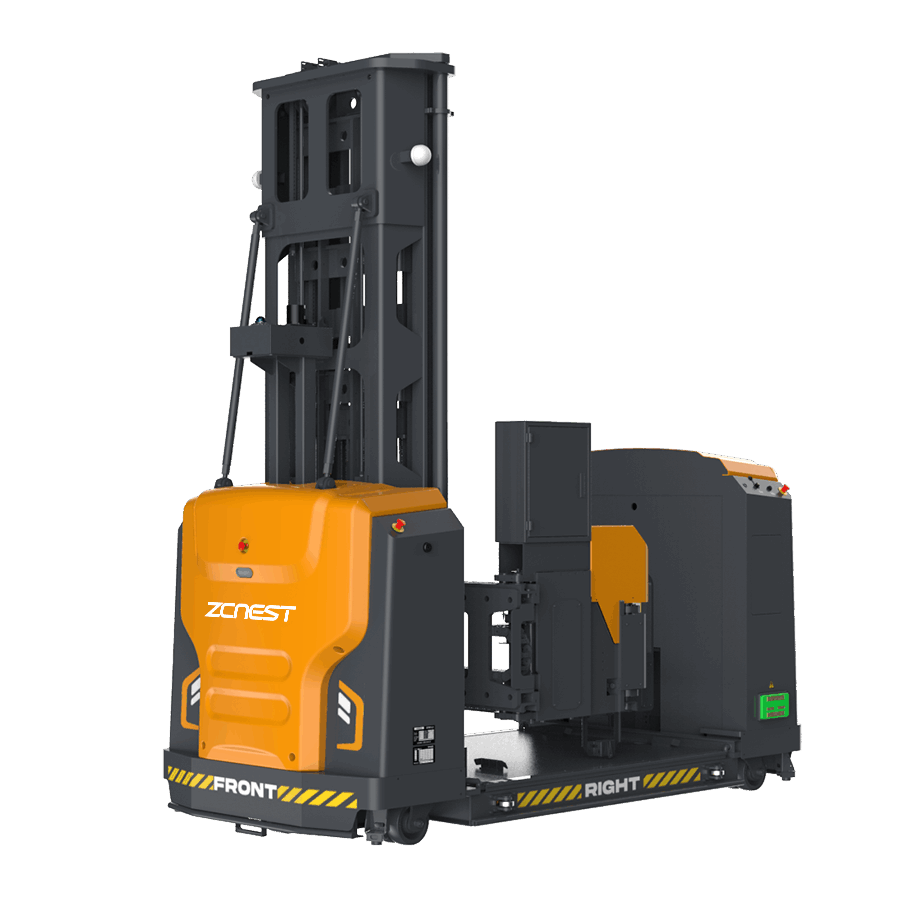
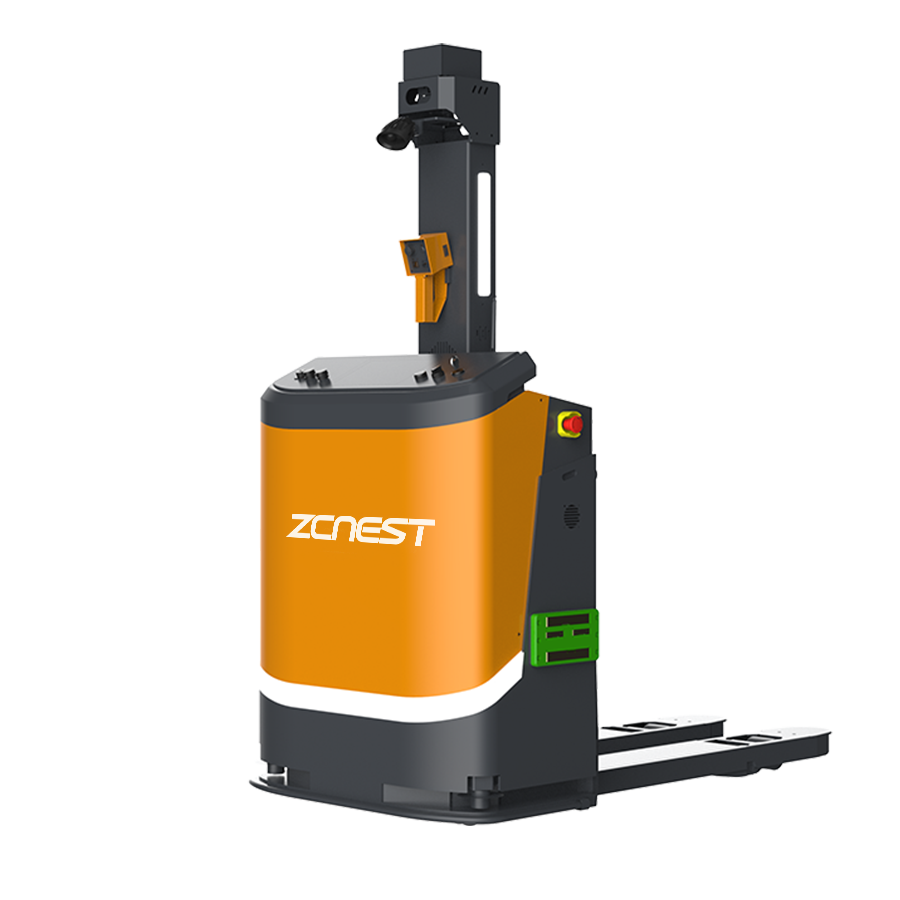
Understanding the "How" is the first step toward a successful automation investment. ZCNEST decodes the mechanics and navigation logic that allow AGV forklifts to outperform traditional fleets in the modern era.
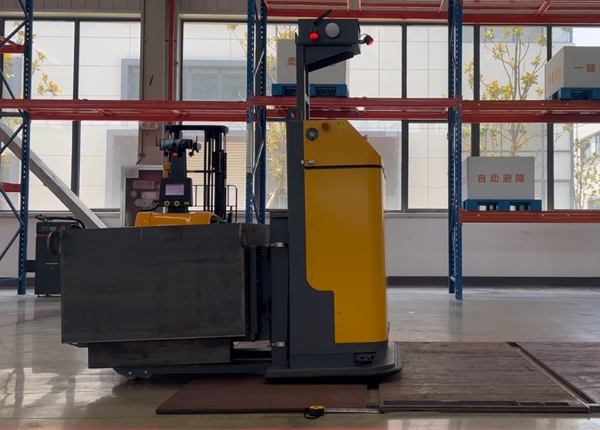
Path Planning
Computational algorithms determine the optimal route from rack to dock, minimizing travel distance.
Sensor Detection
Real-time environment scanning ensures the forklift "sees" obstacles, pallets, and safety zones.
System Control
The vehicle executes logic-based instructions from the WMS with millimetric precision.
Magnetic Navigation
Low cost, fixed routes. Ideal for rigid production lines.
Laser Navigation
High precision using reflectors. Standard for high-rack storage.
SLAM Navigation
Infrastructure-free, dynamic routing. The 2026 industry gold standard.
| Key Metric | AGV Fleet | Manual Fleet |
|---|---|---|
| Labor Cost | Ultra Low | High (Salary + Benefits) |
| Precision | High (99.9%) | Variable (Human error) |
| Safety | High (Active LiDAR) | Moderate (Blind spots) |
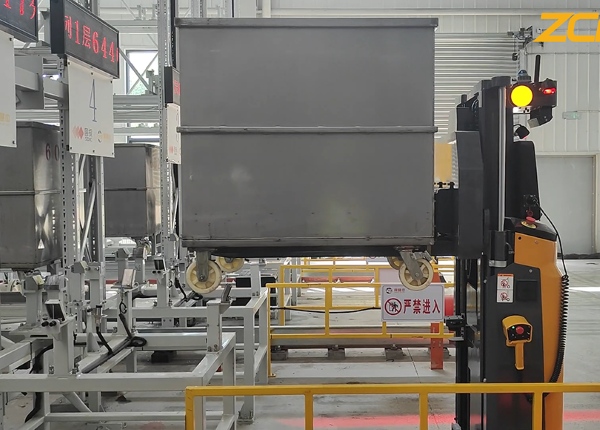
Automotive JIT Parts Delivery
Food & Beverage Cold Storage Logic
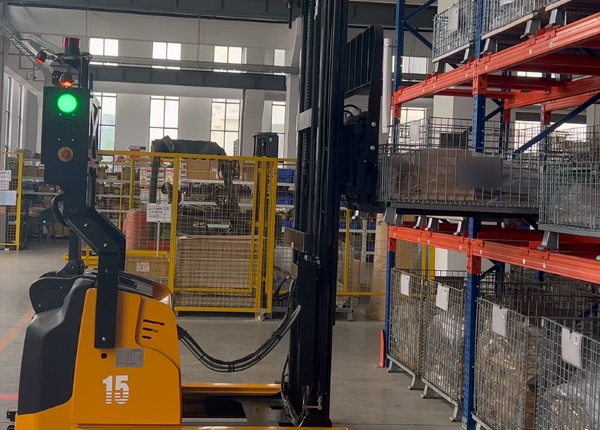
3PL & Logistics High-Speed Fulfillment
📖 AGV Forklift Guide — Essential manual for selection and safety.
⚙️ How AGV Systems Work — A deep dive into navigation and logic.
⚖️ AGV vs. AMR Comparison — Choosing the right technology for your facility.
💰 AGV Cost and ROI — Evaluating investment and payback periods.





 Chinese
 English