


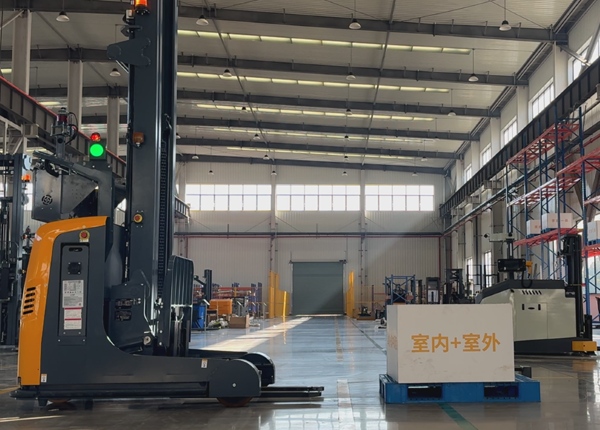
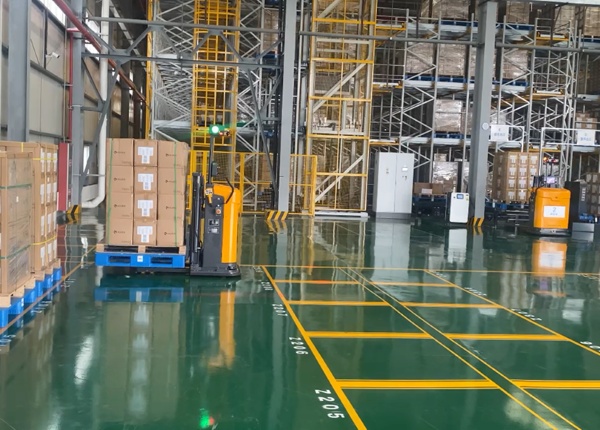
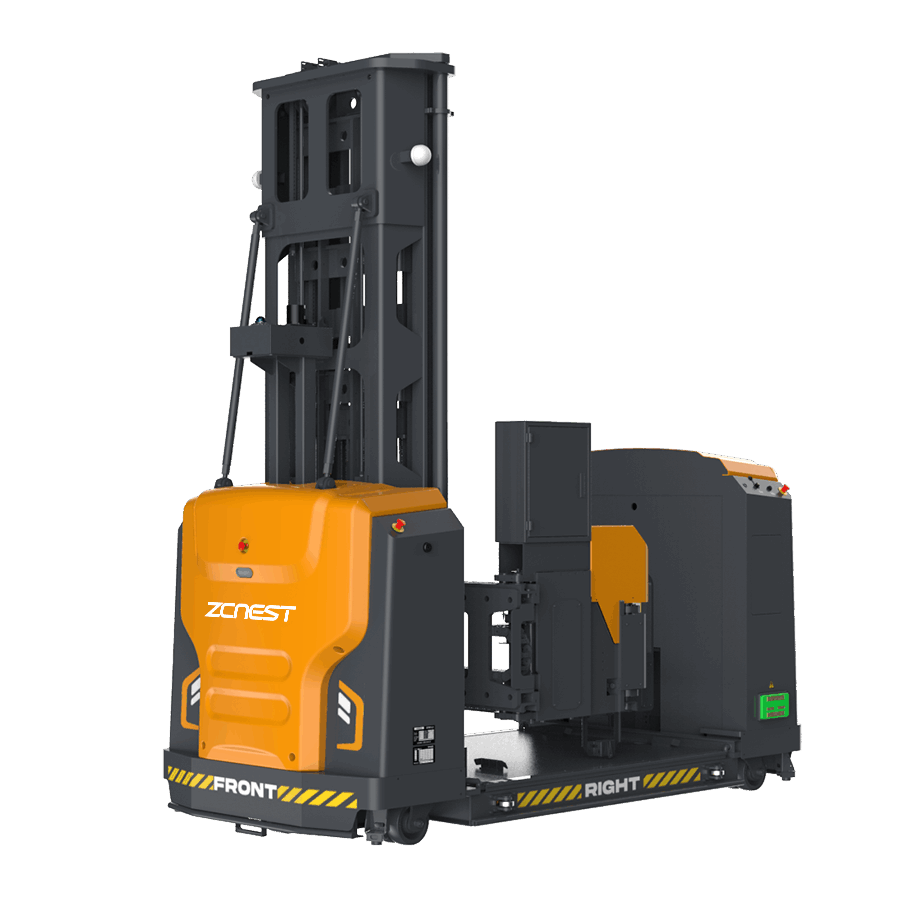
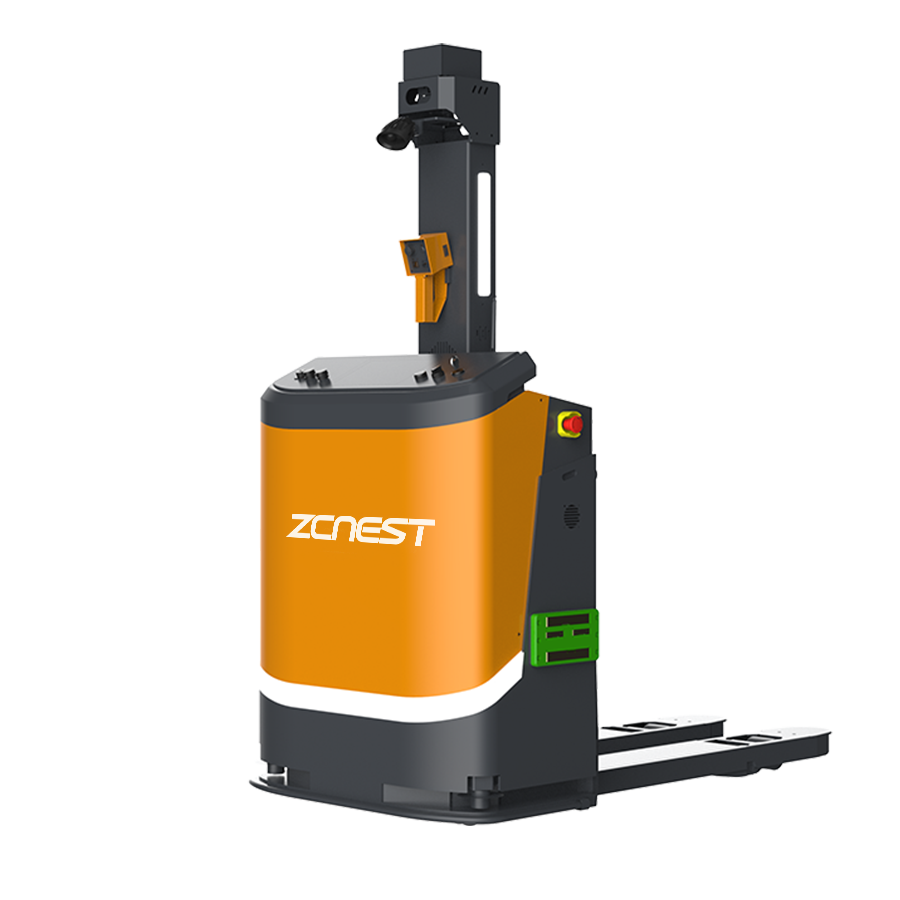
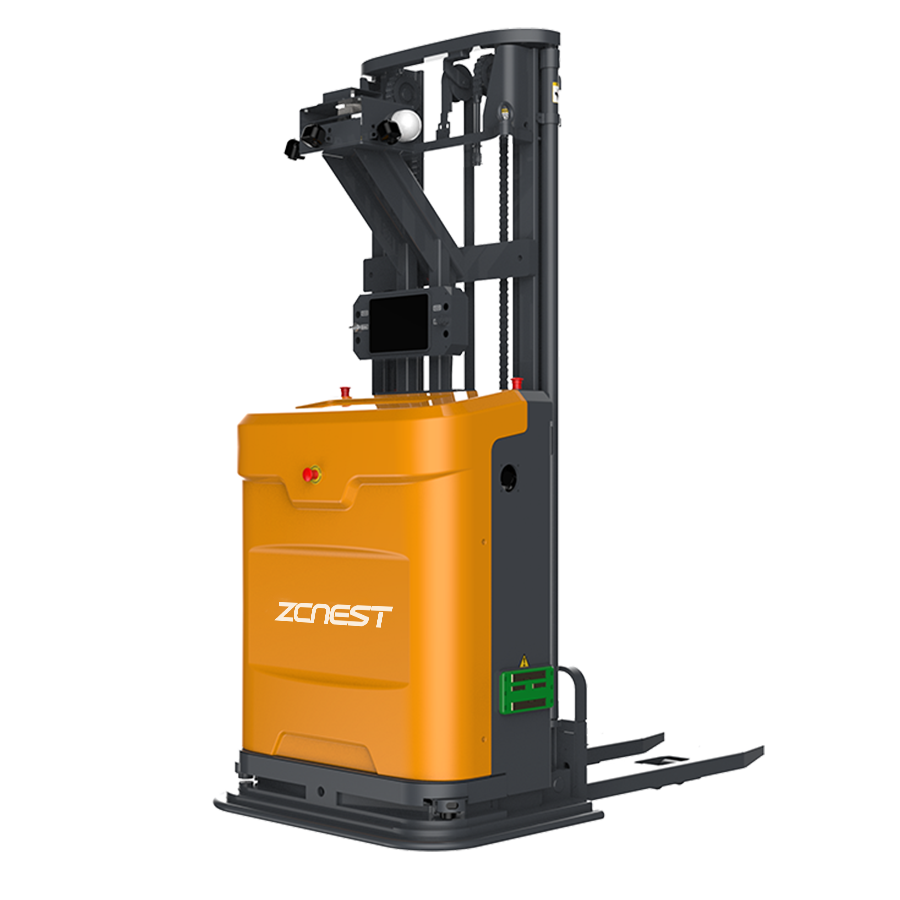
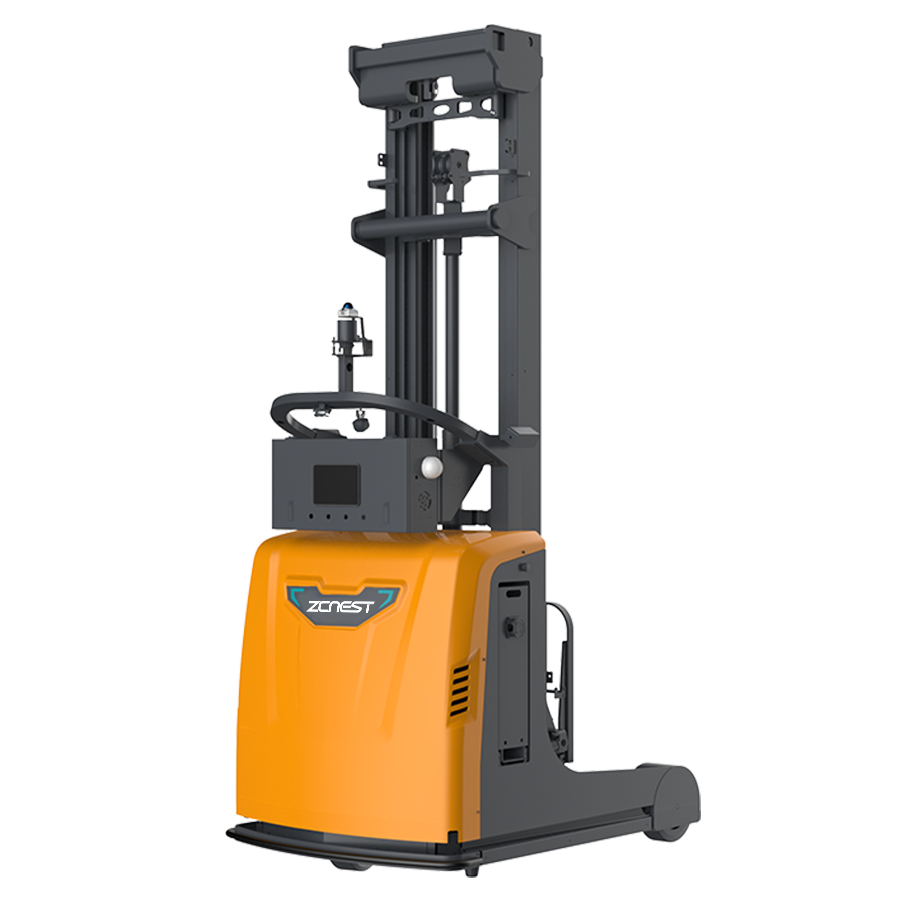
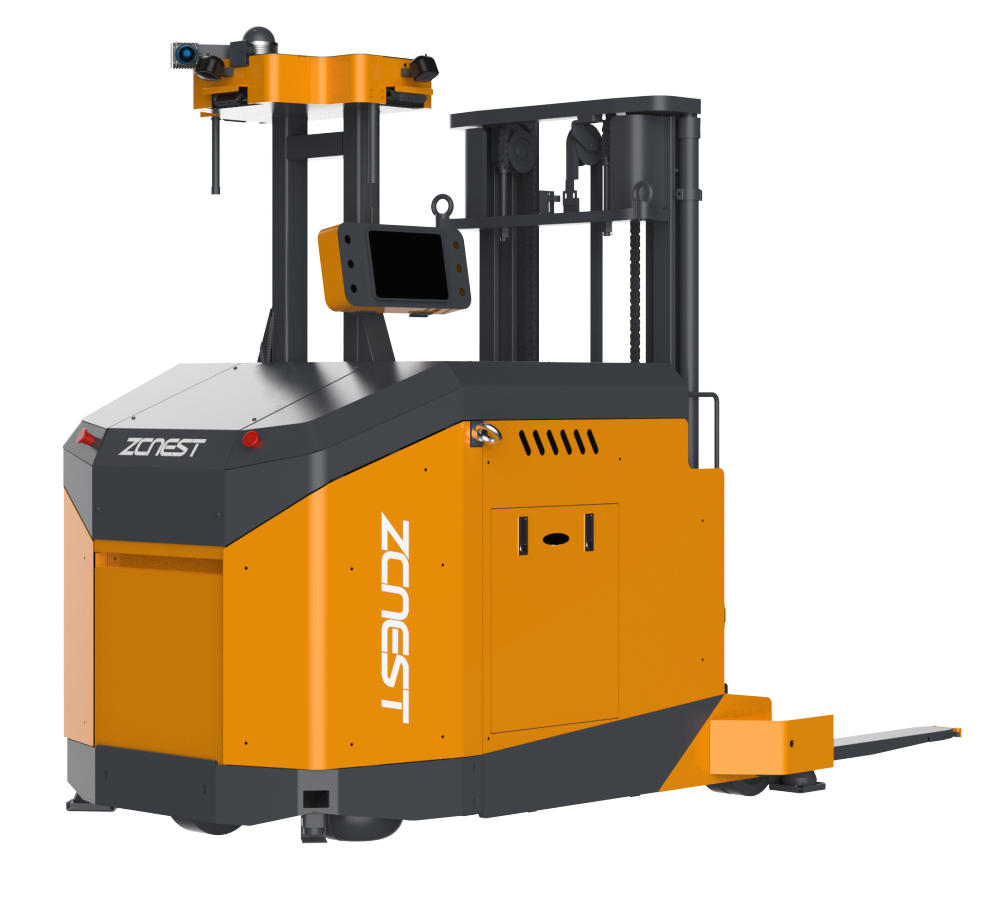
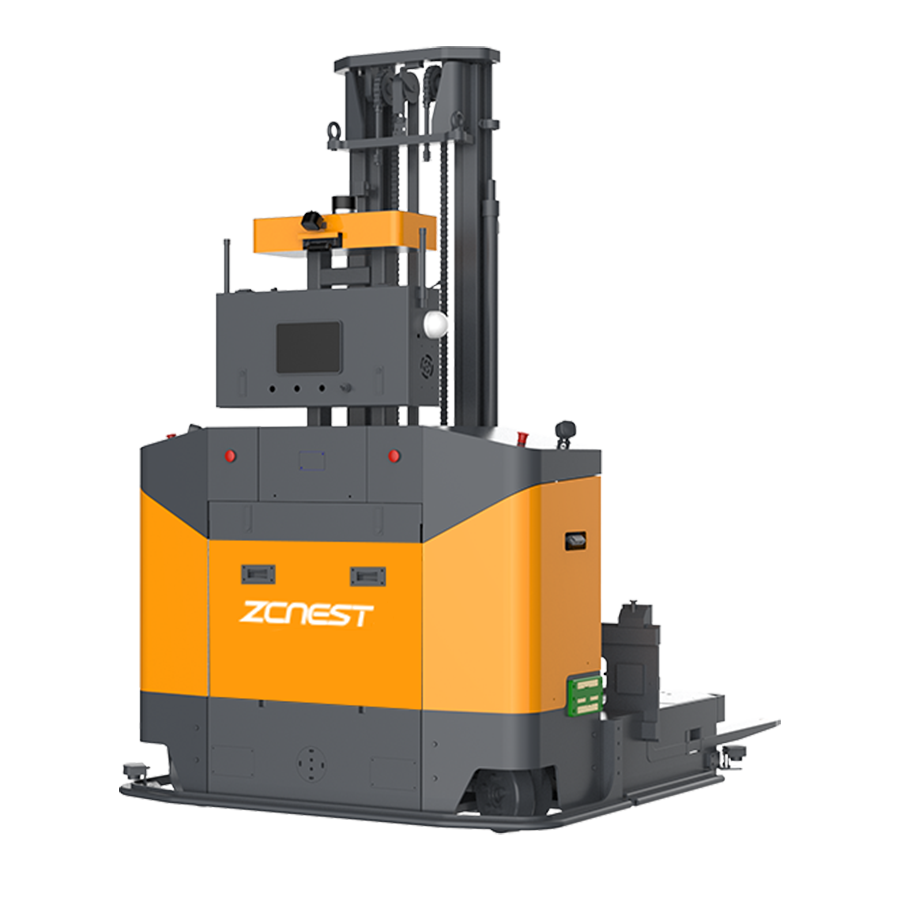
The "Unmanned" era is no longer a concept—it's an operational standard. By completely eliminating the human element, driverless AGVs achieve a level of consistency impossible for manual fleets. ZCNEST explores the anatomy of total autonomy.
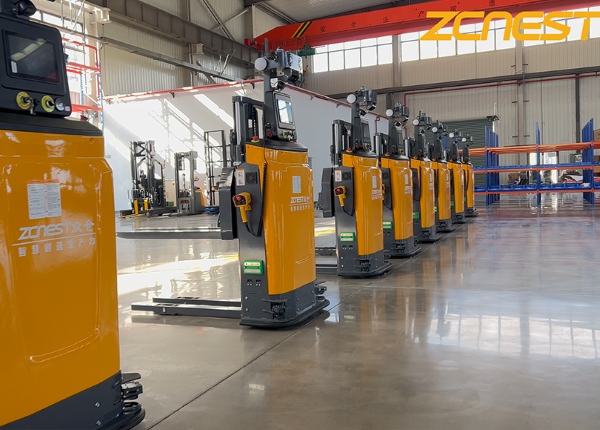
Zero Operator
No onboard driver or remote joystick control. The machine is the pilot.
Fully Automated
From charging to pallet detection, every lifecycle stage is self-managed.
Remote Oversight
Human interaction is limited to high-level fleet monitoring via dashboard.
✦ AI Vision: Dynamic identification of non-standard pallet positions.
✦ LiDAR Sensors: 360° spatial awareness for millimetric obstacle avoidance.
✦ Autonomous Navigation: SLAM logic that updates maps in real-time.
✦ Fleet Coordination: Swarm intelligence to prevent gridlock.
◈ Higher Intelligence vs. Traditional AGVs
◈ Dynamic Adaptive Routing
◈ Superior Obstacle Handling
◈ High Initial CAPEX Investment
◈ Complex System Integration
◈ Advanced Maintenance Requirements
High-Volume 24/7 Logistics Hazardous/Cold Storage Labor-Shortage Regions
"Unmanned AGVs are not just tools—they are redefining the Upper Limit of warehouse efficiency."
📖 AGV Forklift Guide — Essential manual for selection and safety.
⚙️ How AGV Systems Work — A deep dive into navigation and logic.
⚖️ AGV vs. AMR Comparison — Choosing the right technology for your facility.
💰 AGV Cost and ROI — Evaluating investment and payback periods.





 Chinese
 English