


Most buyers fail by comparing hardware specs alone. In 2026, the real cost of an Automated Guided Vehicle (AGV) lies in its operational friction. ZCNEST exposes the factors that often remain hidden until after the contract is signed.
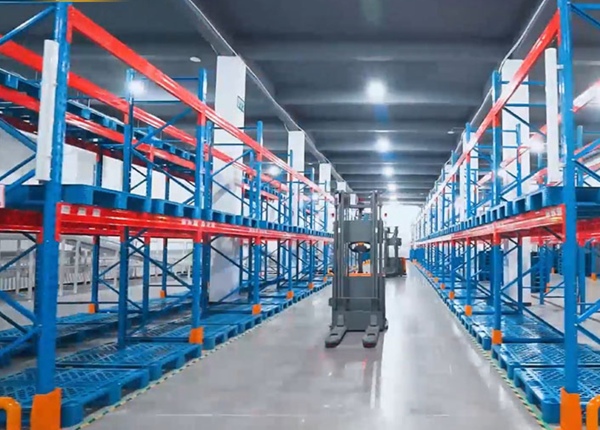
Traditional Buyers: Compare Load Capacity & Speed.
Smart Buyers: Compare System Scalability & Integration Depth.
Fixed navigation (magnetic/QR) saves upfront costs but creates massive "re-mapping" expenses when your warehouse layout evolves. Always evaluate Laser SLAM for environments where SKU locations change seasonally.
If your AGV forklift lacks a robust Open API for your existing WMS/ERP, it remains an expensive manual tool. Real automation requires bi-directional data flow, not just a standalone task dashboard.
One robot is easy; ten robots are a challenge. Buyers often overlook Traffic Prioritization and Collision Avoidance algorithms. Without sophisticated fleet software, your warehouse will face "digital gridlock."
Hardware is only as good as its uptime. Question your vendor on Remote Diagnostics capabilities, spare parts lead times, and on-site response protocols before finalizing the CAPEX.
"Unmanned" doesn't mean "unmanaged." Your team needs training on System Exceptions and basic maintenance. A lack of internal competency is the #1 cause of failed long-term adoption.
"The biggest risk isn't buying the wrong robot—it’s buying a system that Fails to Fit your long-term workflow."
📖 AGV Forklift Guide — Essential manual for selection and safety.
⚙️ How AGV Systems Work — A deep dive into navigation and logic.
⚖️ AGV vs. AMR Comparison — Choosing the right technology for your facility.
💰 AGV Cost and ROI — Evaluating investment and payback periods.




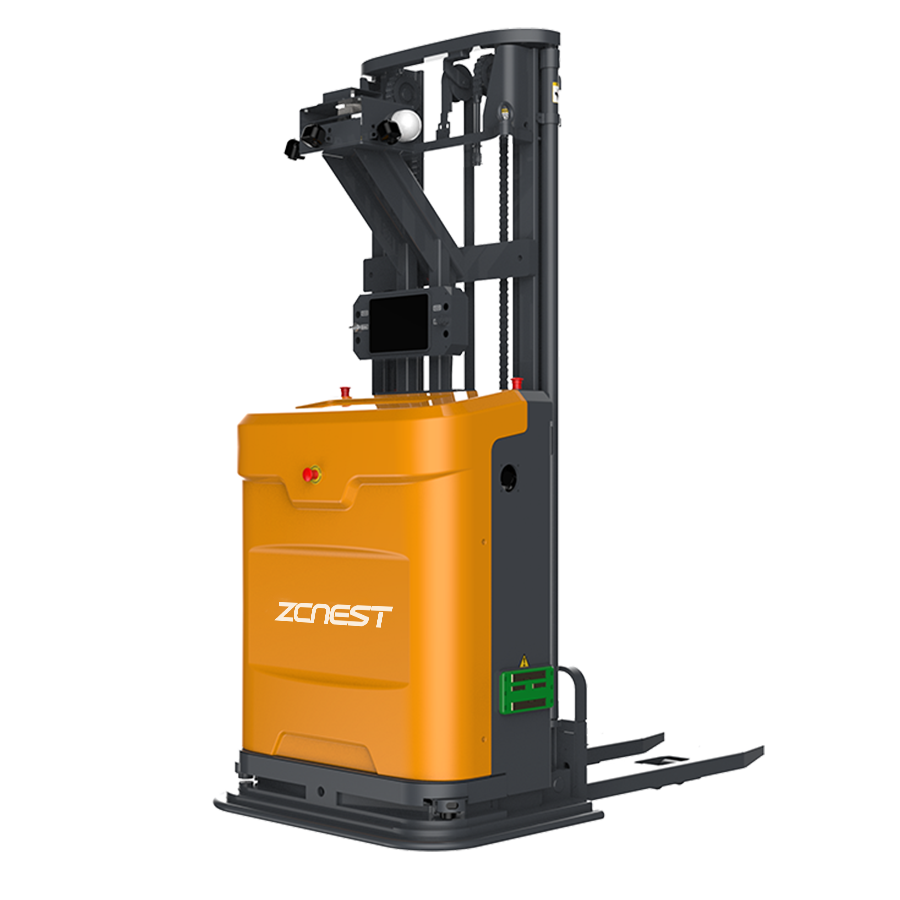
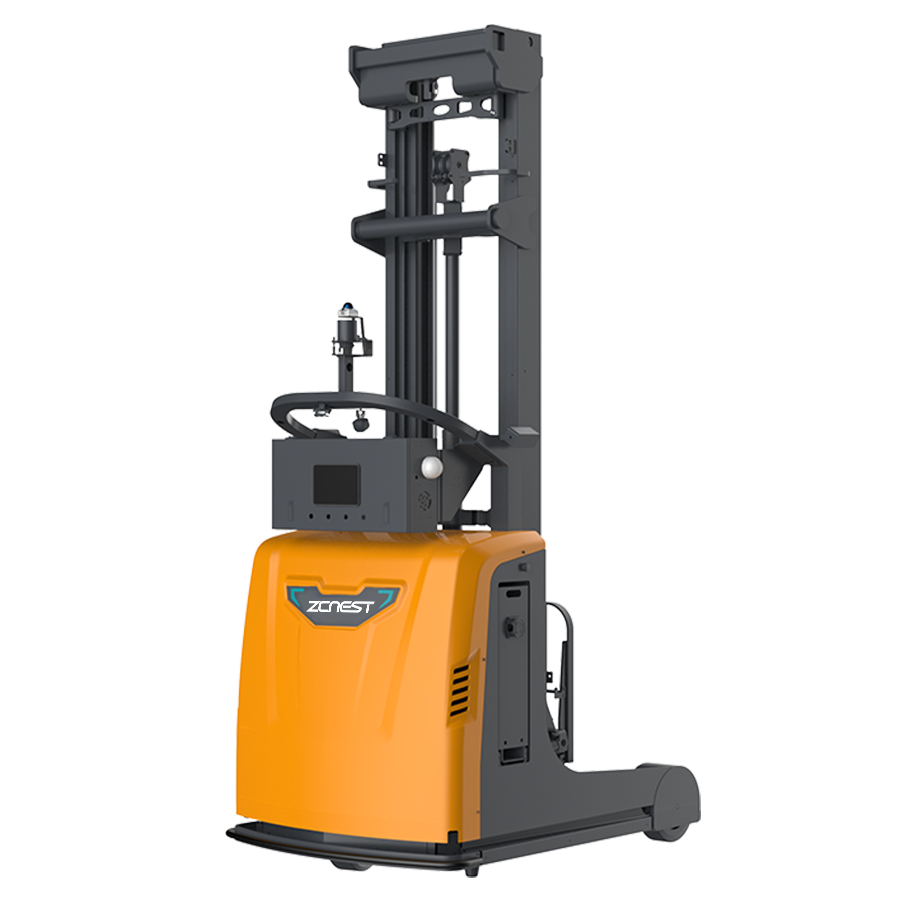
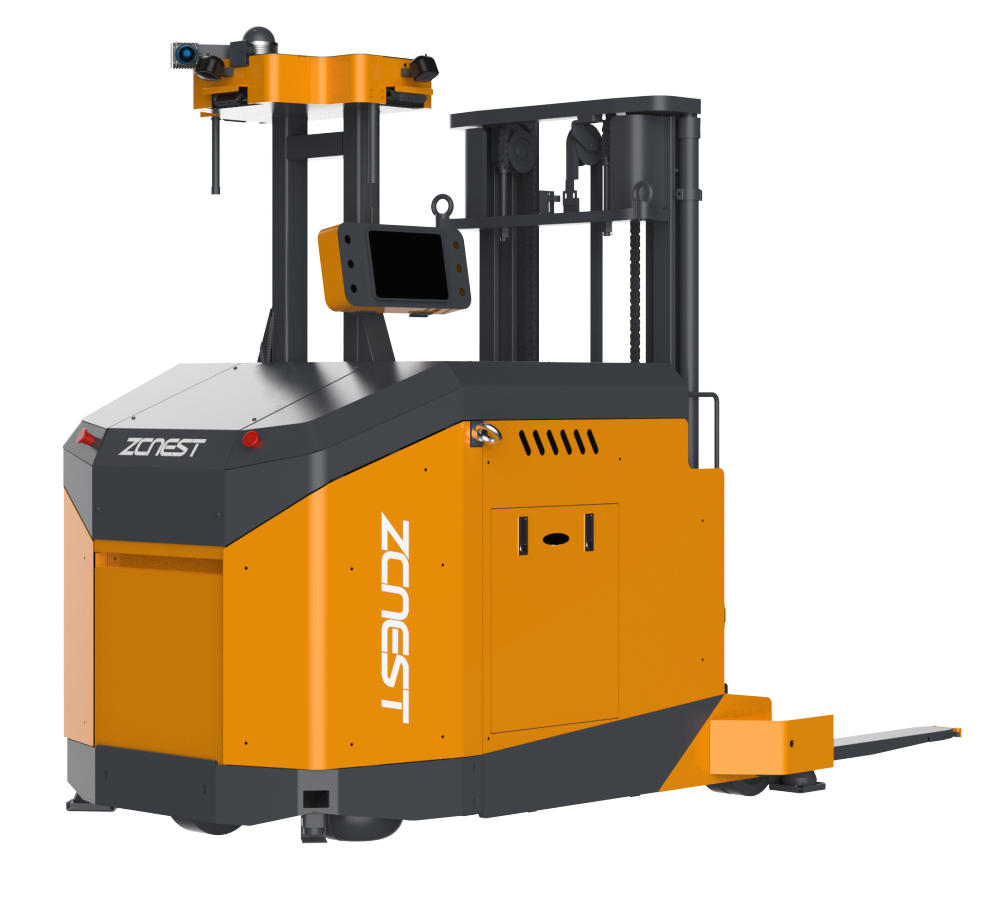
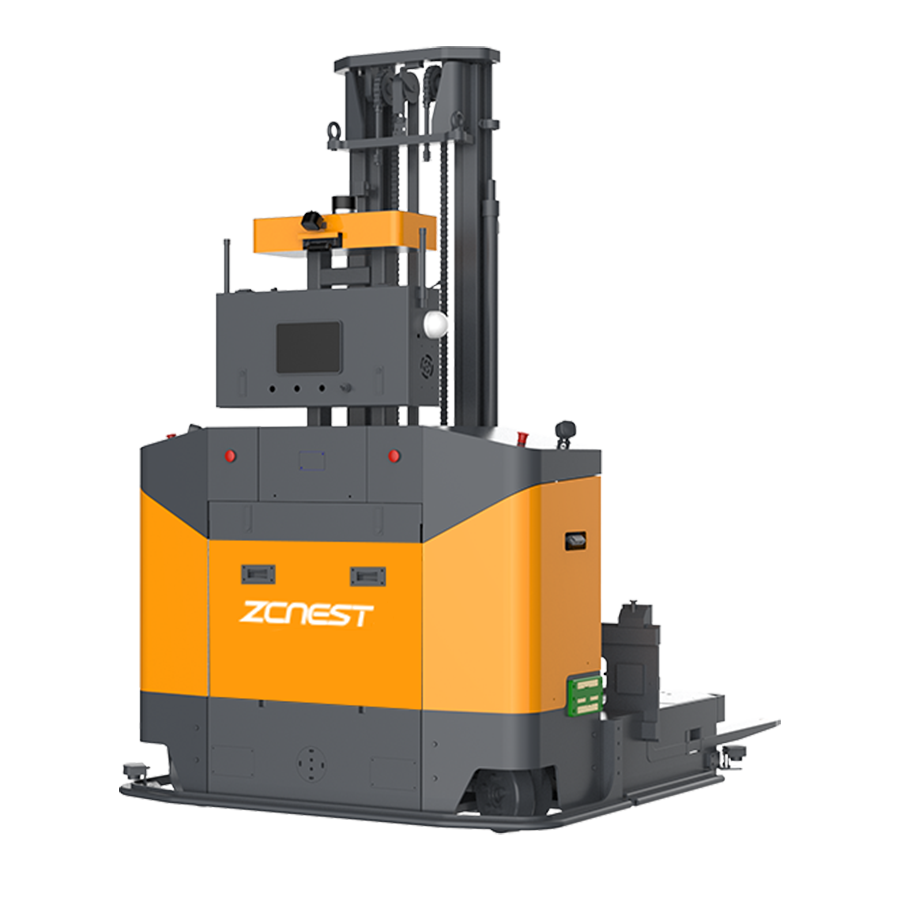

 Chinese
 English