


Moving a 500kg pallet is a commodity; moving a 5-ton steel coil with millimetric precision is an engineering feat. ZCNEST heavy-duty AGVs are built for environments where equipment failure isn't just an expense—it's a critical risk.
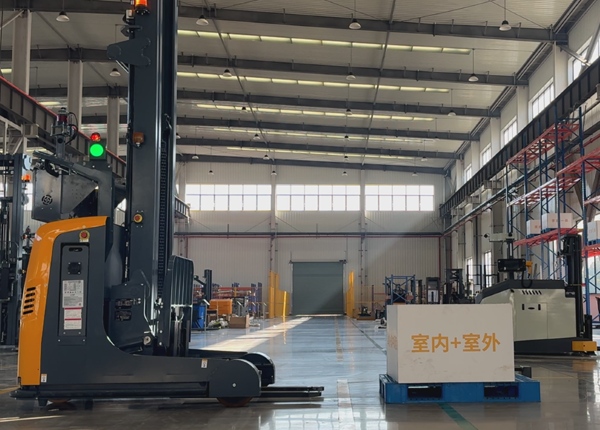
In heavy-duty logistics (2 tons and above), Inertia Management is the primary challenge. Standard AGV sensors can detect an obstacle, but can the braking system stop 5,000kg of moving mass safely? ZCNEST addresses this through:
1. Advanced Braking Logic
Our systems utilize regenerative electromagnetic braking combined with hydraulic redundancy to ensure smooth deceleration, preventing load shifts.
2. Structural Rigidity
We use high-tensile reinforced steel chassis that prevent frame torsion under maximum load, ensuring sensors remain aligned during high-lift operations.
When reviewing a 2-5 ton AGV, the "Sticker Capacity" is only half the story. Buyers must evaluate the Load Center Distance and Residual Capacity at full lift height.
Dynamic Stability Control: Real-time adjustments based on weight distribution.
Lithium Iron Phosphate (LiFePO4): High-discharge batteries capable of powering heavy drive motors for 24/7 cycles.
Triple-Lidar Coverage: Eliminating blind spots inherent in larger vehicle frames.
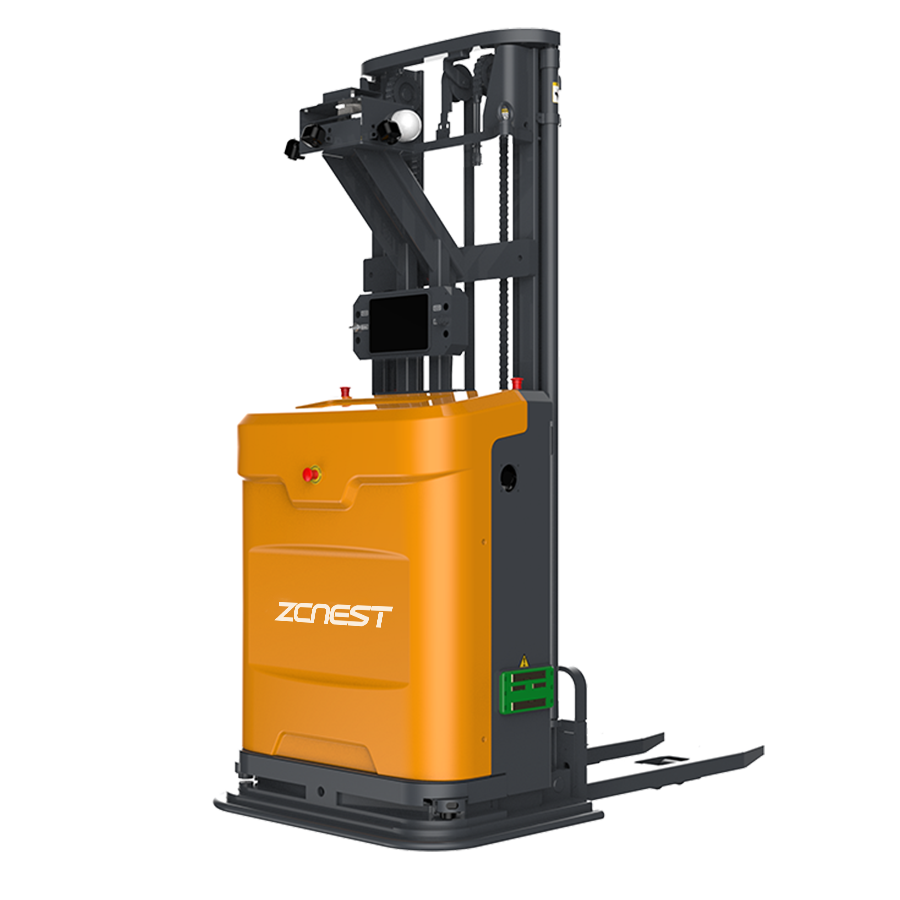
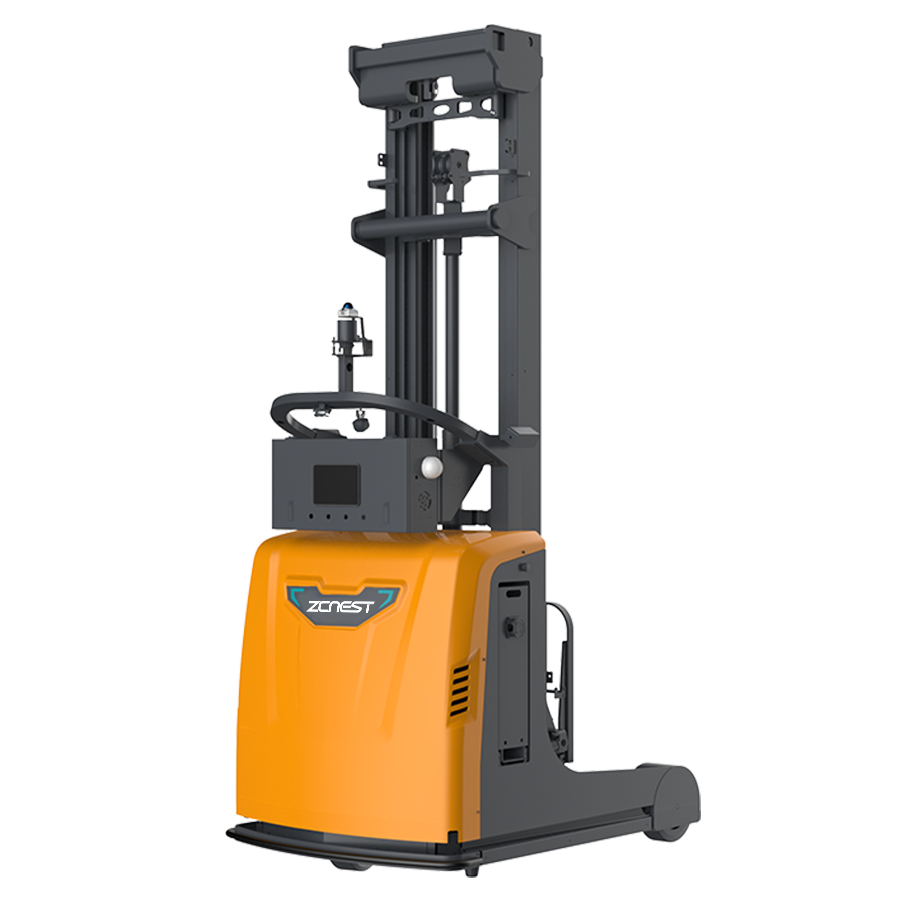
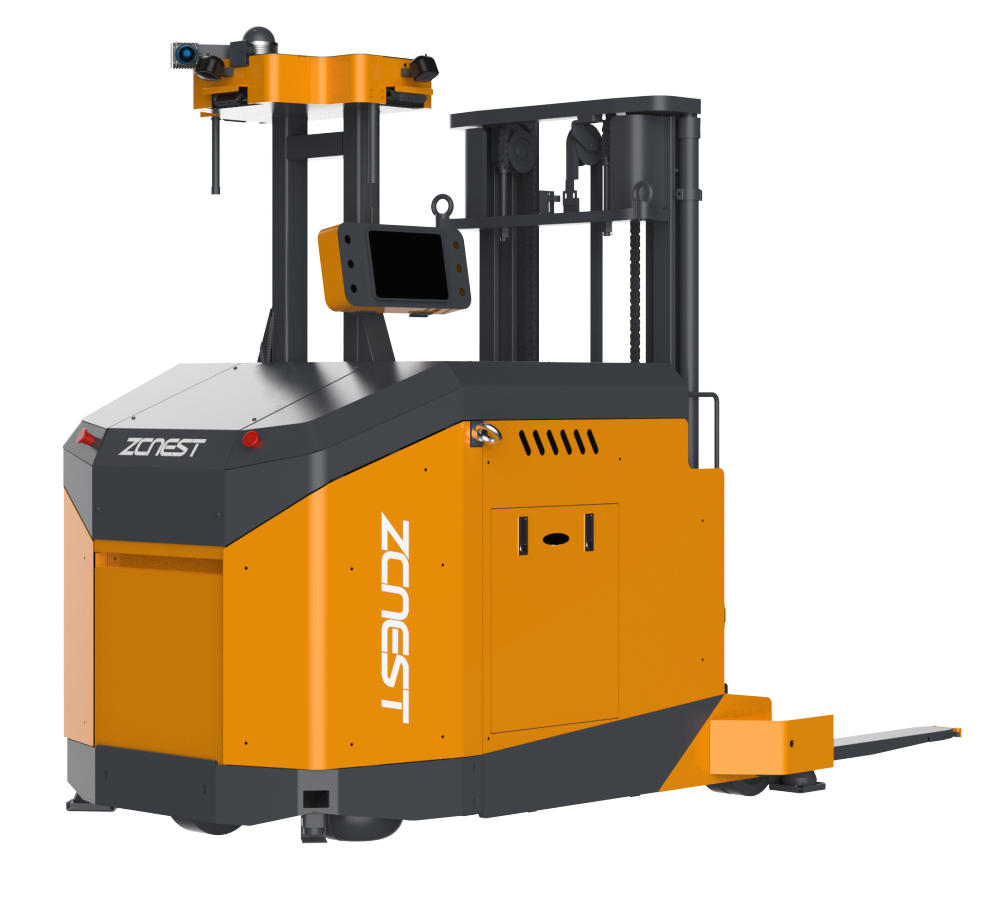
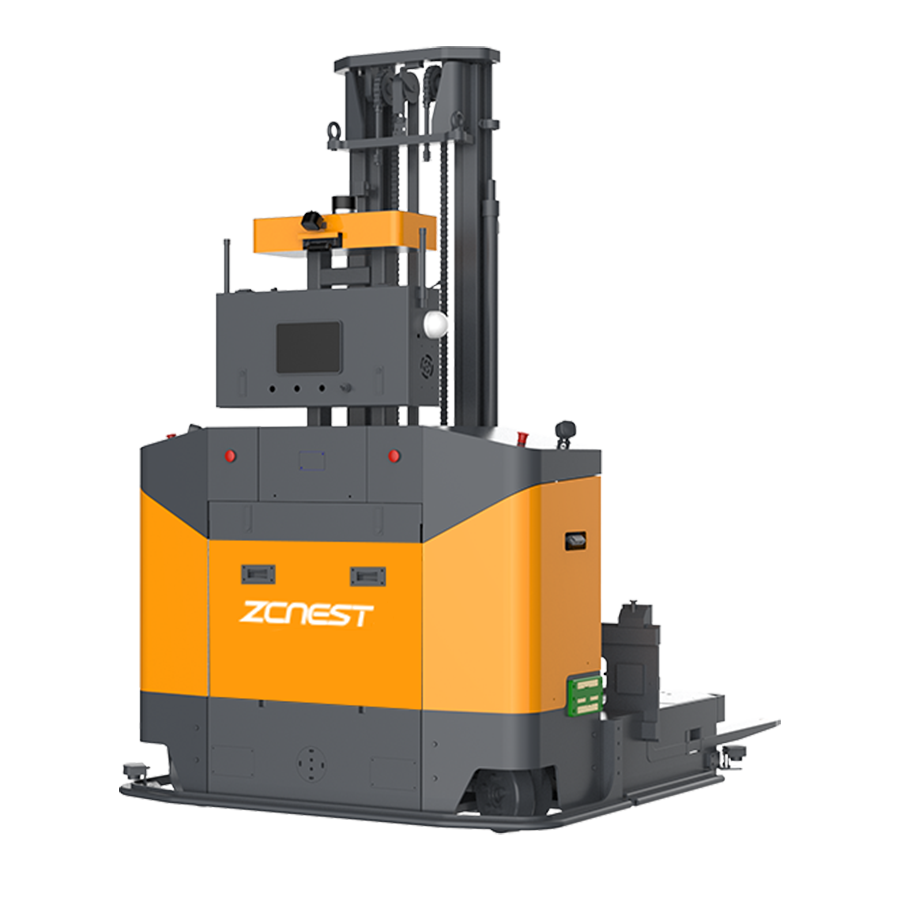
ZCNEST provides customized heavy-load solutions that bridge the gap between traditional forklifts and autonomous precision. Whether it's automotive dies or construction materials, our heavy-duty series delivers uncompromised safety.
📖 AGV Forklift Guide — Essential manual for selection and safety.
⚙️ How AGV Systems Work — A deep dive into navigation and logic.
⚖️ AGV vs. AMR Comparison — Choosing the right technology for your facility.
💰 AGV Cost and ROI — Evaluating investment and payback periods.





 Chinese
 English