
 Chinese
 English

The Ultimate Guide to Automated Guided Vehicle (AGV) Systems: Optimizing 24/7 Operations
In the high-stakes world of material handling, the automated guided vehicle is the cornerstone of efficiency. This comprehensive guide explores how these systems are evolving to meet the demands of Industry 4.0.
Understanding the Modern Automated Guided Vehicle
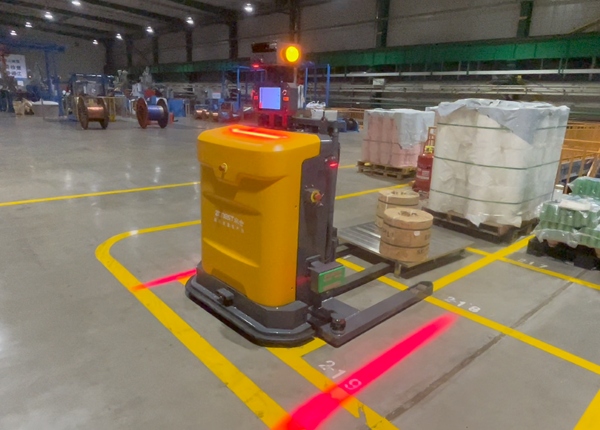
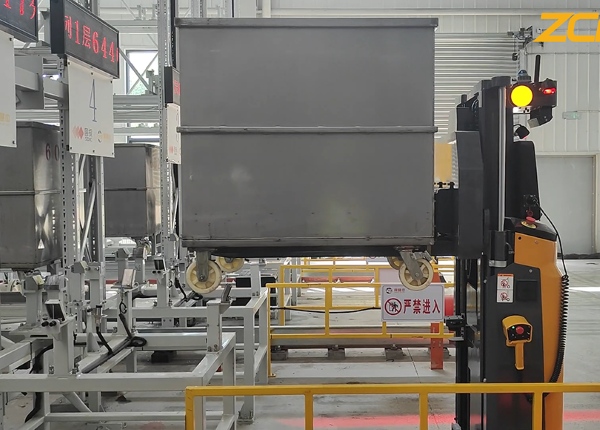
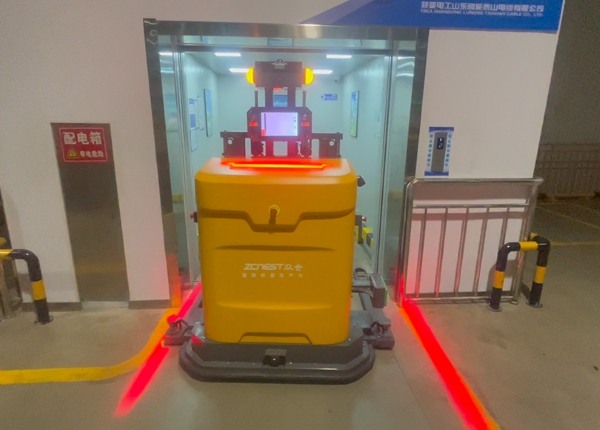
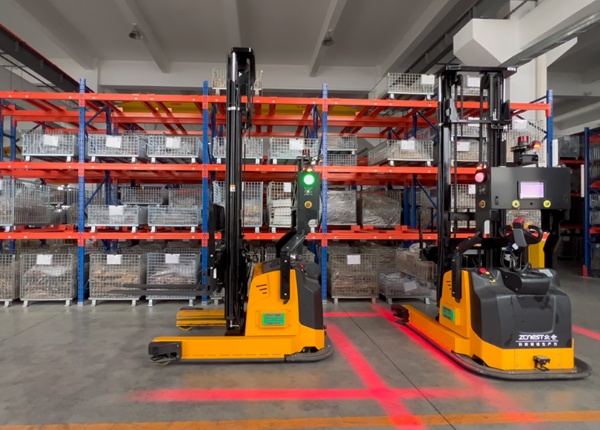
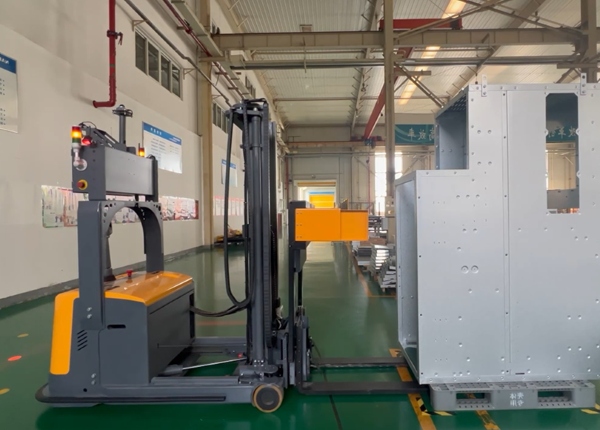
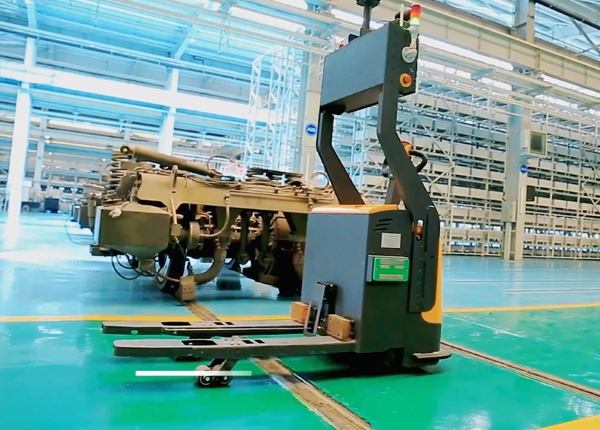
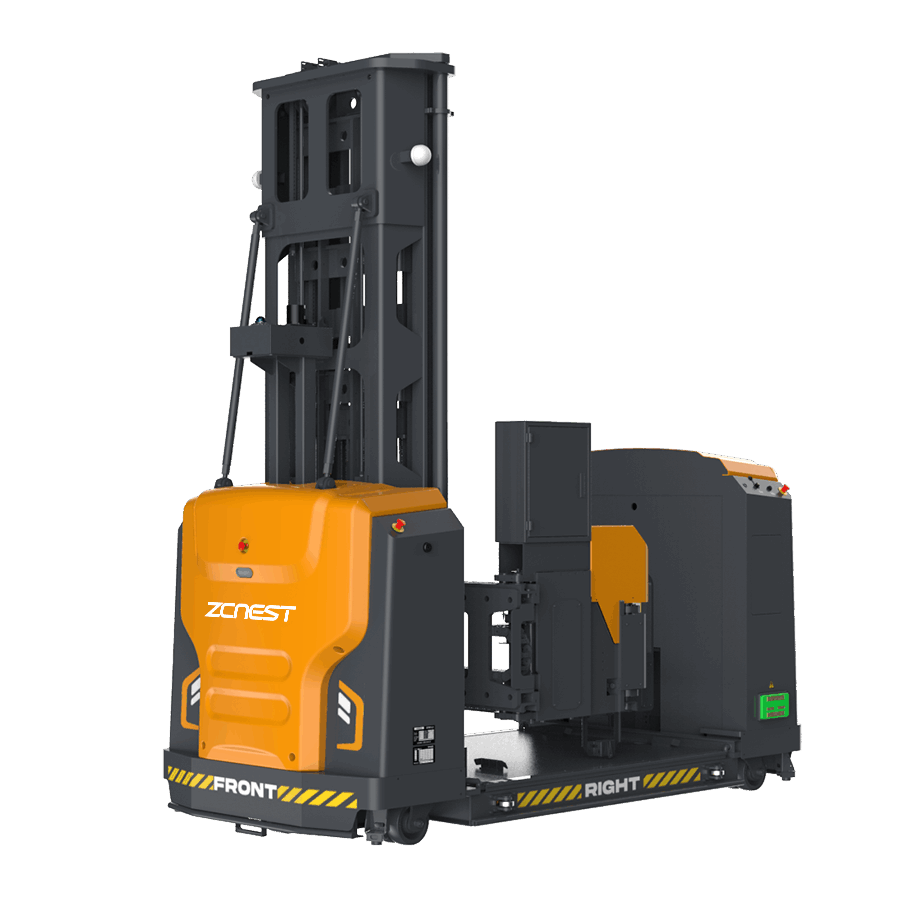
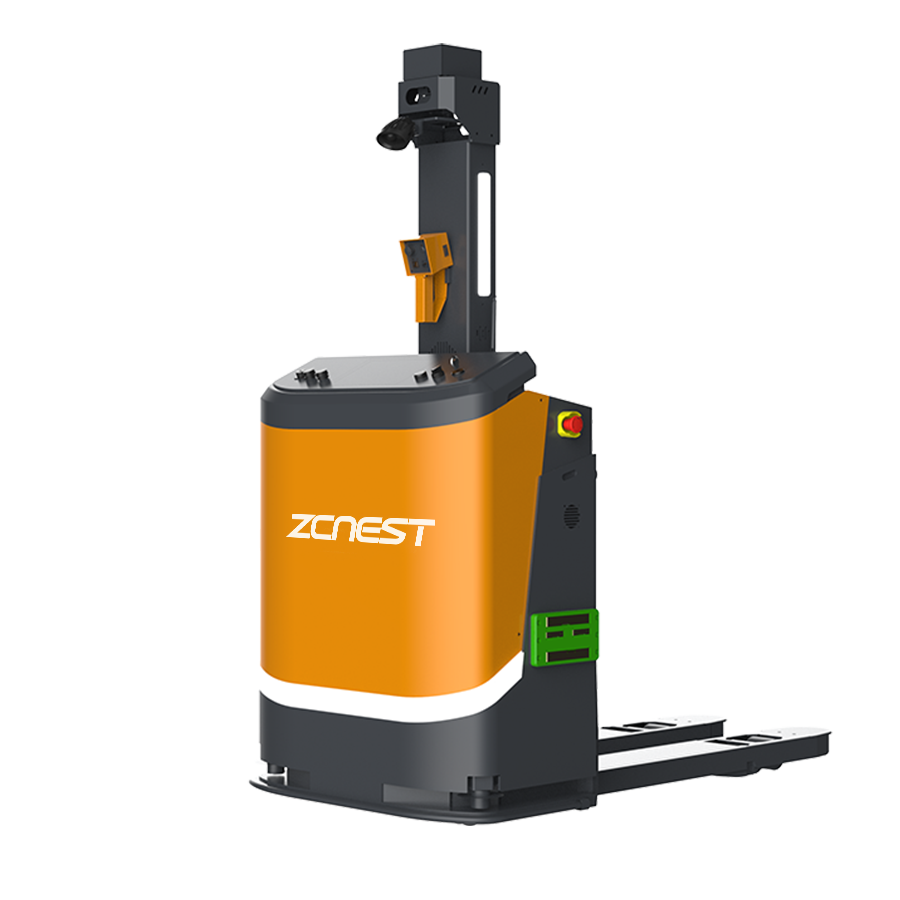
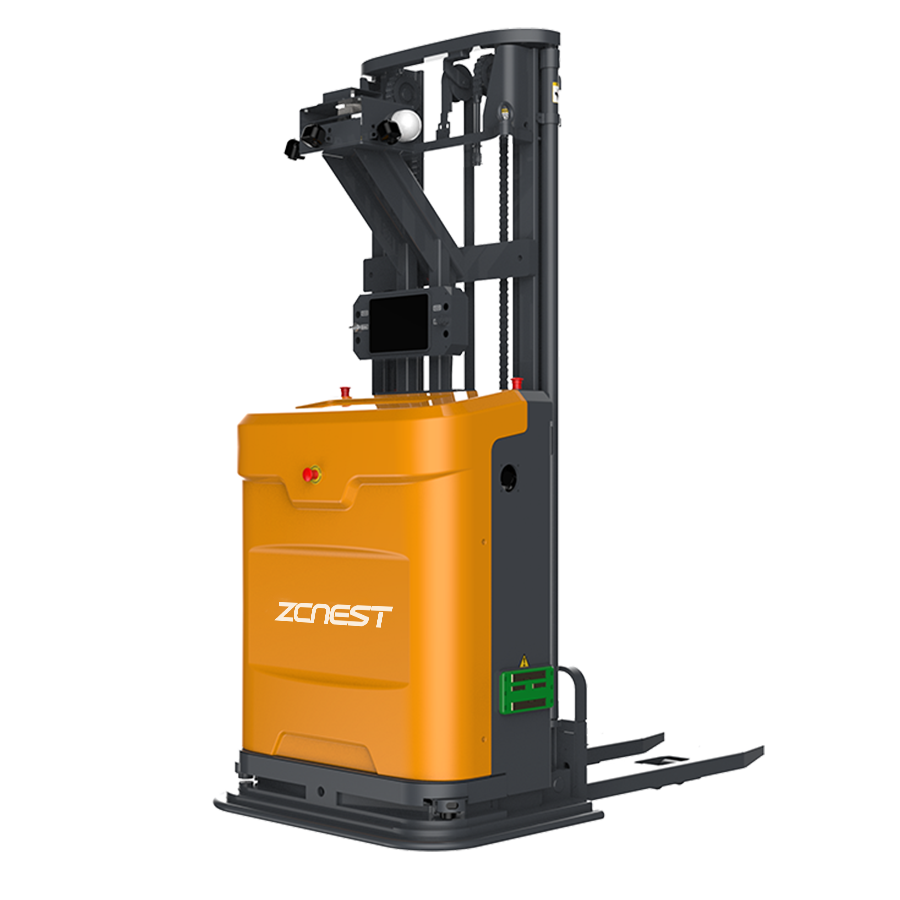
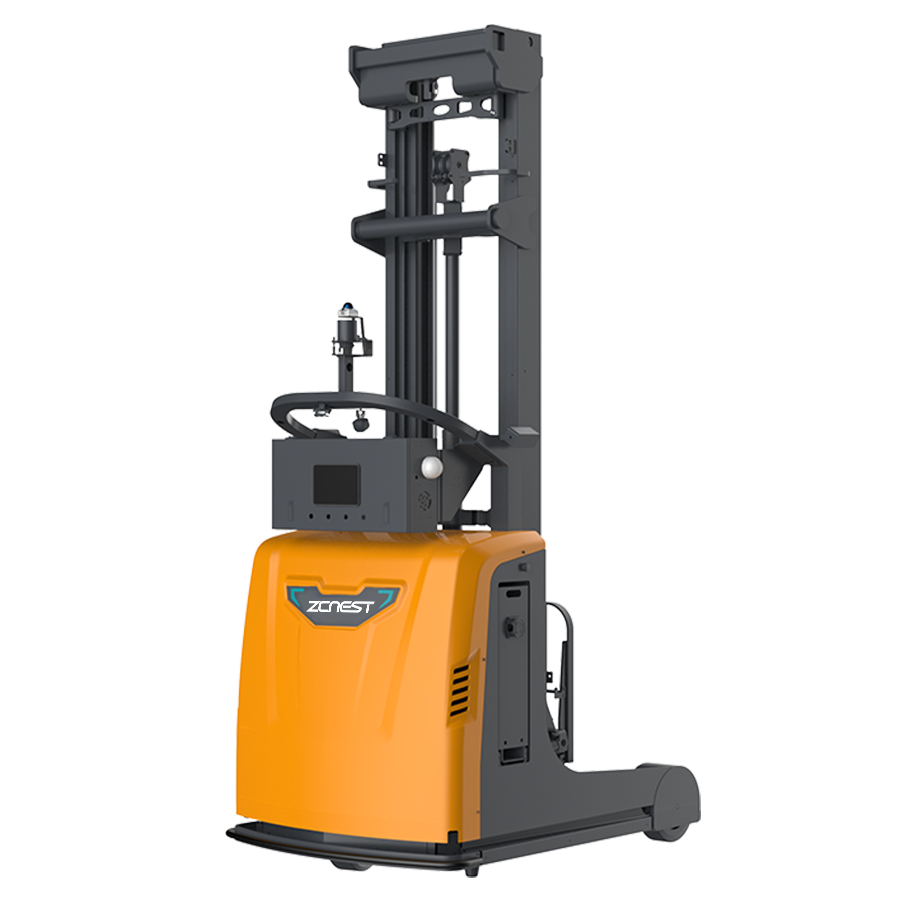
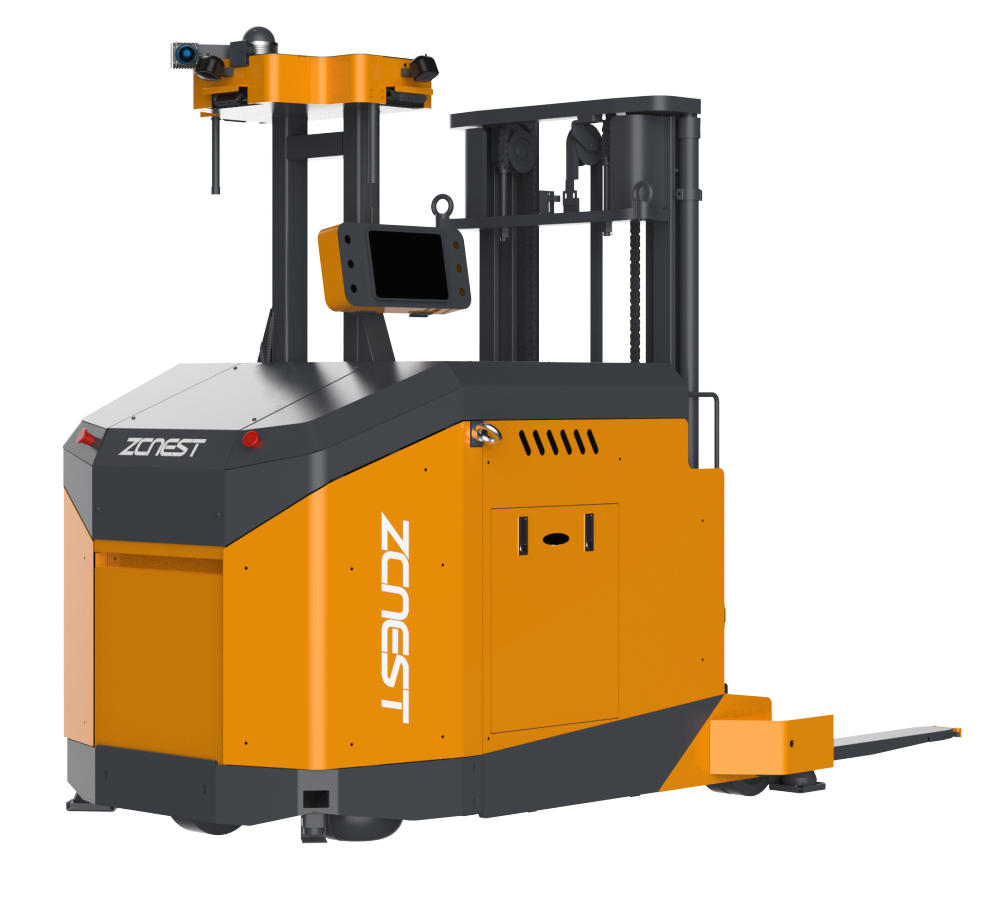
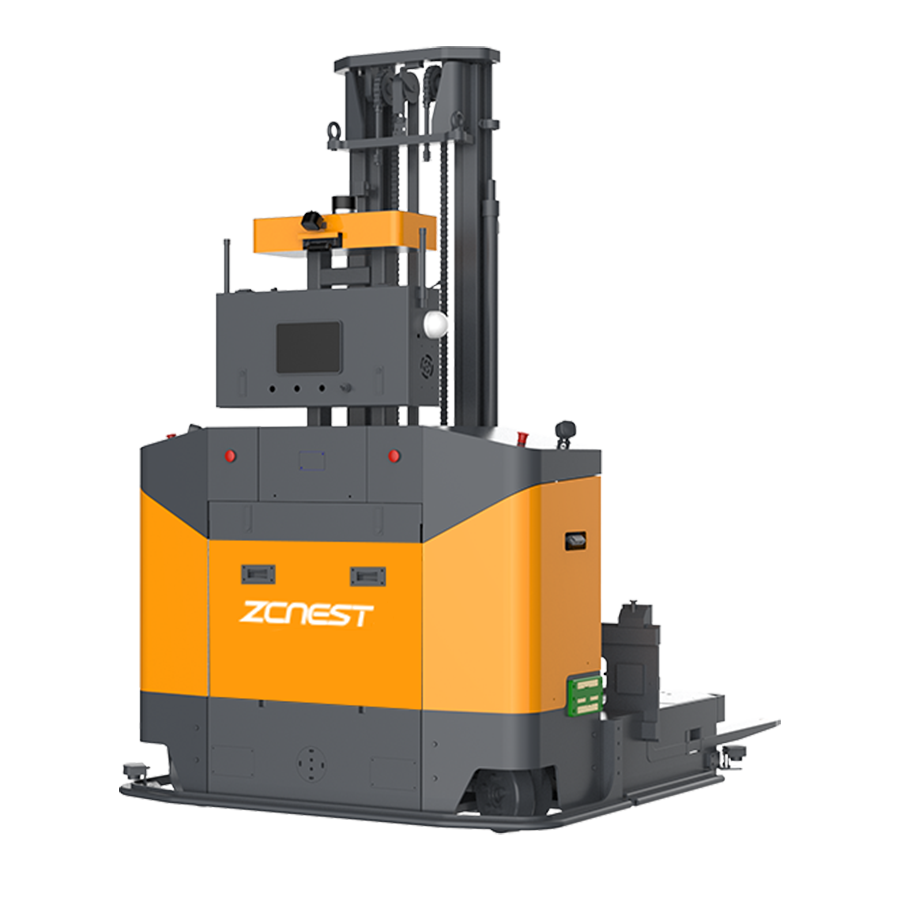
An automated guided vehicle is much more than a "driverless forklift." It is a sophisticated integration of mechanical engineering, sensor technology, and fleet management software. Originally introduced in the 1950s, the AGV has undergone a radical transformation, moving from simple floor-wire guidance to advanced laser and natural navigation.
Core Navigation Technologies:
Laser Guided Navigation (LGV): Uses rotating laser scanners to map reflectors placed in the environment, offering high flexibility.
Magnetic Tape/Bar: A cost-effective, reliable solution for fixed-path repetitive tasks.
Vision Navigation: Uses 3D cameras to "see" the environment, mimicking human sight for obstacle detection.
Solving Critical Industry Pain Points
Why are global manufacturers pivoting toward the automated guided vehicle? The answer lies in three critical areas: labor availability, operational safety, and predictable throughput.
Manual material handling accounts for nearly 20% of workplace accidents. By implementing an AGV, facilities can virtually eliminate "human-error" collisions. Furthermore, in an economy where skilled forklift operators are increasingly hard to find, AGVs provide a stable, "always-on" workforce that doesn't suffer from fatigue or turnover.
Maximize Your Floor Efficiency: Not sure which AGV configuration fits your aisle width? Our engineers specialize in high-capacity automated guided vehicle design for the heavy-duty sector.
Contact us for a Custom Site Evaluation.
Calculating ROI: Beyond the Initial Investment
While the upfront cost of an automated guided vehicle is higher than a manual forklift, the total cost of ownership (TCO) drops significantly after 18-24 months. Savings come from reduced product damage, lower insurance premiums, and the elimination of overtime pay.