
 Chinese
 English

The Revolution of Automation in Factories: Towards a Dark-Factory Reality
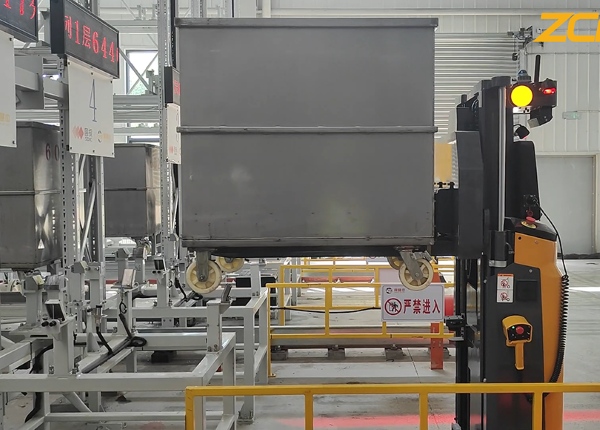
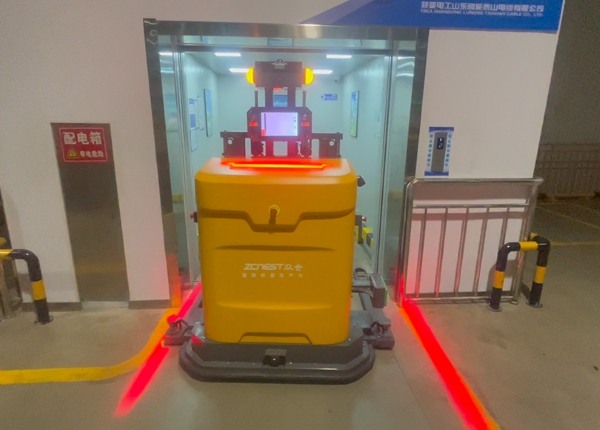
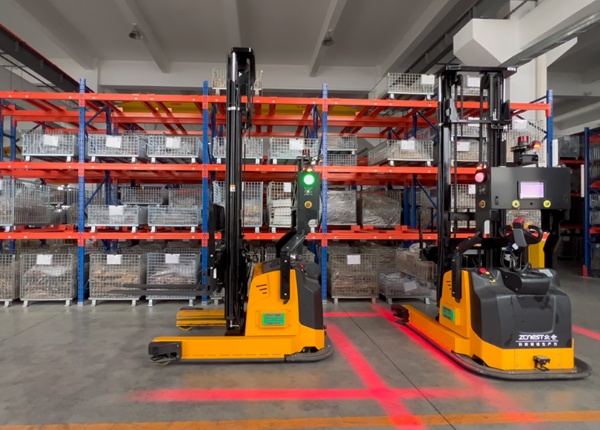
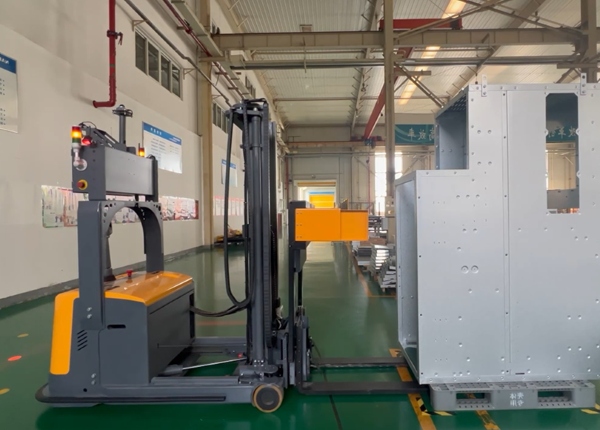
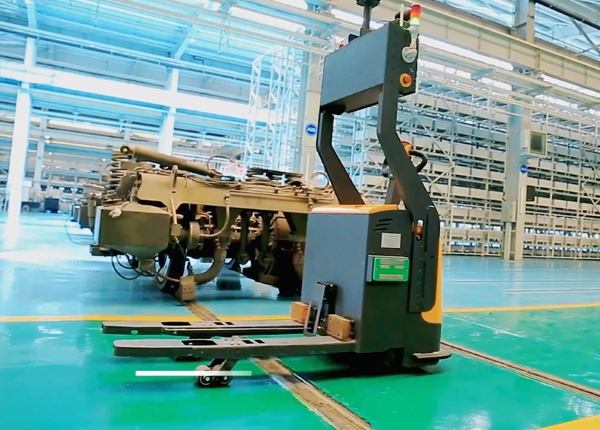
As Industry 4.0 matures, automation in factories has evolved from simple repetitive tasks to complex, autonomous decision-making processes.
Defining Modern Automation in Factories
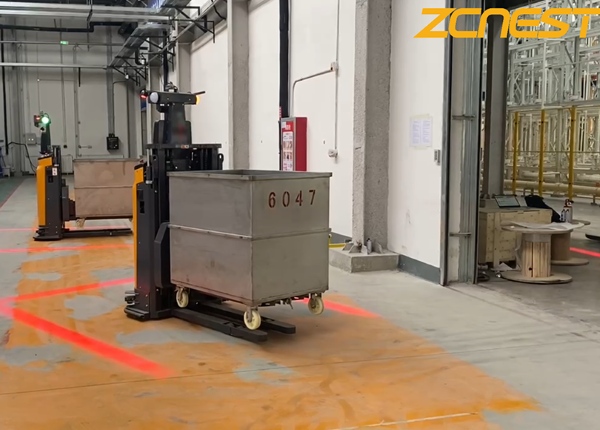
Automation in factories refers to the use of control systems, such as computers or robots, and information technologies for handling different processes and machineries in an industry to replace a human being. The ultimate goal? To improve safety, quality, and speed while reducing costs.
The 5 Levels of Factory Automation
Manual Level: Human labor with basic power tools.
Station Level: Individual machines dedicated to one task.
Cell Level: A group of machines working together (e.g., a robotic arm feeding a CNC machine).
Plant Level: Integrated systems where automation in factories is managed by a central MES.
Cloud Level: Global monitoring and predictive maintenance across multiple geographic locations.
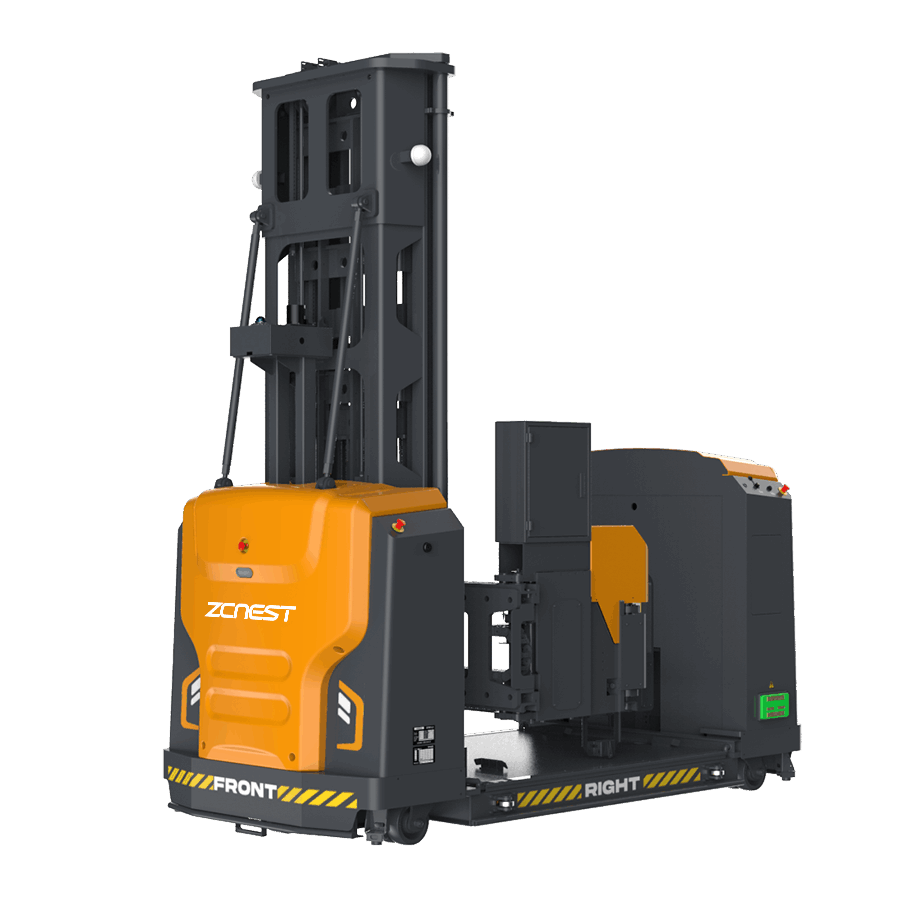
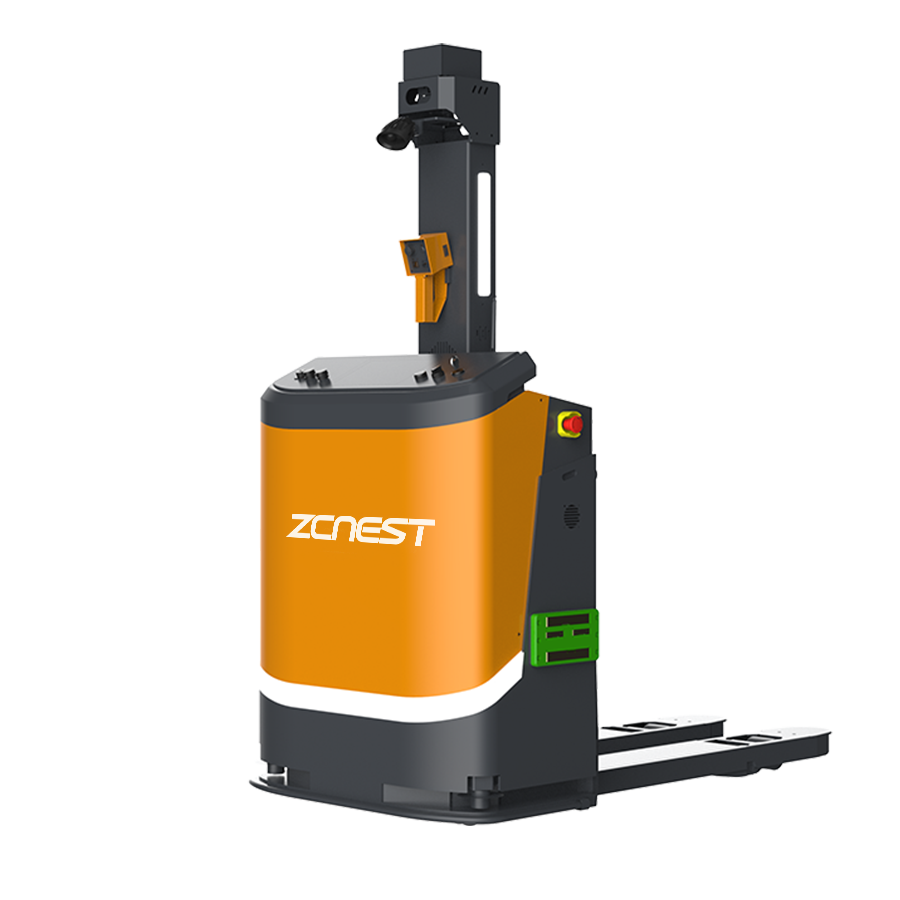
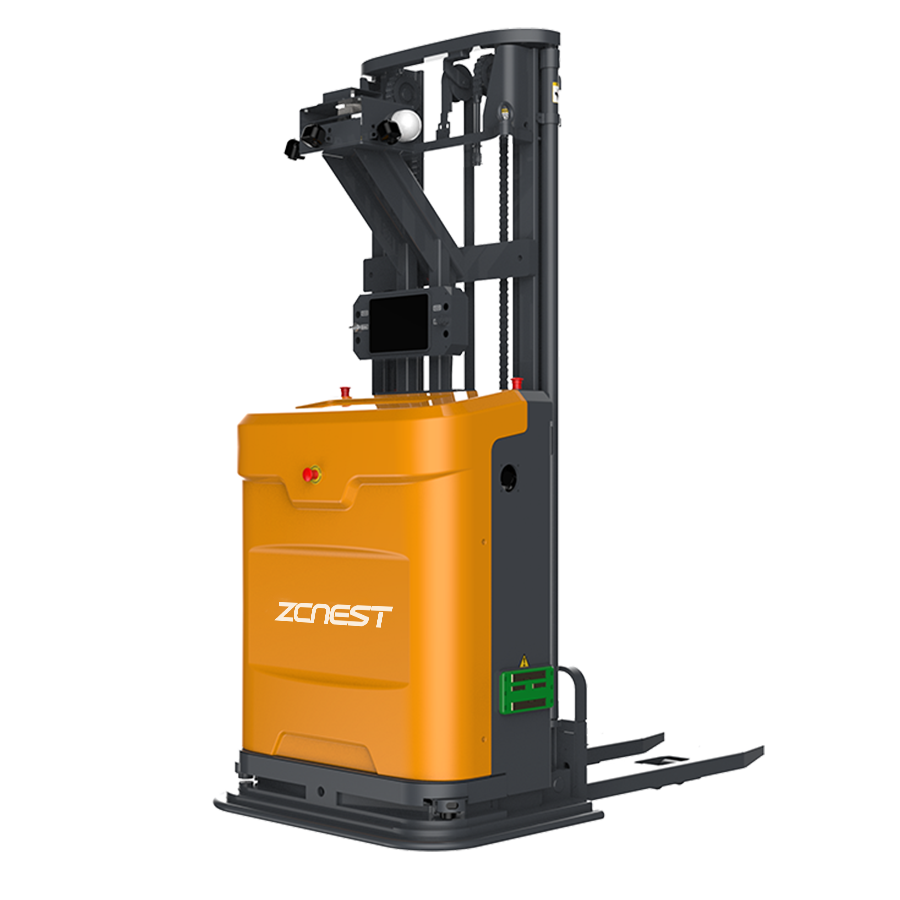
Transition to Industry 4.0 seamlessly. We provide the hardware and software expertise needed to implement full-scale automation in factories.
Download our Automation Roadmap.
Sustainable Manufacturing Through Automation
A hidden benefit of automation in factories is sustainability. Precise movements reduce raw material waste, and automated systems can operate in low-light and non-climate-controlled environments, drastically reducing a factory's carbon footprint and energy bills.